English
A few days before the official announcement of election results, heated debates like "Who has the chance to win?" begin all over the country. The primary and most expectation-fulfilling aspect of these debates is the 'Exit Poll.' This is not merely a guess based on speculation. Instead, it is a scientific, statistically based survey. In India, during the second general elections held in 1957, the 'Indian Institute of Public Opinion' conducted the first exit poll. From that day until today,
This is becoming a very important tool in election studies. What is the difference in election surveys? To properly understand an exit poll, it is essential to know how it differs from other surveys. Generally, there are three main types: Pre-Poll Survey: Conducted from the announcement of the election date up to a few weeks or months before voting. The central question is "Who do you want to vote for?" Exit Poll: This survey is conducted directly on election day with voters as they leave the polling station after casting their vote.
Since it is conducted immediately after voting, its results are likely to be very accurate.
Post-Poll Survey: This survey is conducted a day or two after the voting is completed, either by visiting people's homes or through telephone calls.
Acting like a kind of exit poll is not just about asking a few people for their opinions. There is a detailed process behind it. Its key stages...
Selecting constituencies
The first challenge is to represent the entire country or a state with a small sample. For this, the method of 'Stratified Random Sampling' is used. Through this,
Constituencies are carefully selected to include all aspects such as urban and rural ratios, caste and religious representation, past election history, and geographical distribution (north, south, east, west). Polling stations are chosen within each selected constituency using Systematic Random Sampling. Factors such as village/town, caste composition, and past voter turnout percentages are also considered. Researchers do not approach every voter exiting the polling station. To avoid biased results,
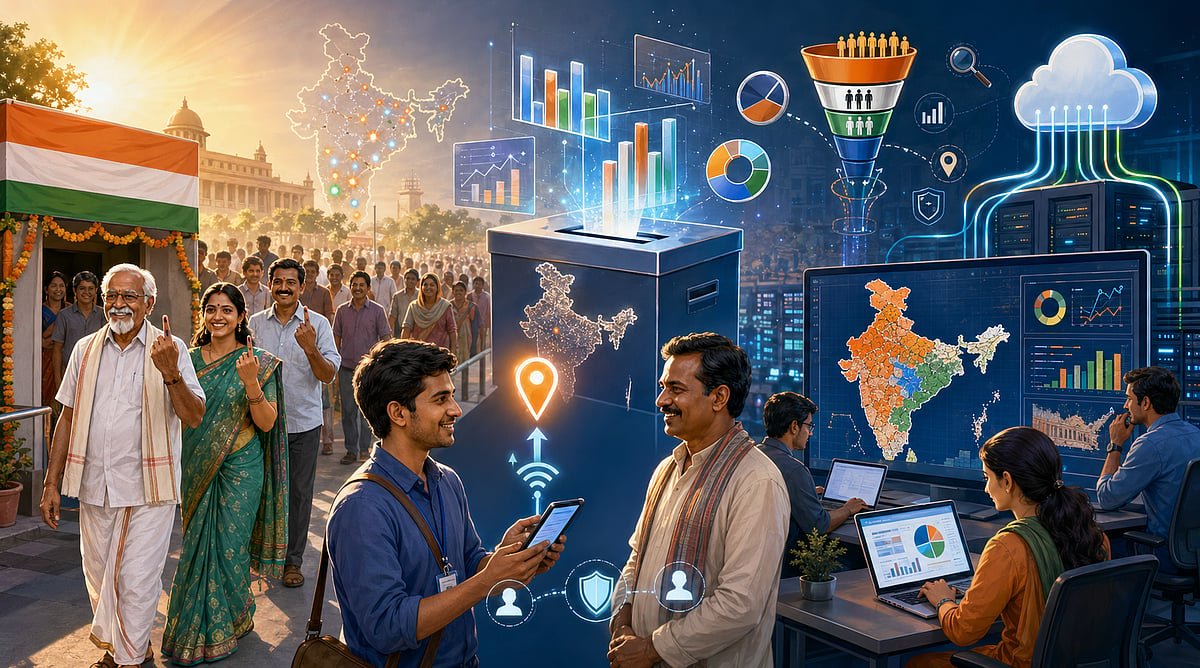
Only every third or fifth voter going out is approached (k-th person method). This prevents the opinions of a particular group of people from affecting the overall result. > During data collection and analysis, voters are asked questions like "Who did you vote for?" and "Why did you vote?" No personal identifiers such as the voter's name are collected. Today, all this data is immediately sent to a central server through digital applications. Geo-location technology also helps ensure that the field investigator is at the correct location. The collected data,
Using statistical methods such as 'Weighting' (adjusting the ups and downs in the sample) and 'Swing Analysis' (calculating vote shifts compared to the previous election), the analysis is conducted and vote percentages are estimated as seats. 5 States Exit Poll 2026 Live: Will NDA rule 'again' in Puducherry? - How many seats does Congress have a chance in? Challenges faced by exit polls in India Conducting exit polls in a large, diverse country like India is not an easy task. Many challenges affect their accuracy. Shy Voter Effect: Some voters hesitate to openly reveal whom they voted for.
This can impact the results. Multi-phase elections: Since elections in India are conducted in multiple phases, the results of the first phase exit polls can influence the mindset of voters in the subsequent phases. For this reason, the Election Commission has imposed a ban on releasing exit poll results until the final phase of voting is completed. Sampling error in surveys: If the sample selected for the survey does not accurately represent the true population, there is a high chance that the results will be incorrect. This is a major reason why many exit polls fail. Exit polls are only a preview of the election results. When conducted with proper methodology, honest data collection, and an adequate sample size,
It could come very close to the actual results. It is not just a guess, but rather a possible scientific effort to understand the grand festival of democracy, according to political analysts. TN Exit Poll 2026 LIVE: 'Will AIADMK rule in Tamil Nadu?' - What do the CNN, Times Now (JVC) poll results indicate?
Tanglish
Therthal mudivugal adhikaarappoorvamaaga arivikkappaduvatharku sila naalgalukku munbae, naadu muzhuvadhum "Yaarukku vetri vaayppu?" pondra anal parakkum vivaathangal thodangividum. Indha vivaathangalukku mudhanmaiyanaadhum, makkalin ethirpaarppai poorthi seyvadhumaaga irupaduthaan 'Exit Poll'. Ithu verumane yookaththin adipadaiyil sollappadum ondalla. Maaraga, ithu oru vignyaanapoorvamaana, pullivivara adipadaiyilana aayvu. Indhiyaavil 1957-am aandu nadandha irandaavathu makkalavaith therthalinpothu, 'Indhiya pothukkaruthu niruvanam' (Indian Institute of Public Opinion) mudhalmurayaaga Exit Pollai nadathiyadhu. Andru mudhal indru varai,
Ithu therthal aayvugalin miga mukkiya karuviyaga valarnthu nirkiradhu. Therthalkaruthukkanippugalil enna viththiyaasam? Exit pola sariyaga purindhukolla, matra karuthukkanippugalilirundhu adhu eppadi verupadugiradhu enbadha therindhukolvathu avasiyam. Pothuvaga moondru mukkiya vagaigal ullana: Therthalukku munthaiya karuthukkanippu (Pre-Poll Survey): Therthal thethi arivikkappattadhilirundhu, vaakkupathivukku sila vaarangal alladhu maathangalukku munbu varai nadathappadum. "Neenga yaarukku vaaglikka virumbugireergal?" enbadhu ithan maiyakkaelvi. Vaaglikkitha pin karuthukkanippu (Exit Poll): Vaakkupathivu naalnru, vaakkuschaavadiyilirundhu vaaglikkithuvittu veliyE varum vaakkaalargalidam neradiyaga, nadathappadum aayvu ithu.
Vaakkalitha udaneye ketkappaduvathal, ithan mudivugal mikavum thulliyamaaga irukka vaayppulladhu. Therthalukkup pinthaiya karuththukkanippu (Post-Poll Survey): Vaakkupathivu mudintha oriru naatkalil, makkalin veedugalukku sendro alladhu tholaipesi moolamaagavo indha aayvu nadathappadum. Oru paarvai exit pol seyalpadum vidham oru exit pol enbadhu edho silaridam karuthu ketpathu mattumalla. Adhan pinnal oru virivana seyalmurai ulladhu. Adhan mukkiya nilaihal...> Thogudigalai therndheduththal Oru naatin alladhu oru maanilaththin ottumotta prathipallippai oru siriya maathiriyil konduvaruvadhe ithan mudhal savaal. Itharkaaga, `seerra maathiri therivu' (Stratified Random Sampling) murai payanpaduthappadugiradhu. Idhan moolam,
Nagaram matrum graamappura vigitam, saathi matrum madha prathinidiththuvam, kadanda therthal varalaaru matrum puviyiyal paraval (vadakku, therku, kizakku, merku) ena anaiththu amsangalaiyum ulladakkiya thogudhigal kavanamaagath therndheddukkappadugindrana. Vaakkuschaavadigalai therndheduththal therndheddukkappatta ovvoru thogudhikkullum, kurippitta vaakkuschaavadigalai 'muraichaar seerra maathiri therzhu' (Systematic Random Sampling) moolam therzhu seivargal. Idhilum graamam/nagaram, saathi amaippu, kadanda vaakkupadhivu sathaveedham pondra alavukolgal karuthil kollappadum. Vaakkaalargalai anuguthalvaakkuschaavadiyilirundhu veliyerum ovvoruvaraiyum aayvaalargal anuguvadhillai. Oruthalaipatchamana mudivugalai thavirka,
veliYerum ovvoru mUnRaavathu allathu aindhaavathu vaakkaalarai mattum (k-th person method) aNuguvaar. ithan moolam, oru kuRippitta kuzhuvaaga varubavargaLin karuththukkaL ottumotta mudivaip paathikkaamal thadukkappadugiradhu. > tharavu saegarippu matRum paguppaayvuvaakkaalaridam, "yaarukku vaagkiliththIrgaL?", "En vaagkiliththIrgaL?" enbana poNdra kelvigal ketkappadum. vaakkaalarin peyar poNdra thanippatta adaiyaLangaL edhuvum saegarikappadadhu. indru, indha tharavugaL anaiththum digital seyaligaL moolam udanadiyaga maththiya sevaiyagaththirku anuppappadugindrana. kaLa aayvaLar sariyana idaththil irukkiraaraa enbadha urudhippada 'Geo-location' thozhilnutpamum udhavugiradhu. saegarikappatta tharavugaL,
'Weighting' (maathiriyil ulla etrathaazhvuhaḷai sariseithal), 'Swing Analysis' (kadandha therththaludan oppittu vaakku maatrrathaik kanakkiduthal) pondra pullivivara muraikaḷaip payanpaduthi paguppaayvu seithu, vaakku sathaveedham idangalaga (Seats) kanikkappadugiradhu. 5 States Exit Poll 2026 Live: Pudhuchcheriyil `meendum' NDA aatchi? - Kaangirasku eththanai idangalil vaayppu? Indhiyaavil Exit Pollgal sandhikkum savaalgal Indhiya pondra periya, parandha panmugaththanmai konda naattil Exit Poll nadathuvathu elidhaana kaariyamalla. Pala savaalgal ithan thulliyaththanmaiyai paathikkindrana. Shy Voter Effect: Sila vaakkaalargal, thaangal yaarukku vaangalththom enbadha velippadaiyaach sollath thayanguvargal.
Ithu mudivugalil thaakkathai erpaduthalam. Pala kattath therthal: Indiyavil therthal pala kattangalaga nadapadhuvathal, mudhal katt exit pol mudivugal adutha katt vaakkaalargalin mannilaiyai paathikkakoodum. Idhanaalthaan, kadaisi katt vaakkupathivu mudiyum varai exit pol mudivugalai veliyida therthal aaniyam thadai vidiththulladhu. Maathirith theruvil pizhai (Sampling Error): Aayvukkuth therndhedakkappadum maathiri, makkalin unmaiyana prathiphalippaga illaiyendraal, mudivugal thavaraagap poga adhiga vaayppulladhu. Pala exit polgal thavaruvatharku idhuve mukkiya kaaranam. Exit pol enbadhu therthal mudivugalin oru munnoottam mattume. Sariyana vazhimuraigal, naermayana tharavu saegirippu matrum pothumamaana maathiri alavudan nadathappadum podhu,
Athu unmaiyana mudivukalukku miga nerukkamaaga varakoodum. Athu verum yookamalla, maaraaga jananaayagaththin migapperiya thiruvizhaavaip purindhukolla udhavum oru saaththiyamaana vignyaanapoorvamaana muyarchi enbadhe arasiyal paarvaiyaalargalin karuththaga ulladhu. TN Exit Poll 2026 LIVE : `Tamilnaattil ADMK aatchiyaa?' - CNN, Times Now (JVC) karuththukkanippu mudivugal solvathenna?
Tamil
தேர்தல் முடிவுகள் அதிகாரப்பூர்வமாக அறிவிக்கப்படுவதற்கு சில நாள்களுக்கு முன்பே, நாடு முழுவதும் “யாருக்கு வெற்றி வாய்ப்பு?” போன்ற அனல் பறக்கும் விவாதங்கள் தொடங்கிவிடும். இந்த விவாதங்களுக்கு முதன்மையானதும், மக்களின் எதிர்பார்ப்பை பூர்த்தி செய்வதுமாக இருப்பதுதான் ‘எக்சிட் போல்’ (Exit Poll).
இது வெறுமனே யூகத்தின் அடிப்படையில் சொல்லப்படும் ஒன்றல்ல. மாறாக, இது ஒரு விஞ்ஞானபூர்வமான, புள்ளிவிவர அடிப்படையிலான ஆய்வு. இந்தியாவில் 1957-ம் ஆண்டு நடைபெற்ற இரண்டாவது மக்களவைத் தேர்தலின்போது, ‘இந்திய பொதுக்கருத்து நிறுவனம்’ (Indian Institute of Public Opinion) முதல்முறையாக எக்சிட் போலை நடத்தியது. அன்று முதல் இன்று வரை, இது தேர்தல் ஆய்வுகளின் மிக முக்கிய கருவியாக வளர்ந்து நிற்கிறது.

எக்சிட் போலை சரியாகப் புரிந்துகொள்ள, மற்ற கருத்துக்கணிப்புகளிலிருந்து அது எப்படி வேறுபடுகிறது என்பதைத் தெரிந்துகொள்வது அவசியம். பொதுவாக மூன்று முக்கிய வகைகள் உள்ளன:
தேர்தலுக்கு முந்தைய கருத்துக்கணிப்பு (Pre-Poll Survey): தேர்தல் தேதி அறிவிக்கப்பட்டதிலிருந்து, வாக்குப்பதிவுக்கு சில வாரங்கள் அல்லது மாதங்களுக்கு முன்பு வரை நடத்தப்படும். “நீங்கள் யாருக்கு வாக்களிக்க விரும்புகிறீர்கள்?” என்பதே இதன் மையக் கேள்வி.
வாக்களித்த பின் கருத்துக்கணிப்பு (Exit Poll): வாக்குப்பதிவு நாளன்று, வாக்குச்சாவடியிலிருந்து வாக்களித்துவிட்டு வெளியே வரும் வாக்காளர்களிடம் நேரடியாக, நடத்தப்படும் ஆய்வு இது. வாக்களித்த உடனேயே கேட்கப்படுவதால், இதன் முடிவுகள் மிகவும் துல்லியமாக இருக்க வாய்ப்புள்ளது.
தேர்தலுக்குப் பிந்தைய கருத்துக்கணிப்பு (Post-Poll Survey): வாக்குப்பதிவு முடிந்த ஓரிரு நாட்களில், மக்களின் வீடுகளுக்குச் சென்றோ அல்லது தொலைபேசி மூலமாகவோ இந்த ஆய்வு நடத்தப்படும்.
ஒரு எக்சிட் போல் என்பது ஏதோ சிலரிடம் கருத்து கேட்பது மட்டுமல்ல. அதன் பின்னால் ஒரு விரிவான செயல்முறை உள்ளது. அதன் முக்கிய நிலைகள்…
> தொகுதிகளைத் தேர்ந்தெடுத்தல்
ஒரு நாட்டின் அல்லது ஒரு மாநிலத்தின் ஒட்டுமொத்த பிரதிபலிப்பை ஒரு சிறிய மாதிரியில் கொண்டுவருவதே இதன் முதல் சவால். இதற்காக, `சீரற்ற மாதிரி தேர்வு’ (Stratified Random Sampling) முறை பயன்படுத்தப்படுகிறது. இதன் மூலம், நகரம் மற்றும் கிராமப்புற விகிதம், சாதி மற்றும் மதப் பிரதிநிதித்துவம், கடந்த தேர்தல் வரலாறு மற்றும் புவியியல் பரவல் (வடக்கு, தெற்கு, கிழக்கு, மேற்கு) என அனைத்து அம்சங்களையும் உள்ளடக்கிய தொகுதிகள் கவனமாகத் தேர்ந்தெடுக்கப்படுகின்றன.
> வாக்குச்சாவடிகளைத் தேர்ந்தெடுத்தல்
தேர்ந்தெடுக்கப்பட்ட ஒவ்வொரு தொகுதிக்குள்ளும், குறிப்பிட்ட வாக்குச்சாவடிகளை ‘முறைசார் சீரற்ற மாதிரி தேர்வு’ (Systematic Random Sampling) மூலம் தேர்வு செய்வார்கள். இதிலும் கிராமம்/நகரம், சாதி அமைப்பு, கடந்த வாக்குப்பதிவு சதவீதம் போன்ற அளவுகோல்கள் கருத்தில் கொள்ளப்படும்.
> வாக்காளர்களை அணுகுதல்
வாக்குச்சாவடியிலிருந்து வெளியேறும் ஒவ்வொருவரையும் ஆய்வாளர்கள் அணுகுவதில்லை. ஒருதலைபட்சமான முடிவுகளைத் தவிர்க்க, வெளியேறும் ஒவ்வொரு மூன்றாவது அல்லது ஐந்தாவது வாக்காளரை மட்டும் (k-th person method) அணுகுவார்கள். இதன் மூலம், ஒரு குறிப்பிட்ட குழுவாக வருபவர்களின் கருத்துக்கள் ஒட்டுமொத்த முடிவைப் பாதிக்காமல் தடுக்கப்படுகிறது.
> தரவு சேகரிப்பு மற்றும் பகுப்பாய்வு
வாக்காளரிடம், “யாருக்கு வாக்களித்தீர்கள்?”, “ஏன் வாக்களித்தீர்கள்?” என்பன போன்ற கேள்விகள் கேட்கப்படும். வாக்காளரின் பெயர் போன்ற தனிப்பட்ட அடையாளங்கள் எதுவும் சேகரிக்கப்படாது. இன்று, இந்தத் தரவுகள் அனைத்தும் டிஜிட்டல் செயலிகள் மூலம் உடனடியாக மத்திய சேவையகத்திற்கு அனுப்பப்படுகின்றன.
கள ஆய்வாளர் சரியான இடத்தில் இருக்கிறாரா என்பதை உறுதிப்படுத்த ‘Geo-location’ தொழில்நுட்பமும் உதவுகிறது. சேகரிக்கப்பட்ட தரவுகள், ‘Weighting’ (மாதிரியில் உள்ள ஏற்றத்தாழ்வுகளை சரிசெய்தல்), ‘Swing Analysis’ (கடந்த தேர்தலுடன் ஒப்பிட்டு வாக்கு மாற்றத்தைக் கணக்கிடுதல்) போன்ற புள்ளிவிவர முறைகளைப் பயன்படுத்தி பகுப்பாய்வு செய்யப்பட்டு, வாக்கு சதவீதம் இடங்களாக (Seats) கணிக்கப்படுகிறது.
இந்தியாவில் எக்சிட் போல்கள் சந்திக்கும் சவால்கள்
இந்தியா போன்ற பெரிய, பரந்த பன்முகத்தன்மை கொண்ட நாட்டில் எக்சிட் போல் நடத்துவது எளிதான காரியமல்ல. பல சவால்கள் இதன் துல்லியத்தன்மையை பாதிக்கின்றன.
Shy Voter Effect: சில வாக்காளர்கள், தாங்கள் யாருக்கு வாக்களித்தோம் என்பதை வெளிப்படையாகச் சொல்லத் தயங்குவார்கள். இது முடிவுகளில் தாக்கத்தை ஏற்படுத்தலாம்.
பல கட்டத் தேர்தல்: இந்தியாவில் தேர்தல் பல கட்டங்களாக நடைபெறுவதால், முதல் கட்ட எக்சிட் போல் முடிவுகள் அடுத்த கட்ட வாக்காளர்களின் மனநிலையை பாதிக்கக்கூடும். இதனால்தான், கடைசி கட்ட வாக்குப்பதிவு முடியும் வரை எக்சிட் போல் முடிவுகளை வெளியிட தேர்தல் ஆணையம் தடை விதித்துள்ளது.
மாதிரித் தேர்வில் பிழை (Sampling Error): ஆய்வுக்குத் தேர்ந்தெடுக்கப்படும் மாதிரி, மக்களின் உண்மையான பிரதிபலிப்பாக இல்லையென்றால், முடிவுகள் தவறாகப் போக அதிக வாய்ப்புள்ளது. பல எக்சிட் போல்கள் தவறுவதற்கு இதுவே முக்கியக் காரணம்.
எக்சிட் போல் என்பது தேர்தல் முடிவுகளின் ஒரு முன்னோட்டம் மட்டுமே. சரியான வழிமுறைகள், நேர்மையான தரவு சேகரிப்பு மற்றும் போதுமான மாதிரி அளவுடன் நடத்தப்படும்போது, அது உண்மையான முடிவுகளுக்கு மிக நெருக்கமாக வரக்கூடும். அது வெறும் யூகமல்ல, மாறாக ஜனநாயகத்தின் மிகப்பெரிய திருவிழாவைப் புரிந்துகொள்ள உதவும் ஒரு சாத்தியமான விஞ்ஞானபூர்வமான முயற்சி என்பதே அரசியல் பார்வையாளர்களின் கருத்தாக உள்ளது.
மூலதளம்: India News
Click the link above to read the full article on the original website.