

English
This is Vikatan's 'My Vikatan' initiative that transforms readers into writers and contributors. All the opinions expressed in this article are those of the author alone and do not represent the views of Vikatan. History is not just about wars; it is a mirror that shows how a culture transforms. The country we now call 'Iran' was once famously known worldwide as 'Persia.' This great Persian empire, which excelled in art, philosophy, science, and spirituality, and how it changed to its present state, is also...
We must also understand the blood-stained history behind it. The fire-worshipping Nilambandai Parsis were called the "Land of the Fire God." The people who lived there followed the religion called Zoroastrianism. They worshipped fire as a symbol of purity and as a representation of Ahura Mazda, the god of light. The Parsis lived a spiritual life in harmony with nature. The Sassanid Empire ruled there with great power. In the 7th century AD, Islamic armies from the Arabian Peninsula invaded Persia. This campaign, led by Caliph Umar, changed the very foundation of Persia.
Those who came calling themselves "messengers of peace" overthrew the Sasanian rule there. The Persian culture, which had been praised and preserved for many centuries, faced a great crisis. After the forced conversion and cultural destruction, the indigenous beliefs of the people there were shattered. In that land where diverse peoples such as Zoroastrians, Jews, Christians, and Babylonians lived, 'monotheism' (the belief in one God) was forcibly imposed. Those who did not want to change their religion were either subjected to the 'jizya' tax or were killed. Military leaders like Muhammad bin Qasim and their armies destroyed the fire worship temples (Fire Temples).
They mocked the people's faith by asking, "Where is your fire god?" Due to this oppression, the once flourishing Persian culture gradually disappeared, and the entire region became Islamized. The roots of many protests happening in Iran today lie in the freedom that was taken away back then. The refuge given by India: The victorious journey of the Parsis. A small group wanting to escape this religious persecution fled by sea to protect their sacred fire. They boarded seven ships and reached the coast of Gujarat, India. The Hindu king, Jati Rana, who ruled the Kathiawar region of Gujarat, gave them refuge.
The Parsis, whom we proudly call today, were the very Persians who vowed, "We will blend with this land like sugar dissolved in milk." Since India provided refuge to these people, today some of India's finest industrialists have emerged from that lineage. Families like Tata, Godrej, Wadia, and Poonawalla are descendants of those who escaped from Persia. They may have been oppressed in Persia, but India's diversity transformed them into world-renowned achievers. The Shia-Sunni conflict continues in present-day Iran. After Persia was Islamized, it came to be known as 'Iran.' However, peace has not prevailed there.
The division over who should lead after Prophet Muhammad split Islam into two major sects: Shia and Sunni. Iran became the center for the Shias, while Iraq and Saudi Arabia were dominated by Sunnis. Although both sects worship the same God, they regard each other as enemies. The eight-year war between Iran and Iraq is evidence of this. Their internal conflicts, involving bombings for temporary power and religious fanaticism, pose a threat to world peace. Today, in Iran, women are being killed for not dressing properly, and human rights violations have become a continuous story.
Once upon a time, in the Persian land that celebrated diverse cultures, today the people are boiling with anger due to the oppression of a particular religious doctrine. The necessity of pluralism is that for peace to prevail in any country, there must be a 'spiritual democracy.' That is, every individual should have the freedom to follow the god or ideology they prefer. The stubbornness of "You must only listen to what I say" always leads to destruction. The reason India remains peaceful today is because of its cultural pluralism. The ability to embrace different religions and refugees has kept India a strong democratic nation. However,
In Persian, that diversity was uprooted. The turbulent state of present-day Iran is evidence that any artificially created identity cannot endure for long. If we do not understand history correctly, we will repeat the same mistakes. Persian culture is a civilization; Iran is a religion-based state. When a civilization is confined within religion, it loses its soul. Looking at the Tata family, who escaped from Persia and achieved success in India, one thing becomes clear: wherever there is freedom, there will be progress. In Iran, once again, that diversity and...
Until freedom blossoms, peace there will remain just a dream. Election
Tanglish
Vaasakargalai, ezhuththaalargalaga, pangalippaalarhalaga maatrum Vikatanin ‘My Vikatan’ munnetuppu idhu. Indhak katturaiyil idamperattrulla karuththugal anaiththum, katturaiyaalarin thanippatta karuththugal. Vikatan thalaththin karuththugal alla - aasiriyarvaralaaru enbadhu verum pogoraip patriyadhu mattumalla; adhu oru panpaadu eppadi urumaarugiradhu enbadhaich sollum kannadi. Indru naam 'Iraan' endru azhaikkum naadu, oru kaalaththil 'Paaraseegam' (Persia) endru ulagengum pugazhpetruirundhadhu. Kalai, thaththuvam, ariviyal matrum aanmeegaththil sirandhu vilangiya andha Paaraseegap perarasu, eppadi indraiya nilaiyil maariyadhu enbathaiyum,
Adhan pinnal irukkum raththameriya varalattraiyum naam purindhu kollavendum. Neruppu vazhipattu nilampandaiya paaraseegam 'Neruppuk kadavulin bhoomi' endru azhaikkappattadhu. Angu vaazhntha makkal 'Zoroastrianism' endra madhaththaip pinpatrinar. Avargal neruppaith thuymayin adaiyaalamagavum, oliyin kadavulaan Ahura Masthavin prathinidhiyagavum vananginar. Paaraseegargal iyarkaiyodu inaindha oru aanmeega vaazhvai vaazhnthu vandhanar. Angu Sasaniyap perarasu (Sassanid Empire) mikavum valimaiyudan aatchi seiythu vandhadhu. Ki.Pi. 7-aam nootrandil, Arebiya theepakarpathil irundhu vandha Islaamiya padaigal paaraseegaththin meedhu padaiyeduththana. Kaleefa Umar thalaimaiyilana indha padaiyeduppu, paaraseegaththin thalaiyezhuththaiye maattriyadhu.
Amaithith thutharkal" endru koorikkondu vandhavargal, angirundha sasanaiya aatchiyai veezhthinargal. Pala nootrandugalagap pottripp paadhugaakkappatta paaraseegak kalachaaram perum nerukkadikku ullaanadhu. Kattaya maattramum kalachchara azhippum paaraseegathai venra piragu, angirundha makkalin poorveega nambikkaigal sithaikkappattana. Joraastriyargal, yoodhargal, kiristhavargal, paabiloniyargal enap palatharappatta makkal vaazhntha andha mannila 'Ekatthuvam' (ore kadavul kolkai) valukkattaayamaagath thinikkappattadhu. Thangal in mathathai maatra virumbadhavargal meedhu 'Jisya' vari vidhikkappattadhu alladhu avargal kollappattanar. Muhammad pin Kaasim pondra padaithalaivargal matrum avargalathu padaigal, neruppu vazhipaattuth thalangkalai (Fire Temples) azhiththanar.
Ungal neruppuk kadavul enge?" endru ketu makkalin nampikkaiyai keli seithanar. Indha odukkumurayinal, oru kaalathil sezhuimaiyaaga irundha paarseegap panpaadu mella mella maraindhu, andha paguthi muzhuvadhumaga islaamiya mayamaakkappattadhu. Indru Iranil nadakkum pala porattangalin vergal, andru parikkappatta andha sudhandhiraththil thaan irukkindrana. India alitha thanjam: Paarsigal in vetri payanam Indha matha odukkumurayilirundhu thappikka virumpiya oru siru kuzhuvinar, thangal in punitha neruppaip paadhugappaththarkaga kadal vazhiyaap thappi oodinar. Avargal ezhu kappalgalil eri Indhiyaavin Gujarat kadarkaraiyai adaindhanar. Gujarathin Kaththiyavar paguthiyai anda jaathi Raana endra Hindu mannar avargalukku thanjam aliththar.
Paali karaintha sarkkaraaaga naangal indha mannodu kalappom" endru vaakkaaliththa andha paarseegargal thaan indru naam perumaiyodu azhaikkum 'Paarsigal' (Parsis). India andha makkalukkup pukalidam koduththadhaal, indru Indiaavin migachchirandha thozhiladhipargal andha vamsaavaliyil irundhu uruvaduththunaar. Tata (Tata), Godrej (Godrej), Wadia (Wadia), Poonawalla (Poonawalla) pondra kudumbangal paarseegathilirundhu thappi vandhavargalin vazhithoondralkale. Paarseegathil avargal odukkappattirukkalaam, aanaal Indiaavin panmugaththanmai avargalai ulagap pugazhpetra saadhanaiyaalaraga maatriythadhu. Shia - Sunni modhalum indraiya Iraanum Paarseegam Islaamiya mayamaakkappatta piragu, adhu 'Iraan' endru azhaikkappattadhu. Aanaal angu amaithi nilavillai.
Muhamathu nabikkup piragu yaar thalaimai yerka vendum enbadil erpatta pilavu, Islaathai Shiya matrum Sunni ena irandu perum pirivugalagap pirithathu. Eeraan Shiyagalin maiyamaga maariyadhu, Eraak matrum Saudi Arabia Sunnigalin aadhikkathil irundhana. Indha iru pirivinrum ore kadavulai vananginalum, oruvarai oruvar ethirigalagave karuthi varugindrana. Eeraanukkum Eraakkirkum idaiye nadandha ettu aandukalapor idharku saanru. Tharkaalaik adhikaarathirkagavum mathap pidivaathathirkagavum thangalukkulleye gundu veesik kollum ivargalal ulaga amaithikku achuruththal erpadugiradhu. Inru Eeraanil pengal sariyana muraiyil aadai aniyavillai enbadarkaga kollappaduthuvadhum, manitha urimai meeralgal nadappadhum thodarkathaiyagivittana.
Oru kaalaththil palatharapatta kalachaarangalai kondaadiya paaraseeka mannil, indru oru kurippitta mathak kolgaiyai thinippadhaal makkal kothippadaindhullanaar. Panmugaththanmaiyin avasiyam endhaoru naattilum amaithi nilava vendumaanaal, angu 'aanmeega jananaayagam' irukka vendum. Adhaavadhu, ovvoru manithanum thanakkup pidiththamaana kadavulaiyo alladhu kolgaiyaiyo pinpatrum sudhandhiram irukka vendum. "Naan solvadhai thaan nee ketka vendum" endra pidivaadham eppodhum azhivaiye tharum. India indrum amaithiyaaga iruppadharku kaaranam, ingulla kalachaarap panmugaththanmaithaan. Maatru mathaththinaraiyum, agathigalaiyum thazhuvik kollum panbu Indiaavai oru valuvaana jananaayaga naadaga vaiththirukkiradhu. Aanaal,
Paarseegaththil andhap panmugaththanmai veroodu pidungappattadhu. Seyarkaiyaaga uruvaakkappatta endhavoru adaiyaalum neenda kaalaththirku nilaikkaadhu enbatharku indraiya Eeraan'in kondhalippaa nilaie saatchi. Varalattrai naam sariyaag purindhu kollavittaal, naam meendum adhe thavaruhaLai seivom. Paarseegam enbadhu oru naagarikam; Eeraan enbadhu oru madham saarntha arasu. Oru naagarikam madaththirkul sirai pidikkappadumbodhu, adhu thanadhu aanmaavai izhakkiradhu. Andru Paarseegaththilirundhu thappi vandhu Indiaavil saadhanai padaikkum Tata kudumbaththaip paarkkumbodhu ondru purigiradhu: Sudhandhiram engu irukkiradho, angudhaan valarchi irukkum. Eeraanil meendum andhap panmugaththanmaiyum,
Sudhandhiramum malarum varai angu amaithi enbadhu oru kanavagaave irukkum. Therthal
Tamil
வாசகர்களை, எழுத்தாளர்களாக, பங்களிப்பாளர்களாக மாற்றும் விகடனின் ‘My Vikatan’ முன்னெடுப்பு இது. இந்தக் கட்டுரையில் இடம்பெற்றுள்ள கருத்துகள் அனைத்தும், கட்டுரையாளரின் தனிப்பட்ட கருத்துகள். விகடன் தளத்தின் கருத்துகள் அல்ல – ஆசிரியர்
வரலாறு என்பது வெறும் போர்களைப் பற்றியது மட்டுமல்ல; அது ஒரு பண்பாடு எப்படி உருமாறுகிறது என்பதைச் சொல்லும் கண்ணாடி. இன்று நாம் ‘ஈரான்’ என்று அழைக்கும் நாடு, ஒரு காலத்தில் ‘பாரசீகம்’ (Persia) என்று உலகெங்கும் புகழ்பெற்றிருந்தது.
கலை, தத்துவம், அறிவியல் மற்றும் ஆன்மீகத்தில் சிறந்து விளங்கிய அந்தப் பாரசீகப் பேரரசு, எப்படி இன்றைய நிலைக்கு மாறியது என்பதையும், அதன் பின்னால் இருக்கும் ரத்தமேறிய வரலாற்றையும் நாம் புரிந்து கொள்ள வேண்டும்.
நெருப்பு வழிபாட்டு நிலம்
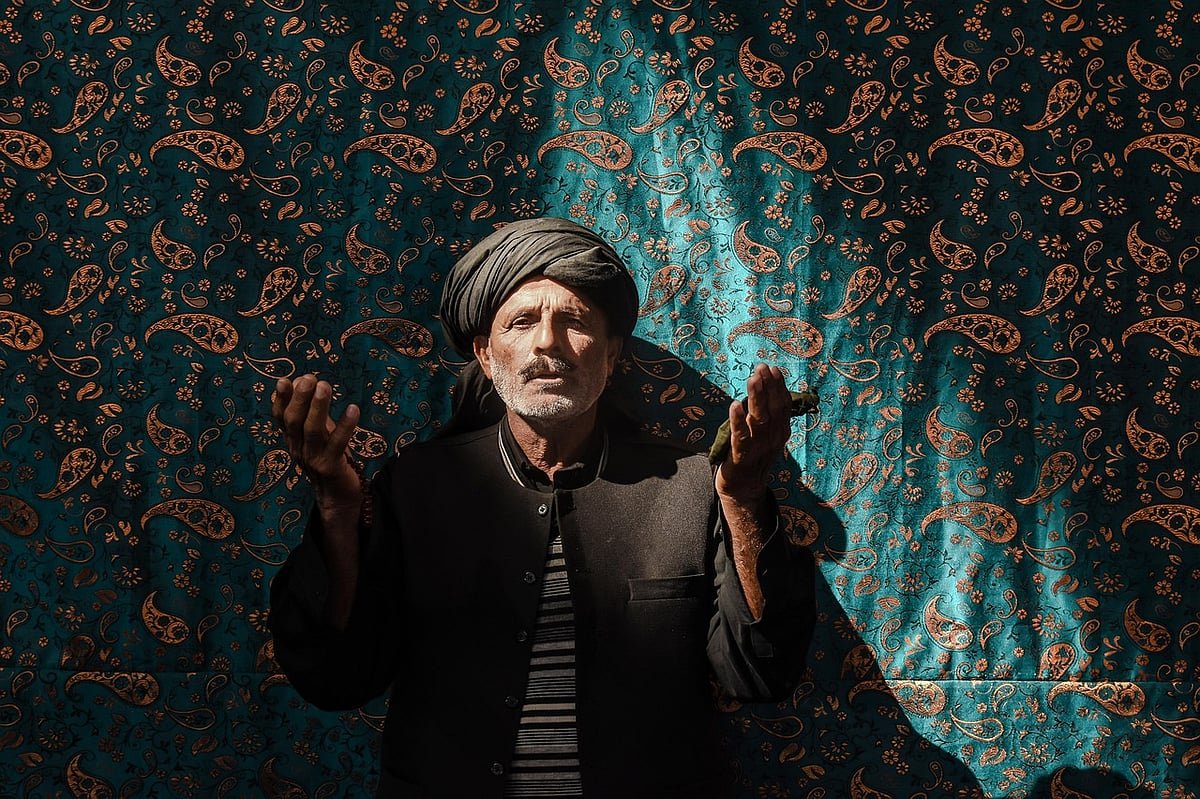
பண்டைய பாரசீகம் ‘நெருப்புக் கடவுளின் பூமி’ என்று அழைக்கப்பட்டது. அங்கு வாழ்ந்த மக்கள் ‘ஜோராஸ்ட்ரியம்’ (Zoroastrianism) என்ற மதத்தைப் பின்பற்றினர். அவர்கள் நெருப்பைத் தூய்மையின் அடையாளமாகவும், ஒளியின் கடவுளான அஹுரா மஸ்தாவின் பிரதிநிதியாகவும் வணங்கினர். பாரசீகர்கள் இயற்கையோடு இணைந்த ஒரு ஆன்மீக வாழ்வை வாழ்ந்து வந்தனர். அங்கு சசானியப் பேரரசு (Sassanid Empire) மிகவும் வலிமையுடன் ஆட்சி செய்து வந்தது.
கி.பி. 7-ஆம் நூற்றாண்டில், அரேபிய தீபகற்பத்தில் இருந்து வந்த இஸ்லாமியப் படைகள் பாரசீகத்தின் மீது படையெடுத்தன. கலீஃபா உமர் தலைமையிலான இந்தப் படையெடுப்பு, பாரசீகத்தின் தலையெழுத்தையே மாற்றியது. “அமைதித் தூதர்கள்” என்று கூறிக்கொண்டு வந்தவர்கள், அங்கிருந்த சசானிய ஆட்சியை வீழ்த்தினர். பல நூற்றாண்டுகளாகப் போற்றிப் பாதுகாக்கப்பட்ட பாரசீகக் கலாச்சாரம் பெரும் நெருக்கடிக்கு உள்ளானது.
கட்டாய மாற்றமும் கலாச்சார அழிப்பும்
பாரசீகத்தை வென்ற பிறகு, அங்கிருந்த மக்களின் பூர்வீக நம்பிக்கைகள் சிதைக்கப்பட்டன. ஜோராஸ்ட்ரியர்கள், யூதர்கள், கிறிஸ்தவர்கள், பாபிலோனியர்கள் எனப் பலதரப்பட்ட மக்கள் வாழ்ந்த அந்த மண்ணில் ‘ஏகத்துவம்’ (ஒரே கடவுள் கொள்கை) வலுக்கட்டாயமாகத் திணிக்கப்பட்டது. தங்களின் மதத்தை மாற்ற விரும்பாதவர்கள் மீது ‘ஜிஸ்யா’ வரி விதிக்கப்பட்டது அல்லது அவர்கள் கொல்லப்பட்டனர்.
முகமது பின் காசிம் போன்ற படைத்தலைவர்கள் மற்றும் அவர்களது படைகள், நெருப்பு வழிபாட்டுத் தலங்களை (Fire Temples) அழித்தனர். “உங்கள் நெருப்புக் கடவுள் எங்கே?” என்று கேட்டு மக்களின் நம்பிக்கையைக் கேலி செய்தனர். இந்த ஒடுக்குமுறையினால், ஒரு காலத்தில் செழுமையாக இருந்த பாரசீகப் பண்பாடு மெல்ல மெல்ல மறைந்து, அந்தப் பகுதி முழுமையாக இஸ்லாமிய மயமாக்கப்பட்டது. இன்று ஈரானில் நடக்கும் பல போராட்டங்களின் வேர்கள், அன்று பறிக்கப்பட்ட அந்தச் சுதந்திரத்தில்தான் இருக்கின்றன.
இந்தியா அளித்த தஞ்சம்: பார்சிகளின் வெற்றிப் பயணம்
இந்த மத ஒடுக்குமுறையிலிருந்து தப்பிக்க விரும்பிய ஒரு சிறு குழுவினர், தங்களின் புனித நெருப்பைப் பாதுகாப்பதற்காகக் கடல் வழியாகப் தப்பி ஓடினர். அவர்கள் ஏழு கப்பல்களில் ஏறி இந்தியாவின் குஜராத் கடற்கரையை அடைந்தனர். குஜராத்தின் கத்தியவார் பகுதியை ஆண்ட ஜாதி ராணா என்ற இந்து மன்னர் அவர்களுக்குத் தஞ்சம் அளித்தார். “பாலில் கரைந்த சர்க்கரையாக நாங்கள் இந்த மண்ணோடு கலப்போம்” என்று வாக்களித்த அந்தப் பாரசீகர்கள் தான் இன்று நாம் பெருமையோடு அழைக்கும் ‘பார்சிகள்’ (Parsis).
இந்தியா அந்த மக்களுக்குப் புகலிடம் கொடுத்ததால், இன்று இந்தியாவின் மிகச்சிறந்த தொழிலதிபர்கள் அந்த வம்சாவளியில் இருந்து உருவெடுத்துள்ளனர். டாடா (Tata), கோத்ரேஜ் (Godrej), வாடியா (Wadia), பூனவல்லா (Poonawalla) போன்ற குடும்பங்கள் பாரசீகத்திலிருந்து தப்பி வந்தவர்களின் வழித்தோன்றல்களே. பாரசீகத்தில் அவர்கள் ஒடுக்கப்பட்டிருக்கலாம், ஆனால் இந்தியாவின் பன்முகத்தன்மை அவர்களை உலகப் புகழ்பெற்ற சாதனையாளர்களாக மாற்றியது.
ஷியா – சுன்னி மோதலும் இன்றைய ஈரானும்
பாரசீகம் இஸ்லாமிய மயமாக்கப்பட்ட பிறகு, அது ‘ஈரான்’ என்று அழைக்கப்பட்டது. ஆனால் அங்கு அமைதி நிலவவில்லை. முகமது நபிக்குப் பிறகு யார் தலைமை ஏற்க வேண்டும் என்பதில் ஏற்பட்ட பிளவு, இஸ்லாத்தை ஷியா மற்றும் சுன்னி என இரண்டு பெரும் பிரிவுகளாகப் பிரித்தது. ஈரான் ஷியாக்களின் மையமாக மாறியது, ஈராக் மற்றும் சவுதி அரேபியா சுன்னிக்களின் ஆதிக்கத்தில் இருந்தன.
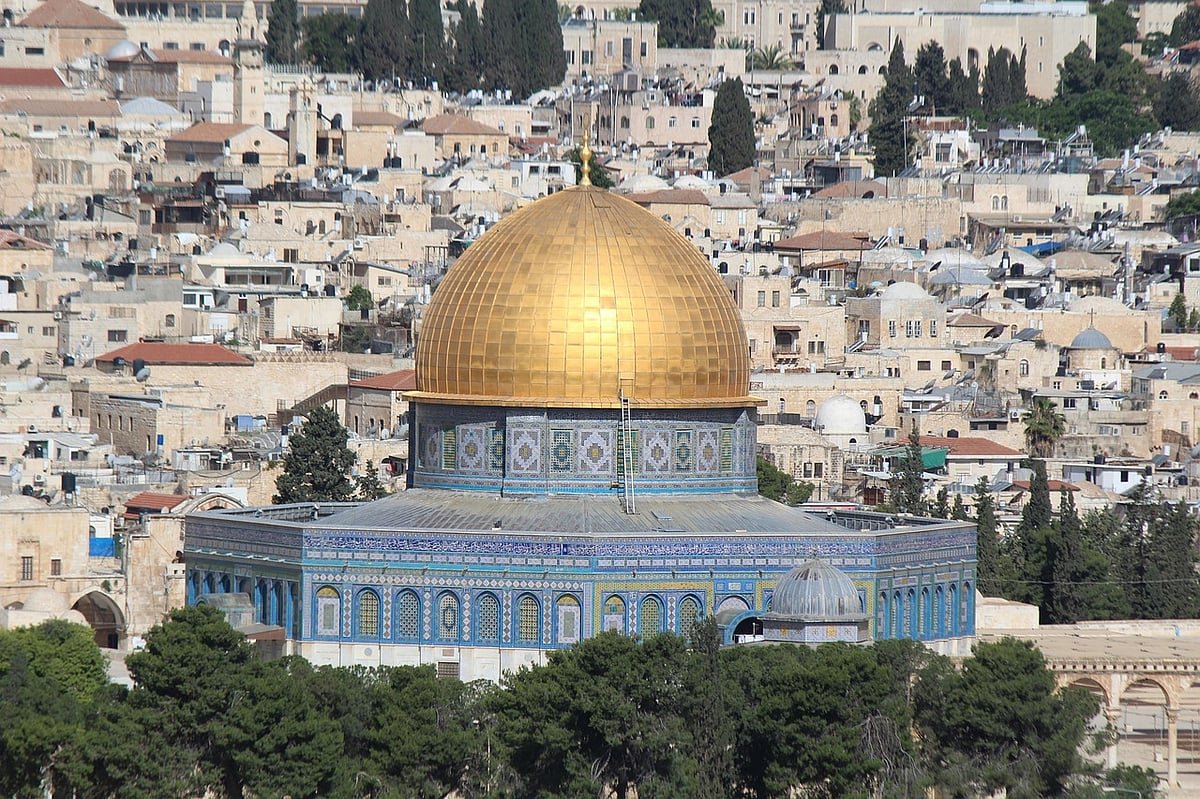
இந்த இரு பிரிவினரும் ஒரே கடவுளை வணங்கினாலும், ஒருவரை ஒருவர் எதிரிகளாகவே கருதி வருகின்றனர். ஈரானுக்கும் ஈராக்கிற்கும் இடையே நடந்த எட்டு ஆண்டுகாலப் போர் இதற்குச் சான்று. தற்காலிக அதிகாரத்திற்காகவும் மதப் பிடிவாதத்திற்காகவும் தங்களுக்குள்ளேயே குண்டு வீசிக் கொள்ளும் இவர்களால் உலக அமைதிக்கு அச்சுறுத்தல் ஏற்படுகிறது.
இன்று ஈரானில் பெண்கள் சரியான முறையில் ஆடை அணியவில்லை என்பதற்காகக் கொல்லப்படுவதும், மனித உரிமை மீறல்கள் நடப்பதும் தொடர்கதையாகிவிட்டன. ஒரு காலத்தில் பலதரப்பட்ட கலாச்சாரங்களைக் கொண்டாடிய பாரசீக மண்ணில், இன்று ஒரு குறிப்பிட்ட மதக் கொள்கையைத் திணிப்பதால் மக்கள் கொதிப்படைந்துள்ளனர்.
பன்முகத்தன்மையின் அவசியம்
எந்தவொரு நாட்டிலும் அமைதி நிலவ வேண்டுமானால், அங்கு ‘ஆன்மீக ஜனநாயகம்’ இருக்க வேண்டும். அதாவது, ஒவ்வொரு மனிதனும் தனக்குப் பிடித்தமான கடவுளையோ அல்லது கொள்கையையோ பின்பற்றும் சுதந்திரம் இருக்க வேண்டும். “நான் சொல்வதைத்தான் நீ கேட்க வேண்டும்” என்ற பிடிவாதம் எப்போதும் அழிவையே தரும்.
இந்தியா இன்றும் அமைதியாக இருப்பதற்குக் காரணம், இங்குள்ள கலாச்சாரப் பன்முகத்தன்மைதான். மாற்று மதத்தினரையும், அகதிகளையும் தழுவிக் கொள்ளும் பண்பு இந்தியாவை ஒரு வலுவான ஜனநாயக நாடாக வைத்திருக்கிறது. ஆனால், பாரசீகத்தில் அந்தப் பன்முகத்தன்மை வேரோடு பிடுங்கப்பட்டது. செயற்கையாக உருவாக்கப்பட்ட எந்தவொரு அடையாளமும் நீண்ட காலத்திற்கு நிலைக்காது என்பதற்கு இன்றைய ஈரானின் கொந்தளிப்பான நிலையே சாட்சி.
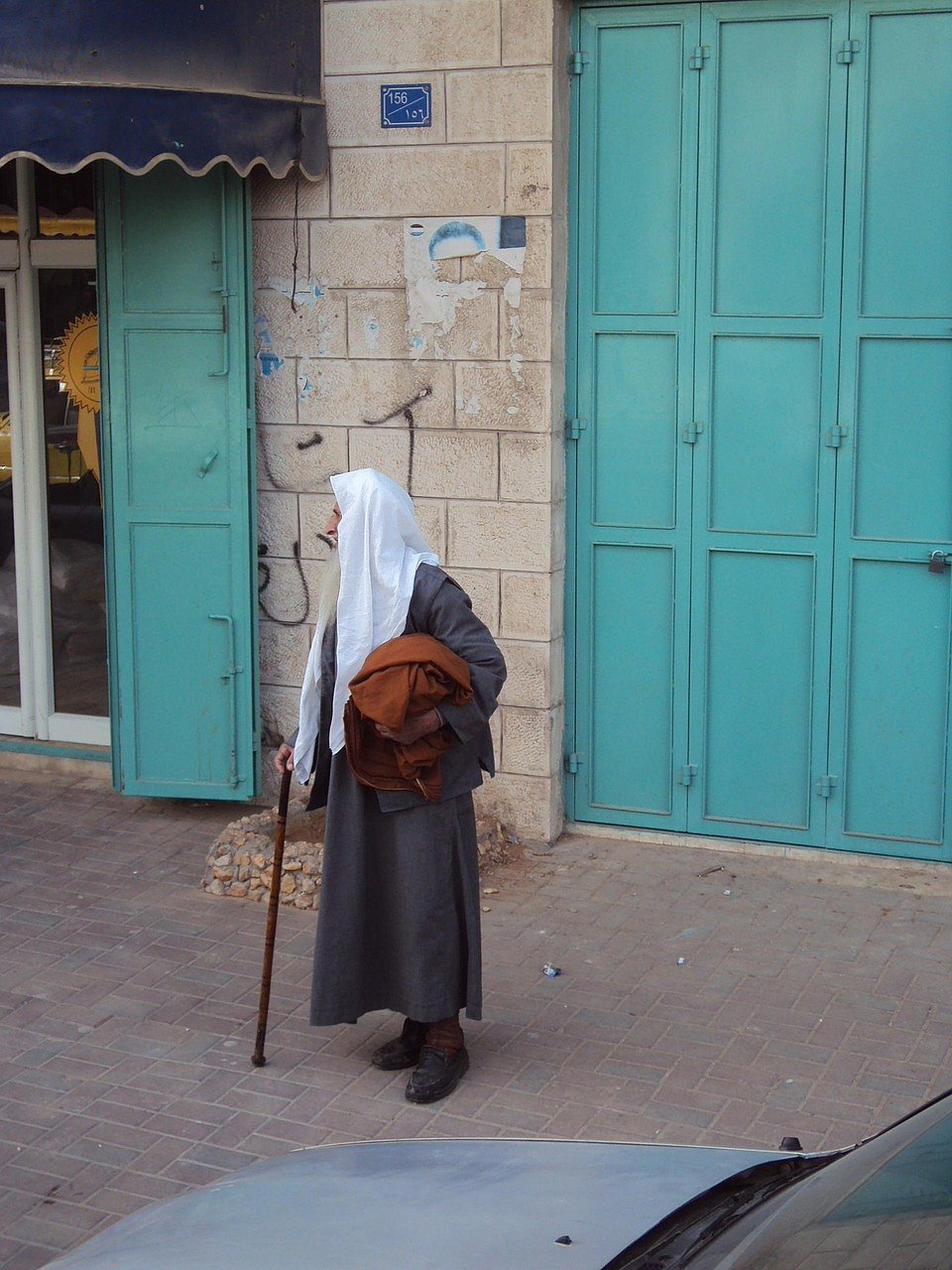
வரலாற்றை நாம் சரியாகப் புரிந்து கொள்ளாவிட்டால், நாம் மீண்டும் அதே தவறுகளைச் செய்வோம். பாரசீகம் என்பது ஒரு நாகரிகம்; ஈரான் என்பது ஒரு மதம் சார்ந்த அரசு. ஒரு நாகரிகம் மதத்திற்குள் சிறைபிடிக்கப்படும்போது, அது தனது ஆன்மாவை இழக்கிறது. அன்று பாரசீகத்திலிருந்து தப்பி வந்து இந்தியாவில் சாதனை படைக்கும் டாடா குடும்பத்தைப் பார்க்கும்போது ஒன்று புரிகிறது: சுதந்திரம் எங்கு இருக்கிறதோ, அங்குதான் வளர்ச்சி இருக்கும். ஈரானில் மீண்டும் அந்தப் பன்முகத்தன்மையும், சுதந்திரமும் மலரும் வரை அங்கு அமைதி என்பது ஒரு கனவாகவே இருக்கும்.

மூலதளம்: International
Click the link above to read the full article on the original website.