



English
The world is moving toward eco-friendly green energy that does not harm the environment. India is no exception. In particular, in the transportation sector, many new initiatives are being taken, such as electric vehicles and the use of green energy.
In this line, a new concept is now being widely discussed. That is installing solar panels on railway tracks and roads!
While it is said that this initiative has already been successful in European countries, efforts and plans for this have also begun in India. But is this project really feasible in practice? What are its pros and cons?
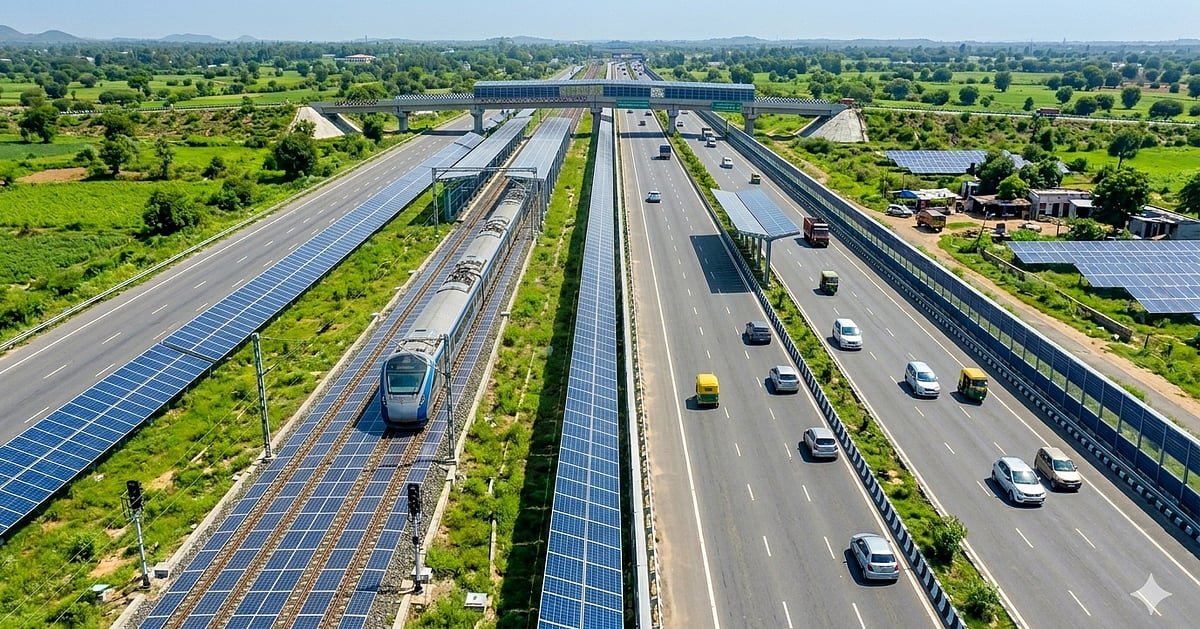
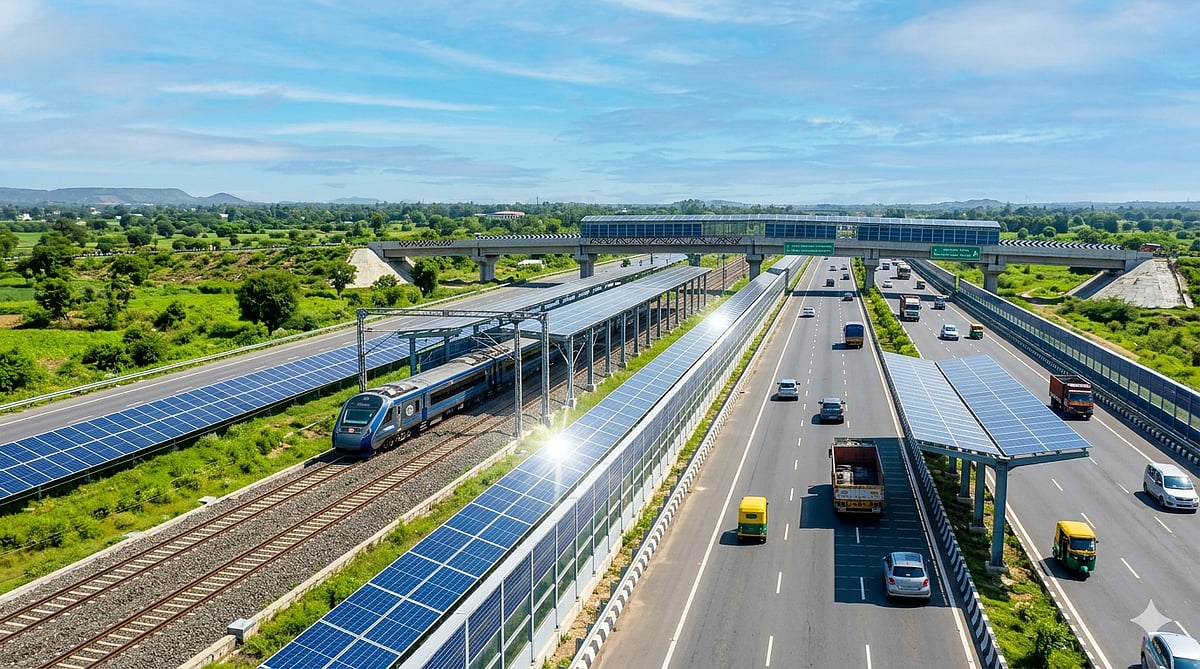
This technology is called “Rail/Road-Integrated Photovoltaics” (RIPV). Simply put, it means installing solar panels that generate electricity from sunlight directly on transportation infrastructure that is already in use, such as railway tracks and national highways. Normally, setting up a solar power plant requires acres of land. But with this RIPV method, existing spaces like the areas between railway tracks, road medians, and flyovers can be used. As a result, there is no major land acquisition problem. That is the biggest plus point of this technology!
Although this may seem new to us, European countries are already several steps ahead in this. For example, in the Netherlands, sound barriers fitted with solar panels have been installed on motorways. These generate green electricity enough for about 40 to 60 homes.
Countries like Germany and Italy are also installing solar panels on their highways. In Switzerland, solar panels are being installed between railway tracks to generate 16,000 kilowatt-hours (kWh) of electricity per year.
Following this global momentum, India has also now begun to take small steps in this direction. At the Okhla Vihar station of the Delhi Metro, India’s first vertical solar panel (50 kWp) has been installed on the flyover. What makes it special is that it uses bifacial panels, which generate electricity from both sides. Similarly, Indian Railways has also tested “solar-on-track” systems in the Namo Bharat network and at Banaras Locomotive Works in Varanasi.
The National Highways Authority of India (NHAI) also plans to install solar panels on the flyovers of the Delhi-Dehradun Expressway. These small initiatives have proven that RIPV technology is indeed feasible in the Indian context.
India’s road and railway network is vast. Our country has 140,000 km of national highways and 99,000 km of railway tracks. As freight transport and electrification increase, the electricity demand of this transportation sector will also soar. The government’s goal is to meet this demand through green energy sources. However, in our country, where land is scarce, setting up conventional solar parks is a major challenge.
This is where RIPV emerges as a solution. According to recent studies, India has the potential to generate more than 150 gigawatts (GW) of electricity in total, with around 79 gigawatts through railway corridors and 75 gigawatts through highways. Even if we use a small portion of this, it would be a milestone in achieving India’s green energy target.
Challenges and Obstacles
All right, but if the question is whether implementing this is such an easy task, the answer is “no.” Here, the challenges are less about technology and more about administration, regulations, and finance. Clearer guidelines are still needed on many matters, including design standards, safety features, maintenance procedures, and fundraising methods. Compared with conventional solar panels, the installation cost is also somewhat higher. Even so, since the cost of buying land is saved, this is still seen as an excellent option.
What next?
If this RIPV system, which is currently in pilot projects, is to be turned into a nationwide solution, government policy support is essential. The government has already successfully advanced schemes such as ‘PM Surya Ghar Muft Bijli Yojana’ (rooftop solar) and ‘PM-KUSUM’ (agricultural solar). If this project receives a similar push, RIPV will not remain merely an experimental effort, but will become a major boost to the transformation of India’s green energy and transportation sectors. !
Tanglish
sutruschuzhalukku paathippu illaatha pasumai erisakthiyai nokki ulagam nagarnthukondirukkirathu. Ithil inthiyaavum vithivilakkalla. Kurippaaga, pokkuvaraththuth thuraiyil elekdrik vaaganangal, pasumai erisakthi payanpaadu enap pala puthiya muyarchigal edukkapattu varuginrana.
Intha varisaiyil, ippothu oru puthiya kaansapt periyalavil pesappattu varugirathu. Athuthaan rayil paathaigal matrum saalaigalil solaara paenalkalai poruththuvathu!
Airoppiya naadugalil aerkkenave intha muyarchi vetri petrullathaaga koorappadum nilaiyil, inthiyaavilum itharkana muyarchith thittangal aarambikkappattullana. Aanaal, inthath thittam unmaiyileye nadaimuraikkuch saathiyamaa? Ithன் plus, minus enna?
Indath thozhilnutpaththai ‘rail/road-intagrated pothovoltayiks’ (RIPV) endru azhaikkiraargal. Simplaagach solla vendumendraal, sooriya oliyilirundhu minsaaram thayaarikkum solar paenalkalai, earkenave payanpaattil irukkum rail paathaigal, desiya nedunchaalaigal pondra pokkuvaraththu ulkattamaippugalileye poruththuvathuthaan idhu. Podhuvaaga solar min urpaththi nilaiyam amaikka eakkar kanakkil nilam thevaiyagum. Aanaal indha RIPV muraiyil, rail paathaigalukku naduve, saalaigalin thaduppugalil, maempaalangalil ena earkenave irukkum idangalai payanpaduththikkollalaam. Idhanaal, nilam kaiyagappaduththum periya sikkal illai. Idhuthaan indha teknolajiyil irukkum migapperiya plus point!
Namakku idhu pudhusagath therindhalum, European naadugal idhil pala adigal munnerivittana. Udharanamaaga, Netherlands-il motorway-il solar panels poruthappatta olith thaduppaanagal amaikkappattullana. Ivai sumaar 40 mudhal 60 veedugalukkuth thevaiyana pasumai minsaaraathai urpathi seigindrana.
Germany, Italy pondra naadugalum thangaladhu nedunchalaigalil solar panels-ai poruthi varugindrana. Switzerland-il, rayil paathaigalukku naduve solar panels-ai poruthi aandukku 16,000 kilowatt-mani (kWh) minsaaraathai urpathi seigiraargal.
intha ulagaalaviya udhvegathai pinpattri, inthiyaavilum ippothu mella adi eduthu vaikka thodangiyirukkiraargal. Delhi Metrovin Okhla Vihar nilaiyathil, mempaalathil inthiyaavin mudhal senguththu solar panel (50 kWp) niruvappattullathu. Idhan sirappu ennavendraal, ithu irupuramum minsaarathai uruvaakkum bi-facial panelgalai kondathu. Idhepol, Namo Bharat network matrum Varanasiyil ulla Banaras Locomotive Works aagiyavatrilum inthiya railways ‘solar-on-track’ amaippugalai parisaothithullathu.
Desiya Nedunchalai Aanaiyamum (NHAI) Delhi-Dehradun viraivuchaalaiyin meedpaalangalil solar paenalkalai niruvath thittamittulladhu. Indhach chinna chinna muyarchigal, Indiya soozhalilum RIPV thozhilnutpam saathiyamthaan enbadhai nirubiththullana.
Indhiyaavin saalai matrum rayilvey network miga periyadhu. nam naattil 1.4 latcham ki.mi neelaththirku desiya nedunchalaigalum, 99,000 ki.mi neelaththirku rayil paathaigalum ullana. sarakku pokkuvaraththu matrum minmayamaakkal adhikarikkumpodhu, indhap pokkuvaraththuth thuraiyin minsaara thevaiyum vinnai muttum. indha thevaiyai pasumai erisakthi moolamthaan poorththi seiya vendum enbadhu arasin ilakku. aanaal, nil pattachchaattam irukkum nam naattil, vazhakkamaana solar poongakkalai amaippadhu oru periya savaal.
Inguthaan RIPV oru theervaga uruvedukkirathu. Sameebathiya aayvugalinpadi, Indiyavil rayilvey vazhithadangal moolam sumaar 79 gigawatt (GW) matrum nedunchalaigal moolam 75 gigawatt ena moththamaaga 150 gigawattukkum adhigamaana minsarathai urpaththi seiya vaaippullathu. Ithil oru siriya paguthiyai naam payanpaduthinaalkooda, athu Indiyavin pasumai erisakthi ilakkai ettuvathil oru mailkkallaaga amaiyum.
Sikkalgalum savaalgalum
Ellaam sari, aanaal idhai seyalpaduththuvadhu avvalavu eedhaana kaariyamaa endraal, ‘illai’ enbadhudhaan badhil. Ingu thozhilnutpaththai vida, nirvaagam, vidimuraigal matrum nidhi saarndha sikkalgaldhaan adhigam. Vadivamaippu thara nilaigal, paadhugaappu amsangal, paraamarippu nadaimuraigal, nidhi thirattum vazhimuraigal enap pala vishayangalil innum thelivana vazhikaattudhalgal thevaippadugindrana. Vazhakkamaana solar paenalgalai vida, ivatrai niruvum selavum satru adhigam. Aanaalum, nilam vaangum selavu michamaavadhaal idhu oru sirandha thervaagave paarkkappadugiradhu.
Aduththu enna?
Tharpothu pailat thittangalaaga irukkum indha RIPV muraiyai naadu thazhuviya theervaga maatra vendumendraal, arasin kolgai aadharavu miga avasiyam. Earkeneve ‘Bிஎம் Soorya Kar Muft Bijli Yojana’ (koorai mel solar) matrum ‘Bிஎம்-Kusum’ (vivasaaya solar) pondra thittangalai arasu vettrikaramaaga munneduthullathu. Adhepondra oru unthuthal indha thittathirkum kidaithaal, RIPV verum pareetchaartha muyarchiyaaga illaamal, Indiyaavin pasumai erisakthi matrum pokkuvarathuth thuraiyin maatrathirkku oru periya ookkamaaga amaiyum. !
Tamil
சுற்றுச்சூழலுக்கு பாதிப்பு இல்லாத பசுமை எரிசக்தியை நோக்கி உலகம் நகர்ந்துகொண்டிருக்கிறது. இதில் இந்தியாவும் விதிவிலக்கல்ல. குறிப்பாக, போக்குவரத்துத் துறையில் எலெக்ட்ரிக் வாகனங்கள், பசுமை எரிசக்தி பயன்பாடு எனப் பல புதிய முயற்சிகள் எடுக்கப்பட்டு வருகின்றன.
இந்த வரிசையில், இப்போது ஒரு புதிய கான்செப்ட் பெரியளவில் பேசப்பட்டு வருகிறது. அதுதான் ரயில் பாதைகள் மற்றும் சாலைகளில் சோலார் பேனல்களைப் பொருத்துவது!
ஐரோப்பிய நாடுகளில் ஏற்கெனவே இந்த முயற்சி வெற்றி பெற்றுள்ளதாக கூறப்படும் நிலையில், இந்தியாவிலும் இதற்கான முயற்சித் திட்டங்கள் ஆரம்பிக்கப்பட்டுள்ளன. ஆனால், இந்தத் திட்டம் உண்மையிலேயே நடைமுறைக்குச் சாத்தியமா? இதன் ப்ளஸ், மைனஸ் என்ன?
இந்தத் தொழில்நுட்பத்தை ‘ரயில்/ரோடு-இன்டகிரேட்டட் போட்டோவோல்டாயிக்ஸ்’ (RIPV) என்று அழைக்கிறார்கள். சிம்பிளாகச் சொல்ல வேண்டுமென்றால், சூரிய ஒளியிலிருந்து மின்சாரம் தயாரிக்கும் சோலார் பேனல்களை, ஏற்கெனவே பயன்பாட்டில் இருக்கும் ரயில் பாதைகள், தேசிய நெடுஞ்சாலைகள் போன்ற போக்குவரத்து உள்கட்டமைப்புகளிலேயே பொருத்துவதுதான் இது. பொதுவாக சோலார் மின் உற்பத்தி நிலையம் அமைக்க ஏக்கர் கணக்கில் நிலம் தேவைப்படும். ஆனால் இந்த RIPV முறையில், ரயில் பாதைகளுக்கு நடுவே, சாலைகளின் தடுப்புகளில், மேம்பாலங்களில் என ஏற்கெனவே இருக்கும் இடங்களைப் பயன்படுத்திக்கொள்ளலாம். இதனால், நிலம் கையகப்படுத்தும் பெரிய சிக்கல் இல்லை. இதுதான் இந்த டெக்னாலஜியில் இருக்கும் மிகப்பெரிய ப்ளஸ் பாயின்ட்!
நமக்கு இது புதுசாகத் தெரிந்தாலும், ஐரோப்பிய நாடுகள் இதில் பல அடிகள் முன்னேறிவிட்டன. உதாரணமாக, நெதர்லாந்தில் மோட்டார்வேயில் சோலார் பேனல்கள் பொருத்தப்பட்ட ஒலித் தடுப்பான்கள் அமைக்கப்பட்டுள்ளன. இவை சுமார் 40 முதல் 60 வீடுகளுக்குத் தேவையான பசுமை மின்சாரத்தை உற்பத்தி செய்கின்றன.
ஜெர்மனி, இத்தாலி போன்ற நாடுகளும் தங்களது நெடுஞ்சாலைகளில் சோலார் பேனல்களைப் பொருத்தி வருகின்றன. சுவிட்சர்லாந்தில், ரயில் பாதைகளுக்கு நடுவே சோலார் பேனல்களைப் பொருத்தி ஆண்டுக்கு 16,000 கிலோவாட்-மணி (kWh) மின்சாரத்தை உற்பத்தி செய்கிறார்கள்.
இந்த உலகளாவிய உத்வேகத்தைப் பின்பற்றி, இந்தியாவிலும் இப்போது மெல்ல அடி எடுத்து வைக்கத் தொடங்கியிருக்கிறார்கள். டெல்லி மெட்ரோவின் ஓக்லா விஹார் நிலையத்தில், மேம்பாலத்தில் இந்தியாவின் முதல் செங்குத்து சோலார் பேனல் (50 kWp) நிறுவப்பட்டுள்ளது. இதன் சிறப்பு என்னவென்றால், இது இருபுறமும் மின்சாரத்தை உருவாக்கும் பைஃபேஷியல் பேனல்களைக் கொண்டது. இதேபோல, நமோ பாரத் நெட்வொர்க் மற்றும் வாரணாசியில் உள்ள பனாரஸ் லோகோமோட்டிவ் வொர்க்ஸ் ஆகியவற்றிலும் இந்திய ரயில்வே ‘சோலார்-ஆன்-ட்ராக்’ அமைப்புகளைப் பரிசோதித்துள்ளது.
தேசிய நெடுஞ்சாலை ஆணையமும் (NHAI) டெல்லி-டேராடூன் விரைவுச்சாலையின் மேம்பாலங்களில் சோலார் பேனல்களை நிறுவத் திட்டமிட்டுள்ளது. இந்தச் சின்ன சின்ன முயற்சிகள், இந்திய சூழலிலும் RIPV தொழில்நுட்பம் சாத்தியம்தான் என்பதை நிரூபித்துள்ளன.
இந்தியாவின் சாலை மற்றும் ரயில்வே நெட்வொர்க் மிகப் பெரியது. நம் நாட்டில் 1.4 லட்சம் கி.மீ நீளத்திற்கு தேசிய நெடுஞ்சாலைகளும், 99,000 கி.மீ நீளத்திற்கு ரயில் பாதைகளும் உள்ளன. சரக்கு போக்குவரத்து மற்றும் மின்மயமாக்கல் அதிகரிக்கும்போது, இந்தப் போக்குவரத்துத் துறையின் மின்சாரத் தேவையும் விண்ணை முட்டும். இந்தத் தேவையை பசுமை எரிசக்தி மூலம்தான் பூர்த்தி செய்ய வேண்டும் என்பது அரசின் இலக்கு. ஆனால், நிலப் பற்றாக்குறை இருக்கும் நம் நாட்டில், வழக்கமான சோலார் பூங்காக்களை அமைப்பது ஒரு பெரிய சவால்.
இங்குதான் RIPV ஒரு தீர்வாக உருவெடுக்கிறது. சமீபத்திய ஆய்வுகளின்படி, இந்தியாவில் ரயில்வே வழித்தடங்கள் மூலம் சுமார் 79 ஜிகாவாட் (GW) மற்றும் நெடுஞ்சாலைகள் மூலம் 75 ஜிகாவாட் என மொத்தமாக 150 ஜிகாவாட்டுக்கும் அதிகமான மின்சாரத்தை உற்பத்தி செய்ய வாய்ப்புள்ளது. இதில் ஒரு சிறிய பகுதியை நாம் பயன்படுத்தினால்கூட, அது இந்தியாவின் பசுமை எரிசக்தி இலக்கை எட்டுவதில் ஒரு மைல்கல்லாக அமையும்.
சிக்கல்களும் சவால்களும்
எல்லாம் சரி, ஆனால் இதை செயல்படுத்துவது அவ்வளவு எளிதான காரியமா என்றால், ‘இல்லை’ என்பதுதான் பதில். இங்கு தொழில்நுட்பத்தை விட, நிர்வாகம், விதிமுறைகள் மற்றும் நிதி சார்ந்த சிக்கல்கள்தான் அதிகம். வடிவமைப்புத் தரநிலைகள், பாதுகாப்பு அம்சங்கள், பராமரிப்பு நடைமுறைகள், நிதி திரட்டும் வழிமுறைகள் எனப் பல விஷயங்களில் இன்னும் தெளிவான வழிகாட்டுதல்கள் தேவைப்படுகின்றன. வழக்கமான சோலார் பேனல்களை விட, இவற்றை நிறுவும் செலவும் சற்று அதிகம். ஆனாலும், நிலம் வாங்கும் செலவு மிச்சமாவதால் இது ஒரு சிறந்த தேர்வாகவே பார்க்கப்படுகிறது.
அடுத்து என்ன?
தற்போது பைலட் திட்டங்களாக இருக்கும் இந்த RIPV முறையை நாடு தழுவிய தீர்வாக மாற்ற வேண்டுமென்றால், அரசின் கொள்கை ஆதரவு மிக அவசியம். ஏற்கெனவே ‘பிஎம் சூர்யா கர் முஃப்த் பிஜ்லி யோஜனா’ (கூரை மேல் சோலார்) மற்றும் ‘பிஎம்-குசும்’ (விவசாய சோலார்) போன்ற திட்டங்களை அரசு வெற்றிகரமாக முன்னெடுத்துள்ளது. அதேபோன்ற ஒரு உந்துதல் இந்தத் திட்டத்திற்கும் கிடைத்தால், RIPV வெறும் பரீட்சார்த்த முயற்சியாக இல்லாமல், இந்தியாவின் பசுமை எரிசக்தி மற்றும் போக்குவரத்துத் துறையின் மாற்றத்திற்கு ஒரு பெரிய ஊக்கமாக அமையும். !
மூலதளம்: India News
Click the link above to read the full article on the original website.