China has a distinct position in the global polysilicon market.
Polysilicon is widely used in the manufacture of semiconductors and solar panels.
As a check on this, the United States has introduced a new measure.
Under the new measure, the U.S. government has imposed a 15 percent tariff and set a minimum import price for products made from polysilicon.
Why this measure?
The White House has said that this new measure is intended to increase domestic production of the key raw materials needed for the country’s semiconductor, artificial intelligence (AI), and clean energy industries... to strengthen them.
This new tariff and price will come into effect from December 4.
At present, semiconductors, AI, solar, and similar technologies are gaining importance worldwide.
At this time, we should not depend on foreign countries for the raw materials needed for them. Instead, their production should be increased within the United States itself.
The U.S. government's idea is that if that happens, it will be a huge help to America's economy and national security needs.
What is polysilicon?
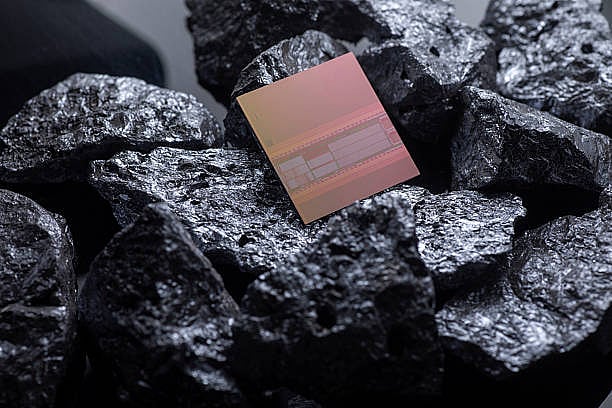
Polysilicon is a highly pure form of silicon.
It serves as a very early-stage raw material in the supply chains of both semiconductor and solar manufacturing.
It is converted into 'wafers' used to manufacture computer chips and solar cells, and then assembled into solar panels.
What is the pressure on China?
Currently, China is at the top globally in polysilicon production. China also exports a significant amount of polysilicon to the United States.
12 percent of the semiconductor chips supplied to countries around the world come from the United States. Polysilicon is definitely needed for this production.
Rather than importing a product by paying a high price and tax, American companies may think that they can produce it themselves.
As a result, the tariffs and prices imposed by the United States will become a burden for China.