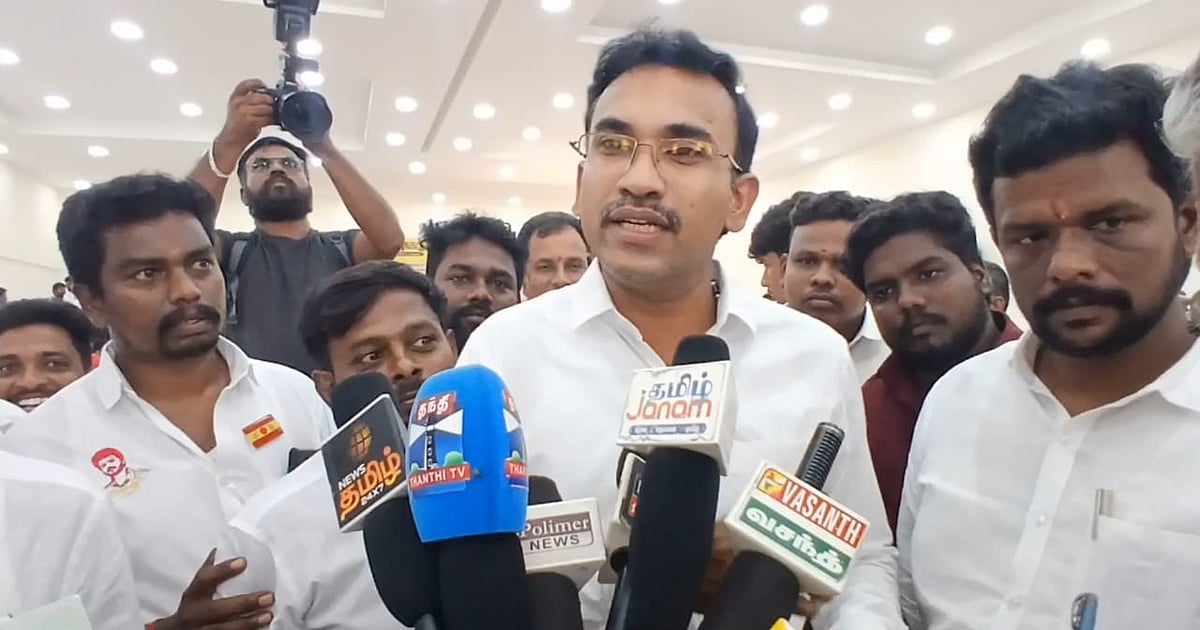
Minister Arunraj, who attended a seminar in Chennai, met the press and spoke. At that time, he said, “In Tamil Nadu, more than 99 percent of deliveries take place in hospitals. Only a very small number of births are attended at home. Compared with the national level, the maternal mortality rate in Tamil Nadu is very low. Nevertheless, the government continues to take efforts to reduce it further. In the 2017-18 year, the proportion of deliveries taking place in government hospitals was 65.8 percent, whereas now it has decreased to 51 percent.

When poor and middle-class families turn to private hospitals, their expenses increase. It is with this in mind that schemes such as the 'Thaimaman Thanga Modhiram' have been introduced. A study will be conducted into the reasons for the decline in delivery rates in government hospitals. Although the initial reasons cited include free deliveries being provided in private medical colleges and the extension of the Muthulakshmi Reddy scholarship to private hospitals as well, steps will be taken to further improve adequate infrastructure and the appointment of doctors and nurses, and to raise confidence in government hospitals.
In Tamil Nadu, the average birth rate per couple must be 2.1 for the current population to remain stable. However, according to studies, this rate has fallen below 1.4 in Tamil Nadu. As a result, the number of people over 60 has risen to 16 percent, and the state’s population is moving toward an aging trend. This could become a major public health challenge in the future. Policy-level decisions necessary to maintain a steady birth rate and increase human resources will be considered in the future.

Continuing to implement good schemes introduced by one government is a matter of policy continuity. The reservation system introduced during the Justice Party era and the noon-meal schemes brought in by Kamaraj have been continued by successive governments. Rather than changing the name, what matters is that such schemes reach the people fully, without corruption and without any decline in quality.
The MBBS merit list in Tamil Nadu will be released soon, and the counseling schedule is also set to be announced. During the previous administration, three private medical colleges were granted deemed university status, which affected the government quota and the 7.5% special reservation for government school students. This will be discussed in the Legislative Assembly. However, due to the current government's intensive efforts, after inspections by the National Medical Commission (NMC), 150 additional MBBS seats have been newly secured this year in three government hospitals, with 50 seats each.
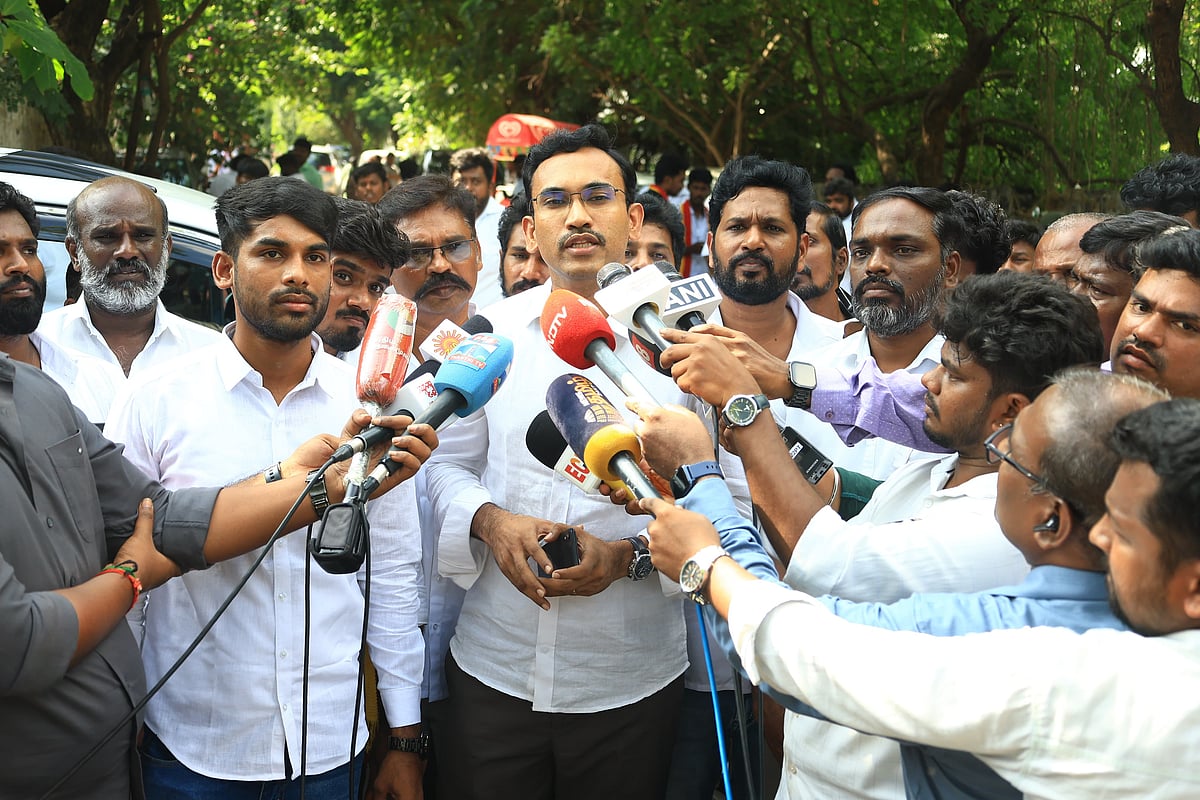
An initial inquiry was conducted into complaints that some private medical colleges were charging additional fees beyond 4.5 years. However, a new inquiry committee has been formed again to gather sufficient evidence. Once the committee’s report is received, strict action will be taken without any compromise against private medical colleges that collected excess fees. New announcements related to the medical department will be made during the grant demand session."