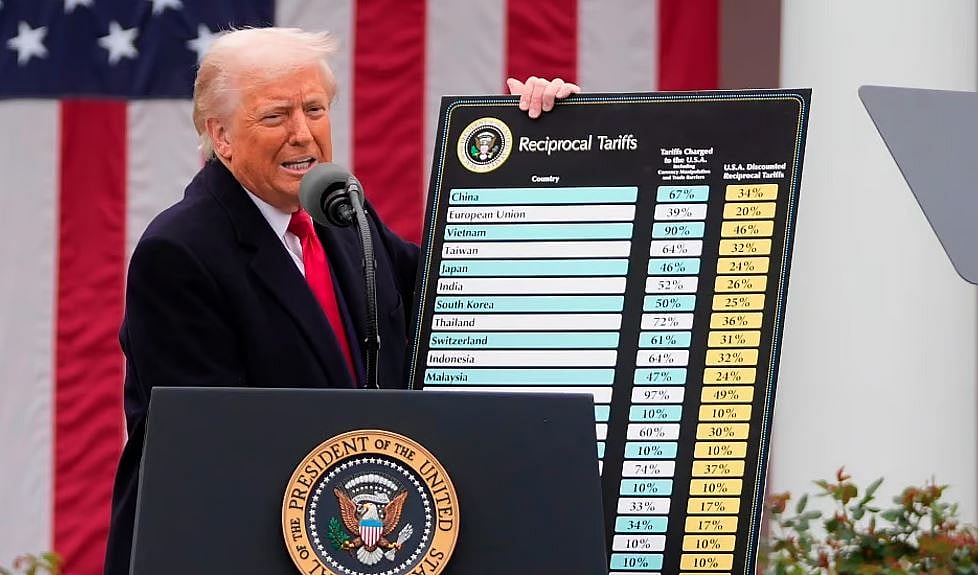
28 states have filed a lawsuit against the Trump administration, which imposed new tariffs on 58 countries.
25 U.S. states have filed a lawsuit against the Trump administration, which imposed new tariffs in place of the import tariffs that were struck down by the Supreme Court last February.
Last month, the United States imposed tariffs of more than 10% on 59 countries, including the European Union. After the U.S. Supreme Court struck down the previously imposed tariffs, the new tariffs came into effect once the deadline for them expired.
In protest against this, a lawsuit has been filed against the Trump administration on behalf of 25 states. New York State Attorney General Letitia James had said that the U.S. government was illegally raising tariffs.
In this case, along with New York, the states of Arizona, California, Colorado, Connecticut, Delaware, Hawaii, Illinois, Kentucky, Massachusetts, Maryland, Maine, Michigan, Minnesota, Nevada, New Jersey, New Mexico, North Carolina, Oregon, Pennsylvania, Rhode Island, Virginia, Vermont, Washington, and Wisconsin have jointly filed the lawsuit.
Trump, who says higher tariffs will revive American manufacturing, last year reversed a long-standing U.S. policy that supported free trade through low tariffs.
Arguing that America’s long-term trade deficit amounted to a national emergency, he used the International Emergency Economic Powers Act of 1977 to impose double-digit tariffs on imports from nearly all countries. But the Supreme Court ruled that the law in question did not authorize the imposition of tariffs.
This forced the U.S. administration to refund the taxes to the countries that had paid them. To make up for the lost revenue, Trump imposed a 10% temporary tariff on countries around the world. But those expired on July 24.
In this situation, Trump is implementing more permanent tariffs under Section 301 of the Trade Act of 1974. This law gives the U.S. president the authority to impose import tariffs and other restrictions against countries engaged in unfair trade practices.
During his first term in office, Trump used this section to impose tariffs on Chinese imports. That move withstood legal challenges.