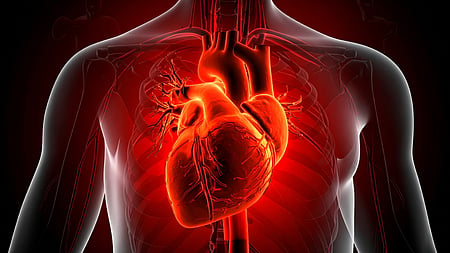
The results of a recent study on heart attacks and heart disease have been published in the journal 'European Heart Journal'.
It has revealed some notable findings.
1. Micro and nano plastic particles are found in greater amounts in the blood vessels of people who have had a heart attack.
2. The study found that the blood vessels of people who had a heart attack and recovered contain much higher amounts of tiny plastic particles than those of heart disease patients who have not had a heart attack and those with normal blood vessels.
3. This study, conducted on around 61 patients, highlights that environmental pollution may affect heart health.
4. Micro and nano plastic particles have been detected in the blood vessels of 84% of people who have suffered and recovered from a heart attack.
5. Micro and nano plastics have been detected in 40% of patients affected by ischemic heart disease (a lack of blood flow or oxygen to an organ or tissue) and in 32% of patients with normal coronary arteries.
6. Various types of plastics were found in high amounts in the blood of heart attack patients. The most common type among them was polyethylene, a type of plastic. It is commonly used in packaging and consumer products.
7. Similarly, patients who had lived for a long time in areas with high air pollution were more likely to have microplastics in their blood.
8. In addition, smokers were six times more likely to have microplastics in their blood.
9. Furthermore, only 12.5% of patients who did not smoke and were not exposed to high air pollution had plastic in their blood vessels.
10. Although these findings did not show that plastic particles trigger heart attacks, this study has raised concerns that air pollution may be associated with heart disease through inflammation, lung damage, and damage to blood vessels.