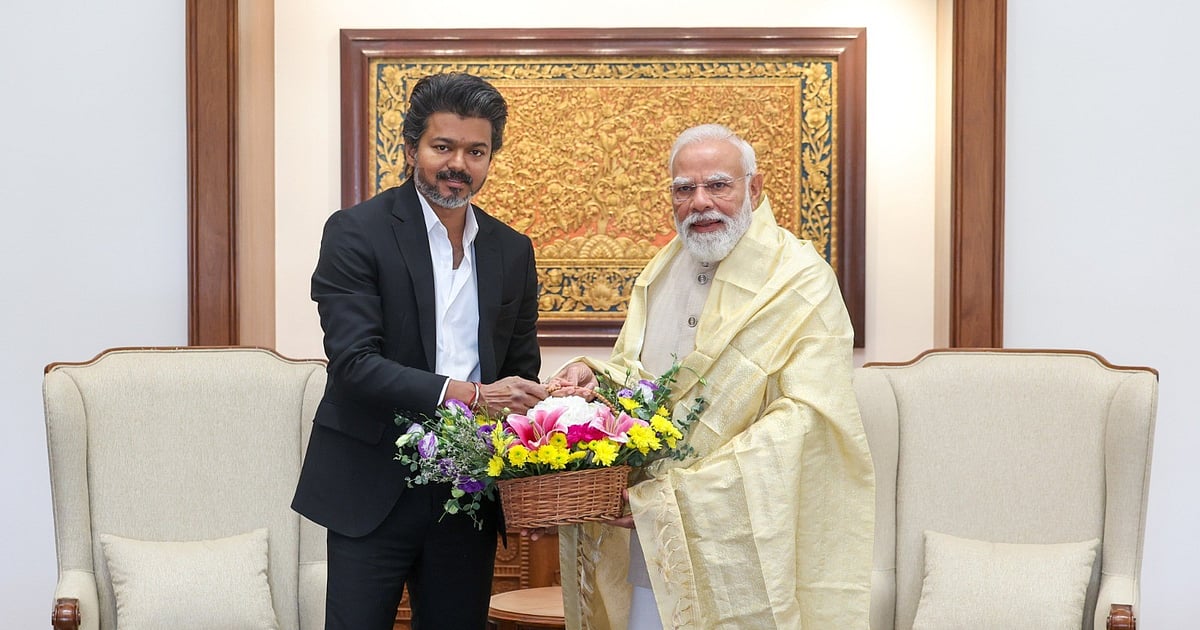
Tamil Nadu Chief Minister Joseph Vijay has written a letter to Prime Minister Narendra Modi urging the speedy implementation of the Godavari - Cauvery - Gundaru interlinking project.
In that letter, Vijay wrote...
Why is the Godavari - Cauvery - Gundaru interlinking project important?
"The state of Tamil Nadu is naturally deficient in surface water resources and depends on neighboring states for more than 30 percent of its water needs.
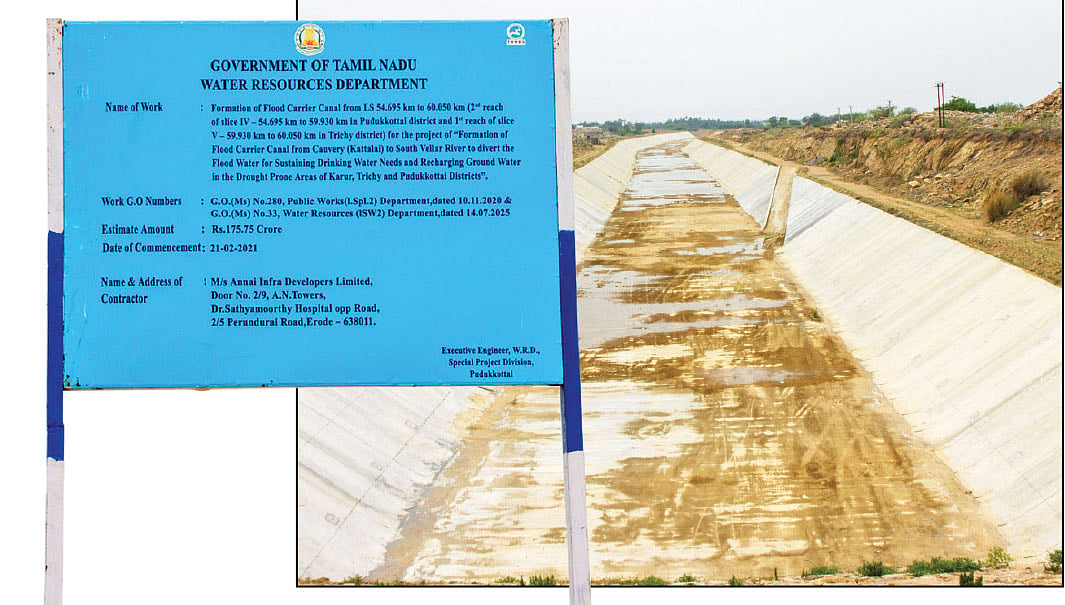
Despite continuous regulatory and safety measures being undertaken by the state government, groundwater resources continue to be used to the extent that they have reached a worrying stage, and in many areas they are still being over-extracted.
The Godavari-Cauvery-Gundaru interlinking project stands as the most important long-term opportunity to increase Tamil Nadu's surface water resources.
This project is highly important for meeting the increasing drinking water and irrigation needs of the people of Tamil Nadu.
Preparation of the Detailed Project Report
Moreover, in Tamil Nadu, especially the southern districts of Pudukkottai, Sivaganga, Ramanathapuram, and Virudhunagar, continue to face severe water scarcity and are highly vulnerable to drought.
To meet the increasing water needs of the districts, implementing the Godavari - Cauvery-Vaigai-Gundaru interlinking project is essential as the best permanent solution. This project would make it possible to divert surplus floodwater to water-scarce areas.
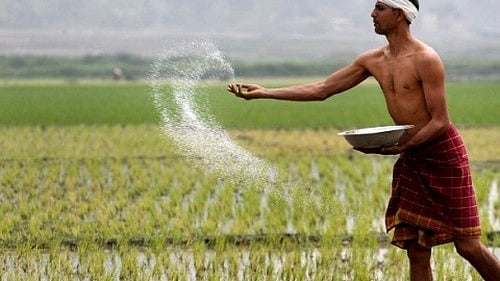
As the first phase of this major project, the NWDA has prepared the Detailed Project Report (DPR) for the Godavari - Pennar, Palar, Vellar link project.
Although this project would benefit the states of Telangana, Andhra Pradesh, Karnataka, and Tamil Nadu, the alignment route in the Detailed Project Report prepared at present ends a few kilometers before the Cauvery River; therefore, instead, please take up on a priority basis the Godavari-Cauvery-Gundaru river linking project, which is of national importance.
Project of national importance - status needed
Therefore, keeping the national interest in mind, I am firmly confident that this project can be implemented by resolving inter-state differences through constructive dialogue and the spirit of cooperative federalism.
Considering the importance of this project and its socio-economic benefits, he has also requested that the Godavari - Cauvery - Gundaru link project be fast-tracked and granted the status of a "project of national importance."
The Hon’ble Chief Minister of Tamil Nadu has also stated in his letter that the creation of a dedicated 'Special Purpose Vehicle' with the participation of the Union Government and the beneficiary states may also be considered, for the purpose of coordinated implementation, assured financial allocation, and completing the project within the stipulated time.
Implementing this project expeditiously will greatly benefit the people and farmers of the states of Tamil Nadu, Telangana, Andhra Pradesh, and Karnataka. The Government of Tamil Nadu is ready to extend all cooperation with full commitment necessary for the swift and successful implementation of this project, which is of national importance.
Therefore, the Hon’ble Prime Minister of India has been urged to issue the following directions to the Union Ministry of Jal Shakti and the National Water Development Agency (NWDA).
1. Expedite the relevant consultations with the beneficiary states and reach an early agreement on the pending issues;
2. Finalize the Detailed Project Report (DPR) for extending this link up to the Kattalai barrage across the Cauvery River;
3. Give priority to this project and take steps to implement it quickly as a project of major importance (Track Method); and
4. Consider establishing a special-purpose entity to implement this project in an integrated manner and within a specified timeframe, and declare this project a project of national importance.
With regard to this project, the Hon’ble Prime Minister of India has given personal attention and has made a significant contribution toward meeting the long-term water needs of water-scarce regions of South India and advancing the national goal of equitable and sustainable use of our abundant water resources."