Politics 2 min readAugust 7, 2026

‘Creamy layer’ criterion does not apply to SC and ST categories: Central government informs Supreme Court

‘Creamy layer’ criterion does not apply to SC and ST categories: Central government informs Supreme Court

👶 Discover Authentic Tamil Baby Names

5,000+ pure Sangam names with audio pronunciation & numerology.

Search Name Finder 🔊

English

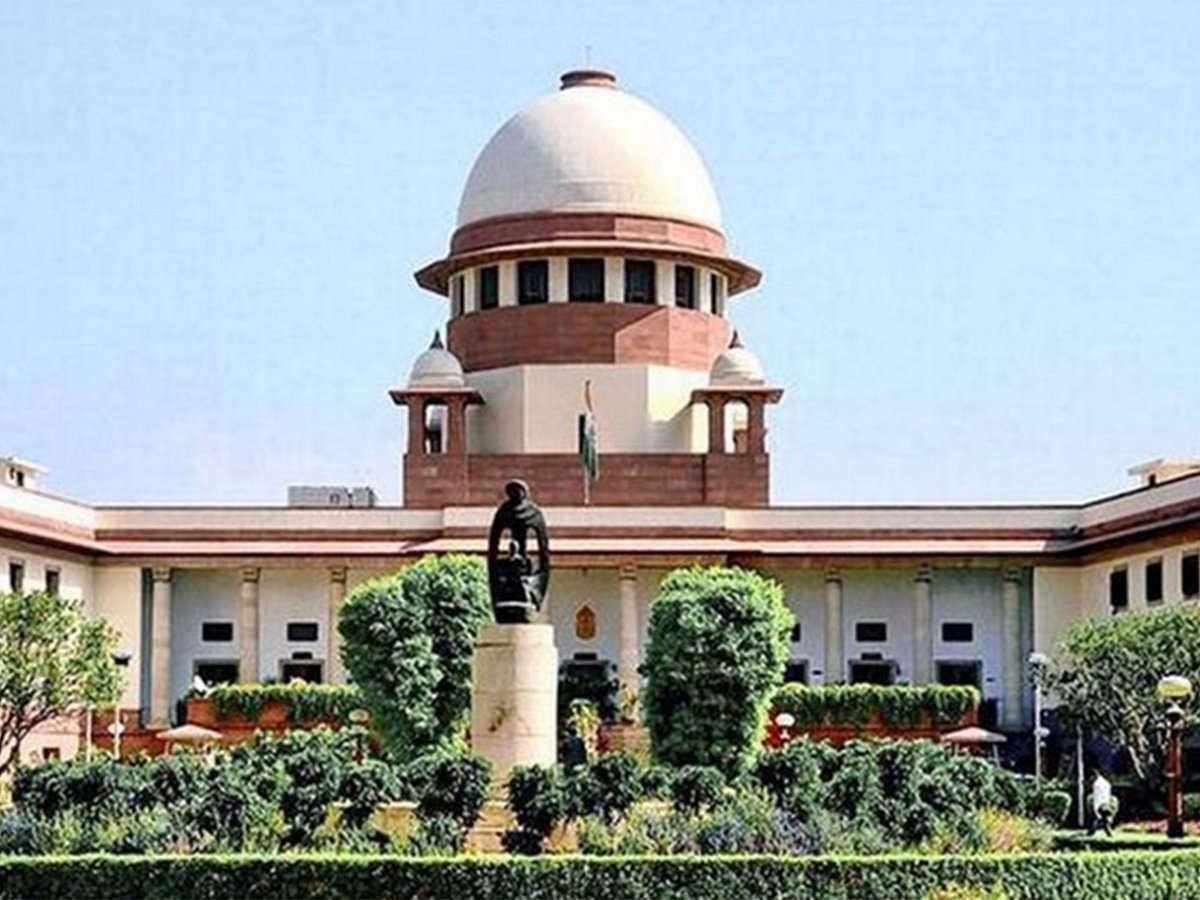
“The ‘creamy layer’ system does not apply to reservation for Scheduled Castes (SC) and Scheduled Tribes (ST),” the central government stated before the Supreme Court.

The ‘creamy layer’ system is followed among Other Backward Classes. The term ‘creamy layer’ refers to those who are socially and economically advanced within these groups. In other words, it refers to those whose family’s annual income is above the prescribed limit (currently above Rs. 8 lakh). They are not entitled to reservation benefits in government education and employment.

In the Indra Sawhney case of 1992 (the Mandal Commission case), the Supreme Court upheld 27 percent reservation for backward classes. At the same time, it introduced an important rule that the well-off or economically advanced among the backward classes (the creamy layer) should be excluded from reservation benefits.

Similarly, a petition was filed in the Supreme Court urging that a creamy layer system be introduced even among the SC and ST categories, so that economically advanced people in these groups would be excluded from the benefits of government reservation.

In this case, the Central Government filed a counter-affidavit on Thursday. It stated:

In the reservation for SC and ST communities, the petitioners have not cited any fundamental rights under the Constitution.

Moreover, the ‘creamy layer’ principle applies to reservations for Other Backward Classes. It does not apply to SC and ST communities. This has also been clarified by the Supreme Court Constitution Bench in the case between Ashoka Kumar Thakur and the Central Government.

Moreover, such amendments to the reservation policy, particularly the introduction of income-based preferences, should be made only after a comprehensive study, including the socio-economic data of the beneficiaries. Furthermore, since this falls outside the jurisdiction of the judiciary, no order can be issued to the executive to frame a specific policy in this regard.

Therefore, the Central Government stated that petitions seeking the introduction of the ‘creamy layer’ system in the SC and ST categories should be dismissed.

Tanglish

‘Pattiyilanaththavar (Es.Si.) matrum Pazhangudiyinar (Es.Ti.) pirivinarkkaana idothukkeettil ‘Kreemi Leyar’ nadaimurai porunthaathu’ endru uchchanithimandratthil maththiya arasu tharappil therivikkappattathu.

Ithara pirpaduththappatta pirivinarinil ‘Kreemi Leyar’ nadaimurai pin்பற்றappadugirathu. Inthap pirivinarinil samuga - porulaathaara reethiyil munneraiyavargalai ‘Kreemi Leyar’ sotrthodar kurikkirathu. Athaavathu, kudumba aandu varumaanam niirnayikkappatta varambukku mel (tharpothu Ru. 8 latchaththukku mel) iruppavargalaik kurippathaagum. Ivargalukku arasu kalvi matrum velaivaayppugalil idothukkeedu palangal kidaikkaathu.

1992-ஆம் ஆண்டு இந்திரா சாஹனி வழக்கில் (மண்டல் கமிஷன் வழக்கு) உச்ச நீதிமன்றம் பிற்படுத்தப்பட்ட வகுப்பினருக்கான 27 சதவீத இடஒதுக்கீட்டை உறுதி செய்தது. அதே நேரம், வசதி படைத்த அல்லது பொருளாதாரத்தில் உயா்ந்த நிலையில் உள்ள பிற்படுத்தப்பட்ட பிரிவினரை (க்ரீமி லேயா் ) இடஒதுக்கீட்டுப் பயன்களிலிருந்து விலக்க வேண்டும் என்ற முக்கிய விதியை அறிமுகப்படுத்தியது.

இதுபோல, எஸ்.சி., எஸ்.டி. பிரிவினரில் பொருளாதாரத்தில் முன்னேரியவா்களை அரசு இடஒதுக்கீட்டுப் பலன்களிலிருந்து விலக்கும் வகையில், இந்தப் பிரிவுகளிலும் ‘க்ரீமி லேயா்’ நடைமுறையை அறிமுகப்படுத்த வலியுறுத்தி உச்சநீதிமன்றத்தில் மனு தாக்கல் செய்யப்பட்டது.

Indha vazhakkil madhya arasu tharappil viyaazhakizhamai badhil manu thaakkal seiyappattadhu. Adhil kooriyiruppadhu:

Es.si., Es.di. pirivinarkkaana idothukkeettil kurippitta arasamaippuch sattathin keezhaana adippadai urimaigal edhaiyum manuthaarargal kurippavillai.

Melum, ‘Kreemi Leyar’ nadaimurai enbadhu, idhar pirpaduththappatta pirivinarkkaana idothukkeettukkaanadhaagum. Es.si., Es.di. pirivinarkku andha nadaimurai porundhaadhu. Idhai, Asokaa Kumaar Thaakkur matrum madhya arasukku idaiyaana vazhakkil uchaneethimanra arasiyal saasana amaivum thelivupaduththiyulladhu.

Athumattuminri, idaothukkeedu kolgaiyil merkollappadum ithupolbona thiruththangal, kurippaaga, varumaanam adippadaiyilaana munnurimaigalai arimugappaduththuvathu, payanaligalin samuga-porulaadhaara thavavugal ullitta muzhumaiyaana aayvukkup piragey merkollappada vendum. Melum, ithu neethith thuraiyin adhigara varambukku appaarpattathu enbathaal, ithuthodarpana kurippitta kolgaiyai vagukkumaru arasu nirvaagaththukku endha uththaravum pirappikka mudiyathu.

Enave, Esi., Es.Di. pirivilum ‘Kreemi Leyar’ nadaimuraiyai arimugappaduththak korum manukkalai thallupadi seyyavendum endru mathiya arasu kurippittathu.

Tamil

‘பட்டியிலனத்தவா் (எஸ்.சி.) மற்றும் பழங்குடியினா் (எஸ்.டி.) பிரிவினருக்கான இடஒதுக்கீட்டில் ‘க்ரீமி லேயா்’ நடைமுறை பொருந்தாது’ என்று உச்சநீதிமன்றத்தில் மத்திய அரசு தரப்பில் தெரிவிக்கப்பட்டது.

இதர பிற்படுத்தப்பட்ட பிரிவினரில் ‘க்ரீமி லேயா்’ நடைமுறை பின்பற்றப்படுகிறது. இந்தப் பிரிவினரில் சமூக - பொருளாதார ரீதியில் முன்னேறியவா்களை ‘க்ரீமி லேயா்’ சொற்றொடா் குறிக்கிறது. அதாவது, குடும்ப ஆண்டு வருமானம் நிா்ணயிக்கப்பட்ட வரம்புக்கு மேல் (தற்போது ரூ. 8 லட்சத்துக்கு மேல்) இருப்பவா்களைக் குறிப்பதாகும். இவா்களுக்கு அரசு கல்வி மற்றும் வேலைவாய்ப்புகளில் இடஒதுக்கீடு பலன்கள் கிடைக்காது.

1992-ஆம் ஆண்டு இந்திரா சாஹனி வழக்கில் (மண்டல் கமிஷன் வழக்கு) உச்ச நீதிமன்றம் பிற்படுத்தப்பட்ட வகுப்பினருக்கான 27 சதவீத இடஒதுக்கீட்டை உறுதி செய்தது. அதே நேரம், வசதி படைத்த அல்லது பொருளாதாரத்தில் உயா்ந்த நிலையில் உள்ள பிற்படுத்தப்பட்ட பிரிவினரை (க்ரீமி லேயா் ) இடஒதுக்கீட்டுப் பயன்களிலிருந்து விலக்க வேண்டும் என்ற முக்கிய விதியை அறிமுகப்படுத்தியது.

இதுபோல, எஸ்.சி., எஸ்.டி. பிரிவினரில் பொருளாதாரத்தில் முன்னேரியவா்களை அரசு இடஒதுக்கீட்டுப் பலன்களிலிருந்து விலக்கும் வகையில், இந்தப் பிரிவுகளிலும் ‘க்ரீமி லேயா்’ நடைமுறையை அறிமுகப்படுத்த வலியுறுத்தி உச்சநீதிமன்றத்தில் மனு தாக்கல் செய்யப்பட்டது.

இந்த வழக்கில் மத்திய அரசு தரப்பில் வியாழக்கிழமை பதில் மனு தாக்கல் செய்யப்பட்டது. அதில் கூறியிருப்பதாவது:

எஸ்.சி., எஸ்.டி. பிரிவினருக்கான இடஒதுக்கீட்டில் குறிப்பிட்ட அரசமைப்புச் சட்டத்தின் கீழான அடிப்படை உரிமைகள் எதையும் மனுதாரா்கள் குறிப்பிடவில்லை.

மேலும், ‘க்ரீமி லேயா்’ நடைமுறை என்பது, இதர பிற்படுத்தப்பட்ட பிரிவினருக்கான இடஒதுக்கீடுக்கானதாகும். எஸ்.சி., எஸ்.டி. பிரிவினருக்கு அந்த நடைமுறை பொருந்தாது. இதை, அசோகா குமாா் தாக்குா் மற்றும் மத்திய அரசுக்கு இடையேயான வழக்கில் உச்சநீதிமன்ற அரசியல் சாசன அமா்வும் தெளிவுபடுத்தியுள்ளது.

அதுமட்டுமின்றி, இடஒதுக்கீடு கொள்கையில் மேற்கொள்ளப்படும் இதுபோன்ற திருத்தங்கள், குறிப்பாக, வருமான அடிப்படையிலான முன்னுரிமைகளை அறிமுகப்படுத்துவது, பயனாளிகளின் சமூக-பொருளாதார தரவுகள் உள்ளிட்ட முழுமையான ஆய்வுக்குப் பிறகே மேற்கொள்ளப்பட வேண்டும். மேலும், இது நீதித் துறையின் அதிகார வரம்புக்கு அப்பாற்பட்டது என்பதால், இதுதொடா்பான குறிப்பிட்ட கொள்கையை வகுக்குமாறு அரசு நிா்வாகத்துக்கு எந்த உத்தரவும் பிறப்பிக்க முடியாது.

எனவே, எஸ்.சி., எஸ்.டி. பிரிவிலும் ‘க்ரீமி லேயா்’ நடைமுறையை அறிமுகப்படுத்தக் கோரும் மனுக்களைத் தள்ளுபடி செய்யவேண்டும் என்று மத்திய அரசு குறிப்பிட்டது.