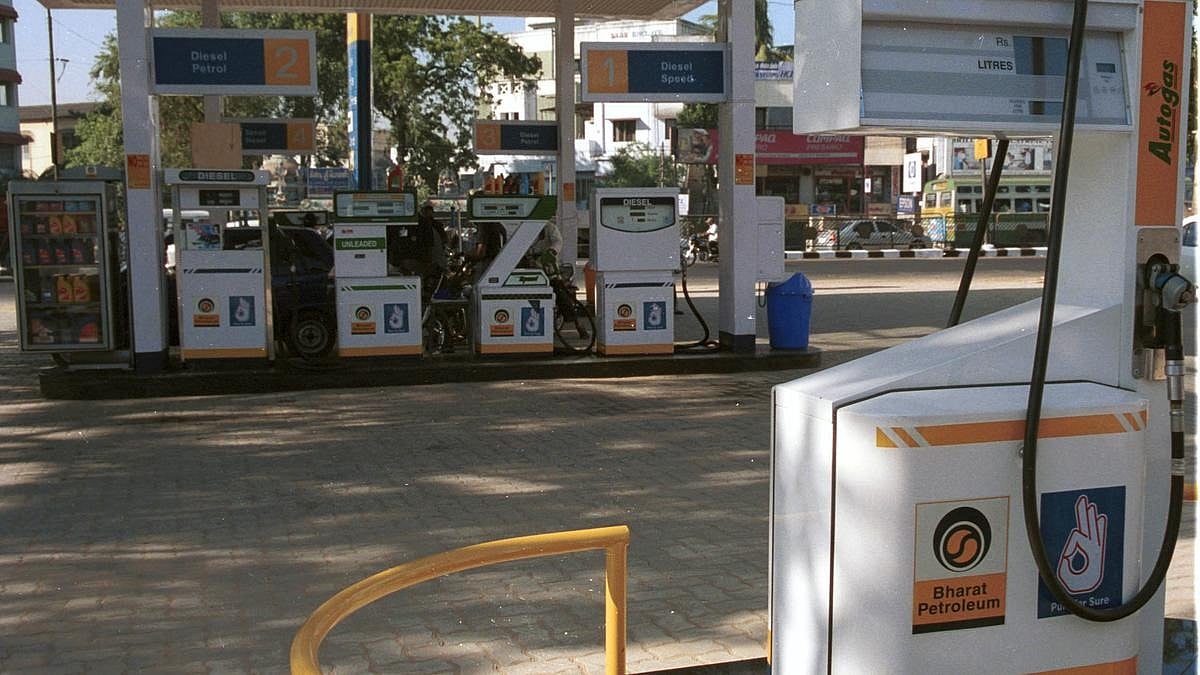
Chennai: The Tamil Nadu Petroleum Dealers Association has strongly condemned the unnecessary actions being taken against petroleum dealers across Tamil Nadu in connection with digital transactions.
In this regard, the association’s president, K.P. Murali, said in a statement: Petrol pump owners operating under public sector oil companies are serving thousands of customers every day.
After the demonetization drive, dealers implemented digital methods such as Google Pay, PhonePe, Paytm, UPI, and credit-debit cards, in support of the central government’s and oil companies’ policies promoting cashless transactions.
As a result, in many sales outlets, more than 50 percent of the total transactions received are carried out digitally. Between 200 and 500 digital transactions are recorded daily.
Dealers do not have the practical ability or facility to examine the background of customers coming to refuel, their identity proof, or the source of the money they use.
Dealers have no control over how that money moves through the bank’s payment system. Even when they fully comply with government policies, dealers continue to face severe business disruption and personal hardships.
Cash crunch
By citing the instructions of cybercrime officials, banks are taking actions such as placing a lien on the amounts in dealers’ accounts or freezing the entire bank account used for business.
In some cases, it is reported that, under the guise of an investigation, police officers pick up dealers from their homes early in the morning and keep them at police stations for several hours without providing any information about the specific transaction.
Such opaque actions cause great mental distress, humiliation, and damage to the reputation of business owners who comply with the law.
If dealers continue to be harassed and have their accounts arbitrarily frozen merely for providing digital payment facilities, and if they are forced to meet the police at the station, the association will be pushed to consider temporarily suspending all digital payment methods.
Therefore, the police cybercrime officers, banking institutions, and the state government should immediately step in and implement clear guidelines. He has stated this in that regard.