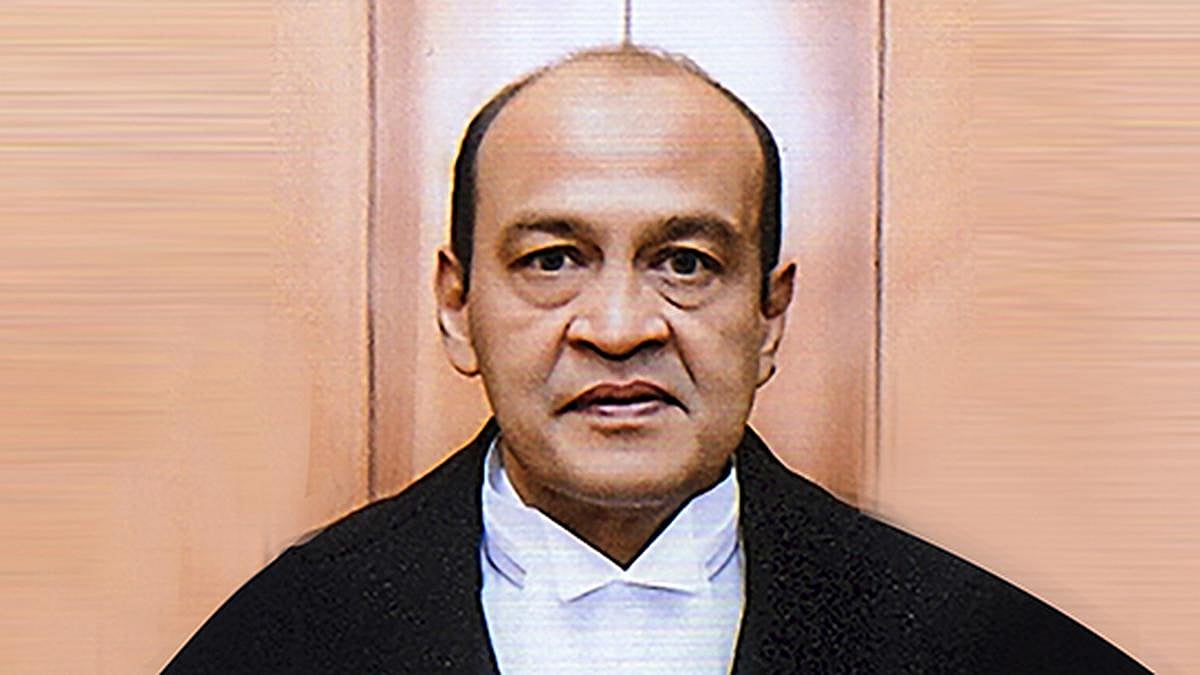
New Delhi: The parliamentary inquiry committee has found that all three allegations related to the discovery of bundles of cash from a room in the official residence of former judge Yashwant Varma have been proven. This report was tabled in both the Lok Sabha and the Rajya Sabha.
Yashwant Varma was a judge of the Delhi High Court. A fire broke out on March 14, 2025, at the government bungalow in Delhi where he was residing. While firefighters were extinguishing the blaze, bundles of half-burnt Rs. 500 notes were found in a room of the house.
Varma, who came under severe criticism, denied that the cash belonged to him. The impeachment process to remove Judge Varma from office began in Parliament last July. Lok Sabha Speaker Om Birla formed a three-member committee last August to investigate the allegations against Varma. In April this year, Judge Varma stepped down from his position as a High Court judge.
In the report released by the parliamentary committee, “This report was prepared after a detailed investigation that included documents, electronic records, and witness statements related to this matter. Judge Varma was given an opportunity to respond to the allegations and present his side of the case.”
This report records the alleged fire incident, the discovery of cash, the location of the storeroom in the government-allotted residence, the actions said to have been taken after the fire, and the explanation given by the judge.
Bundles of 500-rupee notes were found in a room at Yashwant Varma’s official residence at 30, Tughlak Crescent, New Delhi. The judge failed to provide a satisfactory explanation for their location, source, or ownership.
Key evidence was not preserved in the case involving the discovery of bundles of cash. After the money was found, the room was interfered with before it could be properly sealed and examined. This affected the preservation of evidence.
Initially, Judge Varma denied these allegations, but later raised various claims, including that the money may have been deliberately placed there or that it may have been part of a conspiracy by others. However, there is no evidence to substantiate them.
In addition, no first information report or formal complaint was filed stating that the money had been deliberately placed or that the evidence had been tampered with.
Varma’s explanations were evasive, incomplete, and misleading. He lacked the transparency, integrity, and institutional accountability expected of a constitutional court judge,’ it was stated.