English
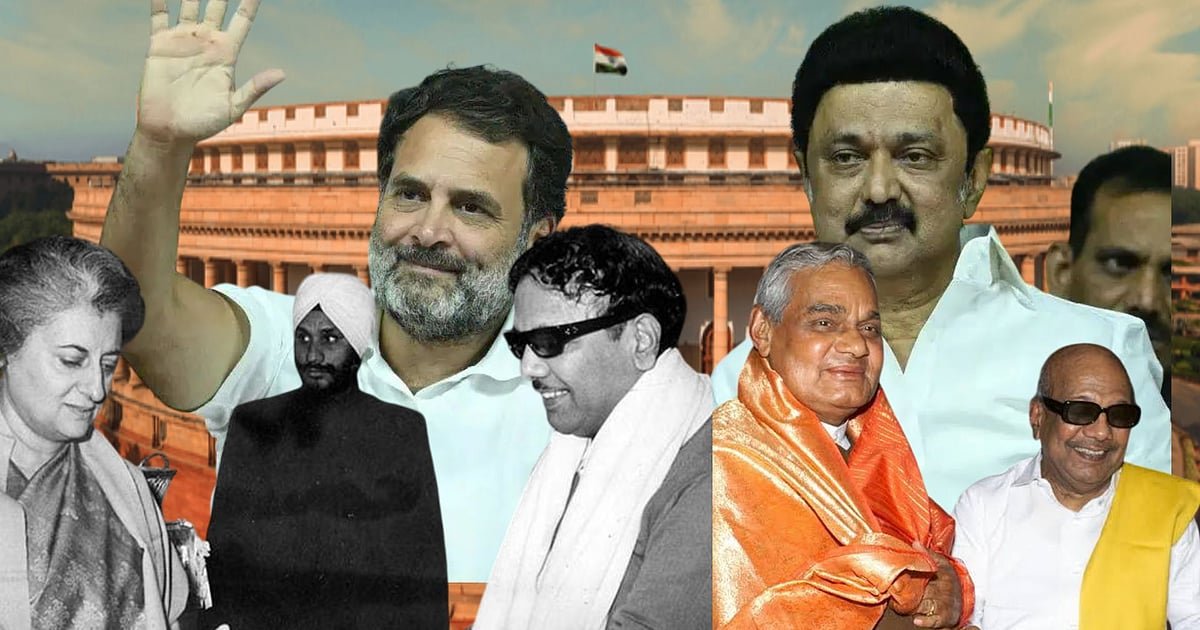
The contribution of the Dravida Munnetra Kazhagam to national politics and its alliance history are highly significant in the Indian political arena.
With the slogan “Autonomy in the states, federalism at the center” as its guiding principle, DMK, though a regional party, has repeatedly emerged as a force capable of shaping the power dynamics in Delhi.
From Perarignar Anna, through Kalaignar Karunanidhi, to the current leader M.K. Stalin, this alliance journey has taken different forms in different periods.
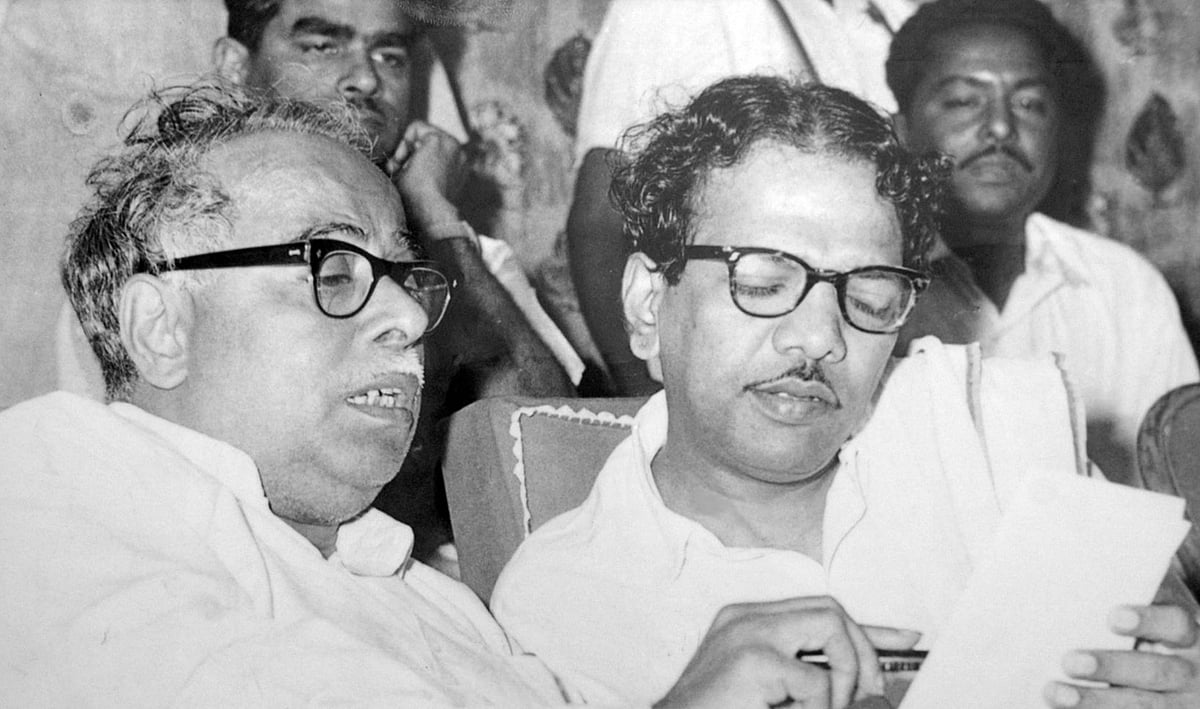
What has been the DMK’s half-century-long journey in national alliances? Let’s look at it in this collection.
Early trajectory and relationship with Indira Gandhi (1967 - 1980)
When the DMK first came to power under Anna in 1967 by defeating the Congress government in Tamil Nadu, it created a regional wave at the national level. At that time, Anna had formed a state-level alliance with Rajaji’s Swatantra Party and the Left parties.
After Anna’s death, when the Congress party split in 1969, Kalaignar Karunanidhi made the party’s first major mark in national politics by extending parliamentary support to then Prime Minister Indira Gandhi’s minority government.
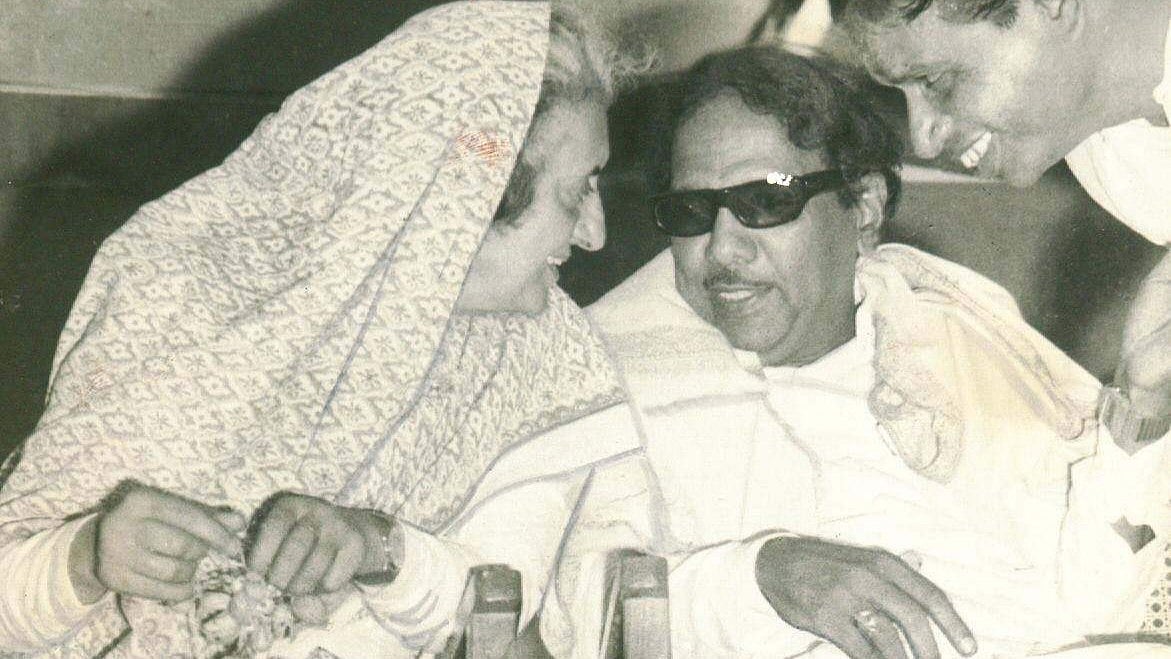
Then, in the 1971 parliamentary election, the DMK formally joined hands with Indira Gandhi’s Congress party. However, this relationship was completely broken during the 1975 Emergency declaration. Because it strongly opposed the Emergency, the DMK government was dismissed and its leaders were imprisoned.
As a result, in the 1977 general election, the DMK allied with the Janata Party, which had formed in opposition to Congress. However, as the political climate changed, in 1980 the DMK once again allied with Indira Gandhi, with the famous slogan, “Come, daughter of Nehru, bring stable governance!” and won a resounding victory.
National Front and United Front Experiments (1989 - 1998)
By the late 1980s, the single-party rule at the center was gradually weakening, and the federalist philosophy began to gain strength. The DMK played a very important role in this. In the National Front government formed under V. P. Singh in 1989, the DMK stood as a crucial pillar. Leaders such as Murasoli Maran were included in the Union Cabinet and played a key role in implementing the Mandal Commission recommendations.
Similarly, when the 'United Front' was formed in 1996 as an alliance of state parties other than the Congress and the BJP, Kalaignar Karunanidhi was one of the foremost leaders who spearheaded it. During the period when Deve Gowda and I.K. Gujral served as Prime Ministers, the DMK strengthened the case for a cooperative federal system at the Centre.
National Democratic Alliance with the BJP (1999 - 2003)
The most significant and surprising turning point in DMK’s political history was its alliance in 1999 with the Bharatiya Janata Party led by Vajpayee. Despite ideological differences, DMK joined the National Democratic Alliance (NDA). DMK leaders including Murasoli Maran and T.R. Baalu held important positions in Vajpayee’s cabinet.
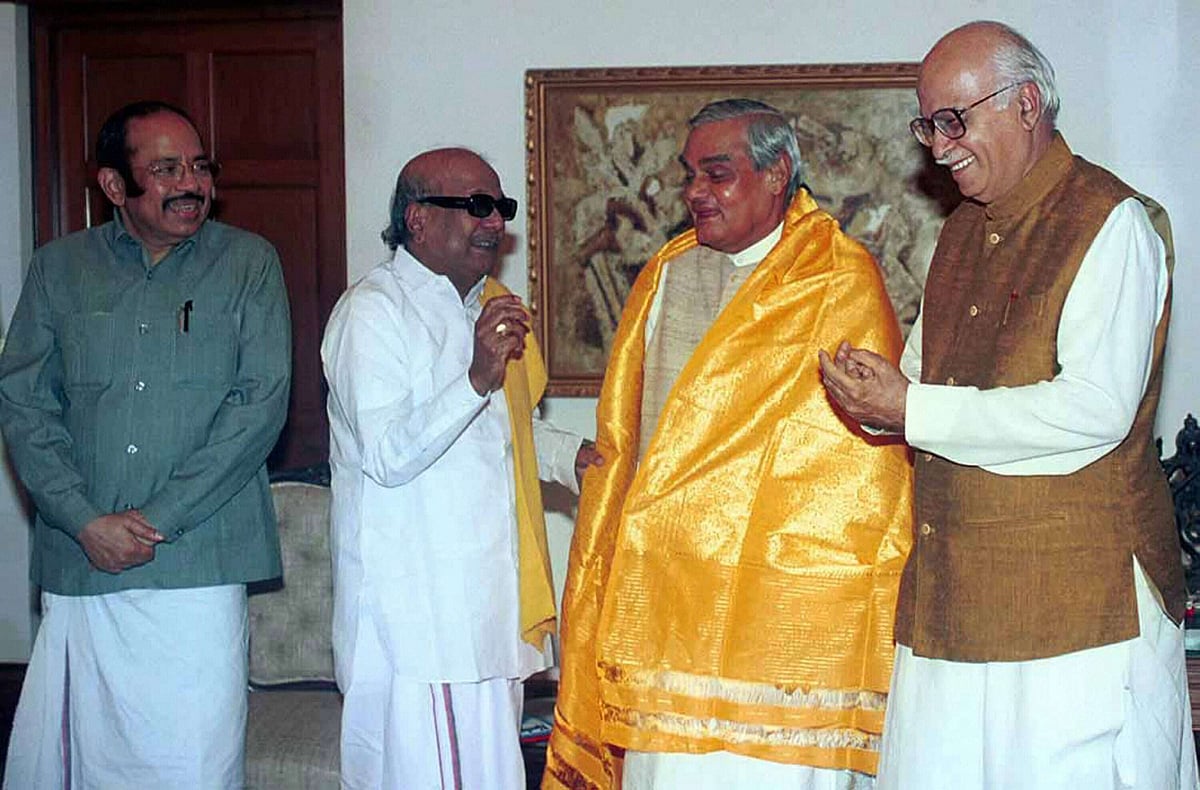
DMK justified this alliance as aiming to provide a stable government at the Centre without giving up state autonomy. This period also helped bring various central infrastructure projects to Tamil Nadu and laid the foundation for the 'Classical Language' status.
However, in late 2003, DMK officially withdrew from the alliance due to policy differences.
United Progressive Alliance and the Enduring Bond (2004 - 2013)
When the 'United Progressive Alliance' was formed in 2004 under Sonia Gandhi’s leadership, the DMK joined it as a principal partner. During the years when Manmohan Singh was Prime Minister, the DMK emerged as a highly influential party. In the Union Cabinet, the DMK held important portfolios such as Shipping, Information Technology, and Textiles.
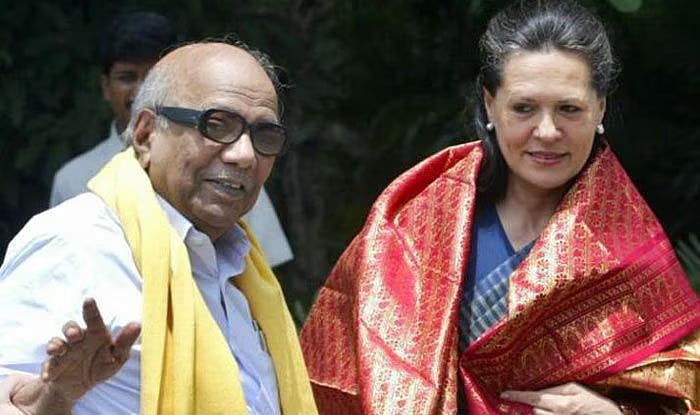
It was during this period that Tamil was granted the status of a 'classical language.' However, in 2013, during the civil war in Sri Lanka, condemning the central government's indifferent approach to the Eelam Tamil issue, the DMK completely withdrew its parliamentary support from the United Progressive Alliance.
DMK, which emerged as the face of the 'India' alliance
After the passing of Kalaignar Karunanidhi, M.K. Stalin, who took over as the party leader, adopted a strong anti-BJP stance at the national level. From 2016 to 2025, the DMK was in alliance with the Congress. Even before the 2019 parliamentary election, he drew national attention by first proposing Rahul Gandhi as the prime ministerial candidate.
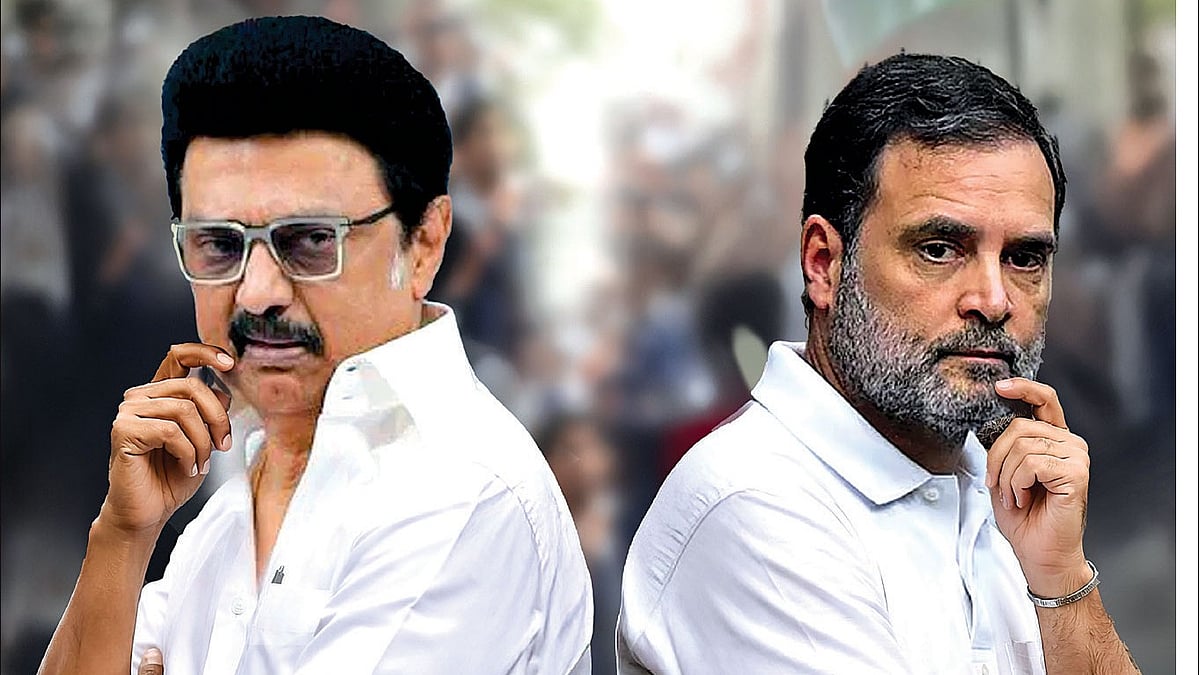
In particular, the DMK functioned as the strongest and most important pillar of the 'India' (INDIA) alliance, which was formed by bringing together opposition parties at the national level. In Tamil Nadu, the DMK, which had successfully maintained the secular progressive alliance continuously and emerged as a key face in the 'India' alliance, saw its dominance dissipate after the assembly election.
The Congress, which was part of the DMK’s alliance, expressing support for TVK has had repercussions within the 'India' alliance. The DMK did not participate in today’s consultation meeting of the 'India' alliance. What decision will the DMK, a key player in national politics, take next? An alliance with the BJP? Or will it form a third front? Let’s wait and see.
Tanglish
Thesiya arasiyalil Dravida Munnetra Kazhagam-in pangalippum adhan koottani varalaarum Indiya arasiyal kalathil migavum mukkiyamaanavai.
'Maanilathil suyaatchi, mathiyil koottatchi' endra mulakkathai mudhanmaiyaagak kondu, oru maanila katchiyaaga irundhaalum Delli-yin adhikaara pookkai theermaanikkum sakthiyaaga DMK palamurai uruveduthirukkiradhu.
Perarignar Annaa thodangi, Kalaignar Karunanidhi vazhiyaaga, tharpoothaya thalaivar Mu.Ka.Stalin varai indhak koottanip payanam vevvēru kaalakkattangalil vevvēru vadivangalai kondirukkiradhu.
DMKvin arai nootraandu kaala desiya koottanip payanam enna? Indha thoguppil paarppom.
Aaramba kaala thadam matrum Indhira Gandhiyudanaana uravu (1967 - 1980)
1967 aam aandu Tamilnaattil Congress aatchiyai veezhthi Anna thalaimayil DMK mudhanmuraaga ariyanai yeriyapodhu, adhu desiya alavil oru praanthiya alaiyai uruvaakkiyadhu. Appodhu Rajajiyin sudhandhiraa katchi matrum idadhusaarigaludan Anna maanaatta alavil koottani amaithirundhaar.
Annaavin maraivukku pin, 1969-ல் Congress katchiyil pilavu yerpatapodhu, appodhaiya piradhamar Indhira Gandhiyin sirupaanmai arasukku naadalamandratthil aadharavu thandhu, desiya arasiyalil thangalin mudhal mukkiya mutthiraiyai Kalaignar Karunanidhi padhiththaar.
Thodarndhu 1971 naadalaumanra therdhalil Indhira Gandhiyin Congress katchiyudan adhigaarappoorvamaaga DMK kaikorththadhu. Aanaal, 1975 avasaraneilai (Emergency) prakadanaththin podhu indha uravu mutrilumaaga murindhadhu. Avasaraneilaiyai miga kadumaiyaaga edhirththadhaal DMK aatchi kalaikkappattadhudan, thalaivargal siraiyiladaikkappattanar.
Idhan vilaivaaga, 1977 pothutherdhalil Congressukku edhiraaga uruvaana Janata katchiyudan DMK koottani vaiththadhu. Enum, arasiyal soozhal maarave, 1980 il meendum "Neruvin magale varuga, nilaiyaana aatchi tharuga!" endra pugazhpetra muzhakkaththudan Indhira Gandhiyudan DMK meendum koottani amaiththu amoga vetri petradhu.
Dhesiya Munnani matrum Iyaikkiya Munnani Parisodhanaigal (1989 - 1998)
1980kalin irudhiyil, mathiyil ottraikkatchi aatchi murai mella sarindhu, koottatchi thathuvam valuppera thodangiyadhu. Idhil DMK miga mukkiyap pangaatriyadhu. 1989 il V.P. Singh thalaimayil amaikkappatta 'Dhesiya Munnani' arasil DMK miga mukkiya thoonaaga vilangiyadhu. Murasoli Maaran pondra thalaivargal mathiya amaichsaravaiyil idampeetru, Mandal Commission parindhuraiugalai amalpaduthuvadhil mukkiya pangaatrinar.
Adhepol, 1996 il Kaangiras matrum Baajaka allaadha maanilaக் katchigalின் koottamaippaga 'Aikkiya Munnani' uruvaanapodhu, adhai munnindru nadaththiyavargalil Kalaignar Karunanidhi mudhanmaiyaanavar. Devagowda matrum I.K.Gujral aagiyor piradhamaraaga irundha andha kaalakattaththil, maththiyil inakkamaana oru koottatchi muraiக்கு DMK valu serththadhu.
Baajakavudanaana National Jananayaga Koottani (1999 - 2003)
DMKvin arasiyal varalatril miga mukkiyamaana matrum viyappoottum thiruppamaaga amaindhadhu 1999 aam aandu Vajpaai thalaimaiyilaana Bharatiya Janata Katchiyudan vaiththa koottaniyaagum. Kolgai reethiyaaga maarupattirundhaalum, deshiya jananaayagak koottaniyil (NDA) DMK inaindhadhu. Murasoli Maaran, D.R.Baalu ullitta DMK thalaivargal Vajpaai amaichcharavaiyil mukkiya poruppugalai vagiththanar.
Maanila suyaatchiyai vittuk kodukkaamal, athe neraththil maththiyil oru nilaiyaana aatchiyai vazhanguvathe inthak koottaniyin nokkam endru DMK niyaayappaduththiyathu. Tamilagaththirkku palveru maththiya ulkattamaipputh thittangalai kondu varavum, 'Semmozhi' anthasthukkaana adiththalaththai amaikkavum ikkaalakatam uthaviyaga irunthathu.
Iruppinum, 2003 in pirpaguthiyil kolgai muranpaadugal kaaranamaaga ikkaottaniyil irunthu DMK athigaarappoorvamaaga veliyeeriyathu.
Aikkiya Murppokku Koottani matrum Neediththa Pantham (2004 - 2013)
2004 aam aandu Sonia Gandhi thalaimaiyil 'Aikkiya Murpokku Koottani' amaikkappattapothu, athil DMK muthanmaip pangaliyaaga inaindhadhu. Manmohan Singh piramaraaga irundha kaalakkattangalil DMK miga selvaakku mikka katchiyaaga vilangiyadhu. Mathiya amaicharavaiyil kappal pokkuvarathu, thagaval thozhilnutpam, javuliththurai pondra mukkiya thuraigalai DMK vagiththadhu.
ikkaalakattatthildhaan Tamilukku 'semmozhi' angikaaram petruth tharappattadhu. eninum, 2013 aam aandu ilankaiyil nadaiperra ulnaattup porin podhu, Eelatthamizhar vivakaaratthil matthiya arasin meththana pokkai kanditthu, aikkiya murppokku koottaniyil irundhu DMK naadalaumanra aadharavai muzhumaiyaaga vilakkik kondadhu.
'Indiaa' koottaniyin mugamaaga thigazhndha DMK
Kalainjar Karunanidhiyin maraivukkup piragu, katchiyin thalaivaragap poruppetra Mu.K.Stalin, desiya alavil theevira BJP ethirppuk kolgaiyai kaiyil eduththaar. 2016-l irundhu 2025 varai DMK, Congressudan koottani vaiththirundhadhu. 2019 naadalamandraththeervukku munbe, Rahul Gandhiyai piradhamar vedpalaraga mudhalil munmozindhu desiya alavil gavanaththai petrar.
Kurippaaga dhesiya alavil ethirkkatchigalai ondrinaiththu uruvaakkappatta 'Indhia' (INDIA) koottaniyin miga valuvaana matrum mukkiyath thoonaaga DMK seyalpattaது. Tamilnaattil thodarndhu madhachchaarptra murpokku koottaniyai vettrikaramaaga thakka vaiththuk kondu, 'Indhia' koottaniyil oru mukkiya mugamaaga vilangiya DMKvin aadhikkam sattamanra therdalukkuppiragu sidharivittadhu.
DMKvin koottaniyil irundha Congress TVK-vukku aadharavu theriviththadhan vilaivu 'India' koottaniyil edhiroliththirukkiradhu. Indru nadaiperra 'India' koottaniyin aalosanai koottaththil DMK pangaeRkavillai. national arasiyalil mukkiya player-aaga irukkum DMK ini enna mudivai edukkum? BJP-vudan koottaniya? alladhu moondravadhu aniyai uruvaakkumaa? poruththirundhu paarppom.
Tamil
தேசிய அரசியலில் திராவிட முன்னேற்றக் கழகத்தின் பங்களிப்பும் அதன் கூட்டணி வரலாறும் இந்திய அரசியல் களத்தில் மிகவும் முக்கியமானவை.
‘மாநிலத்தில் சுயாட்சி, மத்தியில் கூட்டாட்சி’ என்ற முழக்கத்தை முதன்மையாகக் கொண்டு, ஒரு மாநிலக் கட்சியாக இருந்தாலும் டெல்லியின் அதிகாரப் போக்கைத் தீர்மானிக்கும் சக்தியாக திமுக பலமுறை உருவெடுத்திருக்கிறது.
பேரறிஞர் அண்ணா தொடங்கி, கலைஞர் கருணாநிதி வழியாக, தற்போதைய தலைவர் மு.க.ஸ்டாலின் வரை இந்தக் கூட்டணிப் பயணம் வெவ்வேறு காலக்கட்டங்களில் வெவ்வேறு வடிவங்களைக் கொண்டிருக்கிறது.
திமுகவின் அரை நூற்றாண்டு கால தேசியக் கூட்டணிப் பயணம் என்ன? இந்தத் தொகுப்பில் பார்ப்போம்.
ஆரம்ப கால தடம் மற்றும் இந்திரா காந்தியுடனான உறவு (1967 – 1980)
1967 ஆம் ஆண்டு தமிழ்நாட்டில் காங்கிரஸ் ஆட்சியை வீழ்த்தி அண்ணா தலைமையில் திமுக முதன்முறையாக அரியணை ஏறியபோது, அது தேசிய அளவில் ஒரு பிராந்திய அலையை உருவாக்கியது. அப்போது ராஜாஜியின் சுதந்திரா கட்சி மற்றும் இடதுசாரிகளுடன் அண்ணா மாநில அளவில் கூட்டணி அமைத்திருந்தார்.
அண்ணாவின் மறைவுக்குப் பின், 1969-ல் காங்கிரஸ் கட்சியில் பிளவு ஏற்பட்டபோது, அப்போதைய பிரதமர் இந்திரா காந்தியின் சிறுபான்மை அரசுக்கு நாடாளுமன்றத்தில் ஆதரவு தந்து, தேசிய அரசியலில் தங்களின் முதல் முக்கிய முத்திரையை கலைஞர் கருணாநிதி பதித்தார்.
தொடர்ந்து 1971 நாடாளுமன்றத் தேர்தலில் இந்திரா காந்தியின் காங்கிரஸ் கட்சியுடன் அதிகாரப்பூர்வமாக திமுக கைகோர்த்தது. ஆனால், 1975 அவசரநிலை (Emergency) பிரகடனத்தின் போது இந்த உறவு முற்றிலுமாக முறிந்தது. அவசரநிலையை மிகக் கடுமையாக எதிர்த்ததால் திமுக ஆட்சி கலைக்கப்பட்டதுடன், தலைவர்கள் சிறையிலடைக்கப்பட்டனர்.
இதன் விளைவாக, 1977 பொதுத்தேர்தலில் காங்கிரசுக்கு எதிராக உருவான ஜனதா கட்சியுடன் திமுக கூட்டணி வைத்தது. எனினும், அரசியல் சூழல் மாறவே, 1980 இல் மீண்டும் “நேருவின் மகளே வருக, நிலையான ஆட்சி தருக!” என்ற புகழ்பெற்ற முழக்கத்துடன் இந்திரா காந்தியுடன் திமுக மீண்டும் கூட்டணி அமைத்து அமோக வெற்றி பெற்றது.
தேசிய முன்னணி மற்றும் ஐக்கிய முன்னணி பரிசோதனைகள் (1989 – 1998)
1980களின் இறுதியில், மத்தியில் ஒற்றைக்கட்சி ஆட்சி முறை மெல்ல சரிந்து, கூட்டாட்சி தத்துவம் வலுப்பெறத் தொடங்கியது. இதில் திமுக மிக முக்கியப் பங்காற்றியது. 1989 இல் வி.பி.சிங் தலைமையில் அமைக்கப்பட்ட ‘தேசிய முன்னணி’ அரசில் திமுக மிக முக்கிய தூணாக விளங்கியது. முரசொலி மாறன் போன்ற தலைவர்கள் மத்திய அமைச்சரவையில் இடம்பெற்று, மண்டல் கமிஷன் பரிந்துரைகளை அமல்படுத்துவதில் முக்கியப் பங்காற்றினர்.
அதேபோல, 1996 இல் காங்கிரஸ் மற்றும் பாஜக அல்லாத மாநிலக் கட்சிகளின் கூட்டமைப்பாக ‘ஐக்கிய முன்னணி’ உருவானபோது, அதை முன்னின்று நடத்தியவர்களில் கலைஞர் கருணாநிதி முதன்மையானவர். தேவகவுடா மற்றும் ஐ.கே.குஜ்ரால் ஆகியோர் பிரதமராக இருந்த அந்தக் காலகட்டத்தில், மத்தியில் இணக்கமான ஒரு கூட்டாட்சி முறைக்கு திமுக வலு சேர்த்தது.
பாஜகவுடனான தேசிய ஜனநாயகக் கூட்டணி (1999 – 2003)
திமுகவின் அரசியல் வரலாற்றில் மிக முக்கியமான மற்றும் வியப்பூட்டும் திருப்பமாக அமைந்தது 1999 ஆம் ஆண்டு வாஜ்பாய் தலைமையிலான பாரதிய ஜனதா கட்சியுடன் வைத்த கூட்டணியாகும். கொள்கை ரீதியாக மாறுபட்டிருந்தாலும், தேசிய ஜனநாயகக் கூட்டணியில் (NDA) திமுக இணைந்தது. முரசொலி மாறன், டி.ஆர்.பாலு உள்ளிட்ட திமுக தலைவர்கள் வாஜ்பாய் அமைச்சரவையில் முக்கியப் பொறுப்புகளை வகித்தனர்.
மாநில சுயாட்சியை விட்டுக் கொடுக்காமல், அதே நேரத்தில் மத்தியில் ஒரு நிலையான ஆட்சியை வழங்குவதே இந்தக் கூட்டணியின் நோக்கம் என்று திமுக நியாயப்படுத்தியது. தமிழகத்திற்குப் பல்வேறு மத்திய உள்கட்டமைப்புத் திட்டங்களைக் கொண்டு வரவும், ‘செம்மொழி’ அந்தஸ்துக்கான அடித்தளத்தை அமைக்கவும் இக்காலகட்டம் உதவியாக இருந்தது.
இருப்பினும், 2003 இன் பிற்பகுதியில் கொள்கை முரண்பாடுகள் காரணமாக இக்கூட்டணியில் இருந்து திமுக அதிகாரப்பூர்வமாக வெளியேறியது.
ஐக்கிய முற்போக்குக் கூட்டணி மற்றும் நீடித்த பந்தம் (2004 – 2013)
2004 ஆம் ஆண்டு சோனியா காந்தி தலைமையில் ‘ஐக்கிய முற்போக்குக் கூட்டணி’ அமைக்கப்பட்டபோது, அதில் திமுக முதன்மைப் பங்காளியாக இணைந்தது. மன்மோகன் சிங் பிரதமராக இருந்த காலக்கட்டங்களில் திமுக மிகச் செல்வாக்கு மிக்க கட்சியாக விளங்கியது. மத்திய அமைச்சரவையில் கப்பல் போக்குவரத்து, தகவல் தொழில்நுட்பம், ஜவுளித்துறை போன்ற முக்கியத் துறைகளை திமுக வகித்தது.
இக்காலகட்டத்தில்தான் தமிழுக்கு ‘செம்மொழி’ அங்கீகாரம் பெற்றுத் தரப்பட்டது. எனினும், 2013 ஆம் ஆண்டு இலங்கையில் நடைபெற்ற உள்நாட்டுப் போரின் போது, ஈழத்தமிழர் விவகாரத்தில் மத்திய அரசின் மெத்தனப் போக்கைக் கண்டித்து, ஐக்கிய முற்போக்குக் கூட்டணியில் இருந்து திமுக நாடாளுமன்ற ஆதரவை முழுமையாக விலக்கிக் கொண்டது.
‘இந்தியா’ கூட்டணியின் முகமாகத் திகழ்ந்த திமுக
கலைஞர் கருணாநிதியின் மறைவுக்குப் பிறகு, கட்சியின் தலைவராகப் பொறுப்பேற்ற மு.க.ஸ்டாலின், தேசிய அளவில் தீவிர பாஜக எதிர்ப்புக் கொள்கையைத் கையில் எடுத்தார். 2016-ல் இருந்து 2025 வரை திமுக, காங்கிரஸுடன் கூட்டணி வைத்திருந்தது. 2019 நாடாளுமன்றத் தேர்தலுக்கு முன்பே, ராகுல் காந்தியை பிரதமர் வேட்பாளராக முதலில் முன்மொழிந்து தேசிய அளவில் கவனத்தைப் பெற்றார்.
குறிப்பாக தேசிய அளவில் எதிர்க்கட்சிகளை ஒன்றிணைத்து உருவாக்கப்பட்ட ‘இந்தியா’ (INDIA) கூட்டணியின் மிக வலுவான மற்றும் முக்கியத் தூணாக திமுக செயல்பட்டது. தமிழ்நாட்டில் தொடர்ந்து மதச்சார்பற்ற முற்போக்குக் கூட்டணியை வெற்றிகரமாகத் தக்கவைத்துக் கொண்டு, ‘இந்தியா’ கூட்டணியில் ஒரு முக்கிய முகமாக விளங்கிய திமுகவின் ஆதிக்கம் சட்டமன்றத் தேர்தலுக்குப் பிறகு சிதறிவிட்டது.
திமுகவின் கூட்டணியில் இருந்த காங்கிரஸ் தவெகவுக்கு ஆதரவு தெரிவித்ததன் விளைவு ‘இந்தியா’ கூட்டணியில் எதிரொலித்திருக்கிறது. இன்று நடைபெற்ற ‘இந்தியா’ கூட்டணியின் ஆலோசனைக் கூட்டத்தில் திமுக பங்கேற்கவில்லை. தேசிய அரசியலில் முக்கிய ப்ளேயராக இருக்கும் திமுக இனி என்ன முடிவை எடுக்கும்? பாஜகவுடன் கூட்டணியா? அல்லது மூன்றாவது அணியை உருவாக்குமா? பொறுத்திருந்து பார்ப்போம்.
மூலதளம்: India News
Click the link above to read the full article on the original website.