English
If a separation occurs between husband and wife and they get divorced, the husband must provide maintenance to his wife. If the husband who provides maintenance dies, the woman concerned will be left without income. However, the ruling given by the Allahabad High Court in the state of Uttar Pradesh has found a solution to this. In its judgment, the court stated, "It is the husband's duty to maintain his wife. In situations where the couple is separated, the wife can seek maintenance either through criminal law or under the maintenance provisions of the Hindu Marriage Act. However, a man's obligation to provide this maintenance continues even after his death. Because,
The court has stated that the law permits a daughter-in-law to claim maintenance from her father-in-law. Furthermore, under Section 19 of the Hindu Adoption and Maintenance Act, 1956, a daughter-in-law can seek maintenance from her father-in-law. However, this right can be exercised only if she is unable to maintain herself through her own income or other assets. Additionally, she must be unable to claim her deceased husband's property or receive maintenance from her parents. Moreover,
The father-in-law must have enough property to provide that maintenance. If the daughter-in-law remarries, the right to claim this maintenance will be forfeited," the court stated. The court, while hearing a petition filed by a person from Rampur, Uttar Pradesh, related to this matter, dismissed it and delivered this verdict.
Tanglish
Kanavan manaivi idaiye pirivinai erpattu vivagarathu seythu kondal, kanavan thannudaiya manaivikku jeevanamsam kodukkavendum. Jeevanamsam kodukkum kanavan irandhuvittal, sambandhapatta pennirkku varumanam illamal poyvidum. Anal Uttarapridesa maainam, Alakapath uyar neethimandram therivithirukkum theerppu, itharku theervu kandulladhu. Neethimandram thanadhu theerppil, "Manaiviyai paramarikka vendiyadhu kanavanin kadamaiyum. Thambathigal pirindhirukkum soozhnilaigalil, manaivi kutravigal sattathin moolamagavo alladhu Hindu thirumanach sattathin keezh ulla paramarippu vidhigalin moolamagavo paramarippu koralam. Irupinum, or aanin indha paramarippu kadamai avarin maranathirkup piragum thodarkiradhu. Enenil,
Sattamaanathu oru kaimpeṇ thannudaiya maamanaridam irundhu paraamarippu koora anumathikkiradhu" endru neethimandram theriviththulladhu. Vivagarathu melum, ``Hindu thatheduppu matrum paraamarippuch sattam 1956-in pirivu 19-in padi, oru kaimpeṇ marumagal thannudaiya maamanaridam irundhu paraamarippu kooralaam. Aanaal atharku thanadhu sontha varumaanam alladhu pira soththukkal moolam thannaip paraamariththuk kollamudiyadha nilaiyil irukkum patchathil mattume, idhu pondru maamanaridamirundhu avar indha urimaiyaip pera mudiyum. Athodu avaral thannudaiya maraindha kanavarin soththaip pera mudiyamalum, thannudaiya thaai, thandhai aghiyoridamirundhum paraamarippu thogai pera mudiyamalum irukka vendum. Melum,
Maamanaridam andha paraamarippai vazhangakoodiya alavirkku soththu irukka vendum. Marumagal marumanam seythukondal, indha paraamarippu korum urimai rathaagividum'' endrum neethimandram therivithulladhu. Uththarapradesha maanilam, Raampooraich serntha oruvar idhu thodarbaaga thaakkal seitha manuvai visaariththa neethimandram, adhanai thallupadi seithu iththeerppai vazhangi irukkiradhu.
Tamil
கணவன் மனைவி இடையே பிரிவினை ஏற்பட்டு விவாகரத்து செய்து கொண்டால், கணவன் தன்னுடைய மனைவிக்கு ஜீவனாம்சம் கொடுக்கவேண்டும். ஜீவனாம்சம் கொடுக்கும் கணவன் இறந்துவிட்டால், சம்பந்தப்பட்ட பெண்ணிற்கு வருமானம் இல்லாமல் போய்விடும்.
ஆனால் உத்தரப்பிரதேச மாநிலம், அலகாபாத் உயர் நீதிமன்றம் தெரிவித்திருக்கும் தீர்ப்பு, இதற்கு தீர்வு கண்டுள்ளது. நீதிமன்றம் தனது தீர்ப்பில், “மனைவியைப் பராமரிக்க வேண்டியது கணவனின் கடமையாகும். தம்பதிகள் பிரிந்திருக்கும் சூழ்நிலைகளில், மனைவி குற்றவியல் சட்டத்தின் மூலமாகவோ அல்லது இந்து திருமணச் சட்டத்தின் கீழ் உள்ள பராமரிப்பு விதிகளின் மூலமாகவோ பராமரிப்பு கோரலாம்.
இருப்பினும், ஓர் ஆணின் இந்தப் பராமரிப்பு கடமை அவரின் மரணத்திற்குப் பிறகும் தொடர்கிறது. ஏனெனில், சட்டமானது ஒரு கைம்பெண் தன்னுடைய மாமனாரிடம் இருந்து பராமரிப்பு கோர அனுமதிக்கிறது” என்று நீதிமன்றம் தெரிவித்துள்ளது.
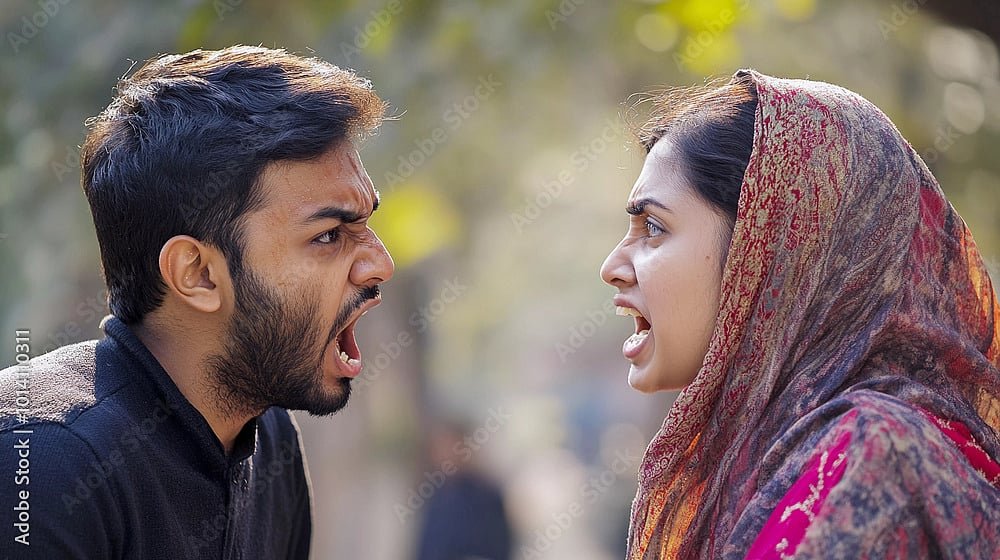
மேலும், “இந்து தத்தெடுப்பு மற்றும் பராமரிப்புச் சட்டம் 1956-இன் பிரிவு 19-இன் படி, ஒரு கைம்பெண் மருமகள் தன்னுடைய மாமனாரிடம் இருந்து பராமரிப்பு கோரலாம். ஆனால் அதற்கு தனது சொந்த வருமானம் அல்லது பிற சொத்துக்கள் மூலம் தன்னைப் பராமரித்துக் கொள்ள முடியாத நிலையில் இருக்கும் பட்சத்தில் மட்டுமே, இது போன்று மாமனாரிடமிருந்து அவர் இந்த உரிமையைப் பெற முடியும்.
அதோடு அவரால் தன்னுடைய மறைந்த கணவரின் சொத்தைப் பெற முடியாமலும், தன்னுடைய தாய், தந்தை ஆகியோரிடமிருந்தும் பராமரிப்புத் தொகை பெற முடியாமலும் இருக்க வேண்டும். மேலும், மாமனாரிடம் அந்தப் பராமரிப்பை வழங்கக்கூடிய அளவிற்கு சொத்து இருக்க வேண்டும். மருமகள் மறுமணம் செய்துகொண்டால், இந்த பராமரிப்பு கோரும் உரிமை ரத்தாகிவிடும்” என்றும் நீதிமன்றம் தெரிவித்துள்ளது.
உத்தரப்பிரதேச மாநிலம், ராம்பூரைச் சேர்ந்த ஒருவர் இது தொடர்பாக தாக்கல் செய்த மனுவை விசாரித்த நீதிமன்றம், அதனை தள்ளுபடி செய்து இத்தீர்ப்பை வழங்கி இருக்கிறது.
மூலதளம்: India News
Click the link above to read the full article on the original website.