


English
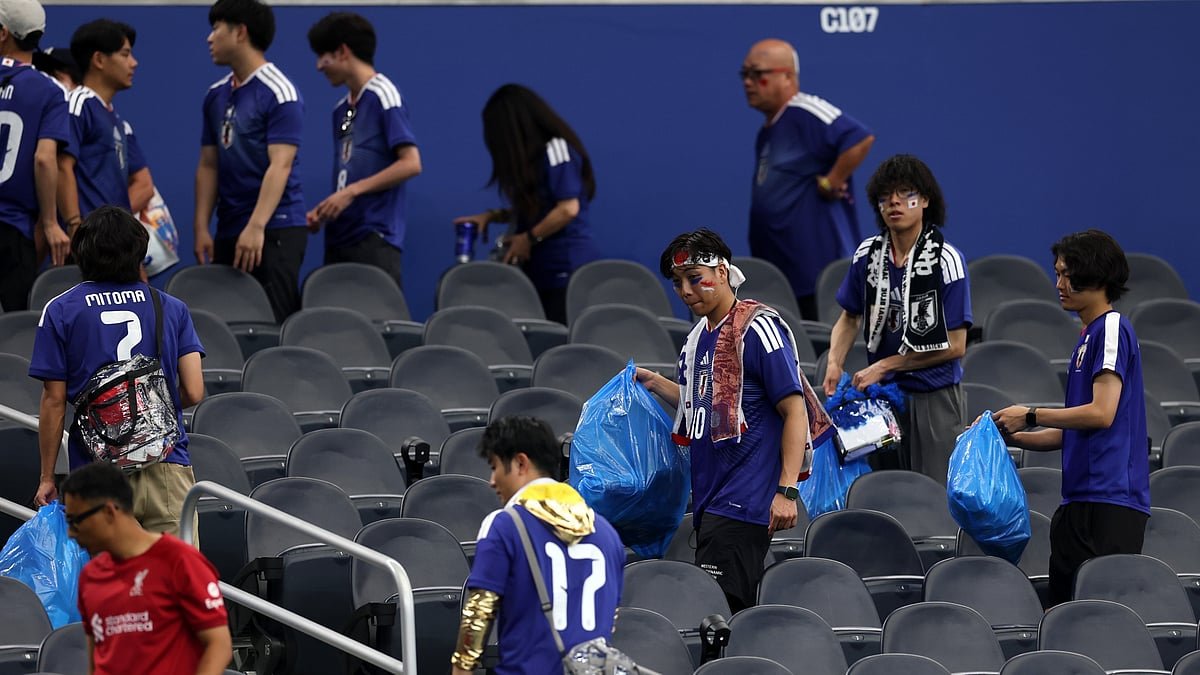
The football match was over. The fans were leaving the stadium. But a few Japanese fans stood near their seats with garbage bags, collecting plastic bottles, food waste, and other trash.
This scene, praised for years in sports arenas around the world, sparked a new debate in Japan this time. The question, “Does this sense of responsibility for cleaning up exist at home too?” was widely discussed on social media. That question has now turned into a national debate in Japan about gender equality, family responsibilities, and the division of household chores.
During the FIFA World Cup football matches held in the United States, photos of Japanese fans cleaning the stadium as usual spread across social media. Many people around the world praised their discipline and sense of social responsibility. Following that, a social media post by gender equality activist Atsuko Tamada drew widespread attention.
In that post, one side featured a picture of a male fan cleaning up the stadium with a garbage bag. On the other side, there was an illustration showing a man sitting on a sofa at home using a mobile phone, and a woman nearby doing household chores. Above it was the phrase “Please do it at home too” (வீட்டிலும் இதைச் செய்யுங்கள்).
This post received nearly 2 million views and more than 60,000 likes. Within a few hours, it was widely discussed in Japan.
Why the criticism?
“Japanese men are praised for behaving responsibly in public. But women still bear a greater burden of unpaid work such as housework and childcare,” critics say.
According to the OECD and other studies, Japan is among the developed countries where men spend the least time on housework. On average, Japanese women spend more than three hours a day on unpaid domestic work and caregiving. At the same time, studies say men spend only about 47 minutes.
According to some estimates, women spend about 5.5 times more time on household chores than men. This became the focus of criticism on social media.
However, Japanese fans cleaning the stadium is nothing new. During the 2018 Russia World Cup and the 2022 Qatar World Cup as well, Japanese fans drew the attention of international media by cleaning the stadiums after the matches. While many consider this an admirable act, in Japan it is regarded simply as a normal social responsibility.
The foundation for this is the cleaning tradition known as “Souji.” Respecting public spaces, leaving the place you used clean, and having a sense of responsibility toward the community are considered key aspects of this tradition.
In Japanese schools too, students clean their own classrooms, corridors, and toilets. Since this habit is taught from a young age, cleaning is seen by many not as a personal duty but as a social responsibility.
However, not everyone accepted the criticism that arose on social media. Many argued that cleaning the ground is an expression of good civic sense, and that linking it to a debate about family responsibilities is not fair. They said that it is important to appreciate a good deed and not turn it into something to be criticized.
Those on the other side say that their intention is not to criticize the act of cleaning the ground, but rather that this discussion serves as a reminder that the sense of responsibility seen in public life should be equally present in family life as well.
A photo of football fans cleaning up a ground has once again brought long-standing social questions about the division of labor in families and gender equality to the forefront.
Tanglish
anthak kaalpanthu potti mudinthuvittathu. rasigargal maithaanaththai vittu veliyeerik kondirukkiraargal. aanaal, sila jappaaniya rasigargal mattum thangal irukkaigalin aruge kuppai paigaludan nindru, plastik paattilgal, unavuk kazhivugal matrum pira kuppaigalai segariththu kondirunthanar.
ulaga vilaiyaattu arangugalil pala aandugalaga paarattappatta intha kaatchi, intha murai jappaanil oru puthiya vivathaththaiyum uruvaakkiyathu. “inthach suththam seiyum poruppunarvu veettukkullum irukkiratha?” endra kelvi samuga valaithalgalil paravalaaga vivathikkappattathu. anthak kelvithaan jappaanil paalin samaththuvam, kudumba poruppugal matrum veettup pani pangidu kuriththa theesiya vivathamaaga maariyullathu.
Amerikkavil nadaipetru varum Fifa ulagak koppai kaalpanthu pottikalinpodhu Jappaaniya rasigargal vazhakkampol maithaanathai suththam seitha pugaippadangal samuga valaithalgalil paravina. Ulagam muluvathum palar avargalin olukkathaiyum samuga poruppunarvaiyum paarattinar. Athai thodarndhu, paalina samathuva aarvalar Atsuko Tamada veliyitta samuga valaithal padhivu perum gavanathai eerththathu.
Andhaப் padhivil, ‘orupuram maidanaththil kuppaiப் paiyudan suththam seyyum aan rasigarin padam idamperrirundhadhu. Matroru puram, veettil sofaavil amarndhu selphonai payanpaduththum aan, arugil veettu velaigalil eedupadum pen aagiyorai kaattum vilakkap padam idamperrirundhadhu. Adhan mele “Please do it at home too” (veettilum idhaich seyyungal) endra vaasagam idam petrirundhadhu.
Indhaப் padhivu kittaththatta 20 latcham paarvaigalaiyum, 60,000-kkum merpatta viruppak kurigalaiyum petradhu. Sila mani nerangalukkul adhu Jappaanil paravalaaga vivadikkappattadhu.
Yen indha vimarsanam?
‘Jappaaniya aangal pothuveeligalil samooga poruppunarvudan nadandhu kolvatharkaaga paaraattappadugiraargal. Aanaal veettup panigal matrum kuzhanthai paraamarippu pondra oothiyam illaatha velaigalil penngale innum adhiga chumaiai yetrukkolgiraargal’ enkindranar vimarsakargal.
OECD matrum matra aayvugalinpadi, valarndha naadugalil veettup panigalil aangal selavidum neram migavum kuraivaaga ulla naadugalil Jappaan ondraga ulladhu. Sarasariyaaga Jappaaniya penngal dhinamum moondru mani nerathirkum adhigamaaga oothiyam illaatha veettu velaigal matrum paraamarippu panigalil eedupadugiraargal. Adhe nerathil aangal selavidum neram saamaiyaaga 47 nimidangal mattume ena aayvugal koorugindrana.
Sila madhippeedugalinpadi, aangalaividam sumeer 5.5 madangu adhiga nerathai veettup panigalil pengal selavidugindranar. Idhuve samuga valaithalgalil ezhundha vimarsanathin maiyamaaga amaindhadhu.
Aanaal, Jappaaniya rasigargal maidhanathai suththam seivathu pudhiya vishayamalla. 2018 Rusiya ulaga koppai matrum 2022 Kathaar ulaga koppai thodarugalinpodhum Jappaaniya rasigargal potti mudindha piragu maidhanangalai suththam seidhu sarvadesa oodagangalin gavanathai eerththanar. Palarukku idhu oru sirappana seyal endraalum, Jappaanil idhu saadhaarana samuga poruppaagave karuthappadugiradhu.
Itharku adippadaiyaga iruppathu ‘Souji’ (Souji) enappadum suththam seyyum kalachara marabu. Pothuveeligalai mathippathu, payanpaduththiya idaththai suththamaaga vittuch selvathu matrum samoogaththin meethu poruppunarchi kondiruppathu aagiyavai intha marabin mukkiya amsangalaaga karuthappadugindrana.
Jappaaniya palliigalilum maanavargal thangalathu vagupparaigal, nadaipaathaigal matrum kazhipparaiagalai thangalae suththam seyyum nadaimurai ullathu. Siruvayathilirunthe intha pazhakkam katrukkodukkappaduvathaal, suththam seyvathu palarukku oru thanippatta kadamaiyaaga allaamal samoogap poruppaaga karuthappadugirathu.
Eninum, samooka valaithalangalil ezhuntha vimarsanathai anaivarum aerkkavillai. Palar, maithaanathaiச் suththam seivathu nalla kudimaiப் panbin velippaadu endrum, athai kudumbaப் poruppugal thodar்பaana vivaathathudan inaippathu niyaayamalla endrum vaathittanar. Oru nalla seyalaiப் paarattuvathu avasiyam, athanai kurai koorum vagaiyil maatra koodathu endrum avargal karuthu therivittanar.
Matroru tharappinar, maithaanach suththam seithathai vimarsippathalla thangalathu noakkam endrum, pothuveliyil kaanappadum poruppunarvu kudumba vaazhkkaiyilum samamaaga irukka vendum enbathaiye intha vivaatham ninaivoottugirathu endrum koorugindranar.
Oru maithaanathai kaalpandhu rasigargal suththam seidha pugaippadam, kudumbangalil velai-pangidu matrum paalina samaththuvam kuritha neendaakaala samoogak kelvigalai meendum munniruththiyulladhu.
Tamil
அந்தக் கால்பந்து போட்டி முடிந்துவிட்டது. ரசிகர்கள் மைதானத்தை விட்டு வெளியேறிக் கொண்டிருக்கிறார்கள். ஆனால், சில ஜப்பானிய ரசிகர்கள் மட்டும் தங்கள் இருக்கைகளின் அருகே குப்பைப் பைகளுடன் நின்று, பிளாஸ்டிக் பாட்டில்கள், உணவுக் கழிவுகள் மற்றும் பிற குப்பைகளை சேகரித்துக் கொண்டிருந்தனர்.
உலக விளையாட்டு அரங்குகளில் பல ஆண்டுகளாக பாராட்டப்பட்ட இந்தக் காட்சி, இந்த முறை ஜப்பானில் ஒரு புதிய விவாதத்தையும் உருவாக்கியது. “இந்தச் சுத்தம் செய்யும் பொறுப்புணர்வு வீட்டுக்குள்ளும் இருக்கிறதா?” என்ற கேள்வி சமூக வலைதளங்களில் பரவலாக விவாதிக்கப்பட்டது. அந்தக் கேள்விதான் ஜப்பானில் பாலின சமத்துவம், குடும்பப் பொறுப்புகள் மற்றும் வீட்டுப் பணிப் பங்கீடு குறித்த தேசிய விவாதமாக மாறியுள்ளது.
அமெரிக்காவில் நடைபெற்று வரும் ஃபிஃபா உலகக் கோப்பை கால்பந்து போட்டிகளின்போது ஜப்பானிய ரசிகர்கள் வழக்கம்போல் மைதானத்தைச் சுத்தம் செய்த புகைப்படங்கள் சமூக வலைதளங்களில் பரவின. உலகம் முழுவதும் பலர் அவர்களின் ஒழுக்கத்தையும் சமூகப் பொறுப்புணர்வையும் பாராட்டினர். அதைத் தொடர்ந்து, பாலின சமத்துவ ஆர்வலர் அட்சுகோ தமாடா வெளியிட்ட சமூக வலைதளப் பதிவு பெரும் கவனத்தை ஈர்த்தது.
அந்தப் பதிவில், ‘ஒருபுறம் மைதானத்தில் குப்பைப் பையுடன் சுத்தம் செய்யும் ஆண் ரசிகரின் படம் இடம்பெற்றிருந்தது. மற்றொரு புறம், வீட்டில் சோபாவில் அமர்ந்து செல்போனை பயன்படுத்தும் ஆண், அருகில் வீட்டு வேலைகளில் ஈடுபடும் பெண் ஆகியோரைக் காட்டும் விளக்கப் படம் இடம்பெற்றிருந்தது. அதன் மேலே “Please do it at home too” (வீட்டிலும் இதைச் செய்யுங்கள்) என்ற வாசகம் இடம் பெற்றிருந்தது.
இந்தப் பதிவு கிட்டத்தட்ட 20 லட்சம் பார்வைகளையும், 60,000-க்கும் மேற்பட்ட விருப்பக் குறிகளையும் பெற்றது. சில மணி நேரங்களுக்குள் அது ஜப்பானில் பரவலாக விவாதிக்கப்பட்டது.
ஏன் இந்த விமர்சனம்?
‘ஜப்பானிய ஆண்கள் பொதுவெளிகளில் சமூகப் பொறுப்புணர்வுடன் நடந்து கொள்வதற்காக பாராட்டப்படுகிறார்கள். ஆனால் வீட்டுப் பணிகள் மற்றும் குழந்தை பராமரிப்பு போன்ற ஊதியம் இல்லாத வேலைகளில் பெண்களே இன்னும் அதிகச் சுமையை ஏற்றுக்கொள்கிறார்கள்’ என்கின்றனர் விமர்சகர்கள்.
ஓஇசிடி மற்றும் பிற ஆய்வுகளின்படி, வளர்ந்த நாடுகளில் வீட்டுப் பணிகளில் ஆண்கள் செலவிடும் நேரம் மிகவும் குறைவாக உள்ள நாடுகளில் ஜப்பான் ஒன்றாக உள்ளது. சராசரியாக ஜப்பானிய பெண்கள் தினமும் மூன்று மணி நேரத்திற்கும் அதிகமாக ஊதியம் இல்லாத வீட்டு வேலைகள் மற்றும் பராமரிப்புப் பணிகளில் ஈடுபடுகின்றனர். அதே நேரத்தில் ஆண்கள் செலவிடும் நேரம் சுமார் 47 நிமிடங்கள் மட்டுமே என ஆய்வுகள் கூறுகின்றன.
சில மதிப்பீடுகளின்படி, ஆண்களைவிட சுமார் 5.5 மடங்கு அதிக நேரத்தை வீட்டுப் பணிகளில் பெண்கள் செலவிடுகின்றனர். இதுவே சமூக வலைதளங்களில் எழுந்த விமர்சனத்தின் மையமாக அமைந்தது.
ஆனால், ஜப்பானிய ரசிகர்கள் மைதானத்தைச் சுத்தம் செய்வது புதிய விஷயமல்ல. 2018 ரஷ்யா உலகக் கோப்பை மற்றும் 2022 கத்தார் உலகக் கோப்பை தொடர்களின்போதும் ஜப்பானிய ரசிகர்கள் போட்டி முடிந்த பிறகு மைதானங்களைச் சுத்தம் செய்து சர்வதேச ஊடகங்களின் கவனத்தை ஈர்த்தனர். பலருக்கு இது ஒரு சிறப்பான செயல் என்றாலும், ஜப்பானில் இது சாதாரண சமூகப் பொறுப்பாகவே கருதப்படுகிறது.
இதற்கு அடிப்படையாக இருப்பது ‘சவுஜி’ (Souji) எனப்படும் சுத்தம் செய்யும் கலாச்சார மரபு. பொதுவெளிகளை மதிப்பது, பயன்படுத்திய இடத்தை சுத்தமாக விட்டுச் செல்வது மற்றும் சமூகத்தின் மீது பொறுப்புணர்வு கொண்டிருப்பது ஆகியவை இந்த மரபின் முக்கிய அம்சங்களாகக் கருதப்படுகின்றன.
ஜப்பானிய பள்ளிகளிலும் மாணவர்கள் தங்களது வகுப்பறைகள், நடைபாதைகள் மற்றும் கழிப்பறைகளைத் தாங்களே சுத்தம் செய்யும் நடைமுறை உள்ளது. சிறுவயதிலிருந்தே இந்தப் பழக்கம் கற்றுக்கொடுக்கப்படுவதால், சுத்தம் செய்வது பலருக்கு ஒரு தனிப்பட்ட கடமையாக அல்லாமல் சமூகப் பொறுப்பாகக் கருதப்படுகிறது.
எனினும், சமூக வலைதளங்களில் எழுந்த விமர்சனத்தை அனைவரும் ஏற்கவில்லை. பலர், மைதானத்தைச் சுத்தம் செய்வது நல்ல குடிமைப் பண்பின் வெளிப்பாடு என்றும், அதை குடும்பப் பொறுப்புகள் தொடர்பான விவாதத்துடன் இணைப்பது நியாயமல்ல என்றும் வாதிட்டனர். ஒரு நல்ல செயலைப் பாராட்டுவது அவசியம், அதனை குறை கூறும் வகையில் மாற்றக் கூடாது என்றும் அவர்கள் கருத்து தெரிவித்தனர்.
மற்றொரு தரப்பினர், மைதானச் சுத்தம் செய்ததை விமர்சிப்பதல்ல தங்களது நோக்கம் என்றும், பொதுவெளியில் காணப்படும் பொறுப்புணர்வு குடும்ப வாழ்க்கையிலும் சமமாக இருக்க வேண்டுமென்பதையே இந்த விவாதம் நினைவூட்டுகிறது என்றும் கூறுகின்றனர்.
ஒரு மைதானத்தை கால்பந்து ரசிகர்கள் சுத்தம் செய்த புகைப்படம், குடும்பங்களில் வேலைப் பங்கீடு மற்றும் பாலின சமத்துவம் குறித்த நீண்டகால சமூகக் கேள்விகளை மீண்டும் முன்னிறுத்தியுள்ளது.
மூலதளம்: hindutamil
Click the link above to read the full article on the original website.