English
This is Vikatan's 'My Vikatan' initiative that transforms readers into writers and contributors. All the opinions expressed in this article are those of the author alone and do not represent the views of the Vikatan platform. Teacher Rajaji viewed Indian democracy not as a stage for power but as an expression of conscience. While many were discussing power and success, he deeply contemplated the institution of elections. He believed that elections are not merely events that occur once every five years; rather, they are a social mirror reflecting the people's knowledge, fear, poverty, selfishness, and honesty all at once. If that mirror becomes tarnished,
He had previously warned that what is reflected is not the people's choice; it would always be just the shadow of money. When the Congress party won for the third consecutive time in 1962, most people did not question the background of that victory. But Rajaji observed quietly. He began to doubt whether the election truly reflected the people's choice or if it was the financial power of the ruling party that spoke. In his view, the electoral system was gradually drifting away from the people and coming under the control of the wealthy. Rajaji believed that political victory was no longer determined by principles but by the money that could be spent.
He saw this as a danger that slowly erodes the foundation of democracy. The social status of Indian voters was a key factor in his thoughts. Most voters were poor; many had limited education. Immediate benefits—money, gifts, alcohol, caste-based assurances—determined their voting decisions more than long-term political consequences. Voters could not be blamed for this; he clearly stated that the political environment that exploited them was the real culprit. He warned that if this situation continued, elections would cease to be a people's festival and instead become a contest of political parties. "Whoever spends the most,
The unwritten law of "Victory belongs to him" was deeply rooted in politics. The reason for this was not the personal qualities of the candidates; rather, the election procedures themselves were moving in the wrong direction. Basic tasks such as identifying voters, reminding them of their voting rights, and taking them to the polling booth were not being carried out by the government but had become a "service" provided by the parties. This led elections to become a gateway for bribery. For this reason, Rajaji emphasized that the responsibility of identifying voters must be entirely in the hands of the government. The government should directly provide each voter with an identification card and a serial number. Allowing candidates to do this would be...
He believed that the police could become thieves. A voter ID card is not just a piece of paper; it is the political dignity of the voter. When the government issues it, the government and the people are directly connected; the interference of parties in between is reduced. This naturally lowers election expenses. Rajaji did not stop there. He said that if election expenses are to be truly reduced, the polling booth system itself must be reconsidered. The idea of mobile polling booths where people could vote from their homes surprised many at that time. Traveling long distances and standing in crowds,
He said that an environment filled with intimidation and violence is not suitable for democracy where people have to vote. Especially in rural areas, when dominant groups control polling stations, the voter's freedom is severely compromised. If the practice of going door to door to collect votes is implemented, bribery and violence will significantly decrease. Voters can vote privately and conscientiously. The intimidation by party workers and the need for vehicle facilities will become unnecessary. Although he accepted the objection that government expenses would increase, he explained that overall election costs would decrease at the national level. Government expenses will rise; however, candidates' expenses will drastically reduce.
There will be equal opportunities for everyone, regardless of being rich or poor. The idea of conducting Rajaji's election in two phases also found a place in his thinking. He considered the idea of first selecting the leadership to guide the country, and then electing the members of parliament, as a new path suitable for the Indian political scenario. In the initial years after independence, the personal integrity of leaders sustained the political system. But he realized that after that generation, the system itself had to be strong. He warned that the money of industrialists posed a great danger in elections. Due to political-economic connections such as licenses and permits,
Companies have started funding political parties. He said this poses a risk that political parties will become accountable not to the people, but to the donors. He openly criticized the fact that the spending limits imposed on election expenses exist only on paper and are actually violated. He said that if an ordinary person cannot win an election, then democracy will survive in name only. To change this, the first reform should be to reduce election expenses. True social justice is not about confiscating property; it is a political system that provides equal opportunities to both the poor and the rich.
His initial idea that elections should be nationalized remains a bold thought that still provokes reflection today. He reminded voters of their responsibility. A vote is not just a small piece of paper; it is the power to determine the nation's future. He said that power should not be used for profit or fear. In Rajaji's view, elections are not a competition to gain power; they are a test of trust between the people and politicians. He strongly opposed emotional politics, empty promises, and fear-mongering speeches. His election principle was that only what can be done should be promised, and what is promised must be done. Language that degrades the opponent, too,
He believed that campaigns stirring caste and religious sentiments destroy the spirit of elections. He reminded the speakers of their responsibility. A vote is not just a small piece of paper; it is the power to determine the nation's future. That power should not be used for profit or fear, he said. Since he was not willing to compromise his principles for victory, he faced some electoral defeats. But he regarded those as victories for his values. Election victory is temporary; moral victory is permanent, was his belief. Looking at today's electoral politics, Rajaji's thoughts still seem relevant. Excessive publicity, social media hype,
Amidst emotional politics, his calm warning voice still resonates. Elections are not just numbers; they are the conscience of a nation. If that conscience is drowned in the noise of money, democracy may live, but it will have lost its soul. This is the lesson Rajaji taught us—changing the government is the election; protecting the election is democracy. The criticisms he faced were not ordinary. Some accused him of being a traditionalist. Others said he did not understand the people's sentiments. There were also criticisms that he was unaware of the nuances of political practice and was naive in power politics.
But Rajaji never responded loudly to these accusations. Immediate retaliation or contemporary acceptance was not his aim. He had a calm belief that time is the true judge and it will give the right answer. Looking back today, it is clear that his thoughts were not aimed at personal success but at long-term social welfare. Many ideas that seemed impractical in the political context of that time have, over time, become fundamental principles necessary to protect democracy. That is the depth of Rajaji's vision and the meaning of his calmness. This day (December 25) is a memorable day that left a profound impact on Indian political and intellectual history.
This is a day to peacefully remember the life and thoughts of Rajaji, who lived with democracy as his conscience. Election
Tanglish
Vaasakargalai, ezhuththaalargalaga, pangalippaalarhalaga maatrum Vikatanin ‘My Vikatan’ munnetuppu idhu. Indhak katturaiyil idamperattrulla karuththugal anaiththum, katturaiyaalarin thanippatta karuththugal. Vikatan thalaththin karuththugal alla - aasiriyar Raajaji Indhiya jananaayagaththai adhikaaraththin medaiyaaga alla, manachchaatchiyin velippaadagaave paarththavar. Palar aatchiyai patriyum, vetriyai patriyum pesik kondirundha kaalaththil, avar thaerthal endra amaippai patri aazhamaga sindhiththaar. Thaerthal enbadhu aindhu aandukku orumurai nadappadum nigazhchi alla; adhu makkalin arivu, bayam, varumai, suyanalam, naermai aghiya anaiththayum ore naeraththil velikkaattum samugak kannadi endru avar nambinaar. Andhak kannadi mangalaanaal,
Adhil prathiphalippadhu makkalin viruppamalla; panathin nizhal mattume endraagividum endru avar munkootiye sonnaar. 1962-aam aandu Congress katchi thodarnthu moondraadhu muraiyaaga vetri petrapodhu, andha vetriyin pinnani kurithu perumpalaanoar kelvi ezhupavillai. Aanaal Rajaji amaidhiyaga gavaniththaar. Theerththil unmaiyil makkalin viruppam prathiphalikkiradhaa, alladhu aalam katchiyin panapalam pesugiradhaa endra sandhegam avarukkul ezhundhathu. Avarudhai paarvaiyil, theerthal murai methuvaaga makkalidamirundhu vilagi, panakkarargalin kattupattukkul nuzhaindhu kondirundhadhaaga nambinaar. Rajaji arasiyal vetri endradhu kolkaigalal alla, selvazhikkak koodiya panathaal theermaanikappadum nilai uruvaagi vandhathu.
Idhaiye avar jananayagaththin adiththalaththai methuvaaga arikkum aapaththaagak kandaarr. Indhiya vaakkaalargalin samuga nilaiyam avarudaiya sindhanaigalukku mukkiya kaaranamaaga irundhathu. Perumpaalaana vaakkaalargal ezhaigal; palar kalvi arivu kuraindhavargal. Neendhakaala arasiyal vilaivugalai vida, udanadi nanmaigal - panam, parisup porutkal, madupaanam, saadhi saarntha urudhi - vaagkalikkum mudivai theermanaiththana. Itharkaaga vaakkaalargalai kutram solla mudiyadhu; avargalai appadip payanpaduththum arasiyal soozhale kutravaali endru avar thelivaga koorinaar. Indha nilai thodarnthaal, theerdhal makkalin thiruvizhaaga illaamal, arasiyal katchigal in peramaaga maarividum endru avar echariththaar. “Yaar adhikam selvazhikkiraaaro,
AvarukkE vetri” enra ezhuthappadatha sattam arasiyaLil vErUnRik koNdirundhathu. Itharkuk kAraNam vEDpALarkaLin thanippatta guNangaL alla; thErdhal nadaimuraigaLE thavaraana paadhaiyil nagarnthukoNdirundhana. vAkkALarkaLai aDaiyaLam kaaNpathu, vAkkurimaiyai ninaivUttuvathu, vAkkuch chAvadikku azhaiththu chelvathu pOnra aDippaDaip paNigaL kUDa arasaal seyyappadamal, kaDchigaLin “sEvaiyAga” mAriyirundhana. ithuvE thErdhalai lanjaththin vAsalukku ittuch chenrathu. ithanAldhAn vAkkALarai aDaiyaLam kaaNum poruppu muzhumaiyAga arasin kaiyil irukka vendum enRu rAjAji valiyuruththinaar. Ovvoru vAkkALarukkum arasu nEradiyAga aDaiyaLa attaiyum, varisai eNNaiyum vazhangka vendum. ithai vEDpALarkaL seiyya viduvathu enbadhu,
Kaavalarait thirudanakkum apayaam pondrathu endru avar karudhinaar. Vaakkaalar adaiyaala attai verum kaagitham alla; adhu vaakkaalarin arasiyal mariyaadhai. Athai arase vazhangumpodhu, arasukum makkalum neradiyaga inaikkappadugiraargal; idaiyil katchigal in thalaiyidu kuraikiradhu. Idhanaal theerdhal selvugalum thaanagave kuraikum. Raajaaji ithodu avar nirkavillai. Theerdhal selvugalai unmaiyaag kuraikka vendumendraal, vaakkuch saavadi muraiyaiye marupariseelana seyya vendum endraar. Makkal thangal veettilirundhapadiye vaaglikkak koodiya nadamaadum vaakkuch saavadigal endra yosana, andha kaalathil palarai aachariyappad vaiththadhu. Neenda thooram sendru, kootathil nindru,
Bayamuruththalukkum vanmuraiykkum ullagi vaaklikka vendiya soozhal jananayagaththirku etrathalla endru avar koorinaar. Kurippaaga graamappurangalil, aadhikkak kuzhuppugal vaakku saavadigalai kattupaduththum podhu, vaakkaalarin sudhandhiram peyaralavilthaan minjugiradhu. Veedu veedagaach sendru vaakugalai perum murai nadaimuraipaduththappattaal, lanjamum vanmuraiyum perumalavu kuraayum. Vaakkalar thanimaiyil, manachchathchiyudan vaaklikka mudiyum. Katchikkaarargalin bayamuruththalum, vaagana vasadhigalum thevaiyatradhagividum. Arasukku selavu koodum endra ethirppai avar etrukkondaalum, thesiya alavil paarkumbodhu moththa therthal selavu kuraayum endru vilakkinaar. Arasin selavu adhikarikkum; aanaal vedpaalargalin selavu kadumaiyaag kuraayum.
Panakkaran, ezhai endra verupaadindri anivarukkum sama vaayppu kidaikkum. Raajajitherthalai irandu kattangalaga nadathalaam endra yosanaikum avarudaiya sindhanaiyil idam pettrathu. Mudhalil naattai vazhinadaththum thalaimaiyai therndheduthu, adhan piragu naadhalumandra uruppinargalai therndhedukkalaam endra indha ennnam, Indhiya arasiyaal soozhalukku etra puthiya paathaiyaaga avar karudhinaar. Sudhandhiram petra mudhal aandugalil thalaivargalin thanippatta nermai arasiyaal amaippai thaangiyadhu. Aanaal andha thalaimurakkaip piragu, amaippe valuvaga irukka vendiya kattayam erpaduththadhu endru avar unarnthaar. Thozhiladhipargalin panamum theerthalil periya apayam endru avar echariththaar. License, permit pondra arasiyaal-poruladhara inaippugal kaaranamaaga,
Niruvanangkal arasiyal katchigalukku nithi vazhangum nilai uruvaanadhu. Idhanal arasiyal katchigal makkalukku alla, nankodaiyalargalukku poruppaanavaiyaga maarum apayam ulladhu endru avar koorinaar. Theerdhal selvukalukku vidhikkappadum uchchavarambugal kaagidathil mattume irupadhaiyum, unmaiyil avai meerappaduvadhaiyum avar velippadayaaga vimarsiththaar. Oru saadharana manithan theerdhalil vetri pera mudiyadha nilai uruvaagivittaal, andha jananaayagam peyaralavilthaan uyirodirukkum endraar. Idhai maatra vendumendraal, theerdhal selvukalai kuraippadhe mudhal seerthiruththamaaga irukka vendum. Unmaiyana samuganithi endrathu soththukkalai parimuthal seyvadhalla; ezhaikkum panakkaranukkum sama vaayppai vazhangum arasiyal amaippe adhu endraar.
Adharkuth thodakkamaaga therthalai thesiamayamaakka vendum endra avarudaiya karuthu, indru kooda sindhikka vaikkum thunichchalaana yosanaiaaga ulladhu. Vaakkaalargalukkum avar poruppai ninaivootinaar. Vaakku endradhu oru chinna kaagidham alla; adhu naattin ethirkaalaththai theermaanikkum adhikaaram. Andha adhikaaraththai laabam alladhu bayaththirkaga payanpaduththakka koodaadhu endraar. Raajaajiyin paarvaial, therthal endradhu adhikaaram perum potti alla; adhu makkalukkum arasiyalvaadhigalukkum idaiyilana nambikkaiyin sothanai. Unarchchi arasiyal, vetru vaakkuruththigal, bayam kaattum paechchugal agiyavatrai avar kadumaiyaaga ethirththaar. Seyyakkoodiyavatrai mattume solla vendum; solliyathai seiyya vendum enbadhe avarudaiya therthal neri. Ethiraaliyai izhivupaduththum mozhiym,
Saathi–matha unarvugalai thoondum pirachaaramum therthal in aanmaavai azhikkum endru avar nambinaar. Raajaaji uraivaakkaalargalukkum avar poruppai ninaivootinaar. Vaakku enbadhu oru chinna kaagidham alla; adhu naattin ethirkaalathai theermaanikkum adhikaaram. Andha adhikaarathai laabam alladhu bayaththirkaga payanpaduththak koodaadhu endraar. Vettrikkaga than sindhanaigalai thalarththa avar thayaaraga illaadhadhaal, sila therthal tholvilgalaiyum avar sandhiththaar. Aanaal avatrai avar mathippukalukkana vetriyaagaave paarththaar. Therthal vetri tharkaaliagam; neri vetri nirandharam enbadhe avarudaiya nambikkai. Indraiya therthal arasiyaalaip paarkkumbodhu, Raajaajiyin sindhanaigal innum poruththamaagath thonruginrana. Adhiga vilambaram, samuga oodaga paraparappu,
Unarvu saarntha arasiyal aagiyavatrukku naduvil, avarudaiya amaidhiyana echarikkai kural innum olikkiradhu. Theerdhal enbadhu verum ennikkai alla; adhu oru naattin manachatchi. Andha manachatchi panaththin sathathil moozhip ponaal, jananaayagam uyirudan irundhaalum, aanmaavai izhandhadhaagave irukkum. Raajaji namakkuk katruk kodutha paadam idhudhaan—arasai maatruvathu theerdhal; theerdhalai kaappaatruvathu jananaayagam. Avar sandhitha vimarsanangal saadharanamaanaavai alla. Silar avarai pazhamaivaadhi endru kutram saattinar. Innoruchilar, makkalin unarvugalai avar purindhukollavillai endranar. Arasiyal nadaimuraiyin nunukkangal avarukkuth theriyadhu, adhikaarar arasiyaalil avar appaavi endra vimarsanangalum ezhundhana.
Aanaal Raajaji indhak kutratchattukalukku orupodhum saththamaap pathilalikkavillai. Udanadi kaidattalo, samakaala etrukkollalo avarukku ilakkaaga illai. Kaalame unmaiyana neethipathi, adhu thaan sariyana pathilaich sollum endra amaidhiyana nambikkai avaridam irundhathu. Inru pinnokkip paarthaal, avarudaiya ennangal thanippatta vettriyai nokki alla, neendhakaala samuga nalanai nokkiyavaiyaaga irundhathu thelivagiradhu. Andraiya arasiya suuzhalil nadaimuraikku appaarrpattadhaga thonriya pala yosanaigal, kaalappokkil jananaayagaththai kaakka vendiya adipadaich sindhanaigalaga maariullana. Adhuve Raajajiyin paarvaiyin aazhamum, avarudaiya amaidhiyin arththamum. Indha naal (December 25), Indhiya arasiya matrum arivusaar varalatril aazhamana thaakkaththai vittuch sendra oru ninaivunaal.
Jananaayagaththai manachchaatchiyaagak kondu vaazhntha Raajaajiyin vaazhkaiyum sindhanaiyum amaidhiyag ninaivukoorappadum naal idhu. Theerdhal
Tamil
வாசகர்களை, எழுத்தாளர்களாக, பங்களிப்பாளர்களாக மாற்றும் விகடனின் ‘My Vikatan’ முன்னெடுப்பு இது. இந்தக் கட்டுரையில் இடம்பெற்றுள்ள கருத்துகள் அனைத்தும், கட்டுரையாளரின் தனிப்பட்ட கருத்துகள். விகடன் தளத்தின் கருத்துகள் அல்ல – ஆசிரியர்
ராஜாஜி இந்திய ஜனநாயகத்தை அதிகாரத்தின் மேடையாக அல்ல, மனச்சாட்சியின் வெளிப்பாடாகவே பார்த்தவர். பலர் ஆட்சியைப் பற்றியும், வெற்றியைப் பற்றியும் பேசிக் கொண்டிருந்த காலத்தில், அவர் தேர்தல் என்ற அமைப்பை பற்றி ஆழமாக சிந்தித்தார்.
தேர்தல் என்பது ஐந்து ஆண்டுக்கு ஒருமுறை நடைபெறும் நிகழ்ச்சி அல்ல; அது மக்களின் அறிவு, பயம், வறுமை, சுயநலம், நேர்மை ஆகிய அனைத்தையும் ஒரே நேரத்தில் வெளிக்காட்டும் சமூகக் கண்ணாடி என்று அவர் நம்பினார். அந்தக் கண்ணாடி மங்கலானால், அதில் பிரதிபலிப்பது மக்களின் விருப்பமல்ல; பணத்தின் நிழல் மட்டுமே என்றாகிவிடும் என்று அவர் முன்கூட்டியே சொன்னார்.
1962ஆம் ஆண்டு காங்கிரஸ் கட்சி தொடர்ந்து மூன்றாவது முறையாக வெற்றி பெற்றபோது, அந்த வெற்றியின் பின்னணி குறித்து பெரும்பாலானோர் கேள்வி எழுப்பவில்லை. ஆனால் ராஜாஜி அமைதியாக கவனித்தார்.
தேர்தலில் உண்மையில் மக்களின் விருப்பம் பிரதிபலிக்கிறதா, அல்லது ஆளும் கட்சியின் பணபலம் பேசுகிறதா என்ற சந்தேகம் அவருக்குள் எழுந்தது. அவரது பார்வையில், தேர்தல் முறை மெதுவாக மக்களிடமிருந்து விலகி, பணக்காரர்களின் கட்டுப்பாட்டுக்குள் நுழைந்து கொண்டிருந்ததாக நம்பினார்.
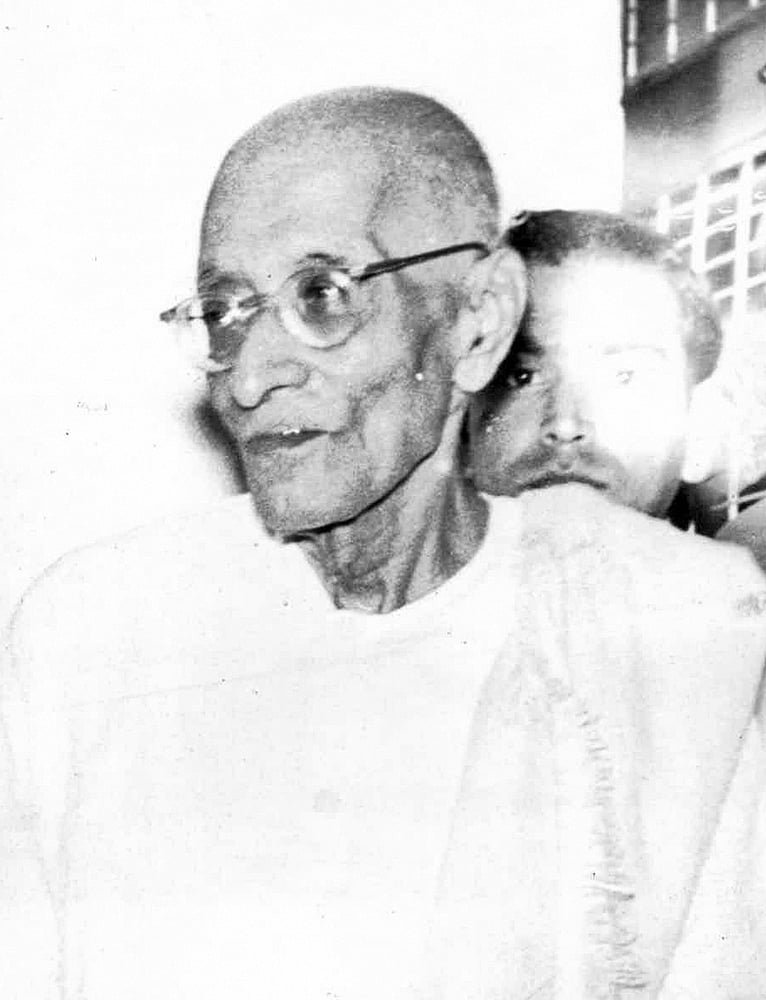
அரசியல் வெற்றி என்பது கொள்கைகளால் அல்ல, செலவழிக்கக் கூடிய பணத்தால் தீர்மானிக்கப்படும் நிலை உருவாகி வந்தது. இதையே அவர் ஜனநாயகத்தின் அடித்தளத்தை மெதுவாக அரிக்கும் ஆபத்தாகக் கண்டார்.
இந்திய வாக்காளர்களின் சமூக நிலைமை அவரது சிந்தனைகளுக்கு முக்கிய காரணமாக இருந்தது. பெரும்பாலான வாக்காளர்கள் ஏழைகள்; பலர் கல்வியறிவு குறைந்தவர்கள்.
நீண்டகால அரசியல் விளைவுகளை விட, உடனடி நன்மைகள் – பணம், பரிசுப் பொருட்கள், மதுபானம், சாதி சார்ந்த உறுதி – வாக்களிக்கும் முடிவை தீர்மானித்தன. இதற்காக வாக்காளர்களை குற்றம் சொல்ல முடியாது; அவர்களை அப்படிப் பயன்படுத்தும் அரசியல் சூழலே குற்றவாளி என்று அவர் தெளிவாகக் கூறினார்.
இந்த நிலை தொடர்ந்தால், தேர்தல் மக்களின் திருவிழாவாக இல்லாமல், அரசியல் கட்சிகளின் பேரமாக மாறிவிடும் என்று அவர் எச்சரித்தார். “யார் அதிகம் செலவழிக்கிறாரோ, அவருக்கே வெற்றி” என்ற எழுதப்படாத சட்டம் அரசியலில் வேரூன்றிக் கொண்டிருந்தது. இதற்குக் காரணம் வேட்பாளர்களின் தனிப்பட்ட குணங்கள் அல்ல; தேர்தல் நடைமுறைகளே தவறான பாதையில் நகர்ந்துகொண்டிருந்தன. வாக்காளர்களை அடையாளம் காண்பது, வாக்குரிமையை நினைவூட்டுவது, வாக்குச் சாவடிக்கு அழைத்துச் செல்வது போன்ற அடிப்படைப் பணிகள் கூட அரசால் செய்யப்படாமல், கட்சிகளின் “சேவையாக” மாறியிருந்தன. இதுவே தேர்தலை லஞ்சத்தின் வாசலுக்கு இட்டுச் சென்றது.
இதனால்தான் வாக்காளரை அடையாளம் காணும் பொறுப்பு முழுமையாக அரசின் கையில் இருக்க வேண்டும் என்று ராஜாஜி வலியுறுத்தினார். ஒவ்வொரு வாக்காளருக்கும் அரசு நேரடியாக அடையாள அட்டையும், வரிசை எண்ணையும் வழங்க வேண்டும். இதை வேட்பாளர்கள் செய்ய விடுவது என்பது, காவலரைத் திருடனாக்கும் அபாயம் போன்றது என்று அவர் கருதினார். வாக்காளர் அடையாள அட்டை வெறும் காகிதம் அல்ல; அது வாக்காளரின் அரசியல் மரியாதை. அதை அரசே வழங்கும்போது, அரசும் மக்களும் நேரடியாக இணைக்கப்படுகிறார்கள்; இடையில் கட்சிகளின் தலையீடு குறைகிறது. இதனால் தேர்தல் செலவுகளும் தானாகவே குறையும்.
இதோடு அவர் நிற்கவில்லை. தேர்தல் செலவுகளை உண்மையாகக் குறைக்க வேண்டுமென்றால், வாக்குச் சாவடி முறையையே மறுபரிசீலனை செய்ய வேண்டும் என்றார். மக்கள் தங்கள் வீட்டிலிருந்தபடியே வாக்களிக்கக்கூடிய நடமாடும் வாக்குச் சாவடிகள் என்ற யோசனை, அந்தக் காலத்தில் பலரை ஆச்சரியப்பட வைத்தது. நீண்ட தூரம் சென்று, கூட்டத்தில் நின்று, பயமுறுத்தலுக்கும் வன்முறைக்கும் உள்ளாகி வாக்களிக்க வேண்டிய சூழல் ஜனநாயகத்திற்கு ஏற்றதல்ல என்று அவர் கூறினார். குறிப்பாக கிராமப்புறங்களில், ஆதிக்கக் குழுக்கள் வாக்குச் சாவடிகளை கட்டுப்படுத்தும் போது, வாக்காளரின் சுதந்திரம் பெயரளவில்தான் மிஞ்சுகிறது.
வீடு வீடாகச் சென்று வாக்குகளைப் பெறும் முறை நடைமுறைப்படுத்தப்பட்டால், லஞ்சமும் வன்முறையும் பெருமளவு குறையும். வாக்காளர் தனிமையில், மனச்சாட்சியுடன் வாக்களிக்க முடியும். கட்சிக்காரர்களின் பயமுறுத்தலும், வாகன வசதிகளும் தேவையற்றதாகிவிடும்.
அரசுக்குச் செலவு கூடும் என்ற எதிர்ப்பை அவர் ஏற்றுக்கொண்டாலும், தேசிய அளவில் பார்க்கும்போது மொத்த தேர்தல் செலவு குறையும் என்று விளக்கினார். அரசின் செலவு அதிகரிக்கும்; ஆனால் வேட்பாளர்களின் செலவு கடுமையாகக் குறையும். பணக்காரன், ஏழை என்ற வேறுபாடின்றி அனைவருக்கும் சம வாய்ப்பு கிடைக்கும்.
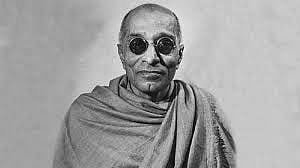
தேர்தலை இரண்டு கட்டங்களாக நடத்தலாம் என்ற யோசனையும் அவரது சிந்தனையில் இடம் பெற்றது. முதலில் நாட்டை வழிநடத்தும் தலைமையைத் தேர்ந்தெடுத்து, அதன் பிறகு நாடாளுமன்ற உறுப்பினர்களைத் தேர்ந்தெடுக்கலாம் என்ற இந்த எண்ணம், இந்திய அரசியல் சூழலுக்கு ஏற்ற புதிய பாதையாக அவர் கருதினார்.
சுதந்திரம் பெற்ற முதல் ஆண்டுகளில் தலைவர்களின் தனிப்பட்ட நேர்மை அரசியல் அமைப்பைத் தாங்கியது. ஆனால் அந்த தலைமுறைக்குப் பிறகு, அமைப்பே வலுவாக இருக்க வேண்டிய கட்டாயம் ஏற்பட்டது என்று அவர் உணர்ந்தார்.
தொழிலதிபர்களின் பணமும் தேர்தலில் பெரிய அபாயம் என்று அவர் எச்சரித்தார். லைசென்ஸ், பெர்மிட் போன்ற அரசியல்–பொருளாதார இணைப்புகள் காரணமாக, நிறுவனங்கள் அரசியல் கட்சிகளுக்கு நிதி வழங்கும் நிலை உருவானது. இதனால் அரசியல் கட்சிகள் மக்களுக்கு அல்ல, நன்கொடையாளர்களுக்கு பொறுப்பானவையாக மாறும் அபாயம் உள்ளது என்று அவர் கூறினார். தேர்தல் செலவுகளுக்கு விதிக்கப்படும் உச்சவரம்புகள் காகிதத்தில் மட்டுமே இருப்பதையும், உண்மையில் அவை மீறப்படுவதையும் அவர் வெளிப்படையாக விமர்சித்தார்.
ஒரு சாதாரண மனிதன் தேர்தலில் வெற்றி பெற முடியாத நிலை உருவாகிவிட்டால், அந்த ஜனநாயகம் பெயரளவில்தான் உயிரோடிருக்கும் என்றார். இதை மாற்ற வேண்டுமென்றால், தேர்தல் செலவுகளை குறைப்பதே முதல் சீர்திருத்தமாக இருக்க வேண்டும். உண்மையான சமூகநீதி என்பது சொத்துக்களைப் பறிமுதல் செய்வது அல்ல; ஏழைக்கும் பணக்காரனுக்கும் சம வாய்ப்பை வழங்கும் அரசியல் அமைப்பே அது என்றார். அதற்குத் தொடக்கமாக தேர்தலை தேசியமயமாக்க வேண்டும் என்ற அவரது கருத்து, இன்று கூட சிந்திக்க வைக்கும் துணிச்சலான யோசனையாக உள்ளது.
ராஜாஜியின் பார்வையில், தேர்தல் என்பது அதிகாரம் பெறும் போட்டி அல்ல; அது மக்களுக்கும் அரசியல்வாதிகளுக்கும் இடையிலான நம்பிக்கையின் சோதனை. உணர்ச்சி அரசியல், வெற்று வாக்குறுதிகள், பயம் காட்டும் பேச்சுகள் ஆகியவற்றை அவர் கடுமையாக எதிர்த்தார். செய்யக்கூடியவற்றை மட்டுமே சொல்ல வேண்டும்; சொல்லியதைச் செய்ய வேண்டும் என்பதே அவரது தேர்தல் நெறி. எதிராளியை இழிவுபடுத்தும் மொழியும், சாதி–மத உணர்வுகளைத் தூண்டும் பிரச்சாரமும் தேர்தலின் ஆன்மாவை அழிக்கும் என்று அவர் நம்பினார்.
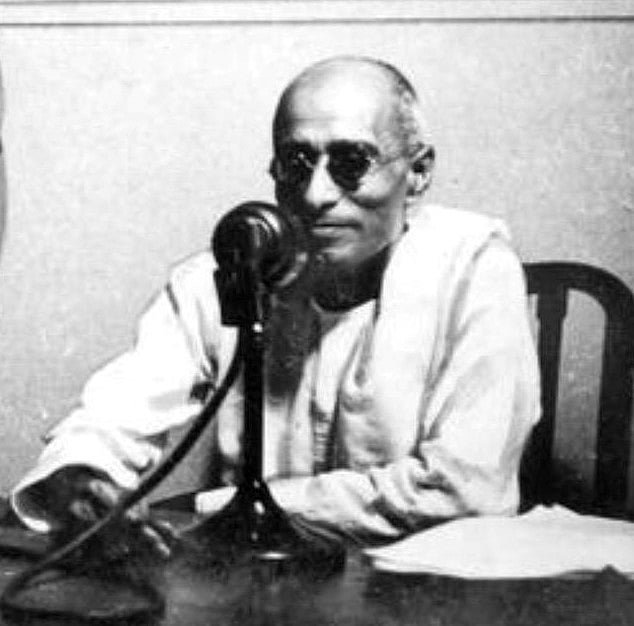
வாக்காளர்களுக்கும் அவர் பொறுப்பை நினைவூட்டினார். வாக்கு என்பது ஒரு சின்ன காகிதம் அல்ல; அது நாட்டின் எதிர்காலத்தை தீர்மானிக்கும் அதிகாரம். அந்த அதிகாரத்தை லாபம் அல்லது பயத்திற்காக பயன்படுத்தக் கூடாது என்றார்.
வெற்றிக்காக தன் சிந்தனைகளை தளர்த்த அவர் தயாராக இல்லாததால், சில தேர்தல் தோல்விகளையும் அவர் சந்தித்தார். ஆனால் அவற்றை அவர் மதிப்புகளுக்கான வெற்றியாகவே பார்த்தார். தேர்தல் வெற்றி தற்காலிகம்; நெறி வெற்றி நிரந்தரம் என்பதே அவரது நம்பிக்கை.
இன்றைய தேர்தல் அரசியலைப் பார்க்கும்போது, ராஜாஜியின் சிந்தனைகள் இன்னும் பொருத்தமாகத் தோன்றுகின்றன. அதிக விளம்பரம், சமூக ஊடக பரபரப்பு, உணர்வு சார்ந்த அரசியல் ஆகியவற்றுக்கு நடுவில், அவரது அமைதியான எச்சரிக்கை குரல் இன்னும் ஒலிக்கிறது.
தேர்தல் என்பது வெறும் எண்ணிக்கை அல்ல; அது ஒரு நாட்டின் மனச்சாட்சி. அந்த மனச்சாட்சி பணத்தின் சத்தத்தில் மூழ்கிப் போனால், ஜனநாயகம் உயிருடன் இருந்தாலும், ஆன்மாவை இழந்ததாகவே இருக்கும். ராஜாஜி நமக்குக் கற்றுக் கொடுத்த பாடம் இதுதான்—அரசை மாற்றுவது தேர்தல்; தேர்தலை காப்பாற்றுவது ஜனநாயகம்.
அவர் சந்தித்த விமர்சனங்கள் சாதாரணமானவை அல்ல. சிலர் அவரை பழமைவாதி என்று குற்றம்சாட்டினர். இன்னொருசிலர், மக்களின் உணர்வுகளை அவர் புரிந்துகொள்ளவில்லை என்றனர். அரசியல் நடைமுறையின் நுணுக்கங்கள் அவருக்குத் தெரியாது, அதிகார அரசியலில் அவர் அப்பாவி என்ற விமர்சனங்களும் எழுந்தன. ஆனால் ராஜாஜி இந்தக் குற்றச்சாட்டுகளுக்கு ஒருபோதும் சத்தமாகப் பதிலளிக்கவில்லை. உடனடி கைதட்டலோ, சமகால ஏற்றுக்கொள்ளலோ அவருக்கு இலக்காக இல்லை. காலமே உண்மையான நீதிபதி, அது தான் சரியான பதிலைச் சொல்லும் என்ற அமைதியான நம்பிக்கை அவரிடம் இருந்தது.
இன்று பின்னோக்கிப் பார்த்தால், அவரது எண்ணங்கள் தனிப்பட்ட வெற்றியை நோக்கி அல்ல, நீண்டகால சமூக நலனை நோக்கியவையாக இருந்தது தெளிவாகிறது. அன்றைய அரசியல் சூழலில் நடைமுறைக்கு அப்பாற்பட்டதாகத் தோன்றிய பல யோசனைகள், காலப்போக்கில் ஜனநாயகத்தை காக்க வேண்டிய அடிப்படைச் சிந்தனைகளாக மாறியுள்ளன. அதுவே ராஜாஜியின் பார்வையின் ஆழமும், அவரது அமைதியின் அர்த்தமும்.
இந்த நாள் (டிசம்பர் 25), இந்திய அரசியல் மற்றும் அறிவுசார் வரலாற்றில் ஆழமான தாக்கத்தை விட்டுச் சென்ற ஒரு நினைவுநாள். ஜனநாயகத்தை மனச்சாட்சியாகக் கொண்டு வாழ்ந்த ராஜாஜியின் வாழ்க்கையும் சிந்தனையும் அமைதியாக நினைவுகூரப்படும் நாள் இது.
மூலதளம்: India News
Click the link above to read the full article on the original website.