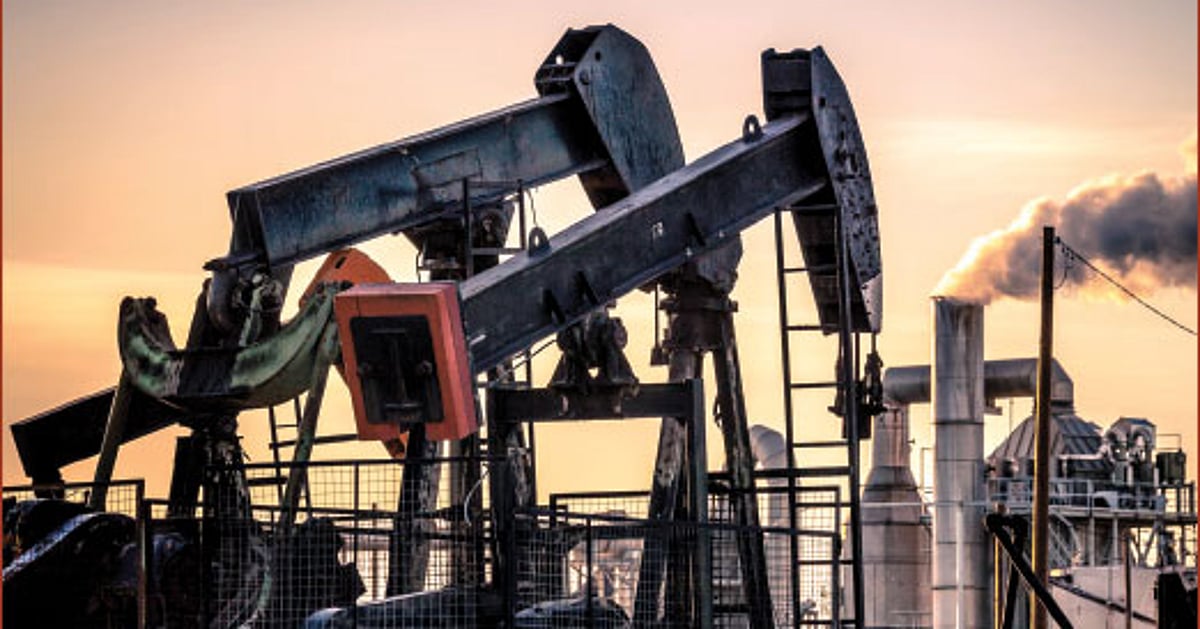
War is intensifying in the Middle Eastern countries. Already, shipping in the Strait of Hormuz has been disrupted due to the US-Iran war. On the other hand, the Iran-backed 'Houthi' rebels operating in Yemen have seized 'Perim' Island in the 'Bab el-Mandeb' strait, the most important shipping route in the Red Sea. They have also brought the coastal cities of Hanish Island, Mocha, and Dhabab under their control. With the Houthis now dominating the Red Sea route as well, global crude oil supply has been severely affected.
At this stage, an attack has been carried out on Saudi Arabia’s largest oil pipeline.
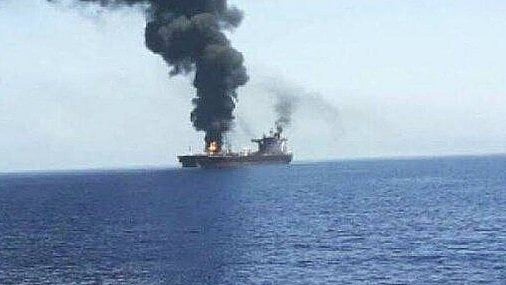
Oil pipelines located in Saudi Arabia’s Riyadh and Medina regions were attacked by drones on Thursday morning. Some people were injured, and property damage has also occurred.
Taking responsibility for this, the Iraqi Prime Minister has dismissed the military commander of the country’s Maysan province from his post. In addition, the Iraqi government has immediately closed the ‘Shalamcheh’ checkpoint near the Iranian border.
Meanwhile, as a precautionary measure, Saudi Arabia has temporarily suspended operations of the 1,200-kilometer-long East-West Crude Oil Pipeline, which runs across the Arabian Peninsula. The Saudi Ministry of Energy said this decision was taken following an aerial attack on the oil pipeline route. Saudi Arabia and Iraq have said the attack was carried out by Iran-backed militant groups operating in Iraq.
As a result of this action by the Saudi government, crude oil prices in the global market have crossed $100 per barrel. Moreover, this main Saudi pipeline used to transport 4 to 5 million barrels of oil per day. That accounts for 4% to 5% of global supply. That too has now been disrupted. In addition, the International Energy Agency (IEA) has expressed concern that Saudi Arabia’s crude oil supply has fallen to a level not seen in the past 30 years due to the series of attacks.
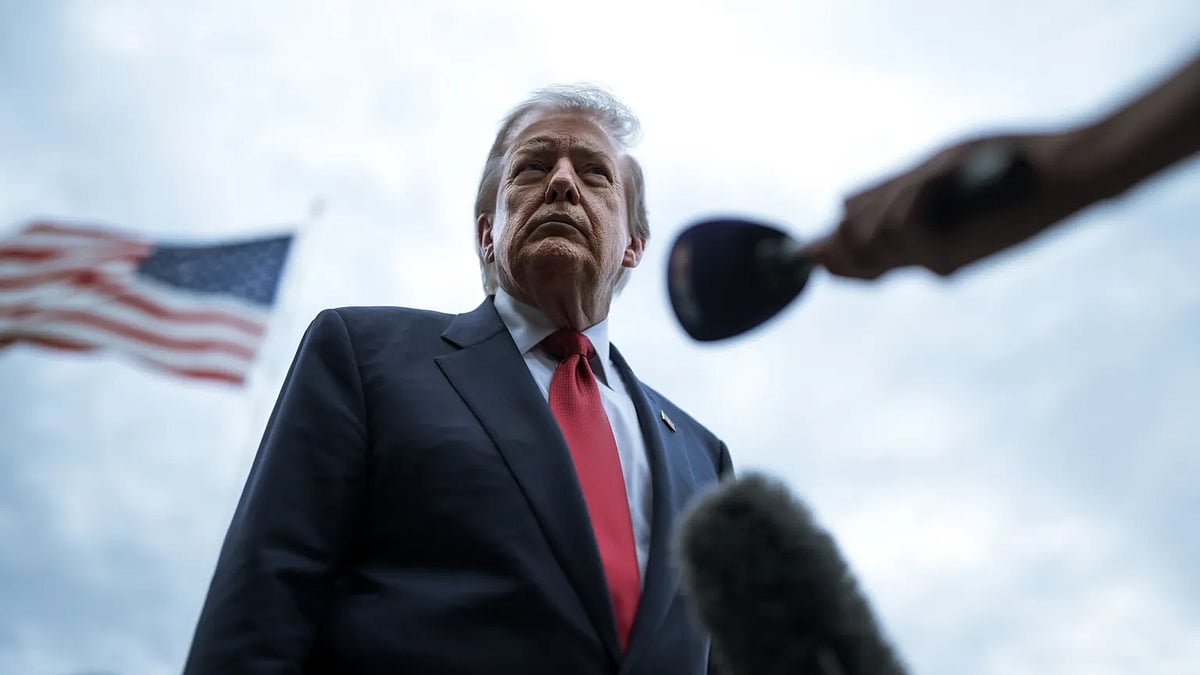
At the same time, Saudi Crown Prince Mohammed bin Salman has reportedly urged U.S. President Donald Trump in a phone call to provide direct military assistance to confront the Houthi rebels. However, reports say that for now the United States has refused to engage directly in military action and has agreed only to assist with intelligence information and target identification. Although the situation has intensified, Saudi Arabia has so far not launched any retaliatory attack, heeding the Iraqi prime minister’s request. Nevertheless, Saudi Arabia has openly stated that it has the right to take all necessary measures to protect its national interests. Therefore, the war is expected to intensify further.