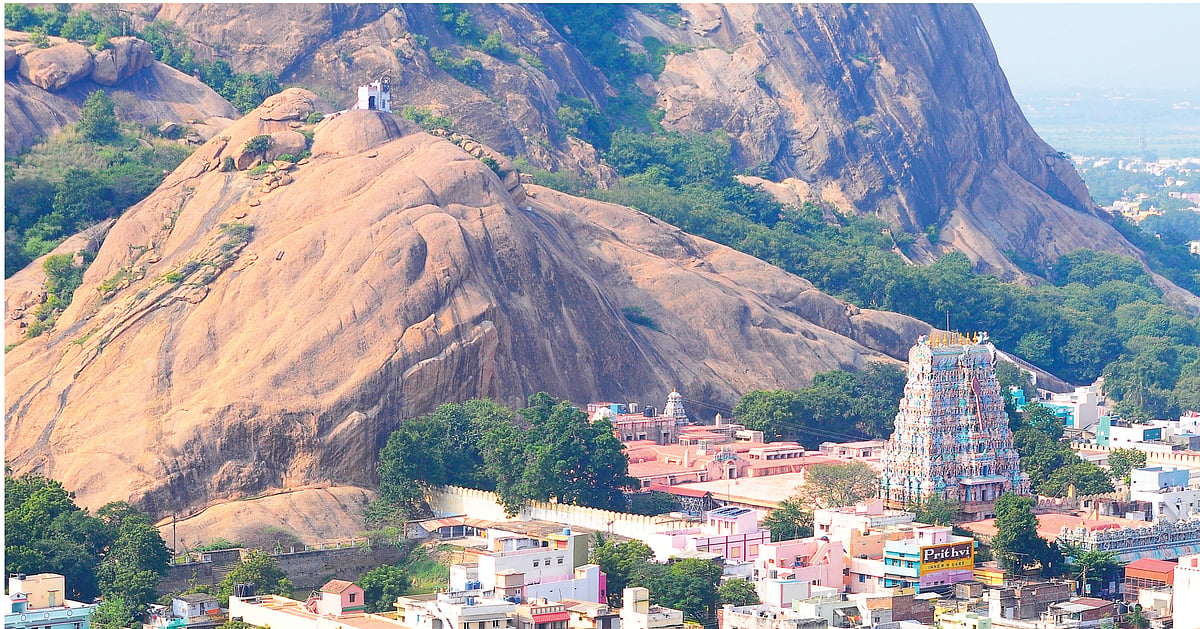
A special leave petition has been filed in the Supreme Court by the Hazrat Sultan Sikandar Badusha Aulia Dargah side, challenging the Madurai Bench of the Madras High Court’s order regarding the lighting of Karthigai Deepam on the stone pillar at the summit of Thiruparankundram hill in Madurai district. This appeal has been filed against the common judgment of the High Court’s two-judge bench issued on January 6, 2026.
Thirupparankundram Hill rises to an approximate height of 1,050 feet, with two peaks and several hills at different levels. The Arulmigu Subramaniya Swamy Temple is situated at the foothills of this hill. It is a cave temple, with its sanctum carved into the mountain itself. Its other shrines are also located around the base of the hill. Until 1983, this temple was administered as a subsidiary temple of the Madurai Arulmigu Meenakshi Sundareswarar Temple; since then, it has been managed by an executive officer and a board of trustees under the Hindu Religious and Charitable Endowments Act, 1959.
The Kashi Vishwanathar temple is located slightly below the dargah and near a spring (sunai). The Uchip Pillaiyar temple is situated further down, and currently the Karthigai Deepam is lit only in the Deepa Mandapam there. On the western side of the hill, at a lower level than the dargah, Jain beds and springs can be seen.
Built at the summit of Dargah Hill in memory of the Sufi ascetic Sultan Sikandar Shah. It is managed by the Dargah administrative trustees and members of the Jamaat. It includes the mosque, the flagpole at its summit, the steps leading to the hilltop, and the gooseberry grove.
Under the Ancient Monuments Preservation Act of 1904 and the Act of 1958, this hill has been declared a protected area spanning 172.2 acres.
A century-long history.. and legal battles!
In this case filed by the temple side, the Madurai Subordinate Court delivered its judgment on August 25, 1923. It declared that the dargah was the owner of the Nellithoppu, all the objects there, the steps leading to the hilltop, the new mandapam, and “the entire hilltop area where the mosque and the flagstaff are located.” The court recorded that the mosque had been in the exclusive possession of the dargah owners for more than a century.
After appeals by the High Court and the government, the Privy Council, consisting of five judges, in its judgment delivered on May 12, 1931, reinstated the 1923 decision of the subordinate court. This judgment has attained finality and is binding on both parties.
The High Court ordered that Karthigai Deepam must be lit by the Devasthanam only at the traditional location (usually near the Uchipillaiyar Temple), and that in the future, if the lamp is to be lit anywhere else, prior permission must be obtained from the Hindu Religious and Charitable Endowments Department, and that it must be at least 15 meters away from the dargah, the steps, and the gooseberry grove.
The petitions and appeals filed seeking permission to light the lamp either at the hilltop or near the 'Kuthirai Sunai' were dismissed in 2014 and 2017. The court confirmed that no lamp had ever been lit at Kuthirai Sunai in any year.
In the case against the traditional practice of animal sacrifice at the dargah, the single judge who delivered the verdict on October 10, 2025, ordered that since the dargah area is a protected area, no animal sacrifice, cooking, or carrying of non-vegetarian food there is permitted until the competent civil court gives its ruling.
The current dispute and High Court rulings
In October 2025, a man named Rama Ravikumar, known as a devotee of Murugan, filed a petition seeking permission to light the Karthigai Deepam on the stone pillar (Deepathoon) at the hilltop. The temple administration rejected it, saying that, according to traditional practice, the lamp is lit only near the Uchipillaiyar temple. In the case he filed challenging this, a single judge delivered a verdict on December 1, 2025, without properly examining the dargah. Stating that the area where the stone pillar stands is 50 meters away and therefore temple-owned land, the judge ordered that the lamp be lit there.
A two-judge bench, which heard the appeals filed by the dargah and the government against the single judge’s order, delivered its judgment on January 6, 2026. It held that the 1920 judgment had excluded only “the dargah and the flagpole,” and that the remaining hill belonged to the devasthanam, and ordered that a lamp be lit on that stone pillar (deepathoon).
Key legal arguments on the dargah side
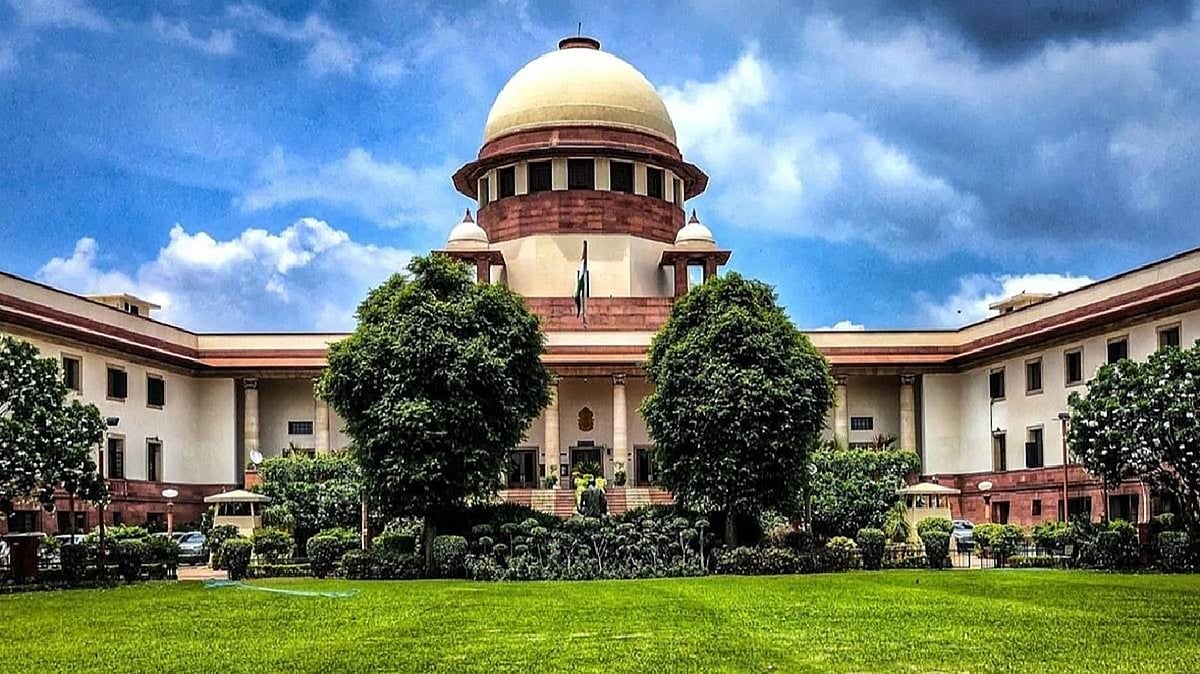
An appeal against this order has now been filed in the Supreme Court on behalf of the dargah administration. The main points stated in it are:
According to the 1920 civil judgment and the Privy Council order, the dargah is the owner of the entire hilltop area “including the mosque and the flagpole.” However, the High Court bench narrowed this to “only the area where the dargah and the flagpole are located.”
There is no historical evidence that Karthigai Deepam was lit on the hilltop. Attempts made in 1862 and 1912 were stopped. The views of the temple priests and the arguments that it was contrary to Agama rules were dismissed.
No formal land survey or boundary demarcation has so far been carried out to determine who owns the land where the stone pillar, ordered to be lit, is located.
Safety provisions such as the 15-meter buffer zone mentioned in the 1996 judgment have been ignored in the current ruling, putting the dargah’s safety into question.
Such detailed information has been mentioned in the petition.
This special leave petition has been filed in the Supreme Court on behalf of the management of the Hazrat Sultan Sikandar Badusha Aulia Dargah, seeking to quash the order of the High Court’s two-judge bench directing that lamps be lit in a protected hill area, in a manner that overrides century-old judgments and land-survey methods and creates a new ritual.