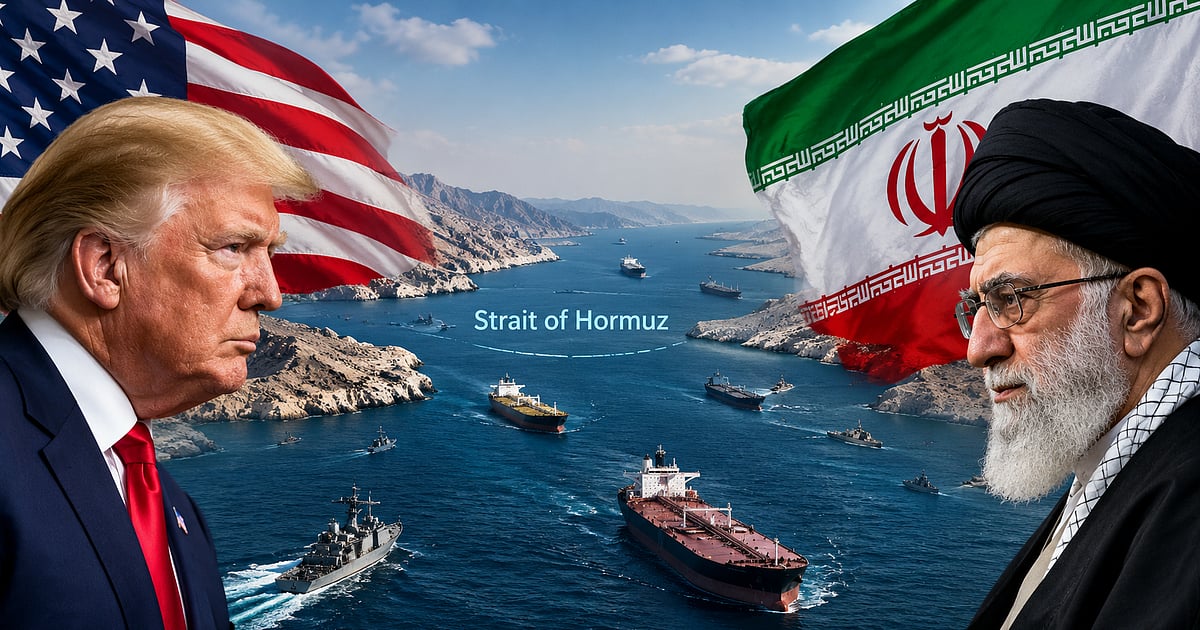
“Last week it was this... this week it is that” — in the same way, the United States and Iran keep changing their stance and speaking differently about the Iran war.
At the end of last week, Iran waved the white flag, saying, “If our 7 conditions are accepted, Hormuz will be opened within the next 7 days.”
At the United Nations General Assembly, U.S. President Trump also said, “A deal with Iran will be reached after the midterm elections to be held in the United States this coming November.”
The Iranian delegation had gone to New York in the United States for the United Nations General Assembly.
There, Iran and the United States held discussions. Everything was going well.

Changed statements
Whatever happened in between... whatever it was... Trump said, ‘I cannot accept the conditions Iran is putting forward.
After the November election, a major attack will be carried out on Iran,’ he said the day before yesterday (September 26).
Iran has also responded to Trump’s remarks, saying, “We are ready for negotiations. But if we are attacked, we will strike back.”
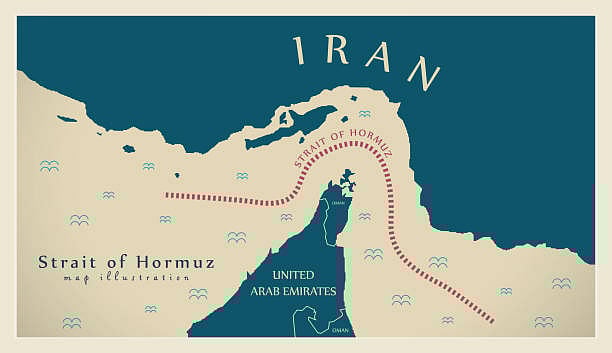
The war between Iran and the United States does not end within the two countries alone. It must be said that these two countries are gambling with the Strait of Hormuz.
The Strait of Hormuz is a major global oil transport route. What happens if it is closed is something we have been seeing over these past seven months.
Beyond the Strait of Hormuz, attacks in this war have also targeted oil infrastructure in Middle Eastern countries. This too has shaken the oil market.
This war should not be approached merely from a political perspective, but from an economic one as well. And immediately.
The reason is that the flood has already reached the shore. We are at a point where it could cross the shore and come onto land at any moment... it’s a matter of “now... or later...”
The right example for this...
The interest rate on the United States’ 10-year Treasury bond has crossed 5 percent. The last time this interest rate reached that level was in 2007.
On closer thought, it was a period when the whole world was facing a financial crisis.
Threats of rising inflation, higher crude oil prices, central bank interest rate hikes, and economic data released in the United States have pushed up Treasury bond yields.
The rise in Treasury bond yields points to the inflation that is hiding in plain sight before our eyes.
What happens next?
After U.S. Treasury bonds, investors will move toward the fact that interest rates have increased.
The central bank, the Federal Reserve, will raise its interest rate so that investors do not leave and to retain them.
For goods to become commerce... the lifeline for reaching customers is “fuel.” Now its price has risen... and there is a shortage of it.
As a result, the threat of inflation continues to persist. So, to cope with the competition from U.S. Treasury bonds and to control the inflation threat, banks will increase interest rates. This will further increase the burden on people.
Taking India as an example...
In India, crude oil is imported. U.S. dollars are definitely needed for this. As a result, to preserve foreign exchange reserves, the Indian government has asked people to reduce buying gold and silver.
As tensions continue to persist between Iran and the United States, crude oil prices are rising. To cope with this, foreign exchange is becoming even more necessary for India.
On the other hand, the value of the Indian rupee is also declining.
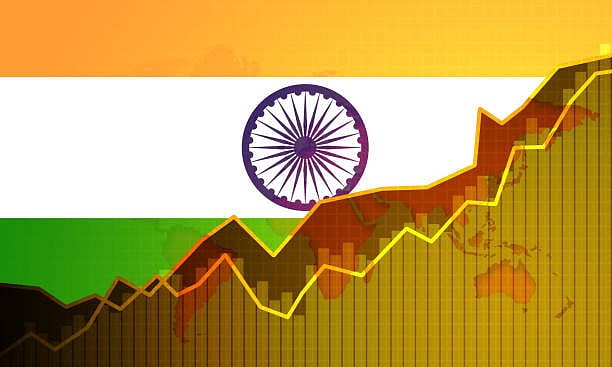
Due to factors such as the fall in the Indian rupee’s value and the rise in U.S. Treasury bond interest rates, foreign investors are pulling their investments out of India.
As soon as crude oil prices start rising, the threat of inflation in India begins to loom.
Due to the rise in crude oil prices and fears that the Iran war may resume, the Nifty is currently trading below 23,000.
When the Federal Reserve raises interest rates, there is also a chance that the Reserve Bank of India will increase rates to retain investors.
This rise in interest rates will also be reflected in the loans people have taken. All of these are things that should alert us.
We can take India as just an example. An almost similar situation applies to most countries around the world.
So, is the global economy the sacrifice in the gamble that America and Iran are playing by putting Hormuz at stake?!