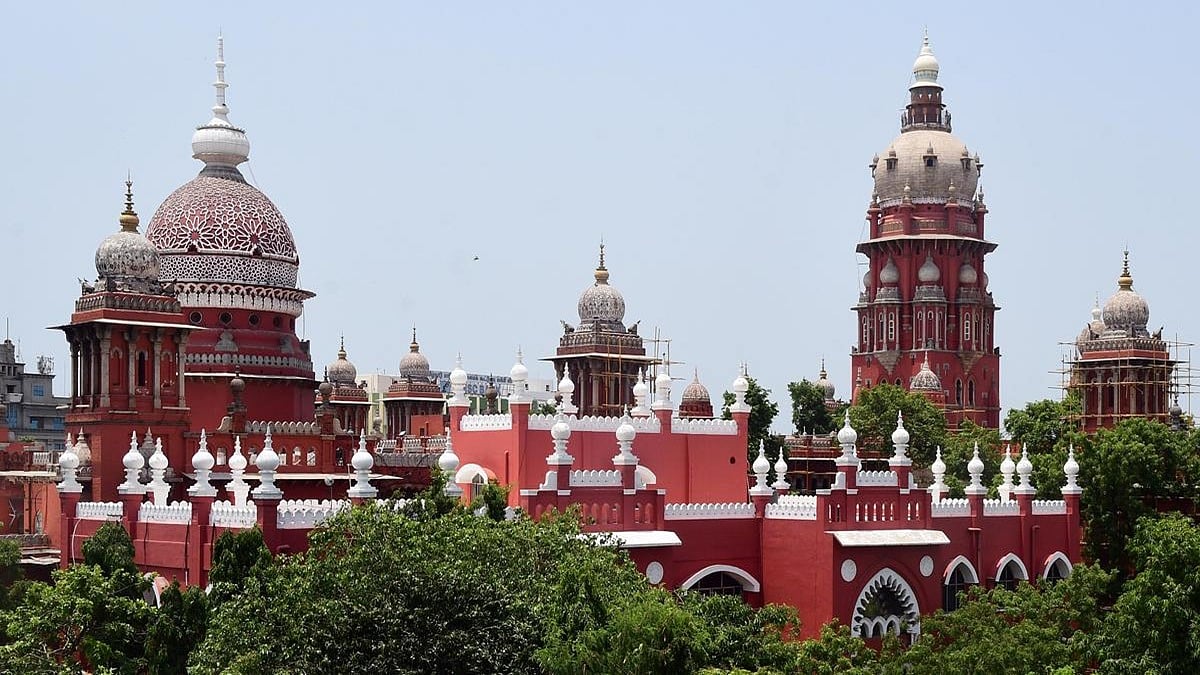
Chennai: “No one should be granted permission to hold protests in a manner that attacks the judiciary’s day-to-day functioning and judges personally, and creates defamation,” the High Court has ordered the Tamil Nadu government.
The Madurai Bench of the High Court had ordered on June 25 that a person who has converted to Islam cannot seek a caste certificate as a Muslim belonging to the Backward Class.
In response to this order, organizations including Tamil Nadu Thowheed Jamath and Tamil Nadu Muslim Munnetra Kazhagam held protests across Tamil Nadu. At that time, R. Karthikeyan from Chennai filed a public interest litigation in the Madras High Court, accusing them of campaigning in a way that defamed the judge who delivered the verdict.
In his petition, “An order should be issued to take action against Islamic organizations that engaged in propaganda by personally attacking the judges who delivered the verdict.
He had requested that, in the future, public campaign meetings, protests, or posts on social media that personally insult judges should not be permitted.
This case came up for hearing before a bench comprising Chief Justice S.A. Dharmadhikari and Justice G. Arulmurugan.
At that time, the police side stated that action had been taken by registering cases against those who had engaged in an unauthorized protest in a manner that insulted a High Court judge.
It has been stated in the order issued by the judges thereafter: The Supreme Court has already made it clear that judicial independence is a basic structure of the Constitution. No one can interfere with it.
Criticizing judges in public in a personal manner for the decisions taken by the judiciary, attacking them and engaging in propaganda, or staging protests would undermine the very foundation of constitutional procedure.
It is not possible to personally target and attack the judges concerned over court verdicts. That falls within the limits of freedom of expression and speech
It will not happen. At the same time, it is not possible to impose a blanket ban on all public debates or on peaceful gatherings to engage in protests.
The government machinery must ensure that no incident takes place in a manner that threatens the integrity and security of the judiciary.
In particular, no one should be allowed to protest in a way that personally attacks the judiciary’s day-to-day activities and judges, or defames them. The police must take appropriate legal action against those who issue threats to judges.