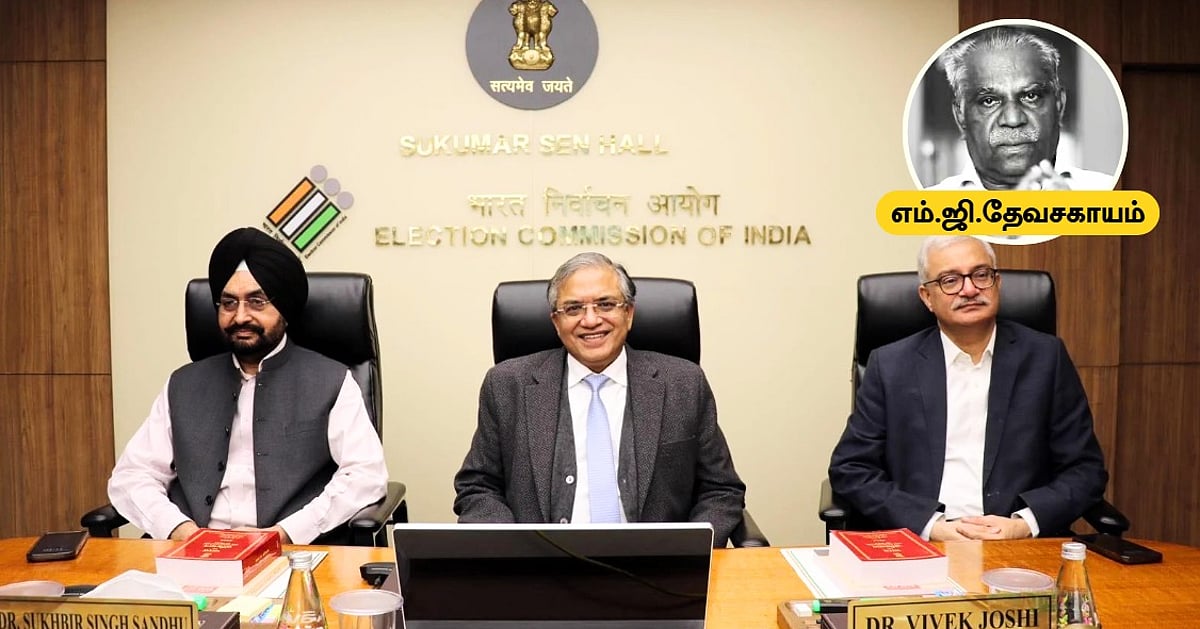
(Disclaimer: All the opinions expressed in this article are the personal views of the author. They are not the views of Vikatan - Editor)
The controversies that have now arisen regarding the Election Commission of India are not something that have suddenly sprung up. This troubling trend began as early as 2017.
After the Modi-led government came to power, the investigative agencies and constitutional institutions functioning under the central government have been gradually weakened. The Election Commission is one of them.
The decline of the Election Commission!
The functioning of the Election Commission, which is supposed to operate independently and impartially, is deeply concerning. My allegation is that in recent years, those appointed as Chief Election Commissioners and Election Commissioners have been acting in subservience to the central government. I can cite many examples to support that.
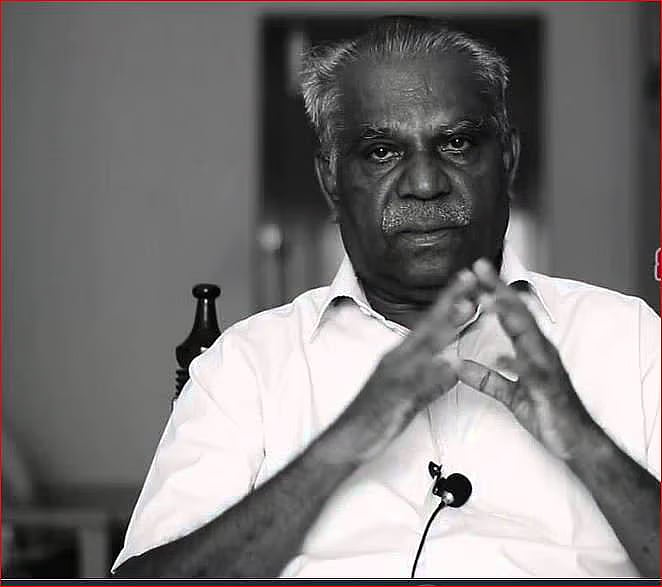
Ashok Lavasa, who served as an Election Commissioner, is an honest officer. I was an IAS officer in the Haryana cadre. He was junior to me during my service. A very capable officer. He should have become the Chief Election Commissioner.
However, during the 2019 parliamentary elections, Prime Minister Modi’s campaign was conducted on a massive scale. Prime Minister Modi repeatedly violated the election code of conduct. Lavasa did not ignore matters he believed amounted to violations of the election code of conduct. He continued to record objections against them. Four or five times, he formally expressed his dissent.
“The election code of conduct should apply equally to the Prime Minister” and “If there is a violation, action must be taken” he repeatedly emphasized. He did not do anything against Modi personally. Lavasa recorded his views only to ensure that the election code of conduct was properly enforced.
At that time, various actions against Lavasa began. Suddenly, various accusations and rumors surfaced regarding the bank where his wife worked and regarding his son. A major campaign was carried out in connection with that. Many matters related to money were discussed. Lavasa was subjected to a great deal of hardship. In the end, they created a situation in which he had to resign from the post of Election Commissioner.
Reports emerged that negotiations were held with him along the lines of, “Resign and come out. You will be given an important position.” He was given the post of Vice President at the Asian Development Bank. Someone who was supposed to become India’s Chief Election Commissioner ultimately ended up in the position of Vice President of an international bank. Even then, he did not accept it and stay there. He chose a different path.
Background of Gnanesh Kumar
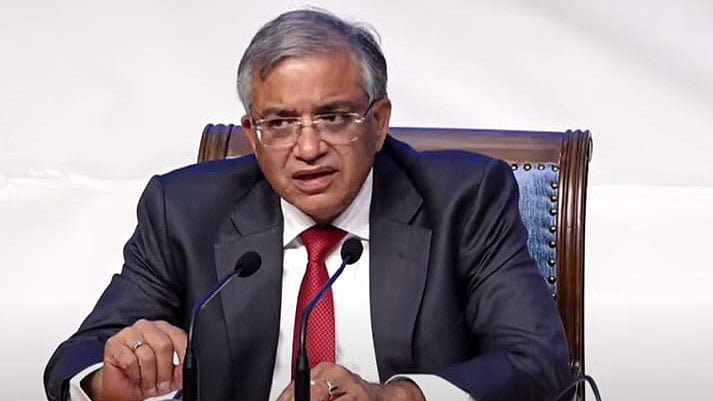
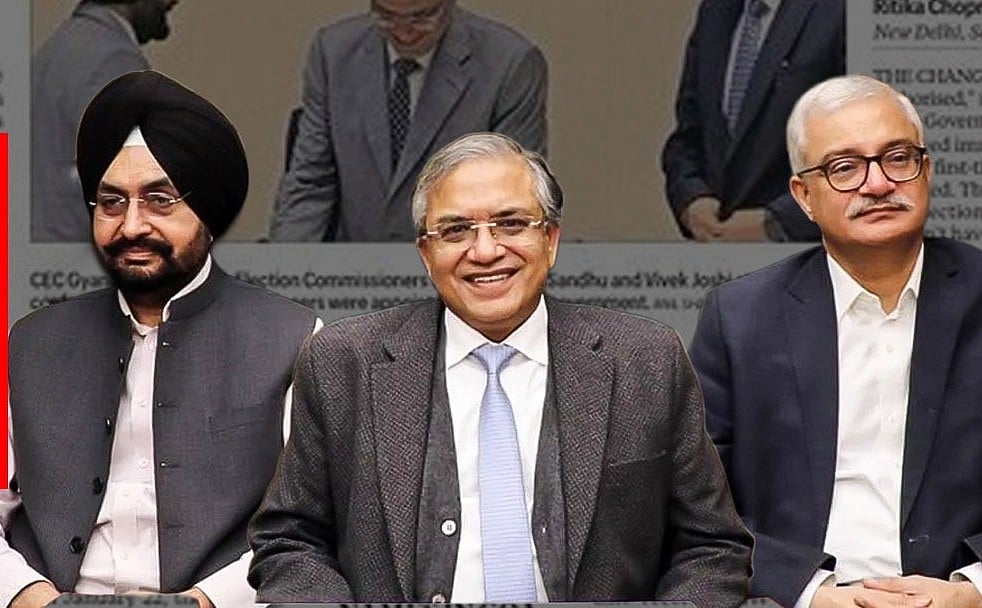
After that, we need to look at what kind of people have come in as election commissioners. It is during the tenure of Gnanesh Kumar Gupta, who is currently the Chief Election Commissioner, that major problems have erupted. He is an IAS officer from the Kerala cadre. While serving in Kerala, corruption allegations were raised against him. Later, he moved to Delhi. There, he rose successively as Joint Secretary, Additional Secretary, and Secretary.
The Central Government created a separate ministry for cooperation. Gnanesh Kumar was appointed as its first Secretary. It is noteworthy that Amit Shah, the Home Minister, is also the Minister for Cooperation. The closeness between Amit Shah and Gnanesh Kumar increased. In the action related to the removal of Article 370 in Jammu and Kashmir, Gnanesh Kumar played a key role in the planning.
He was the head of the committee formed to prepare the draft plan for that operation. At that time, he was serving as Additional Secretary in the Home Ministry. After that, having held important responsibilities in both the Home Ministry and the Cooperation Ministry, he was later appointed as the Chief Election Commissioner.
After that, the parliamentary Lok Sabha election was held. My consistent allegation has been that the biggest irregularities took place in that election. I have also released many pieces of evidence for that. There is also a suspicion that similar irregularities may have occurred in some of the state assembly elections held after the parliamentary election.
For example, I suspect that they tampered with the electronic voting machines and altered the election results. The allegation that irregularities were committed in the electronic voting machines in elections held in states including Maharashtra and Haryana should be investigated.
Why SIR?
Before the coronavirus pandemic, the central government took steps related to the Citizenship Amendment Act (CAA) and the National Register of Citizens (NRC). This drew strong opposition across the country. It was at that time that the coronavirus outbreak also occurred. As a result, a situation arose in which the CAA and NRC measures could not be fully implemented.
At the time, criticism arose that the CAA and NRC could be used in a way that would affect the citizenship of minorities. In particular, fears were expressed that minorities, including Muslims and Christians, could be drawn into citizenship-related problems.
I have a suspicion that, if they cannot do it directly, they are trying to achieve the same objective through the voter list by using the Election Commission. I view the SIR exercise in that context. The decision to begin the SIR process was taken only a month before the Bihar Assembly election. Would they start such a large-scale exercise only a month before an election?
There are no proper files for this in the Election Commission, and full approval from the Commission was not obtained. Decisions were made through WhatsApp. Even then, the election commissioners had objected. In particular, objections were raised that issues related to citizenship should not be included in this. Nevertheless, all those aspects were included.
Proper regulations have not been formulated. The guidelines have not been fully laid out. Adequate training has also not been provided to the employees who are supposed to carry out the work. When such a huge responsibility is entrusted to government school teachers and lower-level staff who are already doing their regular duties, it is essential to provide them with proper training. If such a massive task is imposed on them without adequate training, mistakes are naturally bound to happen.
Tamil Nadu, West Bengal...
People in Bihar approached the Supreme Court against the SIR exercise. In this situation, the procedure was extended to other states as well. In the second phase, it was carried out in states including Tamil Nadu and West Bengal. Now, in the third phase, operations are being conducted on an even larger scale.
Reports are coming in that there is a plan to remove up to 50 percent of voters’ names in Bengaluru. I am in Bengaluru myself. I am directly seeing such problems within the city.
Many actions related to SIR have been carried out without the knowledge of the two Election Commissioners or without obtaining their approval. Some amendments have been made to Form-6. Despite objections that provisions such as proving citizenship should not be introduced in it, those provisions have been included.
The actions related to ‘Logical Discrepancy’ carried out in West Bengal must also be examined. Reports have emerged that both Election Commissioners did not approve the measures taken, including the changes made after the SIR conducted in Bihar.
The Election Commission has a separate information technology division. There is an allegation that certain actions are being carried out by using that division and those in charge of it. If such actions were taken without the formal approval of the Election Commission, it is a serious legal issue.
Regarding SIR, I have already sent a letter to the Election Commission. The election manual itself includes a provision called ‘Public Audit’. That is, it is not enough for government employees alone to verify the voter list. The people living in that area must also have a role in it. Governments are elected by the votes of the people. In that case, the people should have a direct role in verifying the voter list as well.
Once the draft voter list is published, it should be made available for public viewing at least a week in advance. After that, public meetings should be held in village assemblies and ward by ward in towns and cities. That list should be read aloud in front of the people.
Who lives in that area? Who has died? Who has moved elsewhere? Who has migrated? Whose name has been left out? Only the people of that area know all this well. They are the ones who can point it out immediately.
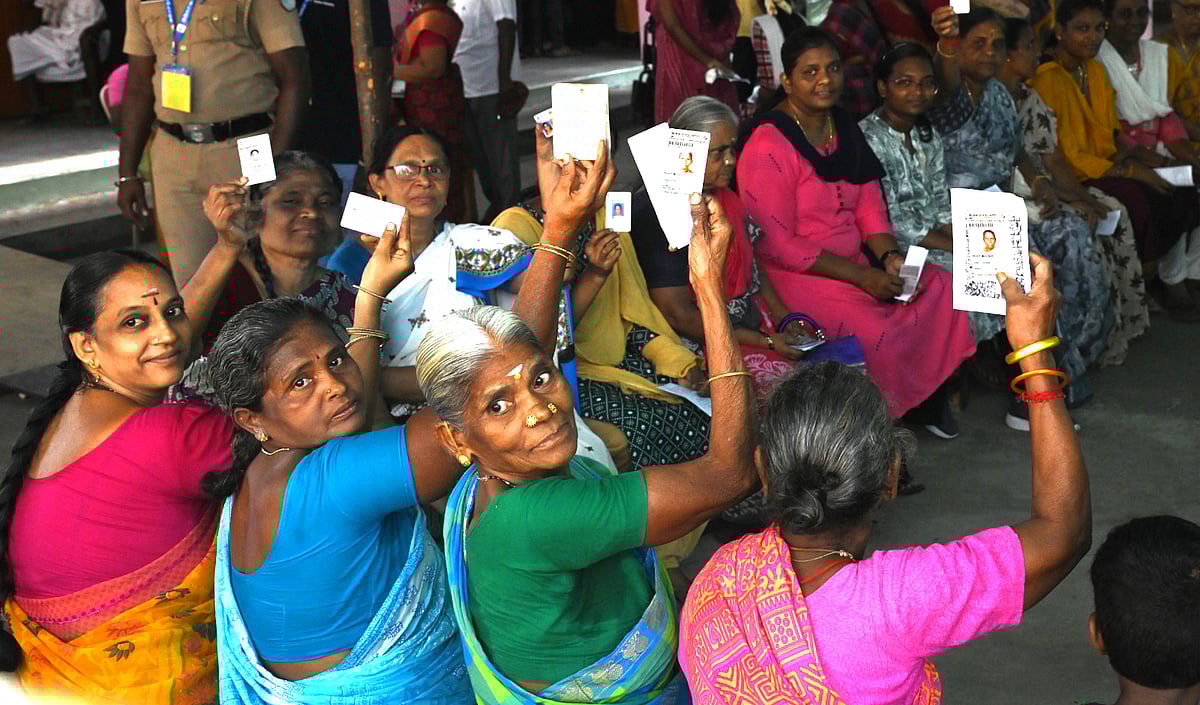
“Removing this name was a mistake,” “This person lives here; but their name is missing,” “This person has died,” people can say these things directly. All such information should be openly recorded, and the concerned local body as well as the public should sign and submit it. Based on that, the final voter list should be prepared and announced. That would be the true voter list verification process with public participation.
The main question here is only this: Who approved it in the Election Commission? Who did not approve it? It is not enough for just two or three people to sit and make decisions. If cases were filed in court relying only on the information provided by the Election Commission, without consulting the relevant experts about the legal and administrative consequences of those decisions, that is not the right approach.
Therefore, there is also a need to keep questioning the judiciary on this issue. We will continue to pursue that legal battle as well. Looking at the overall impact of these issues, a situation has arisen in which the very foundation of democracy is being called into question.
The voter list is the foundation of an election. If that list itself is not transparent and trustworthy, public confidence in the electoral process will be affected. So this is not merely an administrative issue related to the Election Commission. It is an issue that can affect the very foundation of democracy.
Strange Situation!
Because of SIR, I believe a strange legal situation has arisen. The 2024 parliamentary election, as well as the state assembly elections in Maharashtra, Haryana, and elsewhere, were held based on the voter list that existed at that time. After that, the SIR exercise was carried out, and a new voter list was created for states including Bihar, West Bengal, Tamil Nadu, Kerala, and Assam.
This creates a situation where there are two different voter lists. Can both lists be constitutionally valid at the same time? If we accept that the voter list used in 2024 was valid, how can the current list be valid? If the current list is the valid one, then what is the status of the list used in 2024? If someone who was not eligible to vote in the 2024 election had voted, what would be the legal validity of that election? Likewise, if the names of 15 percent of voters have now been removed, what becomes of the results of elections held without those 15 percent of voters?
In many constituencies, the margin of victory is only around 3, 5, or 8 percent. In such a situation, if 15 percent of voters have been removed from the rolls, isn’t it natural to question the legality of those elections? This question applies to the parliamentary elections as well. It also applies to states like Maharashtra and Haryana. Likewise, questions are being raised about its impact in states such as Tamil Nadu, Bihar, and West Bengal. On behalf of civil society organizations, we are examining the legal issues concerning this across the country.
We are carrying out such work on behalf of organizations working for electoral reform, including the ‘Citizen‘s Commission on Elections’, ‘Vote for Democracy’, and ‘Forum for Electoral Intergrity’. Our position is clear: there are serious questions about conducting future elections using only the current SIR list. There are already questions about the legality of elections held based on this list. This could lead to approaching the courts. If such a situation arises, the Tamil Nadu Assembly election will also come under this legal question. It is on that basis that we are pursuing this issue legally.
We are also planning to hold a national-level online seminar on October 3. In it, we will discuss this issue in detail. After that, we are also planning legal steps to approach the Supreme Court. We will announce at the appropriate time what form the next step will take and through which route it will be pursued.!