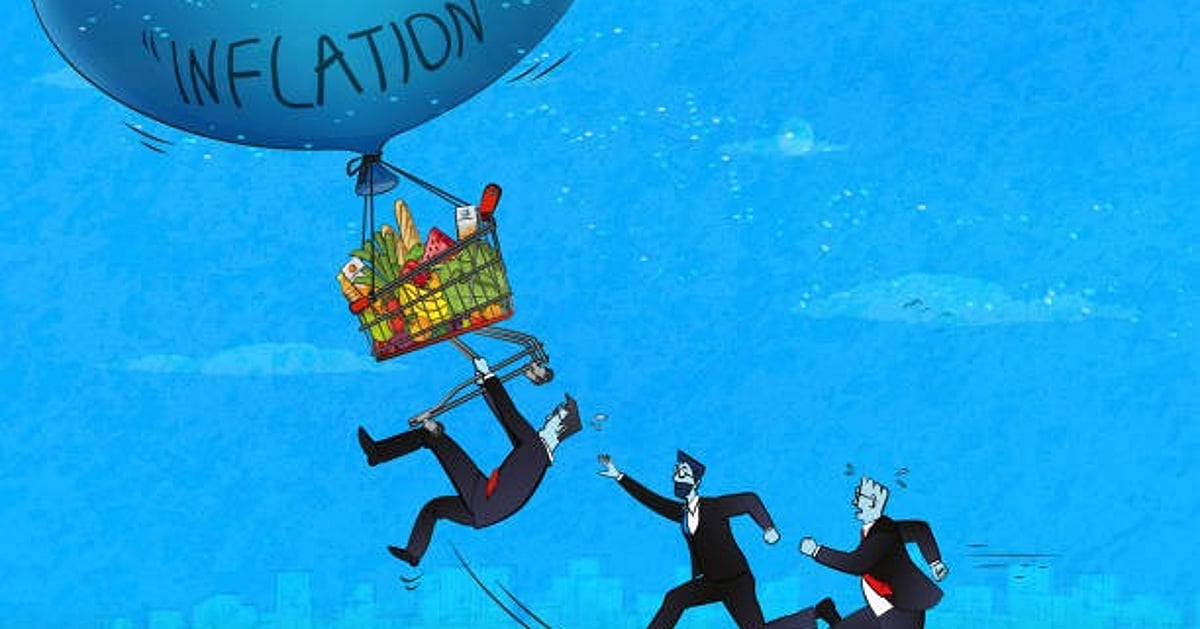
The day before yesterday (October 12), the central government released the Consumer Price Index (CPI) report for last September.
According to that report,
India’s inflation, which stood at 4.83 percent in August, rose to 5.54 percent in September.
Looking at the Consumer Food Price Index, it was 5.97 percent in August. It has now risen to 7.74 percent.
Major items that saw the highest inflation in September... (compared with August)
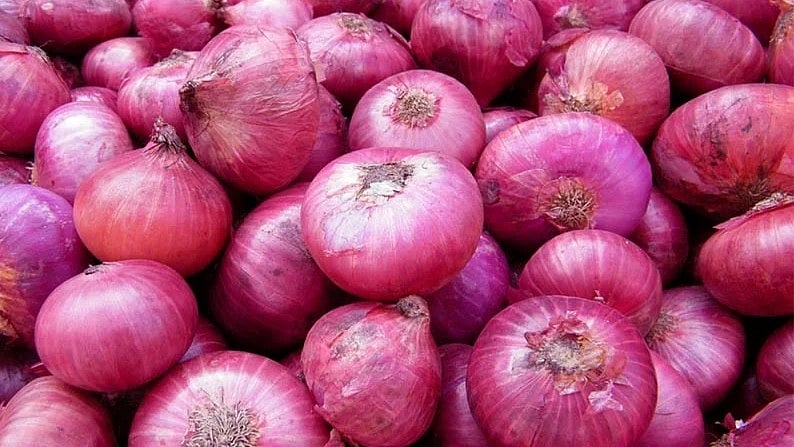
> Onions rose from 48.78 percent to 108.09 percent.
> Silver jewelry has decreased from 106.81 percent to 87.80 percent.
> Ginger has decreased from 73.82 percent to 62.85 percent.
> Garlic has increased from 43.60 percent to 54.62 percent.
> Lemon has increased from 15.15 percent to 36.41 percent.
Although silver jewelry and ginger were lower than in August, in general they have still risen in terms of inflation.
In September, inflation for potatoes, tomatoes, motor cars and jeeps, okra, and coconuts decreased.
In the CPI report, Tamil Nadu (6.81%) is in first place in the list of the top 5 states with high inflation, followed by Odisha, Madhya Pradesh, Telangana, and Andhra Pradesh.
Tamil Nadu (10.62%) has secured the top spot among the top 5 even in food-based inflation.
The next positions are occupied by the states of Andhra Pradesh, Odisha, Karnataka, and Maharashtra.
What we need to note in this report is Tamil Nadu’s rise in inflation.
Tamil Nadu’s former Chief Minister Stalin had posted this report on his X page yesterday.
Most importantly, in his post, Tamil Nadu’s inflation, which stood at 3.36 percent last January,

Last June, it was 5.24 percent,
In July, it was 5.44 percent,
In August, it was 5.96 percent,
and in September, it had risen to 6.81 percent.
Looking at the basis of the current inflation...
> Even though it is October this year, the scorching heat is still relentless. The rains have not been proper.
Now there is also El Niño.
> Due to the war situations prevailing internationally, the price of crude oil has increased.
This has further increased the cost of transporting goods.
> Items such as cooking oil, pulses, fruits, and dry fruits, as well as products like soap and shampoo, are also imported from abroad. There is inflation in foreign countries as well.
Moreover, due to the international situation, the value of the Indian rupee has fallen. This also raises import costs.
These are what have been driving up the prices of all goods.
These reasons apply to all the states in India.
But if we look at why Tamil Nadu has been affected so much in particular, we can point to the government's actions.
The state government should have anticipated the following impacts in advance and taken appropriate measures. However, it appears that the current Tamil Nadu government has slipped up somewhat in this regard.
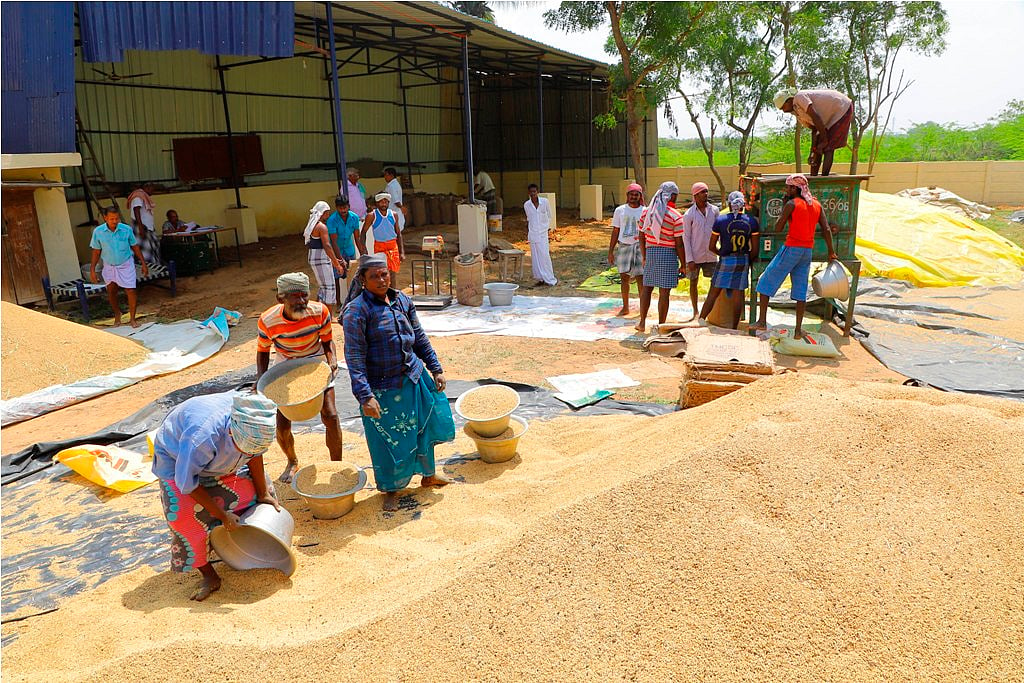
For example, many farmers have been repeatedly complaining that 'paddy has still not been procured from us.'
The main food in Tamil Nadu is rice. Why is there so much negligence in procuring it? If procurement is delayed, how will people get the rice they need on time? When supply is low, demand rises, and inflation increases too, doesn’t it?
Next, if the crop that has already been grown is not procured, farmers will have to delay planting the next crop. Won’t this increase inflation even further?
In general, procurement from farmers should not be delayed. In a situation where petrol and diesel prices are rising and inflation is already increasing, delaying procurement will only make the situation worse.
As another example, consider electricity procurement. The Tamil Nadu government has just entered into a short-term contract to purchase this month’s electricity requirement from private suppliers. And it plans to buy one unit of electricity for Rs. 35.
Tamil Nadu is a manufacturing state. If the electricity for this month is only being purchased now, Tamil Nadu’s production capacity will certainly be affected. It has already been affected.
Rs. 35 per unit will ultimately fall on the people. Suppose the Tamil Nadu government takes the position that it will subsidize this amount to the electricity board and make up for it.
However it may be, that too is people’s tax money. Here too, the people will be affected.
When production in Tamil Nadu, a manufacturing state, is affected, supply and demand here too will be affected, and inflation will increase.
Paddy procurement, electricity procurement—all of these are just a handful of examples from a few angles we are familiar with. There may be many more examples that are not yet obvious.
The Reserve Bank of India has increased the repo interest rate... it is said that the impact of El Niño will be greater from now on... the rise in crude oil prices has still not been resolved... and the value of the Indian rupee has also been fluctuating somewhat.
These will affect inflation not just now... but also in the future. Taking the past four months as a lesson, the Tamil Nadu TVK government should begin taking measures at the micro level to promote economic growth and control inflation.