
The Chennai High Court has dismissed the petitions challenging the Speaker’s order accepting the resignations of AIADMK MLAs.
Disqualification proceedings are pending against six AIADMK MLAs — Madurantakam - Maragaram Kumaravel, Dharapuram - Sathyabama, Ambasamudram - Isakki Subbiah, Perundurai - Jayakumar, Karur - M.R. Vijayabaskar, and Viralimalai - C. Vijayabaskar — for violating the whip and voting in support of the TVK government.
In this situation, AIADMK whip Agri Krishnamurthy and National People’s Power Party leader M. L. Ravi had filed petitions in the Chennai High Court seeking to quash the Speaker’s order accepting their resignations.
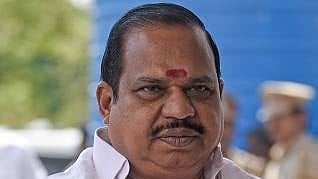
These cases were heard by a bench comprising Chief Justice Sushrut Arvind Dharmadhikari and Justice G. Arulmurugan.
On the side of Agri Krishnamurthy, in the petition filed by the Speaker’s side in this case, it has been stated that the resignations were accepted only after conducting an inquiry into whether those who resigned had done so voluntarily and after being satisfied. However, no meaningful inquiry was conducted.
Within minutes of submitting their resignation letters, they met the minister at the Secretariat and joined the TVK. But on this matter, the Speaker accepted the resignations without conducting a full inquiry.
Before accepting the resignation, no notice was sent to the petitioner, Agri Krishnamurthy, who had filed the disqualification complaint. It was pointed out that a complaint had also been made to the Governor regarding horse-trading.
On the Speaker’s side, it was stated that accepting the resignation does not make the disqualification proceedings disappear. Accepting the resignation is legally valid. If an MLA wants to resign, he cannot be compelled to continue in office. If the resignations of members are not accepted, it would amount to failing to perform a constitutional duty.

Only whether he resigned of his own free will can be investigated. Whether they resigned for a ministerial post or money, or whether horse-trading took place, can only be investigated in disqualification proceedings. The purpose of the resignation cannot be investigated when accepting the resignation. The Speaker did not commit any violation. It was argued that these cases should be dismissed.
On the side of the MLAs who resigned, it is corrupt conduct only if one continues to receive benefits as an MLA and supports another party. Resigning from the MLA post and then joining another party is democratic politics. Since the resignation of the MLAs was accepted, it does not automatically render the disqualification proceedings invalid. The MLAs’ resignations were genuine; they were given of their own free will.
The authenticity of a resignation letter personally met and handwritten cannot be doubted. It was argued that only the constituency voters can question the resignations of the MLAs.
On the Legislative Assembly Secretary’s side, it was stated that if MLAs submit resignation letters genuinely and of their own free will, the Speaker cannot refuse to accept them.
After hearing arguments from all sides, the judges had reserved the verdicts in the cases without specifying a date.
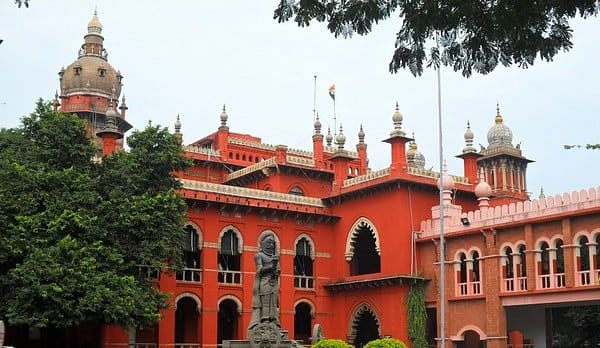
In this situation, in the judgment delivered today by the Chief Justice bench in these cases, the Speaker was right to accept the resignations of the six AIADMK MLAs; since disqualification proceedings are pending, there is no bar to accepting the resignations;
They have also ordered that the order accepting the resignations is legally valid. Furthermore, they have ordered that the Speaker must take a decision on the disqualification proceedings within two months.