Image: V. Gajapathi, executive committee member of the Vellore Environmental Monitoring Committee.
Can be used in the Chennai and Vellore editions....
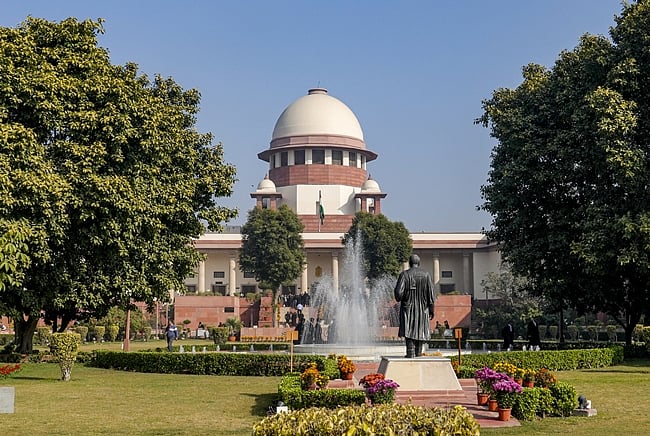
Vellore, Nov. 21: A detailed audit report prepared by an expert committee regarding the pollution of the Palar River has been filed in the Supreme Court. The case on this is scheduled to come up for hearing on Nov. 27, said V. Gajapathi, executive committee member of the Vellore Environmental Monitoring Committee.
Regarding this, he further said: The Palar River, which originates in Nandidurg Hill in Karnataka, travels 93 km in Karnataka and 33 km in Andhra Pradesh before entering Tamil Nadu near Vaniyambadi. This river, which flows 222 km in Tamil Nadu, passes through the districts of Tirupattur, Vellore, Ranipet, Kanchipuram, and Chengalpattu before merging into the Bay of Bengal near Vayalur.
Damage caused by tannery waste: Waste discharged from the leather tanning factories operating in Tirupattur, Vellore, and Ranipet districts, along with sewage from local bodies along the riverbanks, is mixing into the Palar River, severely polluting the river and the groundwater around it. As a result, agriculture in the areas from Vaniyambadi to Kanchipuram has been badly affected, and many farmlands are turning into barren land. The Ambur sugar mill, which had been operating 320 days a year, has been pushed to the brink of closure due to a decline in sugarcane supply. Earlier, up to 50 tons of sugarcane were grown per acre, but now only 20 tons are produced. As a result, farmers are suffering heavy losses. In houses built using polluted groundwater, the iron rods in the concrete roofs rust and get damaged in a short time. Metal parts such as bolts and nuts in agricultural pump sets are also corroded by water mixed with salt and chemicals, making them unusable.
Untreated wastewater discharge: Common wastewater treatment plants have been established to treat the wastewater from leather factories. Although the government has provided funding worth crores for these, they do not function properly. Complaints continue that, in an effort to reduce electricity and maintenance costs, some factories discharge untreated wastewater into rivers and underground during the night.
As a result, a case was filed in the Supreme Court on behalf of the Vellore Environmental Monitoring Committee, seeking an order to shut down industries polluting the Palar River and to take appropriate measures to prevent pollution. After hearing this case, the Supreme Court issued orders to the Tamil Nadu government on January 30, 2025, along with various guidelines to prevent pollution of the Palar River.
Court displeased with officials: However, expressing dissatisfaction that court orders were not being properly implemented, the Supreme Court on August 11, 2025, ordered the district collectors of Vellore, Tirupattur, and Ranipet, along with officials of the Tamil Nadu and Central Pollution Control Boards, to appear in person. At that time, the court recorded its displeasure that the officials had failed to prevent pollution of the Palar River.
Following this, during the hearing held last September, the Supreme Court constituted an expert committee comprising two IIT Madras experts and environmental scientist Nagarajan to conduct a detailed audit of the pollution in the Palar River. The court had also ordered that this committee conduct its study and submit a report within six months, and that further action would be decided on that basis.
Accordingly, the expert committee has now filed its detailed audit report in the Supreme Court. The hearing on this report is scheduled to take place on Nov. 27. At that time, the Supreme Court is expected to issue appropriate orders to prevent pollution of the Palar River and to restore the river.
He said that, heeding the Supreme Court’s warning that if nature is not protected it will destroy humanity itself, the Pollution Control Board and district administrations must engage in intensive monitoring with transparency and restore the Palar River.