New Delhi: In 2006, India, China, Russia, Brazil, and South Africa, five emerging countries, came together to form the BRICS grouping.
Later, in 2024, six countries—Egypt, Ethiopia, Iran, the United Arab Emirates, Saudi Arabia, and Indonesia—joined as members.
Countries that are members of the BRICS grouping can, instead of relying on institutions led by traditional Western countries such as the World Bank, obtain loans and infrastructure financing through the BRICS-backed New Development Bank (NDB).
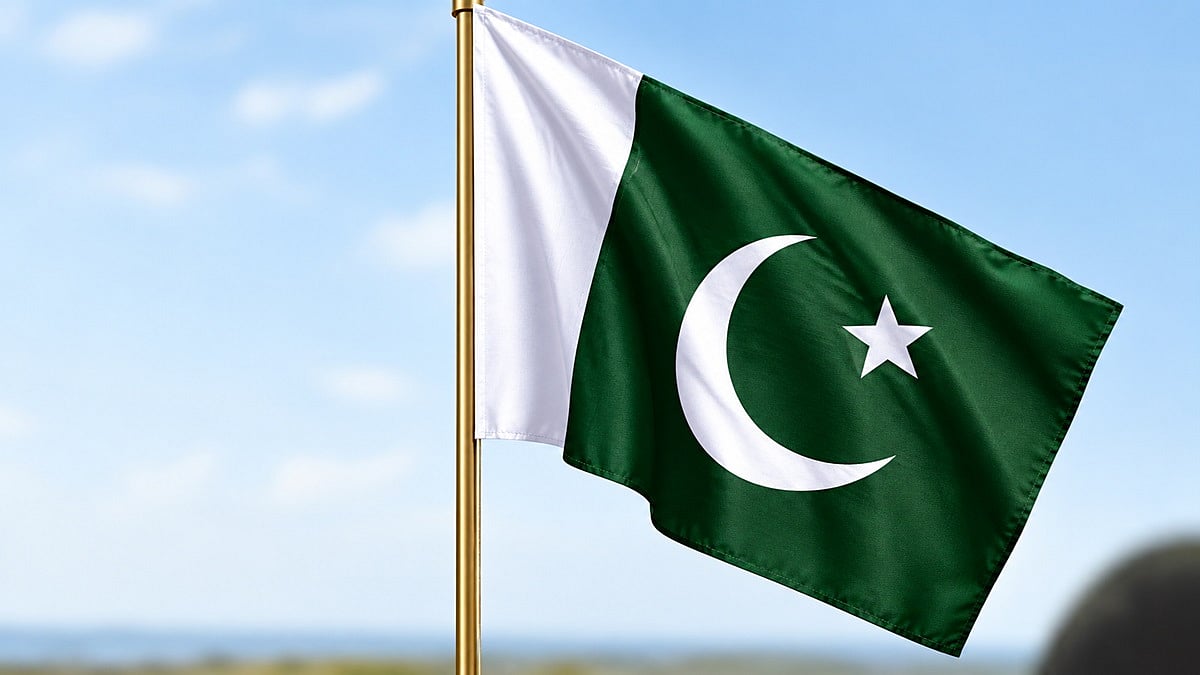
With this in mind, Pakistan, our neighboring country that has long been struggling with a financial crisis, is making intense efforts to become a member of the BRICS alliance.
Pakistan formally applied to join the BRICS alliance back in 2023. Although countries such as China and Russia expressed support for it, Pakistan has not yet been able to become a member.
It is said that Pakistan has purchased a $580 million stake in the BRICS-backed New Development Bank, in a move aimed at strengthening its bid for membership.
However, by raising issues including cross-border terrorism, India has been using its veto power to block Pakistan’s bid.
Under the BRICS grouping’s consensus-based admission rules, India’s opposition stands as an insurmountable obstacle. It is noteworthy that, under those rules, new members can be admitted to the grouping only with the unanimous support of the member countries.