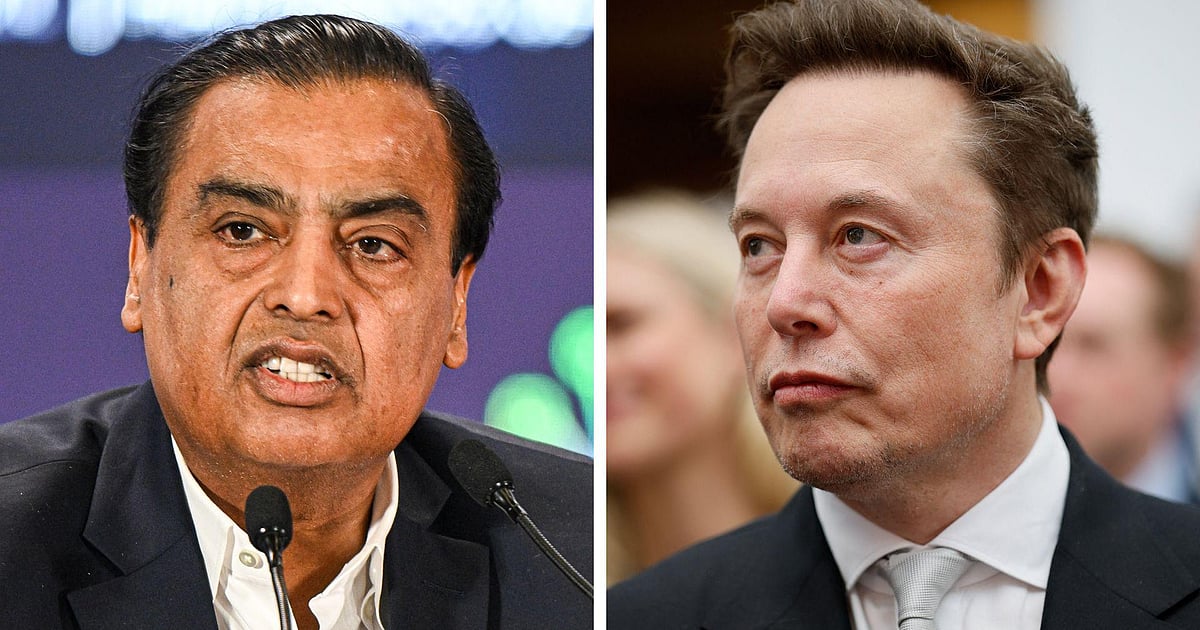
On one side is Mukesh Ambani, the head of Reliance Jio, which holds India’s telecom empire in its grasp. On the other side is American space mogul Elon Musk, who aims to deploy thousands of satellites in orbit and connect every corner of the Earth with the internet. Beyond the internet competition on Earth, the core of their clash is the race to capture the satellite broadband market, which delivers internet to Earth from space.
The beginning of the clash
Auction or Allocation of Spectrum?
To provide internet service, the radio frequency band known as spectrum is essential. The first battle broke out over how this frequency band should be allotted to companies by the government.
Ambani’s argument (Auction method - Auction)
Mukesh Ambani raised the battle flag, saying, “In India, we invested hundreds of thousands of crores, set up mobile towers and optical fiber cables, and spent thousands of crores to buy spectrum from the government through a transparent public auction. When the foreign company Musk’s Starlink comes in, it too should buy spectrum only through a transparent auction. Otherwise, it would be unfair to domestic companies.”
Elon Musk’s argument (Administrative Allocation)
Musk argued, “Satellite internet is not like cell tower service; under the regulations of the International Telecommunication Union (ITU), satellite spectrum is not auctioned anywhere in the world. It must be allocated administratively by collecting a government fee. Seeking an auction in India goes against international rules.”
The central government decided to provide satellite spectrum through administrative allocation, in line with international practice, and collect the fee determined by the Telecom Regulatory Authority of India (TRAI). This created a policy outcome favorable to Musk.
The business and politics behind it
1. Data dominance and market protection
Jio, which has more than 450 million users in India, plans to attract the next wave of broadband customers in rural and remote areas as well. But Starlink has the ability to deliver high-speed internet directly from the sky to mountain villages, ships, deserts, and forest regions where there are no towers at all. This has raised fears among domestic telecom companies that the future market could slip away.
2. National Security Issue (National Security)
The reason for Starlink’s delay in entering India is not just business competition; it is also security regulations. According to the Indian government’s rules, Indian users’ data must be stored only on servers located within India. In emergencies or for security reasons, Indian security agencies must be given access to monitor internet traffic and, if necessary, shut it down. There was prolonged hesitation in obtaining approval for restrictions that Indian data should not be routed through foreign paths via laser links in space.
3. Geopolitics
Elon Musk posted strong remarks on his 'X' (X) platform, saying that Indian outcomes are dominated by domestic industrialists. Indian political opposition parties also turned this into a political debate by raising the question, "Is the government acting in favor of certain large corporations?" It is also seen as a clash between an international tech company that wants to operate without the interference of the ruling establishment globally, and a government that seeks to protect the country's sovereignty and domestic industry.
Is this a fight among those who want to rule the world through the internet? Yes, this is its modern form. During the Industrial Revolution, coal and crude oil ruled the world; in today’s digital age, data is the new crude oil. Whoever can deliver the internet to people around the world the fastest, without any geographical barriers, will accumulate finance, information, artificial intelligence, and the operating system of human thought. Musk’s aim is to create a global space-based internet monopoly through Starlink; Ambani’s aim is to keep India’s digital sovereignty under his control.
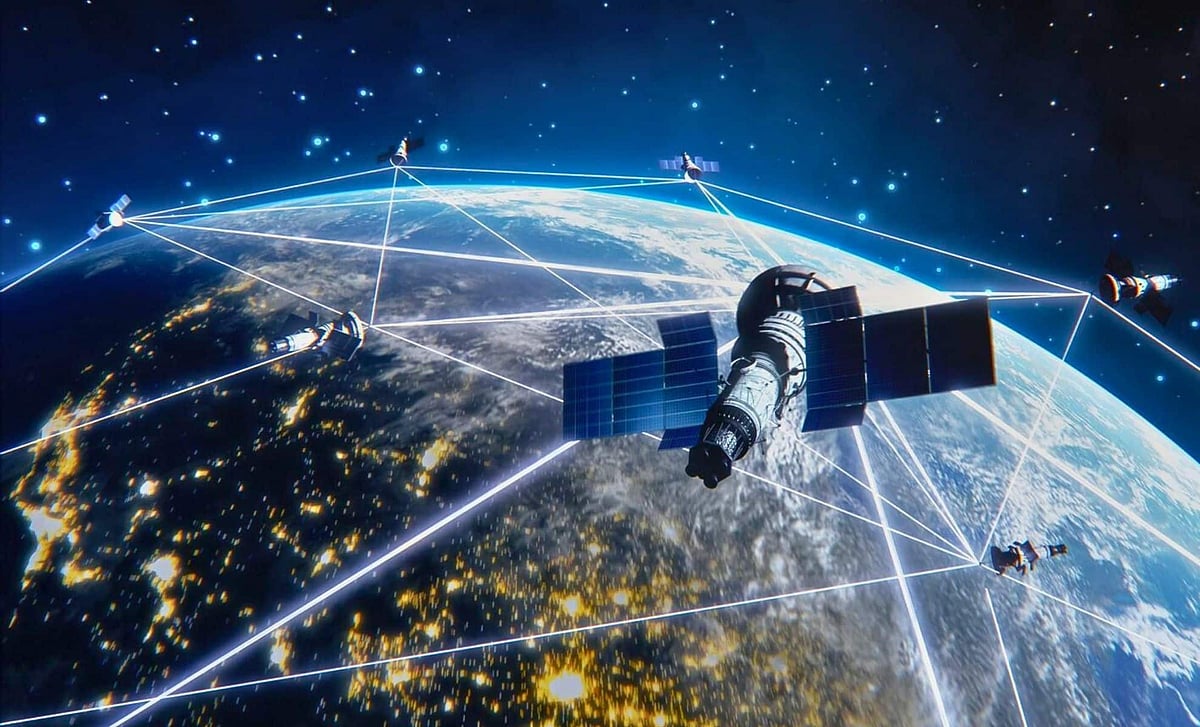
This struggle is not merely a prestige battle between two individuals, Elon Musk or Mukesh Ambani; it is a test between the new frontier of technology and a nation’s legal framework. In the end, both companies are not only set to clash directly, but are also exploring the possibility of joining hands in India’s domestic distribution alliances. If, in this competition, a fair pricing structure is created with proper regulations, the real benefit will be high-quality internet reaching even India’s remotest villages at an affordable price.