Literature 3 min read•September 24, 2026

Microplastics entering the body invisibly! Risk of heart attack?

Microplastics entering the body invisibly! Risk of heart attack?

👶 Discover Authentic Tamil Baby Names

8,000+ pure Sangam names with audio pronunciation & numerology.

Search Name Finder 🔊

English

- Unnikrishnan S

Doctors warn that plastic particles entering our bodies through food, water, and air can damage various organs, including the heart and kidneys, and also increase the risk of heart attack.

In industry, modern plastic was seen as a tool for progress. At the same time, vascular specialists are now increasingly confronting its darker side.

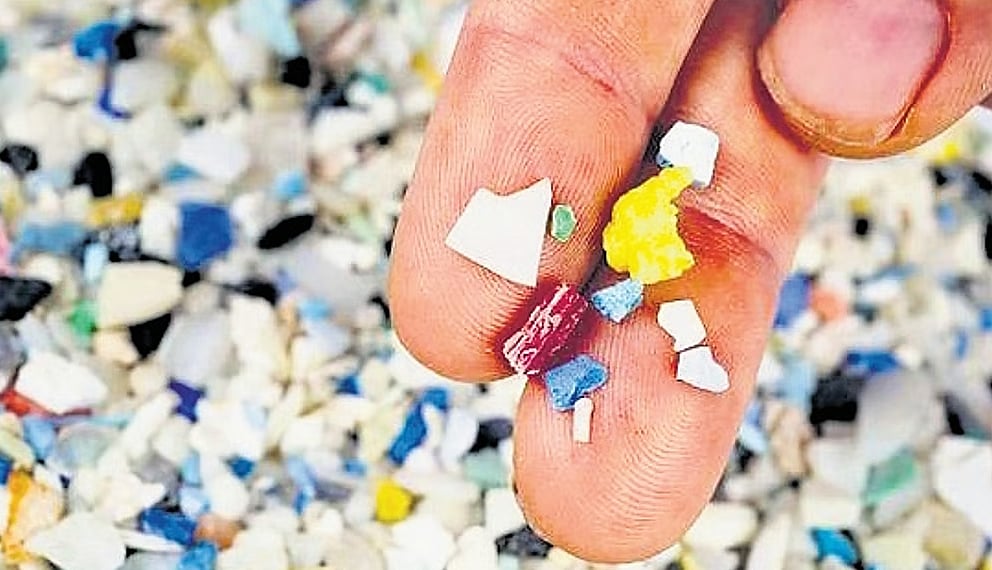
Microscopic plastic waste inside the blood vessels of the human body has emerged as a major global health crisis.

While the accumulation of plastic waste in the sea and other water bodies is considered harmful to the environment, the mixing of plastic waste into the human body is now something that needs to raise public awareness.

Plastic infiltration in the body

Very tiny particles from the plastic items we use every day enter our bodies without being visible to the naked eye.

Plastic particles enter the body through ingestion, inhalation, or absorption by the body. When they accumulate in the body, various physical problems arise.

Heart damage

Speaking about this, Dr. G. Dimpu Edwin Jonathan, a cardiology consultant at Aster RV Hospital in Bengaluru, said,

"These tiny plastic particles disrupt the vascular system once they enter the bloodstream. Microplastics are the smallest pieces/particles of plastic. People can ingest them through the food they eat, the water they drink, or by inhaling them through the air. Once inside the body, some of them can overcome the body's defenses and enter the bloodstream, traveling through blood vessels to other organs.

In the body, endothelial cells perform functions such as maintaining the tightness of blood vessels, regulating blood flow, and preventing abnormal blood clotting. However, tiny plastic particles can severely damage the delicate inner lining of blood vessels, called the endothelium. When this inner lining is damaged, its ability to expand and contract decreases. This is an early sign of heart disease. Its effects also spread to the heart muscle tissue.

Microplastics may affect heart tissue and the way heart cells send signals. That is, after these particles enter the bloodstream and reach heart cells, those cells come under stress. Sometimes they also affect the mitochondria. As a result, the cells produce less energy, so they cannot contract fully," he said.

Can it cause a heart attack?

Not only does it reduce the energy of cells, it also causes fat and waste to build up in the coronary arteries, increasing the risk of a sudden heart attack. Researchers are closely monitoring this issue. Researchers have confirmed the presence of micro- and nanoplastic particles in carotid artery plaques removed during vascular surgery.

Dr. Harikrishnan, Professor and Head of the Department of Cardiology at the Sree Chitra Tirunal Institute for Medical Sciences and Technology in Thiruvananthapuram,

"Once microplastics enter the bloodstream throughout the body, studies show that they accumulate in blockages within blood vessels. We have directly detected this.

In an examination of carotid artery blockages, microplastics were found in about 50% of the patients tested. New studies indicate that they trigger endothelial dysfunction, increase inflammation in blood vessels, and ultimately raise the risk of heart attack. These mechanisms vary depending on the type of plastic. What happens when microplastics remain in the body, especially in the arterial wall, is still part of medical research," he said.

Dr. R.C. Sreekumar, President of the Indian Society of Vascular Surgery and Head of the Vascular and Endovascular Surgery Department at Pran Hospital in Thiruvananthapuram, said that plastic particles entering the body could block arteries and cause damage to organs such as the brain and heart. He also said that a carotid artery study found that plastic contains a high amount of polyethylene. However, he added that long-term follow-up studies on this are still needed.

It has not yet been fully proven that microplastics cause heart disease, and experts emphasize that studies are needed to determine how much of an impact they have and which types of plastic cause the most harm.

People should, as far as possible, avoid plastic products while keeping their health condition in mind, as this can help reduce such risks.

In Tamil: M. Muthumari

Microplastics entering the body unseen; Risk of heart attack?

Tanglish

- Unnikrishnan S

Unavu, neer, kaatru moolamaaga nam udalil nuzhaiyum plastick thugalgalal idhayam, siruneeragam ullitta palveru uruppugal baadhikkappaduvathudan maaradaippu erpadum aabhaavamum iruppadhaaga maruthuvargal echarikkai vidukkinranar.

Thozhil thuraiyil navina plastick, munnetrathirkana oru karuviyaga paarkkappattadhu. Adhenerathil adhan matroru irunda pakkathai raththa naala nipunargal tharpodhu adhigalaavil edhir kondu varuginranar.

Manitha udalil raththa naalangalukkul nunniya plastick kazhivugal, migapperum ulagaalaaviya sugaadhaara nerukkadiyaaga uruveduthulladhu.

kadal, neernilaihalil plaask kazhivugal servadhu sutruchchoozhalukku ethiranaaga karuthappadum nilaiyil, athaivida plastick kazhivugal manitha udalil kalappadhu tharpodhu makkalidaiye vizhippunarvu erpadutha vendiyathaaga irukkiradhu.

udalil plastick ooduruvval

naam andraadam payanpaduthum plastick porulgalil irundhu miga nunniya thugalgal, nam kannukkuth theriyaamaley udalukkul nuzhaigindrana.

utkolluthal, ullizhuththal alladhu udalal urinjappaduthal moolam plastick thugalgal udalukkul nuzhaigindrana. idhu udalil theangumbodhu udalreedhiyaana pala prachnaigal erpadugindrana.

idhaya baadhippu

Bengaluru Aster R.V. maruthuvamanaiyin idhayaviyal aalosagarana Doctor G. Dimbu Edwin Jonathan idhupatri koorukaiyil,

"Indha nunniya plastik thugalgal, raththa ottathil nuzhaindhavudan raththa naala amaippugalai seerkulaikkindrana. Microplastikkugal enbavai plastickin migachchiriya thundugal /thugalgal. Makkal thaangal unnum unavu, arundhum neeraagangal moolamagavo alladhu suvaasippadhan moolamagavo (kaatru) avai ulnuzhaiyalam. Udalukkul sendravudan, adhan oru paguthi udal edhirppugalai thaandi raththa ottathil nuzhaindhu, raththa naalangal vazhiyaaga matra uruppugalukkuch chellalaam.

putalil entoetheeliya selkal raththa naalangkalin irukkaththaip paraamarippathu raththa oettaththaik kattuppatuththuvathu muraiyarra raththa uraithalaith thatuppathu ullitta panikalais seykinrana aanaal nunniya pilaastik thukalkalaal entoetheeliyam enappatum raththa naalangkalin menmaiyaana ul atukku katumaiyaakas saethamataiya vaayppullathu intha ul atukku paathippukku ullaakumpoethu virivatainthu surungkum thiran kuraikirathu ithu ithaya noeykkaana aarampa arikuriyaakum ithan thaakkam ithayath thasaith thisukkalilum paravukirathup

maikro plastik ithayath thisukkalaiyum ithaya selkal samignaikalai anuppum vidhaththaiyum paathikkalaam . athaavathu intha thugalgal raththaththil nuzhainthu ithaya selkalai adaintha piraku, antha selkal azhuththaththirku ullaakindrana. sila nerangalil maittokaanthriyaavaiyum paathikkindrana. ithanaal selkal, aatralai kurivaaga urpaththi seikindrana, enave, avatraal muzhumaiyaaga surunga mudivathillai" endraar.

maaradappu erpadumaa?

Selkalin aatral kuraivathu mattumindri, ithaya thamanikalil kozhuppu matrum kazhivugal padinthu thideer maaradaippu erpadum aabaththai undupannugirathu. Ithupatri aayvaalargal theevramaaga kanngaaniththu varugindranar. Raththa naala aruvai sigichaiyinpothu agatrappatta karotid thamani padhivugalil maikro matrum naano plastik thugalgal iruppathai aayvaalargal uruthi seithullanar.

Thiruvananthapurathil ulla Sri Chithra Thirunaal maruthuva ariviyal matrum thozhilnutpa niruvanathin ithayaviyal thurai peraasiriyarum thalaivarumaanum Daaktar Harikrishnan,

"maikroplaastik udal muzhuvathum ulla raththa oottaththil nuzhainthavudan, avai raththa naalangalil ulla adaippugalai adaikkinrana endru aayvugal kaattuginrana. ithanai naangal neradiyaagak kandarinthullom.

karodit thamani adaippugalai aayvu seythathil, parisothikkappatta noyaaligalil saamaiyaaga 50% perukku maikroplaastik iruppathu kandarinthappattathu. endotheeliyal seyalizhappai thoondi, raththa naala azharchiyai adhigariththu iruthiyil maaradaippukkaana aapaththai adhigarippathaaga puthiya aayvugal therivikkindrana. plaastik vagaiyai poruththu intha vazhimuraigal maaruginrana. maikroplaastik, udalil kurippaaga thamani chuvril thangividumbothu enna nadakkirathu enbathu innum maruththuva aayvin oru paguthiyaagave irukkirathu" endru koorinaar.

Indhiya raththa naalaviyal sangaththin thalaivarum, Thiruvananthapuraththil ulla Praan maruththuvamanaiyin raththa naal matrum endovascular aruvai sigichchai thuraiyin thalaivaraana Daktar Aar.Si. Sreekumar, udalil nuzhaiyum plastick thugalgal, thamaniygalai adaiththu, moolai, idhayam pondra uruppugalukkuch sedhaththai erpaduththa koodum. Adhupola karodit thamani aayvil plastickil polyeththileen adhigam iruppadhu kandarindhulladhu. Enum idhukuriththa thodarssiyana neenda aayvugal thevaiyagindrana endrum koorinaar.

Maikro plastik, idhaya noyai yerpaduthum enbathu muzhumaiyaga innum nirubikkappadavillai, idhu endha alavukku thaakkathai yerpaduthugiradhu, endha vagai plastik adhiga baathippai yerpaduthugiradhu en idhubatriya aayvugal thevai endru nibunargal valiyurutthugindranar.

Makkal thangaludaiya udalnilaiyai karuthilkondu plastik porulgalai mudindhavarai thavirppadhu idhupondra abayaththai kurakka udhavum.

Tamilil: M. Muthumari

Tamil

- உண்ணிகிருஷ்ணன் எஸ்

உணவு, நீர், காற்று மூலமாக நம் உடலில் நுழையும் பிளாஸ்டிக் துகள்களால் இதயம், சிறுநீரகம் உள்ளிட்ட பல்வேறு உறுப்புகள் பாதிக்கப்படுவதுடன் மாரடைப்பு ஏற்படும் அபாயமும் இருப்பதாக மருத்துவர்கள் எச்சரிக்கை விடுக்கின்றனர்.

தொழில் துறையில் நவீன பிளாஸ்டிக், முன்னேற்றத்திற்கான ஒரு கருவியாகப் பார்க்கப்பட்டது. அதேநேரத்தில் அதன் மற்றொரு இருண்ட பக்கத்தை ரத்த நாள நிபுணர்கள் தற்போது அதிகளவில் எதிர்கொண்டு வருகின்றனர்.

மனித உடலில் ரத்த நாளங்களுக்குள் நுண்ணிய பிளாஸ்டிக் கழிவுகள், மிகப்பெரும் உலகளாவிய சுகாதார நெருக்கடியாக உருவெடுத்துள்ளது.

கடல், நீர்நிலைகளில் பிளாஸ்க் கழிவுகள் சேர்வது சுற்றுச்சூழலுக்கு எதிரானதாக கருதப்படும் நிலையில், அதைவிட பிளாஸ்டிக் கழிவுகள் மனித உடலில் கலப்பது தற்போது மக்களிடையே விழிப்புணர்வு ஏற்படுத்த வேண்டியதாக இருக்கிறது.

உடலில் பிளாஸ்டிக் ஊடுருவல்

நாம் அன்றாடம் பயன்படுத்தும் பிளாஸ்டிக் பொருள்களில் இருந்து மிக நுண்ணிய துகள்கள், நம் கண்ணுக்குத் தெரியாமலேயே உடலுக்குள் நுழைகின்றன.

உட்கொள்ளுதல், உள்ளிழுத்தல் அல்லது உடலால் உறிஞ்சப்படுதல் மூலம் பிளாஸ்டிக் துகள்கள் உடலுக்குள் நுழைகின்றன. இது உடலில் தேங்கும்போது உடல்ரீதியான பல பிரச்னைகள் ஏற்படுகின்றன.

இதய பாதிப்பு

பெங்களூர் ஆஸ்டர் ஆர்.வி. மருத்துவமனையின் இதயவியல் ஆலோசகரான டாக்டர் ஜி. டிம்பு எட்வின் ஜோனதன் இதுபற்றி கூறுகையில்,

"இந்த நுண்ணிய பிளாஸ்டிக் துகள்கள், ரத்த ஓட்டத்தில் நுழைந்தவுடன் ரத்த நாள அமைப்புகளைச் சீர்குலைக்கின்றன. மைக்ரோபிளாஸ்டிக்குகள் என்பவை பிளாஸ்டிக்கின் மிகச்சிறிய துண்டுகள் /துகள்கள். மக்கள் தாங்கள் உண்ணும் உணவு, அருந்தும் நீராகரங்கள் மூலமாகவோ அல்லது சுவாசிப்பதன் மூலமாகவோ (காற்று) அவை உள்நுழையலாம். உடலுக்குள் சென்றவுடன், அதன் ஒரு பகுதி உடல் எதிர்ப்புகளைத் தாண்டி ரத்த ஓட்டத்தில் நுழைந்து, ரத்த நாளங்கள் வழியாக மற்ற உறுப்புகளுக்குச் செல்லலாம்.

உடலில் எண்டோதீலிய செல்கள் ரத்த நாளங்களின் இறுக்கத்தைப் பராமரிப்பது, ரத்த ஓட்டத்தைக் கட்டுப்படுத்துவது, முறையற்ற ரத்த உறைதலைத் தடுப்பது உள்ளிட்ட பணிகளைச் செய்கின்றன. ஆனால், நுண்ணிய பிளாஸ்டிக் துகள்களால் எண்டோதீலியம் எனப்படும் ரத்த நாளங்களின் மென்மையான உள் அடுக்கு கடுமையாகச் சேதமடைய வாய்ப்புள்ளது. இந்த உள் அடுக்கு பாதிப்புக்கு உள்ளாகும்போது, விரிவடைந்து சுருங்கும் திறன் குறைகிறது. இது இதய நோய்க்கான ஆரம்ப அறிகுறியாகும். இதன் தாக்கம் இதயத் தசைத் திசுக்களிலும் பரவுகிறது.

மைக்ரோ பிளாஸ்டிக் இதயத் திசுக்களையும் இதய செல்கள் சமிக்ஞைகளை அனுப்பும் விதத்தையும் பாதிக்கலாம் . அதாவது இந்த துகள்கள் ரத்தத்தில் நுழைந்து இதய செல்களை அடைந்த பிறகு, அந்த செல்கள் அழுத்தத்திற்கு உள்ளாகின்றன. சில நேரங்களில் மைட்டோகாண்ட்ரியாவையும் பாதிக்கின்றன. இதனால் செல்கள், ஆற்றலைக் குறைவாக உற்பத்தி செய்கின்றன, எனவே, அவற்றால் முழுமையாக சுருங்க முடிவதில்லை" என்றார்.

மாரடைப்பு ஏற்படுமா?

செல்களின் ஆற்றல் குறைவது மட்டுமின்றி, இதய தமனிகளில் கொழுப்பு மற்றும் கழிவுகள் படிந்து திடீர் மாரடைப்பு ஏற்படும் அபாயத்தை உண்டுபண்ணுகிறது. இதுபற்றி ஆய்வாளர்கள் தீவிரமாக கண்காணித்து வருகின்றனர். ரத்த நாள அறுவை சிகிச்சையின்போது அகற்றப்பட்ட கரோடிட் தமனி பதிவுகளில் மைக்ரோ மற்றும் நானோ பிளாஸ்டிக் துகள்கள் இருப்பதை ஆய்வாளர்கள் உறுதி செய்துள்ளனர்.

திருவனந்தபுரத்தில் உள்ள ஸ்ரீ சித்ரா திருநாள் மருத்துவ அறிவியல் மற்றும் தொழில்நுட்ப நிறுவனத்தின் இதயவியல் துறைப் பேராசிரியரும் தலைவருமான டாக்டர் ஹரிகிருஷ்ணன்,

"மைக்ரோபிளாஸ்டிக் உடல் முழுவதும் உள்ள ரத்த ஓட்டத்தில் நுழைந்தவுடன், அவை ரத்த நாளங்களில் உள்ள அடைப்புகளை அடைகின்றன என்று ஆய்வுகள் காட்டுகின்றன. இதனை நாங்கள் நேரடியாகக் கண்டறிந்துள்ளோம்.

கரோடிட் தமனி அடைப்புகளை ஆய்வு செய்ததில், பரிசோதிக்கப்பட்ட நோயாளிகளில் சுமார் 50% பேருக்கு மைக்ரோபிளாஸ்டிக் இருப்பது கண்டறியப்பட்டது. எண்டோதீலியல் செயலிழப்பைத் தூண்டி, ரத்த நாள அழற்சியை அதிகரித்து இறுதியில் மாரடைப்புக்கான அபாயத்தை அதிகரிப்பதாக புதிய ஆய்வுகள் தெரிவிக்கின்றன. பிளாஸ்டிக் வகையைப் பொறுத்து இந்த வழிமுறைகள் மாறுகின்றன. மைக்ரோபிளாஸ்டிக், உடலில் குறிப்பாக தமனிச் சுவரில் தங்கிவிடும்போது என்ன நடக்கிறது என்பது இன்னும் மருத்துவ ஆய்வின் ஒரு பகுதியாகவே இருக்கிறது" என்று கூறினார்.

இந்திய ரத்த நாளவியல் சங்கத்தின் தலைவரும், திருவனந்தபுரத்தில் உள்ள பிரான் மருத்துவமனையின் ரத்த நாள மற்றும் எண்டோவாஸ்குலர் அறுவை சிகிச்சைத் துறையின் தலைவருமான டாக்டர் ஆர்.சி. ஸ்ரீகுமார், உடலில் நுழையும் பிளாஸ்டிக் துகள்கள், தமனிகளை அடைத்து, மூளை, இதயம் போன்ற உறுப்புகளுக்குச் சேதத்தை ஏற்படுத்தக் கூடும். அதுபோல கரோடிட் தமனி ஆய்வில் பிளாஸ்டிக்கில் பாலிஎத்திலீன் அதிகம் இருப்பது கண்டறியப்பட்டுள்ளது. எனினும் இதுகுறித்த தொடர்ச்சியான நீண்ட ஆய்வுகள் தேவைப்படுகின்றன என்றும் கூறினார்.

மைக்ரோ பிளாஸ்டிக், இதய நோயை ஏற்படுத்தும் என்பது முழுமையாக இன்னும் நிரூபிக்கப்படவில்லை, இது எந்த அளவுக்கு தாக்கத்தை ஏற்படுத்துகிறது, எந்த வகை பிளாஸ்டிக் அதிக பாதிப்பை ஏற்படுத்துகிறது என இதுபற்றிய ஆய்வுகள் தேவை என்று நிபுணர்கள் வலியுறுத்துகின்றனர்.

மக்கள் தங்களுடைய உடல்நிலையைக் கருத்தில்கொண்டு பிளாஸ்டிக் பொருள்களை முடிந்தவரை தவிர்ப்பது இதுபோன்ற அபாயத்தைக் குறைக்க உதவும்.

தமிழில்: எம். முத்துமாரி

Microplastics entering the body unseen; Risk of heart attack?