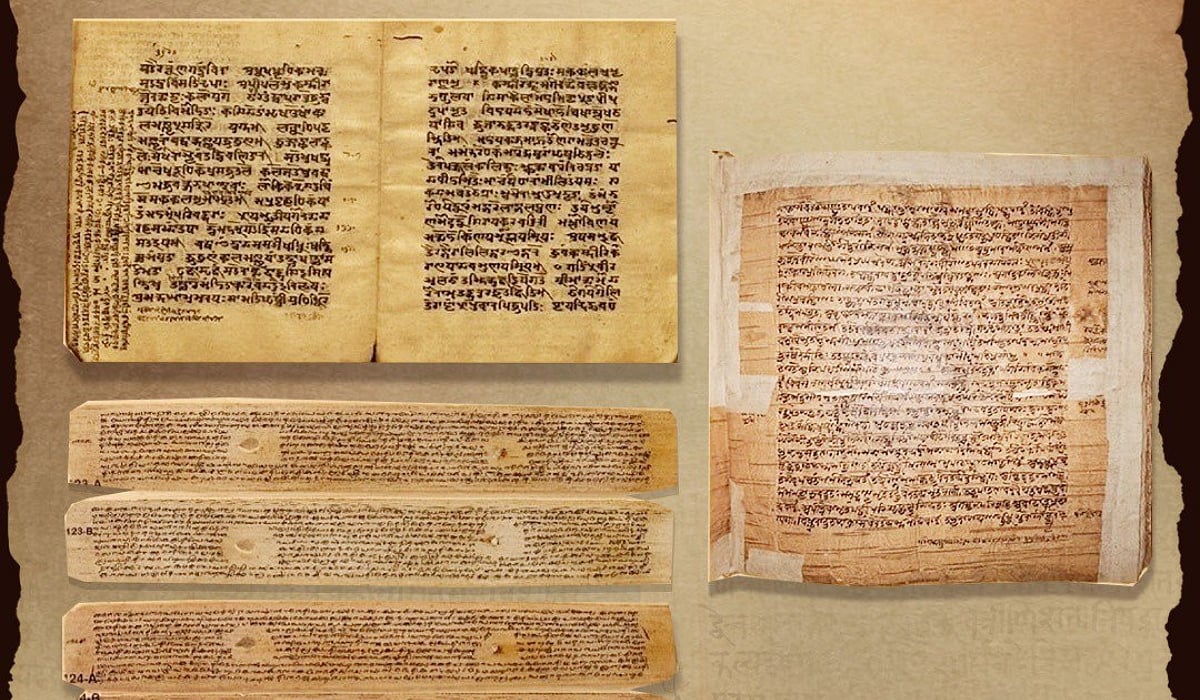
New Delhi: The three great epics of India’s most important historical and literary works—Mahabharata, Kautilya’s Arthashastra, and Kalhana’s Rajatarangini—have been officially included in UNESCO’s Asia-Pacific regional register of the ‘Memory of the World’ program.
Union Minister for Culture and Tourism Gajendra Singh Shekhawat has welcomed this magnificent international recognition for India’s intellectual and historical documentary heritage.
1. Rajatarangini
A book written in Sanskrit in the 12th century by the Kashmiri historian Kalhana. It is regarded as a historical record that meticulously documents the dynasties of Kashmir, political changes, and social history in chronological order.
2. Mahabharata
One of the world’s longest epics. Beyond the war between the Kauravas and the Pandavas, it speaks about dharma, justice, ethics, governance, and human duty. The Bhagavad Gita included in it remains a guide to universal philosophical thought even today.
3. Arthashastra
This book, authored by Kautilya, also known as Chanakya, is a detailed guide to the governance, economy, foreign policy, taxation, and military strategies of ancient India.
To preserve documentary heritage from being lost and to pass it on to future generations, UNESCO launched the “Memory of the World” program in 1992. In India, the Indira Gandhi National Centre for the Arts has been carrying out the coordination work for this.
The Rig Veda, Shaiva Agama manuscripts, Tamil medical texts, Kalachakra Tantra treatises, and the works of Abhinavagupta have already been included in UNESCO’s register. In 2023, the Panchatantra manuscript was also added to this list.