
On behalf of the Government of Tamil Nadu, the Tamil Nadu Day celebration was held at the Chennai Museum Auditorium on 01.11.2026. Ministers N. Anand, Aadhav Arjuna, Rajmohan, Vanni Arasu, C. Vijayalakshmi, Members of the Legislative Assembly, government officials, and Tamil scholars participated and spoke. Speaking then, Minister Rajmohan said, “On this proud stage, I am going to share some experiences I had with the Chief Minister. ‘Tell them to give me the post of chairman of the Iyal Isai Nataka Manram, and I will give Minister Rajmohan 5 crore rupees,’ someone said...
“I sent a message to Loyola Mani with a smile. ‘Brother, even if someone offers 500 crore, Thalapathy would not give even a single post to someone who is not suitable. I am Thalapathy’s brother. He has told me to make sure that only the deserving Pushpavanam Kuppusamy brother gets that post from Thalapathy without taking even a rupee,’ I said and sent it. Even till today, I have never said this outside, brother,” he said.
This issue created ripples not only on social media but also in the political arena. Following that, based on what Minister Rajmohan said, DMK legal wing joint secretary and former legislative MLA Paranthaman has submitted a complaint to the Director of the Directorate of Vigilance and Anti-Corruption on behalf of the DMK, seeking action under the anti-corruption section.
Was what Minister Raj Mohan said actually right? Can a case also be filed against Loyola Mani? To understand the legal procedure involved, we spoke with social activist and lawyer Ajitha.
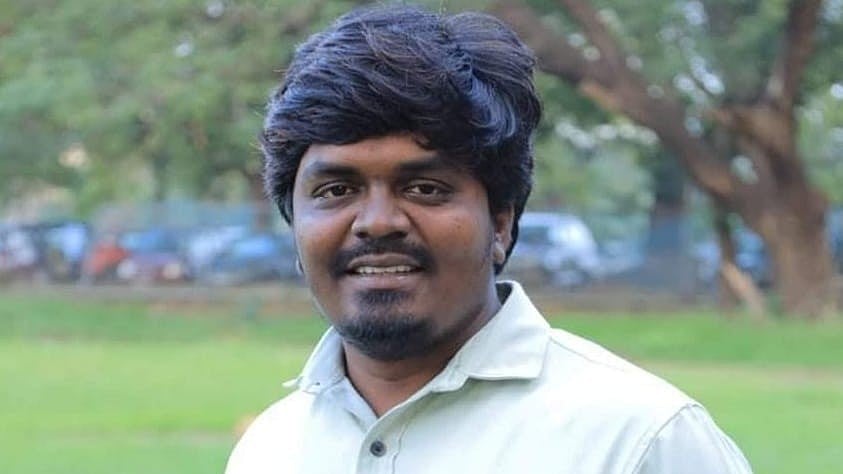
He publicly stated that, “while the minister was speaking on stage, a person had come forward to offer a bribe of 5 crore rupees for a government post, and that when the information was brought to him by the head of the textbook corporation, Loyola Mani, he rejected it.” Under the law, not only taking a bribe but also attempting to give one is a crime. However, concealing the identity of the person who attempted to commit the offense, and not filing a police complaint against him, is legally viewed as concealment of crime.
Under Section 8 of the Prevention of Corruption Act, 1988, attempting to bribe a government employee or approaching someone for that purpose is a very serious offense. The law prescribes a prison sentence of up to 7 years for this. Therefore, an FIR should have been registered immediately under this section against the person who approached the minister and said he would pay a bribe of 5 crore rupees.
If the person who took this information to the minister had agreed to receive that bribe money, or had tried to receive it, they too would fall within this criminal offense. Or, even if they had concealed information about the person who came to offer the bribe instead of revealing it openly, the police must subject them to compulsory questioning and identify the offender.

To put it more clearly, a complaint should have been filed against the person who said that Loyola Mani was offering a bribe. That would have been the proper course. When the legal provisions are this clear, why has the police still not registered a case (FIR) regarding this attempt at corruption? That is the primary legal question that should be raised.
The government and ministers speak about such incidents on public platforms only to present themselves to the people as corruption-free “Mr. Clean” figures. But in practice, using an attempted bribe merely as publicity talk instead of turning it into legal action only shows their ignorance of legal matters. Since a complaint has already been filed with the Anti-Corruption Department regarding this matter (DMK’s complaint), let us see whether an FIR is registered against the person who attempted to offer the bribe.
A responsible minister should properly know the laws, regulations, and criminal procedures related to their department. However, such remarks arise because ministers do not have sufficient awareness of the limits of their authority and legal procedures.

When the allegation arose that the DMK side was engaging in horse-trading with TVK MLA N. Ilaiyaraja, the TVK government took immediate action. But when it comes to administration, they are acting without any awareness of how to think and act in a legally sound manner. A minister of a highly sensitive department like Education should have immediately handed over the bribery complaint he received to the police and taken legal action; he should not have stopped at making a speech from the stage.
On the basis of allegations that he posted on social media criticizing the government and those in power, immediate and severe action has been taken against people like Professor Kalaiarasan. The rulers are acting without any understanding of or respect for the freedom of speech, freedom of expression, and fundamental rights guaranteed by Article 19 of the Indian Constitution. Just as the BJP government at the Centre takes harsh action against comedians or organizations opposed to it, state governments too are using the police for the sake of their own power and authority.

"The tolerance of governments is so low that they are taken for questioning at dawn and kept in detention all day long. When those favorable to them or those they want are involved in bribery cases, they try to protect them without taking any legal action. This double standard is the biggest contradiction in the current political climate. The Supreme Court and the High Courts have been questioning these one-sided actions and excessive reactions of the government," he said.