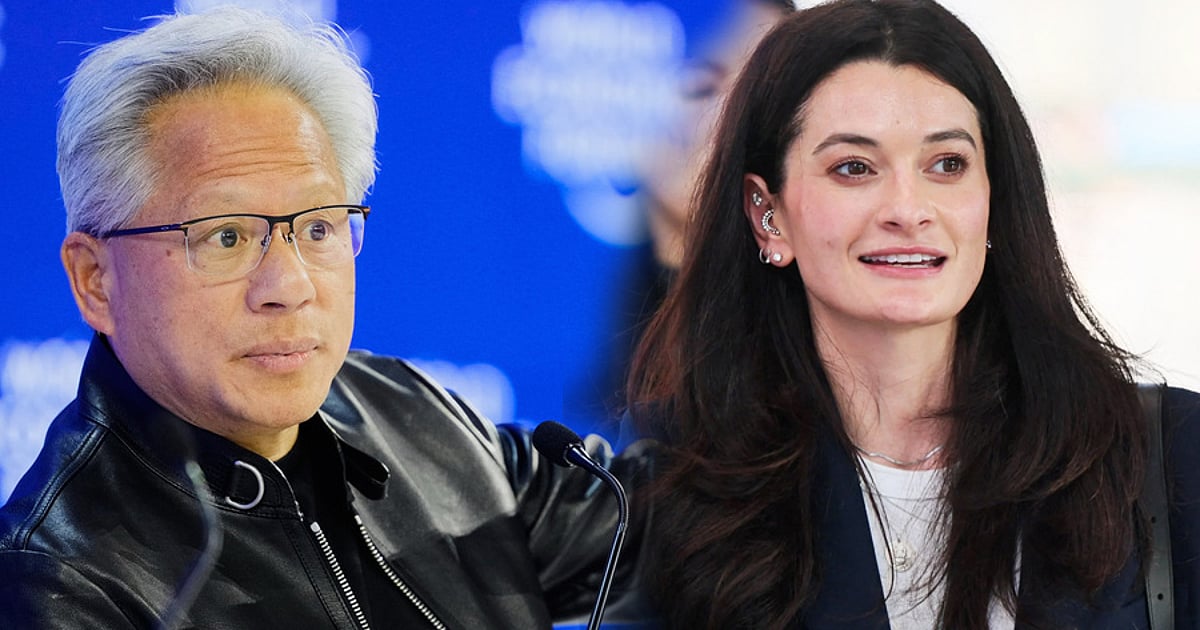
At Nvidia, the world’s leading artificial intelligence (AI) chip manufacturing company, the departure of Jensen Huang, who led the company for 33 years, has paved the way for a major leadership transition.
Alongside speculation over who the next chief executive officer (CEO) will be, several questions that will determine Nvidia’s future have emerged, including the influence of family members such as his daughter Madison, the company’s financial responsibilities, and U.S. export restrictions.
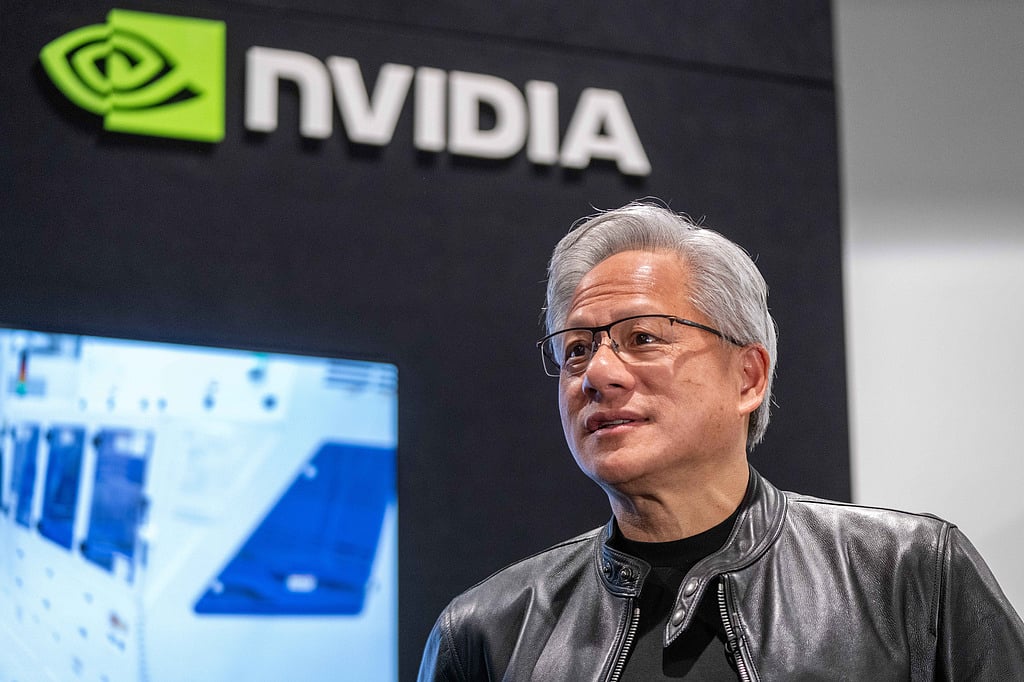
What is happening inside Nvidia now?
On November 11, Jensen Huang stepped down from his roles as Nvidia’s president, chief executive officer (CEO), and board member. Following this, Colette Kress, who had been serving as the company’s chief financial officer (CFO), has been appointed interim chief executive officer.
He will handle both responsibilities until a permanent chairman is elected. Huang, who founded the company in 1993, has been a key driver of its growth for 33 years. Therefore, this is seen not just as a management change, but as a major turning point at the leading company in the artificial intelligence technology sector.
Will Jensen Huang take over again?
Within just a few days of Huang stepping down, calls arose for him to be appointed back to the top leadership role. U.S. President Donald Trump has said he has no objection if Huang takes charge again. People from the technology sector, including Elon Musk, have also expressed support for him. Reports say that more than 180,000 people have signed an online petition calling for his return.
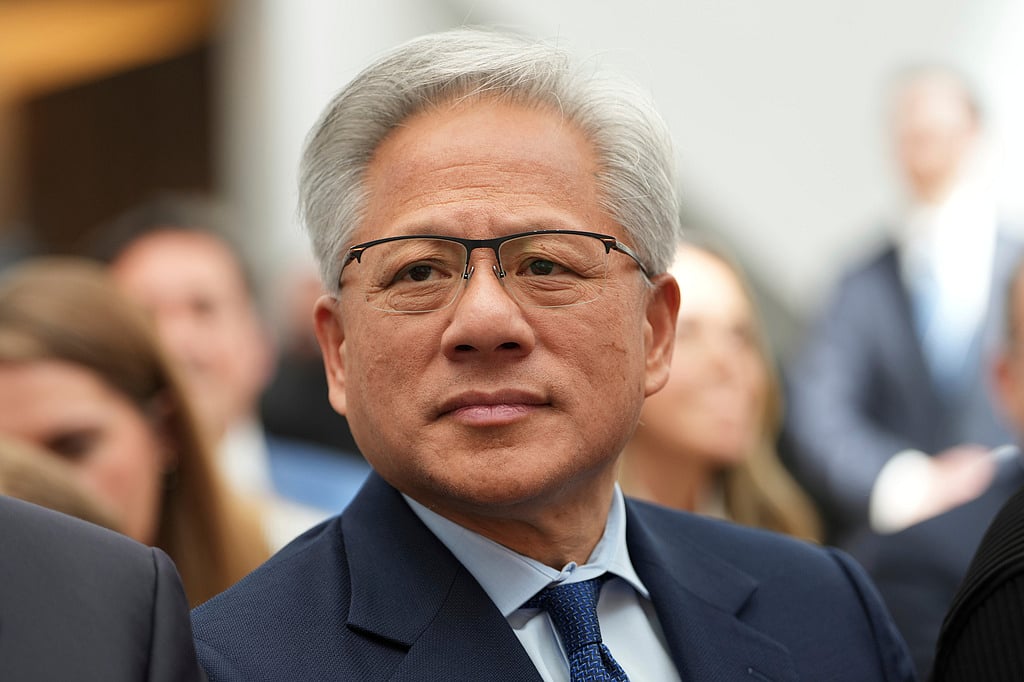
However, sources familiar with the board’s decisions said that the board has not considered reappointing Huang. The board is involved in selecting a recruitment firm to consider both internal and external executives for the company’s leadership transition. In addition, since complaints related to Huang and security-related investigations have not yet been concluded, it is believed that reappointing him could also create administrative complications.
Names under consideration
The permanent chief executive officer has not yet been announced. However, several names are being mentioned both inside and outside the company. Colette Kress is well acquainted with the company’s financial position, business agreements, and operations. Since she is serving in an interim role, it is said that she may be made permanent for the sake of administrative continuity.
Another important name is Ian Buck. He has played a key role in the development of Nvidia’s graphics processing unit (GPU) and CUDA technology, and has experience leading the company’s technology division. He is being discussed as an internal executive who could drive long-term artificial intelligence development.
Among external candidates, the name of Rene Haas, CEO of ARM and former Nvidia executive, is being mentioned. Names such as Lisa Su of AMD and Tim Cook of Apple have also appeared in some media discussions. However, none of them have been officially announced. The board has only said that it will consider both domestic and foreign executives.
Will the Jensen family’s influence continue?
Even if Jensen Huang steps down from his position, questions have arisen about whether his family’s influence at Nvidia will continue. His daughter, Madison Huang, serves at the company as a senior director overseeing product and technical marketing for the Physical AI division. She holds an official role in the company.
At the same time, some reports say she has had additional authority, including participating in top management meetings and influencing key decisions.

It has been reported that he had disagreements with the company’s top executives, and that some expressed dissatisfaction with his management approach.
Huang’s son Spencer serves in the robotics product management division, while his son-in-law Nico Capres holds responsibilities in the artificial intelligence infrastructure development division. In particular, Capres’s role in the company’s large-scale cloud contracts has drawn attention. Therefore, with the selection of a new leader, how the management roles of family members will be shaped also becomes important.
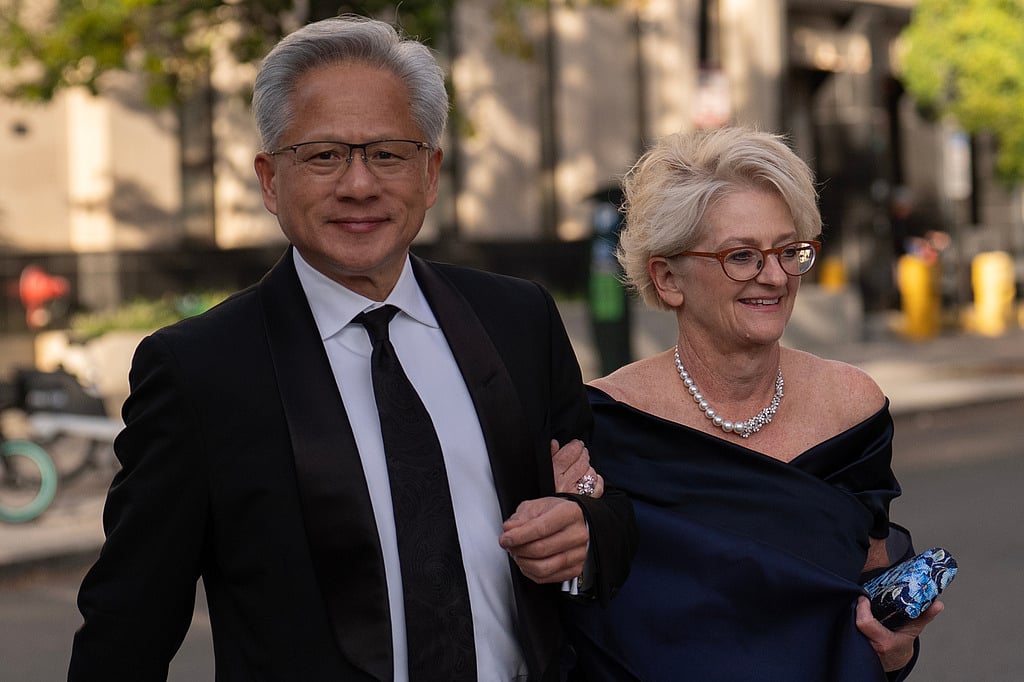
$530 billion in financial obligations
What awaits Nvidia’s next leader is not just a management transition. Deals made with cloud computing and data centers have also raised questions about future financial obligations. Reports that the company’s commitments and guarantees have risen to around $530 billion have drawn attention. This is said to include contracts for chip manufacturing, support for cloud computing companies, and data center projects.
This amount should not be construed as the company’s debt; contractual obligations, guarantees, and debt are different financial categories. Whether to continue or reassess these liabilities will be one of the new management’s key decisions.