
“Is Ambani really India’s true boss?” — This question raised by Elon Musk has sparked a new controversy in India’s satellite internet market. Musk, who had already accused corporate interference of being behind the delay in Starlink’s launch in India, has now directly named Mukesh Ambani.
Musk said that Starlink is licensed in more than 165 countries and has been working in compliance with Indian government regulations for five years. If that is the case, his question is why it still has not been allowed to launch services in India.
Why did Musk point to Ambani?
This question did not arise suddenly. Musk had already accused some large corporations of creating obstacles to Starlink’s entry into India.
He had also criticized certain business groups for trying to block Starlink in order to maintain their dominance in the Indian market, and said that this was an attempt to continue the dominance of a single company over the Indian people.
Earlier on X, Musk referred to “certain oligarchs” and accused some major industrialists of trying to maintain dominance in the Indian market through a “monopolistic chokehold.” He had also described this as “a crime against the people of India.”
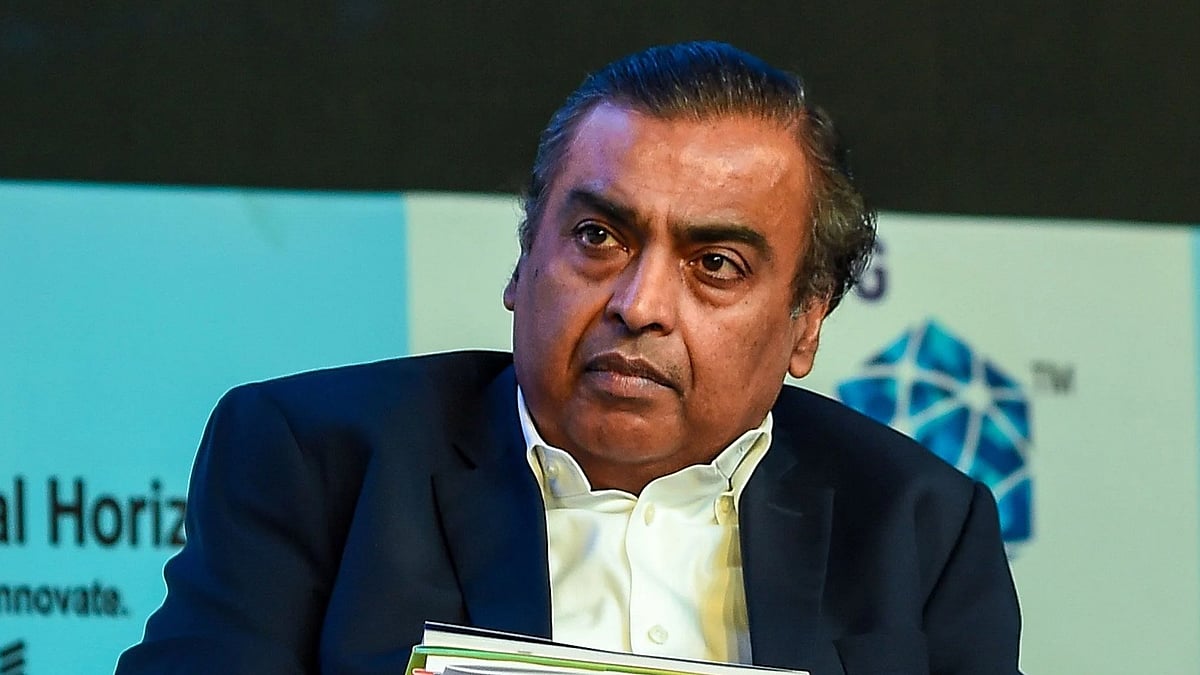
It is in continuation of that that he has now directly mentioned Mukesh Ambani’s name and raised questions.
But there is one important thing here. So far, no concrete evidence has emerged that Ambani is blocking Starlink. This is only an allegation made by Elon Musk.
What is the government's position?
The central government has rejected Musk's allegation. The Department of Telecommunications has said that India's rules for satellite internet services, and the way they are implemented, are neither favorable nor unfavorable to any company.
The government has also said that Musk's allegation is “baseless and misconceived.”
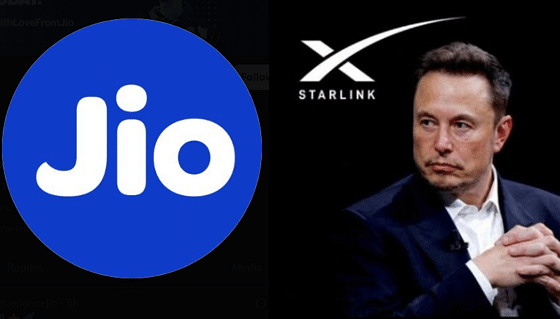
Currently, three companies in India have been granted licenses for satellite internet services. They are Elon Musk’s Starlink, Reliance Jio’s Jio Satcom, and Eutelsat OneWeb, which operates with support from the Bharti Group.
The important thing to note here is that all three companies have been granted licenses. However, obtaining a license does not mean they can immediately begin commercial services. Further procedures, including a Security Assessment, must be completed.
“This is not just for Starlink!”
The explanation given by Union Minister of State for Communications Chandrasekhar Pemmasani also confirms this.
He said that licenses and provisional spectrum have already been granted to satellite internet companies, and that the process related to security clearance is currently under the Home Ministry’s review.
Accordingly, the government’s position is that approval has not been delayed only for Starlink. All three companies that are ready to provide satellite internet services in India are waiting for the next round of approvals.
What does the Ambani side say?
When Reliance Jio Infocomm Chairman Akash Ambani was asked about Musk’s allegation, he responded only, “No comments.”
At the same time, he said that Jio is working rapidly in the satellite communications sector and is building the complete domestic technology ecosystem required for it.
A specific timeline for when Jio’s first Low Earth Orbit (LEO) satellite constellation will become operational has not yet been announced.
“We haven’t received approval either!”
This competition is not just about Jio. Bharti Airtel Group Chairman Sunil Bharti Mittal has also said that they are waiting for the next round of approvals for their company.
He said, “We are waiting for our own approvals.” This indicates that the final approval process for launching satellite internet service in India has not yet been completed.
What changes if Starlink arrives?
If Starlink launches its service in India, it could help in difficult areas by going beyond traditional internet infrastructure.
Internet connectivity can be provided via satellite even in remote areas where it is difficult to set up landlines, cell towers, and the like. Musk argues that Starlink will help areas with limited internet access.
So what is the truth?
On one hand, Elon Musk alleges that some large corporations are blocking Starlink’s entry into India. He has now directly named Mukesh Ambani in particular.
On the other hand, the Indian government says that licenses have been granted to three companies and that the security procedures for all three companies are being carried out in the same manner.
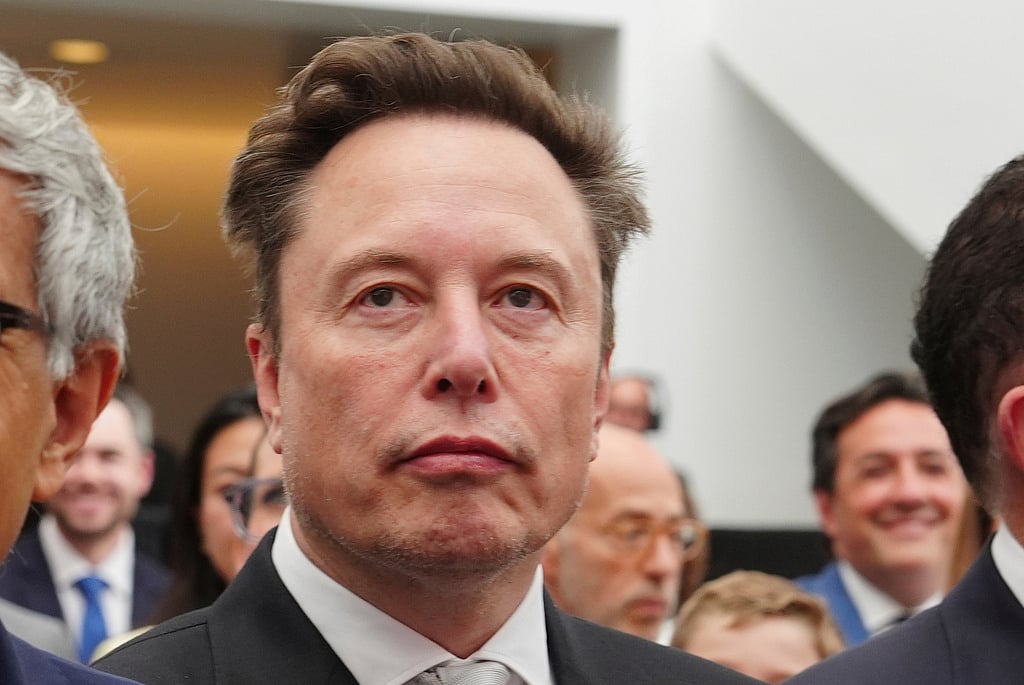
Therefore, “Ambani is blocking Starlink” is not a proven fact at this point; it is only an allegation made by Musk.
What needs to be watched next is when the security clearances end, when the spectrum-related procedures are completed, and when Starlink begins its commercial service in India.
Is there evidence for Musk’s allegation, or is the Indian government’s explanation the final truth? The answer will be revealed by the next round of approvals and the satellite internet competition that is about to begin in India.