Culture 4 min read•October 18, 2026

If the police suddenly arrest you... here are 5 important rights for you! What does the law say? - 3

If the police suddenly arrest you... here are 5 important rights for you! What does the law say? - 3

👶 Discover Authentic Tamil Baby Names

8,000+ pure Sangam names with audio pronunciation & numerology.

Search Name Finder 🔊

English

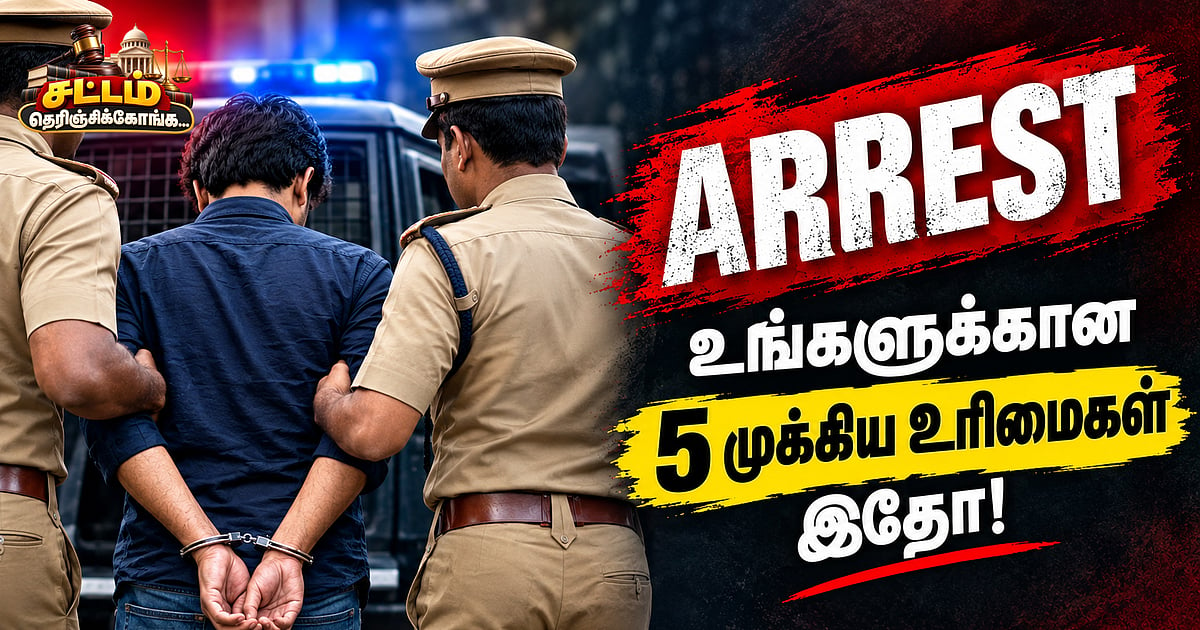
Suppose the police suddenly come and arrest you... at that moment, many people would panic without even knowing what is happening. Questions like “Why are they arresting me?”, “Where are they taking me?”, “Did they inform my family?” would come one after another.

First, a small explanation...

Arrest is not a punishment. It is not a sign that the court has decided someone is guilty. In situations permitted by law, arrest is the legal procedure of temporarily restricting a person’s personal freedom. .

Generally, the police make arrests. In certain specific situations, private individuals and even judges also have the legal authority to arrest.

They’ve arrested you... can the police do whatever they want now?

Absolutely not!

Your legal protections do not end after an arrest. The Indian Constitution and the Bharatiya Nagarik Suraksha Sanhita, 2023 (BNSS), which is currently in force, provide several important safeguards for arrested persons.

Here are 5 important rights you must know...

1. “Why are you arresting me?” – The right to know the reason!

You have the right to ask, “For what offense are you arresting me?”

Article 22(1) of the Indian Constitution and Section 47 of the BNSS ensure that a person who is arrested must be informed of the full grounds of arrest. In other words, it is not enough to simply say, “There is a case against you”; it must be clearly stated what offense or what reason the arrest is based on.

Also, if it is a bailable offense, the police must inform the arrested person that they have the right to be released on bail.
AI created image

2. The right to meet and speak with a lawyer!

Don’t think, “They’ve arrested me... I can’t see a lawyer anymore.”

Just because someone has been arrested, it cannot be said that they are not allowed to meet a lawyer.

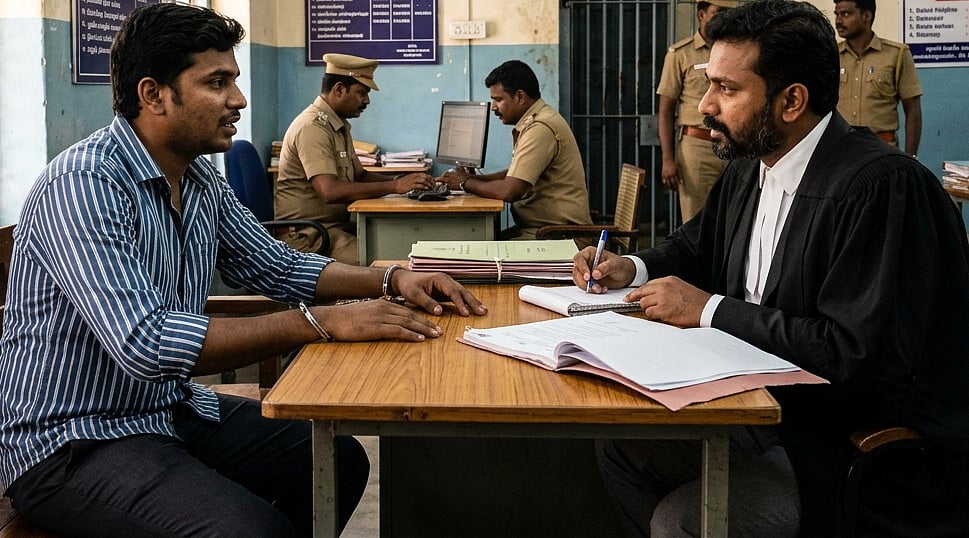
Article 22(1) of the Indian Constitution and Section 38 of the BNSS grant an arrested person the right to meet a lawyer of their choice and obtain legal advice. In particular, a lawyer may be met during police interrogation; however, Section 38 of the BNSS does not provide the right for a lawyer to be present throughout the interrogation.

For those who cannot afford to hire a lawyer on their own, the right to receive Free Legal Aid is also provided through legal provisions based on Article 39A of the Constitution. In particular, even in situations where a person is produced before a court and court custody or remand is sought, there is protection ensuring that those without a lawyer can receive free legal aid.

3. “Does the family know that I have been arrested?”

It must be informed!

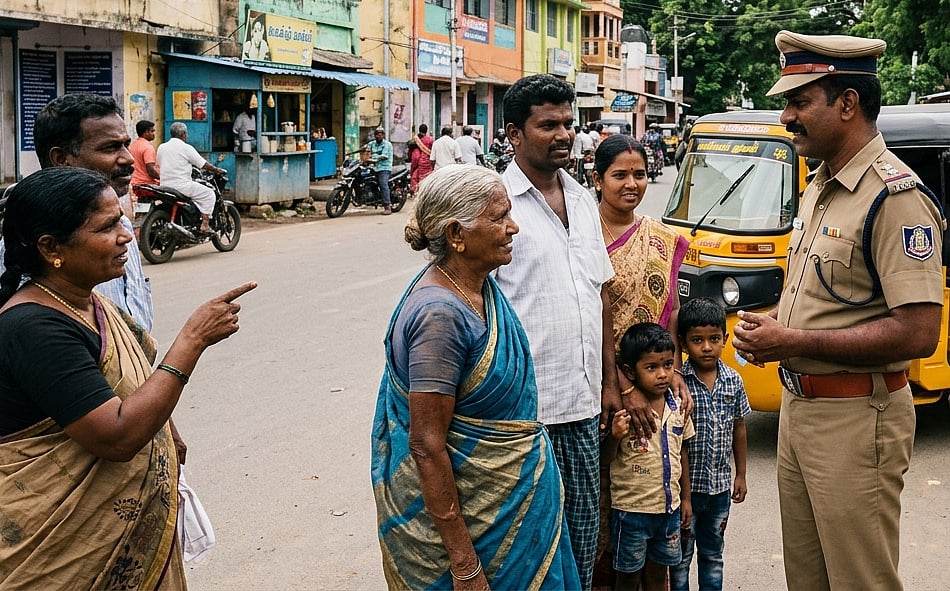
Under Section 48 of the BNSS, if a person is arrested, their relative or friend must be informed that they have been arrested and of the place where they are being held in custody. In addition, the police must inform the arrested person of this right.

4. The right to be produced before a Judicial Magistrate within 24 hours!

Just because someone has been arrested, the police cannot keep them in custody beyond the time limit prescribed by law.

Article 22(2) of the Constitution of India and Sections 57 and 58 of the BNSS provide important legal safeguards for this.
AI created image

The arrested person must be produced before the nearest judicial Magistrate within 24 hours, excluding the time required to travel from the place of arrest to the Magistrate’s court. If they are to be kept in custody after that, a court order is required by law.

5. The right to health, safety, and dignity!

Even if a person is arrested, their human rights do not end there.

“Being in custody” does not mean that he can be treated however one wishes.

Article 21 of the Indian Constitution guarantees every person the right to life and personal liberty.

Further, under Section 43 of the BNSS, the police must act in accordance with the law when making an arrest.

If the person being arrested forcibly resists the arrest or tries to escape, the police may take the lawful steps necessary to effect the arrest.

Ai created image

Similarly, Section 56 of the BNSS emphasizes that it is the duty of the officer keeping a person in custody to protect the health and safety of the person in custody.

Further, under Section 53 of the BNSS, an arrested person also has legal protection regarding medical examination. If there are injuries or signs of violence on the body of the arrested person, recording them is also an important safeguard.

What does the court say?

In the landmark case of D.K. Basu v. State of West Bengal (1997) 1 SCC 416, the Supreme Court laid down several important guidelines to protect the rights of persons under arrest and in custody.

Accordingly, various protective measures were emphasized, including preparing an Arrest Memo, clearly identifying the police officers, informing a relative or friend, and conducting a medical examination. Many of these safeguards are now also legally included in the BNSS.

The purpose of these guidelines is to ensure that the basic rights and human dignity of the arrested person are protected.

What to remember...

Arrest may temporarily restrict a person's freedom... but it does not take away their fundamental and legal rights.

It is essential legal awareness for everyone to know what those rights are!

Tanglish

Thideernu police vandhu ungalai kaidhu pannittaangannu vachuppom... andha nerathula enna nadakkuthunne theriyaama palarum padhari poyiduvom. “Edhukkaaga ennaik kaidhu panraanga?”, “Engae koottittup poraanga?”, “Veettukku thagaval sonnaangalaa?”nnu aduththaduththa pala kelvigal varum.

Mudhalil oru chinna vilakkam...

Kaidhu enbadhu thandanai kidaiyaadhu. Oruvar kutravaali endru needhimandram mudivu seidhuvittadhu enbadharkkaana adaiyaalamum kidaiyaadhu. Sattathil anumadhikkappatta soozhnilaigalil, oruvarin thanippatta sudhandhiraththai tharkaaligamaagak kattuppaduththum satta nadaimuraiye kaidhu. .

Podhuvaga police-thaan kaidhu seivaargal. Sila kurippitta soozhnilaigalil thaninabargalukkum, needhibathikkum kooda sattappadi kaidhu seiyum adhigaaram ulladhu.

Kaidhu pannittaanga... ini police enna venumnalum pannalama?

Nichchayamaaga illai!

Kaidhu seiyappatta piragu ungalukkaana sattap paadhugaappugal mudinjidathu. Indhiya arasamaippuch sattamum, tharpodhu nadaimuraiyil irukkum Bhaarathiya Naagarik Suraksha Sanhitha, 2023 (BNSS)-um kaidhu seiyappattavargalukku pala mukkiyamaana paadhugaappugalai vazhangugindrana.

Adhil neengal kattaayam therindhukolla vendiya 5 mukkiyamaana urimaigal idho...

1. “Ethukkaaga ennaik kaidhu panreenga?” – kaaranathai therinjukkira urimai!

“Enna kutrathukkaaga ennaik kaidhu seigireergal?” endru ketka ungalukku urimai undu.

Indiya arasamaippuch sattam sarru 22(1) matrum BNSS pirivu 47, kaidhu seyyappatta nabarukku avar kaidhu seyyappattadharkaana muzhumaiyaana kaaranangalaiyum (grounds of arrest) therivikka vendum enbadhai urudhi seigindrana. Adhaavadhu, “ungal meedhu oru vazhakku irukkiradhu” endru podhuvaaga solvadhu mattum podhaadhu; endha kutram alladhu endha kaaranathin adippadaiyil kaidhu seigiraargal enbadhu thelivaaga therivikkappada vendum.

Melum, jaameenil vidakkoodiya (bailable) kutramaaga irundhaal, kaidhu seyyappatta nabarukku jaameenil viduvikkappaduvadharkaana urimai iruppadhaiyum police therivikka vendum.

AI created image

2. vakkeelaich sandhiththup pesura urimai!

“kaidhu pannittaanga... inimeel vakkeelaip paarkka mudiyaadhu”nnu ninaikka vendaam.

kaidhu seydhuvittaargal enbadharkaaga, vazhakkarignarai sandhikkakkoodaadhu endru solla mudiyaadhu.

Indhiya arasamaippuch sattam sarathu 22(1) matrum BNSS pirivu 38, kaidhu seyyappatta nabarukku thanadhu viruppappadi vazhakkarinjarai sandhiththu sattam aalosanai peruvadharkaana urimaiyai vazhangugindrana.Kurippaaga, police visaaranaiyinpodhu vazhakkarinjarai sandhikkalaam; aanaal, visaaranai muzhuvadhum vazhakkarinjar udanirukka vendum endra urimaiyai BNSS pirivu 38 vazhangavillai

sonthamaaga vazhakkarinjarai niyamikka vasathi illaathavargalukku, arasamaippuch sattaththin saraththu 39A adippadaiyil ilavasa sattam uthavi (Free Legal Aid) perum urimaiyum sattappoorva aerpaadugalin moolam vazhangappadugiradhu. Kurippaaga, neethimandratthil aajarpadutthappattu neethimandrak kaaval" alladhu "rimaand” korappadum nilaiyilum, vazhakkarinjar illaathavargalukku ilavasa sattam uthavi kidaikka vendiya paadhukaappu ulladhu.

3. “Naan kaithu seiyyappattirukkiren” endra thagaval veettukkuth theriyumaa?

Therivikka vendum!

BNSS pirivu 48-nbadi, oruvar kaithu seyyappattaal, avarin uravinar allathu nanbarukku avar kaithu seyyappattiruppathu matrum avar kaavalil vaikkappattulla idam kurithu thagaval therivikka vendum.Melum, indha urimai iruppathai kaithu seyyappatta nabarukkum police therivikka vendum.

4. 24 mani neraththukkul neethiththurai nadavar (Magistrate) mun aajarpaduththum urimai!

Kaithu pannittangannu solli, police sattappadi nirnayikkappatta kaalavaraipai meeri oruvaraik kaavalil vaiththirukka mudiyathu.

Indiya arasamaippuch sattam saraththu 22(2) matrum BNSS pirivugal 57 matrum 58 itharkana mukkiyamaana sattap paathugaappai vazhangukinrana.

Ai created image

Kaithu seyyappatta nabarai, kaithu seyyappatta idathilirundhu nadavar (Magistrate) needhimandram varai sella vendiya payana nerathai thavirthu, 24 mani nerathukkul arugilulla needhithurai nadavar (Magistrate) munnilaiyil aajarpadutha vendum. Atharkup piragum kaavalil vaithirukka vendumenil, sattappadi needhimandratthin utharavu thevaiyagum.

5. Udalnalam, paadhugappu matrum kanniyathai paadhakkum urimai!

Kaithu seyyappattalum, oruvarudaiya manitha urimaigal angeye mudinjidathu.

“Kaavalil irukkiraar” enbatharkaaga avarai eppadi vendumaanalum nadathalaam endru artham kidaiyaathu.

Indhiya arasamaippuch sattathin sarathu 21, ovvoruvarin vaazhvu matrum thanippatta sudhandhirathirkku uththaravaatham alikkirathu.

Melum, BNSS pirivu 43-n keezh, kaithu seiyumbodhu police sattappadi seyalpada vendum.

Kaithu seiyappadubavar kaithu nadavadikkaiyai valukkaattayamaaga ethirththaaloo allathu thappich chella muyandraaloo, kaithu seivadharkuth thevaiyaana sattappoorva nadavadikkaigalai police merkollalaam.

Ai created image

Adhepol, BNSS pirivu 56, kaavalil ulla nabarin udalnalam matrum paadhugaappai paadhugaappadhu kaavalil vaikkum adhigaariyin kadamai enbadhai valiyurutthugiradhu.

Melum, BNSS pirivu 53-in keezh, kaidhu seyyappatta nabarukku maruththuva parisodhanai thodarbaana sattap paadhugaappum ulladhu. Kaidhu seyyappatta nabarin udalil kaayangal alladhu vanmuraiyin thadayangal irundhaal, avai padhivu seyyappaduvadhum mukkiyamaana paadhugaappaagum.

Needhimandram enna solgiradhu?

D.K. Basu v. State of West Bengal (1997) 1 SCC 416 endra mukkiyamaana vazhakkil, kaidhu matrum kaavalil iruppavargalin urimaigalai paadhakka uchcha needhimandram pala mukkiyamaana vazhikaattudhalgalai valangiyadhu.

pathanpati arest memoe Arrest Memo thayaariththal kaaval athikaarikalin ataiyaalaththaith thelivaakak kaattuthal uravinar allathu nanparukkuth thakaval therivippathu maruththuvap parisoethanai ullitta palvaeru paathukaappu natavatikkaikal valiyuruththappattana inthap paathukaappukalil pala tharpoethu BNSS-l sattappoorvamaakavum itamperrullanap pintha vazhikaattuthalkalin noekkam kaithu seyyappatta naparin atippatai urimaikal marrum manitha kanniyam paathukaakkappatuvathai uruthi seyvathaep pstrongninaivil vaiththukkolla vaentiyathustrongp pkaithu enpathu oru naparin suthanthiraththaith tharkaalikamaakak kattuppatuththalaam aanaal avarutaiya atippatai marrum sattappoorva urimaikalaip pariththuvitaathu p

Tamil

திடீர்னு போலீஸ் வந்து உங்களைக் கைது பண்ணிட்டாங்கன்னு வச்சுப்போம்... அந்த நேரத்துல என்ன நடக்குதுன்னே தெரியாம பலரும் பதறிப் போயிடுவோம். “எதுக்காக என்னைக் கைது பண்றாங்க?”, “எங்கே கூட்டிட்டுப் போறாங்க?”, “வீட்டுக்குத் தகவல் சொன்னாங்களா?”ன்னு அடுத்தடுத்து பல கேள்விகள் வரும்.

முதலில் ஒரு சின்ன விளக்கம்...

கைது என்பது தண்டனை கிடையாது. ஒருவர் குற்றவாளி என்று நீதிமன்றம் முடிவு செய்துவிட்டது என்பதற்கான அடையாளமும் கிடையாது. சட்டத்தில் அனுமதிக்கப்பட்ட சூழ்நிலைகளில், ஒருவரின் தனிப்பட்ட சுதந்திரத்தைத் தற்காலிகமாகக் கட்டுப்படுத்தும் சட்ட நடைமுறையே கைது. .

பொதுவாக போலீஸ்தான் கைது செய்வார்கள். சில குறிப்பிட்ட சூழ்நிலைகளில் தனிநபர்களுக்கும், நீதிபதிக்கும் கூட சட்டப்படி கைது செய்யும் அதிகாரம் உள்ளது.

கைது பண்ணிட்டாங்க... இனி போலீஸ் என்ன வேணும்னாலும் பண்ணலாமா?

நிச்சயமாக இல்லை!

கைது செய்யப்பட்ட பிறகு உங்களுக்கான சட்டப் பாதுகாப்புகள் முடிஞ்சிடாது. இந்திய அரசமைப்புச் சட்டமும், தற்போது நடைமுறையில் இருக்கும் பாரதிய நாகரிக் சுரக்ஷா சன்ஹிதா, 2023 (BNSS)-ம் கைது செய்யப்பட்டவர்களுக்கு பல முக்கியமான பாதுகாப்புகளை வழங்குகின்றன.

அதில் நீங்கள் கட்டாயம் தெரிந்துகொள்ள வேண்டிய 5 முக்கியமான உரிமைகள் இதோ...

1. “எதுக்காக என்னைக் கைது பண்றீங்க?” – காரணத்தைத் தெரிஞ்சுக்கிற உரிமை!

“என்ன குற்றத்துக்காக என்னைக் கைது செய்கிறீர்கள்?” என்று கேட்க உங்களுக்கு உரிமை உண்டு.

இந்திய அரசமைப்புச் சட்டம் சரத்து 22(1) மற்றும் BNSS பிரிவு 47, கைது செய்யப்பட்ட நபருக்கு அவர் கைது செய்யப்பட்டதற்கான முழுமையான காரணங்களையும் (grounds of arrest)தெரிவிக்க வேண்டும் என்பதை உறுதி செய்கின்றன. அதாவது, “உங்கள் மீது ஒரு வழக்கு இருக்கிறது” என்று பொதுவாகச் சொல்வது மட்டும் போதாது; எந்தக் குற்றம் அல்லது எந்தக் காரணத்தின் அடிப்படையில் கைது செய்கிறார்கள் என்பது தெளிவாகத் தெரிவிக்கப்பட வேண்டும்.

மேலும், ஜாமீனில் விடக்கூடிய (bailable) குற்றமாக இருந்தால், கைது செய்யப்பட்ட நபருக்கு ஜாமீனில் விடுவிக்கப்படுவதற்கான உரிமை இருப்பதையும் போலீஸ் தெரிவிக்க வேண்டும்.

AI created image

2. வக்கீலைச் சந்தித்துப் பேசுற உரிமை!

“கைது பண்ணிட்டாங்க... இனிமேல் வக்கீலைப் பார்க்க முடியாது”ன்னு நினைக்க வேண்டாம்.

கைது செய்துவிட்டார்கள் என்பதற்காக, வழக்கறிஞரைச் சந்திக்கக்கூடாது என்று சொல்ல முடியாது.

இந்திய அரசமைப்புச் சட்டம் சரத்து 22(1) மற்றும் BNSS பிரிவு 38, கைது செய்யப்பட்ட நபருக்கு தனது விருப்பப்படி வழக்கறிஞரைச் சந்தித்து சட்ட ஆலோசனை பெறுவதற்கான உரிமையை வழங்குகின்றன.குறிப்பாக, போலீஸ் விசாரணையின்போது வழக்கறிஞரைச் சந்திக்கலாம்; ஆனால், விசாரணை முழுவதும் வழக்கறிஞர் உடனிருக்க வேண்டும் என்ற உரிமையை BNSS பிரிவு 38 வழங்கவில்லை

சொந்தமாக வழக்கறிஞரை நியமிக்க வசதி இல்லாதவர்களுக்கு, அரசமைப்புச் சட்டத்தின் சரத்து 39A அடிப்படையில் இலவச சட்ட உதவி (Free Legal Aid) பெறும் உரிமையும் சட்டப்பூர்வ ஏற்பாடுகளின் மூலம் வழங்கப்படுகிறது. குறிப்பாக, நீதிமன்றத்தில் ஆஜர்படுத்தப்பட்டு நீதிமன்றக் காவல்" அல்லது "ரிமாண்ட்” கோரப்படும் நிலையிலும், வழக்கறிஞர் இல்லாதவர்களுக்கு இலவச சட்ட உதவி கிடைக்க வேண்டிய பாதுகாப்பு உள்ளது.

3. “நான் கைது செய்யப்பட்டிருக்கிறேன்” என்ற தகவல் வீட்டுக்குத் தெரியுமா?

தெரிவிக்க வேண்டும்!

BNSS பிரிவு 48-ன்படி, ஒருவர் கைது செய்யப்பட்டால், அவரின் உறவினர்‌ அல்லது நண்பருக்கு அவர் கைது செய்யப்பட்டிருப்பது மற்றும் அவர் காவலில் வைக்கப்பட்டுள்ள இடம் குறித்து தகவல் தெரிவிக்க வேண்டும்.மேலும், இந்த உரிமை இருப்பதை கைது செய்யப்பட்ட நபருக்கும் போலீஸ் தெரிவிக்க வேண்டும்.

4. 24 மணி நேரத்துக்குள் நீதித்துறை நடுவர் (Magistrate) முன் ஆஜர்படுத்தும் உரிமை!

கைது பண்ணிட்டாங்கன்னு சொல்லி, போலீஸ் சட்டப்படி நிர்ணயிக்கப்பட்ட காலவரம்பை மீறி ஒருவரைக் காவலில் வைத்திருக்க முடியாது.

இந்திய அரசமைப்புச் சட்டம் சரத்து 22(2) மற்றும் BNSS பிரிவுகள் 57 மற்றும் 58 இதற்கான முக்கியமான சட்டப் பாதுகாப்பை வழங்குகின்றன.

Ai created image

கைது செய்யப்பட்ட நபரை, கைது செய்யப்பட்ட இடத்திலிருந்து நடுவர் (Magistrate) நீதிமன்றம் வரை செல்ல வேண்டிய பயண நேரத்தைத் தவிர்த்து, 24 மணி நேரத்துக்குள் அருகிலுள்ள நீதித்துறை நடுவர் (Magistrate) முன்னிலையில் ஆஜர்படுத்த வேண்டும். அதற்குப் பிறகும் காவலில் வைத்திருக்க வேண்டுமெனில், சட்டப்படி நீதிமன்றத்தின் உத்தரவு தேவைப்படும்.

5. உடல்நலம், பாதுகாப்பு மற்றும் கண்ணியத்தைப் பாதுகாக்கும் உரிமை!

கைது செய்யப்பட்டாலும், ஒருவருடைய மனித உரிமைகள் அங்கேயே முடிஞ்சிடாது.

“காவலில் இருக்கிறார்” என்பதற்காக அவரை எப்படி வேண்டுமானாலும் நடத்தலாம் என்று அர்த்தம் கிடையாது.

இந்திய அரசமைப்புச் சட்டத்தின் சரத்து 21, ஒவ்வொருவரின் வாழ்வு மற்றும் தனிப்பட்ட சுதந்திரத்திற்கு உத்தரவாதம் அளிக்கிறது.

மேலும், BNSS பிரிவு 43-ன் கீழ், கைது செய்யும்போது போலீஸ் சட்டப்படி செயல்பட வேண்டும்.

கைது செய்யப்படுபவர் கைது நடவடிக்கையை வலுக்கட்டாயமாக எதிர்த்தாலோ அல்லது தப்பிச் செல்ல முயன்றாலோ, கைது செய்வதற்குத் தேவையான சட்டப்பூர்வ நடவடிக்கைகளை போலீஸ் மேற்கொள்ளலாம்.

Ai created image

அதேபோல், BNSS பிரிவு 56, காவலில் உள்ள நபரின் உடல்நலம் மற்றும் பாதுகாப்பைப் பாதுகாப்பது காவலில் வைக்கும் அதிகாரியின் கடமை என்பதை வலியுறுத்துகிறது.

மேலும், BNSS பிரிவு 53-ன் கீழ், கைது செய்யப்பட்ட நபருக்கு மருத்துவப் பரிசோதனை தொடர்பான சட்டப் பாதுகாப்பும் உள்ளது. கைது செய்யப்பட்ட நபரின் உடலில் காயங்கள் அல்லது வன்முறையின் தடயங்கள் இருந்தால், அவை பதிவு செய்யப்படுவதும் முக்கியமான பாதுகாப்பாகும்.

நீதிமன்றம் என்ன சொல்கிறது?

D.K. Basu v. State of West Bengal (1997) 1 SCC 416 என்ற முக்கியமான வழக்கில், கைது மற்றும் காவலில் இருப்பவர்களின் உரிமைகளைப் பாதுகாக்க உச்ச நீதிமன்றம் பல முக்கியமான வழிகாட்டுதல்களை வழங்கியது.

அதன்படி, அரெஸ்ட் மெமோ (Arrest Memo) தயாரித்தல், காவல் அதிகாரிகளின் அடையாளத்தைத் தெளிவாகக் காட்டுதல், உறவினர் அல்லது நண்பருக்குத் தகவல் தெரிவிப்பது, மருத்துவப் பரிசோதனை உள்ளிட்ட பல்வேறு பாதுகாப்பு நடவடிக்கைகள் வலியுறுத்தப்பட்டன. இந்தப் பாதுகாப்புகளில் பல தற்போது BNSS-ல் சட்டப்பூர்வமாகவும் இடம்பெற்றுள்ளன

இந்த வழிகாட்டுதல்களின் நோக்கம், கைது செய்யப்பட்ட நபரின் அடிப்படை உரிமைகள் மற்றும் மனித கண்ணியம் பாதுகாக்கப்படுவதை உறுதி செய்வதே.

நினைவில் வைத்துக்கொள்ள வேண்டியது...

கைது என்பது ஒரு நபரின் சுதந்திரத்தைத் தற்காலிகமாகக் கட்டுப்படுத்தலாம்... ஆனால், அவருடைய அடிப்படை மற்றும் சட்டப்பூர்வ உரிமைகளைப் பறித்துவிடாது .

அந்த உரிமைகள் என்ன என்பதை அறிந்திருப்பதே ஒவ்வொருவருக்கும் அவசியமான சட்ட விழிப்புணர்வு!