
A country’s economic strength cannot be judged solely by its population or the size of its market. Its true strength is revealed in how efficiently it produces the goods the world needs and how competitively it exports them. From this perspective, if India and China are compared, the manufacturing challenge India faces becomes clear.
The warning sign conveyed by the trade deficit
According to statistics released by China’s customs department for January–September 2026, trade in goods between the two countries has reached $144.45 billion. Of this, India’s imports stood at $125.19 billion and exports at $19.26 billion. As a result, the trade deficit has risen to $105.93 billion.
India’s exports increasing by 40.7 percent is encouraging. However, since imports from China have risen by 23.3 percent, the deficit continues to widen.
What matters here is not just the size of the deficit, but also the structural gap between India’s export capacity and its import needs.
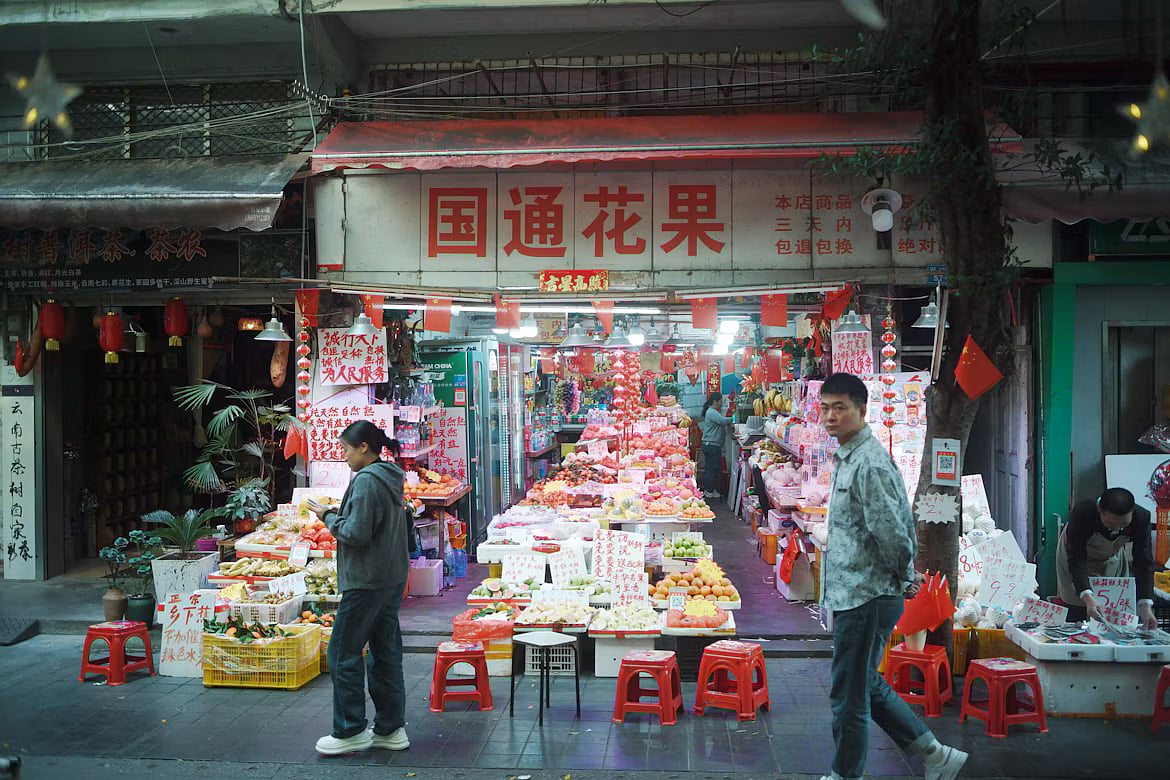
China’s success: The strength of its manufacturing ecosystem
China’s industrial growth does not depend solely on its population. It has built extensive manufacturing chains across many sectors, including electronics, machinery, batteries, electric vehicle components, and chemicals.
Along with the factory that manufactures a product, the necessary parts, raw materials, technology, skilled workers, transportation, and port facilities are also integrated. This system helps reduce production costs, improve quality, and deliver goods quickly to the global market.
The lesson for India is clear: the goal is not to copy China’s model as it is, but to build a strong manufacturing ecosystem that integrates technology, research, quality, production scale, and cost control.
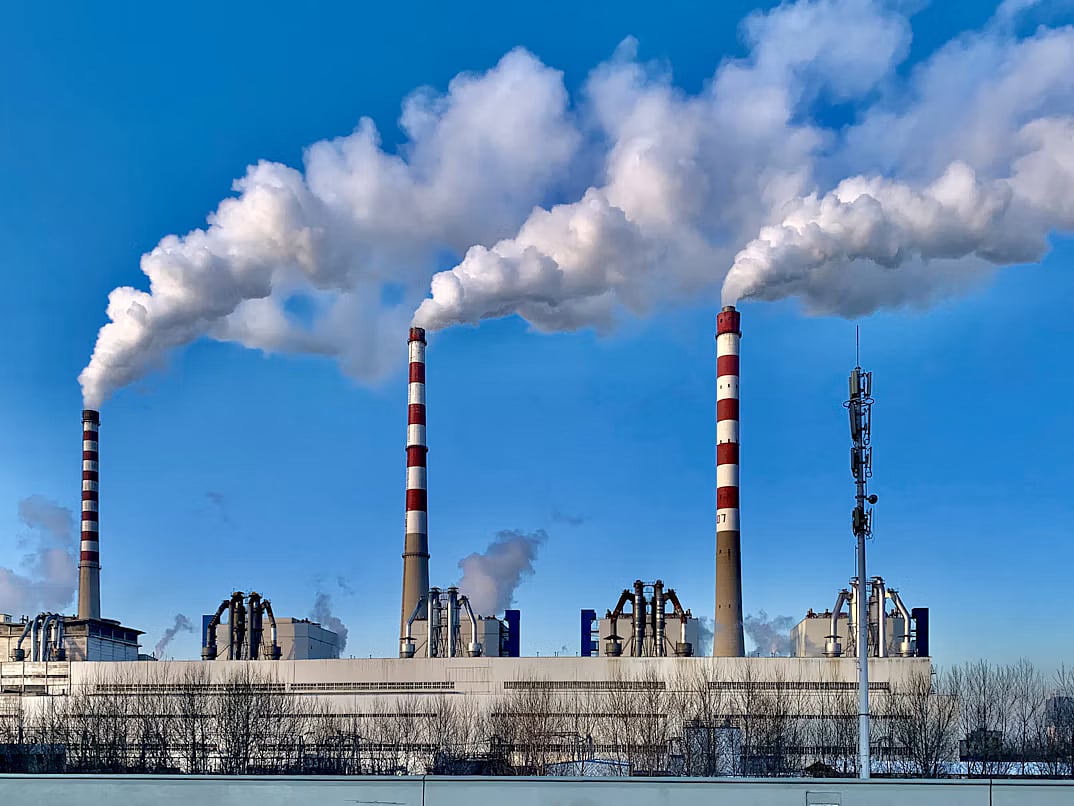
India’s strengths and weaknesses
India has several strengths, including a huge domestic market, a young workforce, information technology expertise, the pharmaceutical manufacturing sector, space research, and a growing electronics manufacturing sector.
However, dependence on foreign sources remains significant in semiconductors, electronic components, machinery, batteries, and some pharmaceutical raw materials.
However, not all goods imported from China are for final consumption. Many goods are used as inputs for production in Indian factories. Therefore, restricting imports all at once could increase production costs and consumer prices.
The real solution is to gradually expand the production of goods that can be competitively manufactured in India, while continuing essential imports.
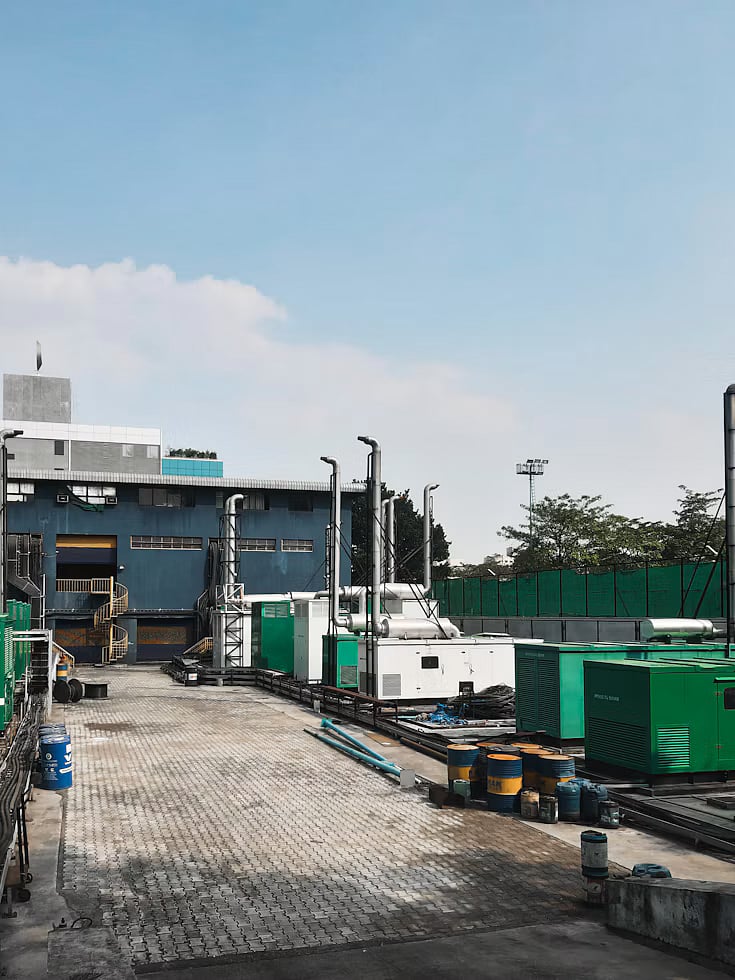
From raw material to value-added product!
India should increase the share of higher value-added products in its exports. It should not stop at exporting raw materials, but should develop the technology and skills needed to turn them into high-quality finished goods.
For example, it should move beyond assembling and selling electronic products to manufacturing their key components within India itself. Likewise, the export value of agricultural and marine products can be increased through food processing, cold chain infrastructure, quality certification, and advanced packaging.
This requires industrial investment, research, skills training, and consistent policy support.
Industrial Opportunity for Tamil Nadu
Tamil Nadu’s industrial base can be further strengthened in sectors such as automobile manufacturing, electronics, machinery production, and renewable energy equipment.
There are new opportunities in the production of electronic components, electric vehicle parts, battery management systems, and precision machine parts. A manufacturing network should be created that connects small, micro, and medium enterprises with large companies.
India should also build capabilities in areas such as processing rare earth minerals and manufacturing high-performance magnets. This will help reduce import dependence for the electric vehicle, wind power, and electronics sectors.
Five priorities for the next decade
1. Increase domestic value addition: Beyond assembling imported parts, Indian companies must move ahead in design, technology, and the production of critical components.
2. Link research and industry: University research should provide solutions to the practical needs of factories.
3. Expanding export markets: New markets should be created in Asia, Europe, Africa, and West Asia for quality Indian products.
4. Improving quality and competitiveness: Rather than relying only on import restrictions, fair pricing, reliable quality, and speedy delivery must be ensured.
5. Reducing supply risks: Alternative supplier countries and domestic production plans should be developed for key raw materials and essential parts.
In conclusion: From scarcity to production strength!
Rather than an emotional answer to the question of whether India can overtake China, an economics-based approach is needed. For India to match China’s manufacturing network, steady progress in technology, infrastructure, skilled workers, investment, and export quality is essential.
A trade deficit is not merely an accounting difference; it is an economic indicator that raises questions about what goods India produces and what goods it depends on foreign countries for.
Reducing the list of goods India buys from China should not be India’s only goal. The real goal should be to produce in India the goods that the world can buy with confidence, and to build manufacturing strength that can compete in the global market.
A country’s economic strength lies not only in how much it buys, but also in how much value it creates for the world.
-Pugazhthayalan
Vikatan’s effort to turn readers into writers and contributors is ‘My Vikatan’. A dedicated WhatsApp community group has been created for articles published in this ‘My Vikatan’ section.
By joining this, you can instantly know everything about ‘My Vikatan’ articles and ‘My Vikatan’ related announcements..!
To join this WhatsApp community group, click the link below, folks...!
Link : https://chat.whatsapp.com/G7U0Xo0F63YA5PC6VgYMBQ
A page of your own in Vikatan...
To submit your creations - send them to the email my@vikatan.com!