Continuously urging people to switch to UPI transactions, and as even poor and ordinary people are now moving toward UPI payments, the Central Government has imposed a fee for it.
As the phrase “no cash” is becoming obsolete, it is said that people may once again be forced to handle money in hand.
The Central Government has been explaining to the public in different ways every day about the fee levied on UPI transactions, saying that the UPI fee will not go into the central treasury and that people do not need to pay this charge.
But the question people are raising is this: after the central government has been urging everyone all these days to switch to digital transactions and a cashless economy, and after creating so much awareness, if today people have completely turned into Chandramukhi, what should people do now if you ask them to pay a fee for becoming Chandramukhi?
Fine... even if we say let’s go back to cash again, there is a problem there too. We are already paying a fee to withdraw cash through ATMs, aren’t we? If there is a fee to withdraw money and a fee to spend money too, then after paying taxes, GST, and everything else, ordinary people say our situation has become such that we, the poor, are like central government employees working for the central government.
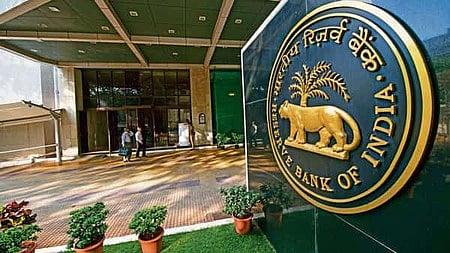
Economists say that UPI payments are a scam, and that digital transactions have brought the central reserve bank profits worth several crores. In such a situation, they say it is unfair to expect a share of the profits from the profits.
That is, until now, according to the demand for cash in circulation, the central reserve bank had been printing rupee notes, safeguarding them, and transporting them securely to banks by vehicles. Due to UPI transactions, the number of rupee notes printed every year has decreased significantly.
If people once again decide to use cash, the Reserve Bank will have to bear the cost of printing at least Rs. 50 lakh crore worth of currency notes and transporting them across the country.
Is that all? Banks will have to reopen ATMs, manage them, refill them with cash, and spend money on transporting it back and forth. Rough estimates say that printing currency notes alone will cost Rs. 50,000 crore. As if saving all this were not enough, they are now asking the very people who helped save all this expense to pay a fee as well.
From buying paper to print these rupee notes to taking back torn notes, everything costs money. But just when things were peaceful without any expense, the central government came up with the idea: why should we be peaceful? Why not make money instead? And so came the plan to charge a fee for UPI.
In just a few more days, the UPI fee will come into effect. But people, though they may cry and complain at first, will eventually forget about it. It was the same kind of uproar when GST was being collected. We shouted that it felt like paying GST on the price of one idli when buying two idlis. Haven’t we forgotten that now?
Likewise, the central government also firmly believes, with confidence, that people who have been conditioned to act as if pain doesn’t hurt will surely get past the UPI fee as if it doesn’t hurt either.
Half of the money currently in circulation has already taken refuge in boxes as black money. With the little cash that is in circulation, it is not possible to carry out cash-only transactions across the country even for a single day. What would happen if, one day, everyone woke up, went to the bank, withdrew all their salary money, kept it at home, and started spending it? The RBI should think about this a little. People may endure however many blows they are dealt, but that does not mean they should keep getting hit forever. If UPI charges are withdrawn, such problems can be avoided.
Instead, it is said that the central government has instructed banks to keep a large amount of cash in reserve and to refill ATMs. If that is what you want, the only way is for people to be prepared for it too.