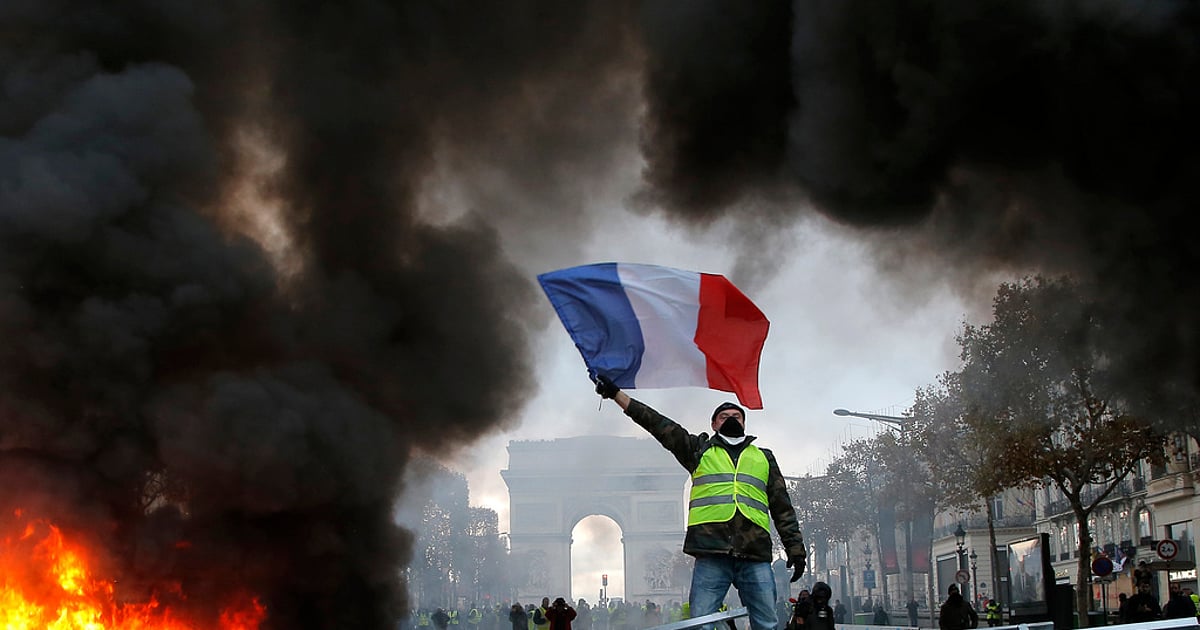
The European continent, long described as a paradise of peace and a global center of law and order and human rights, is now reeling as it turns into a battlefield amid unprecedented violence and turmoil.
Like the 'Arab Spring' revolution that shook the countries of West Asia and North Africa in 2010 in world history, the shocking wave of debate over whether a 'Europe Spring' has now emerged on the European continent as well is spreading like wildfire across international political forums.
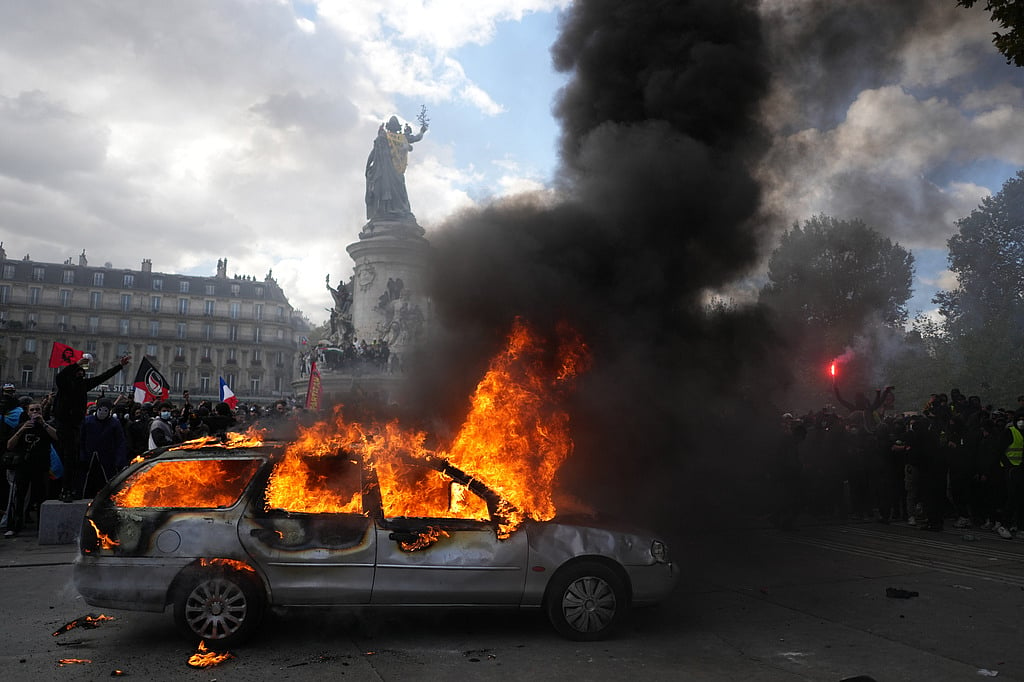
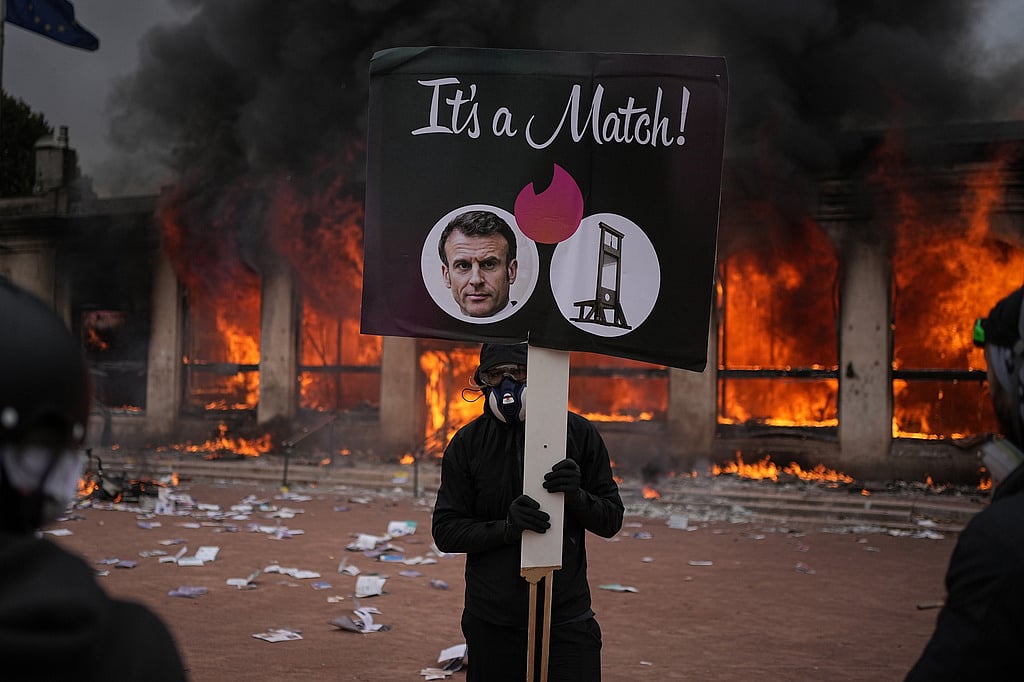
According to information from leading Western media outlets and global news agencies, protests in nine major countries—France, Italy, Germany, Portugal, Belgium, Austria, Albania, Spain, and Greece—have reached an uncontrollable stage and escalated to a peak of intensity. The fact that all nine leading countries have descended into turmoil at the same time has created massive shockwaves, enough to shake the entire administrative structure of the European Union.
Flames in the Streets - Cities at a Standstill!
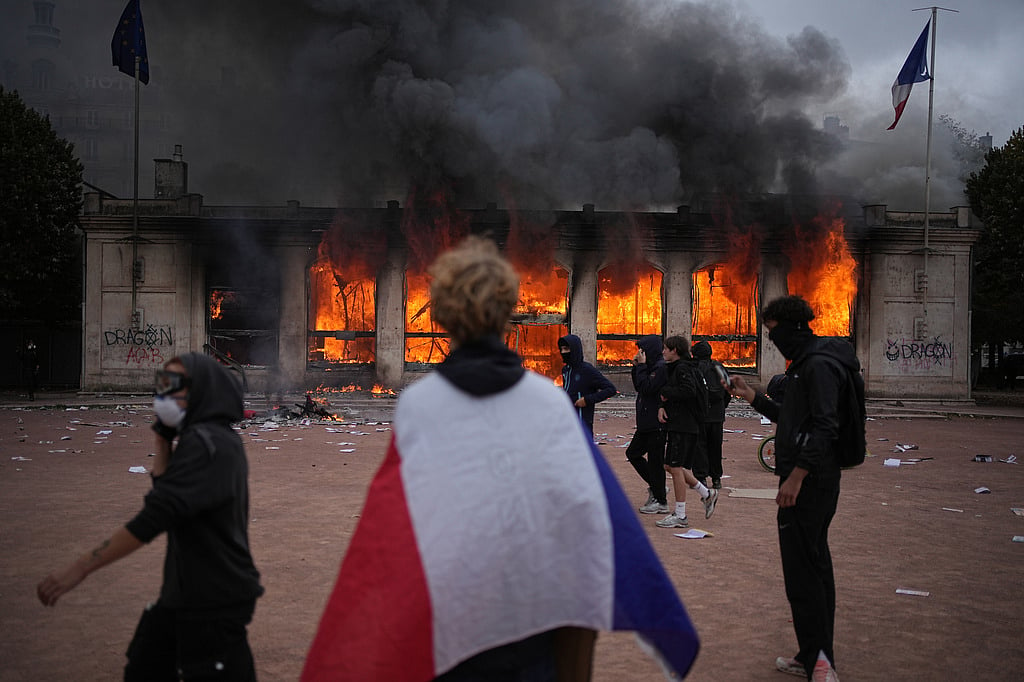
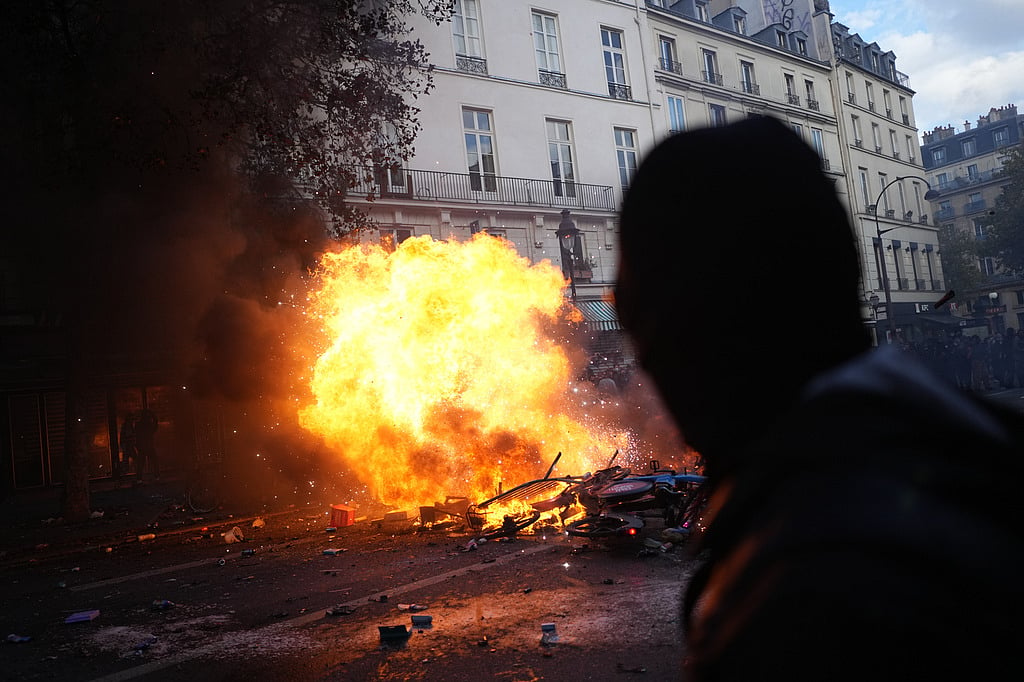
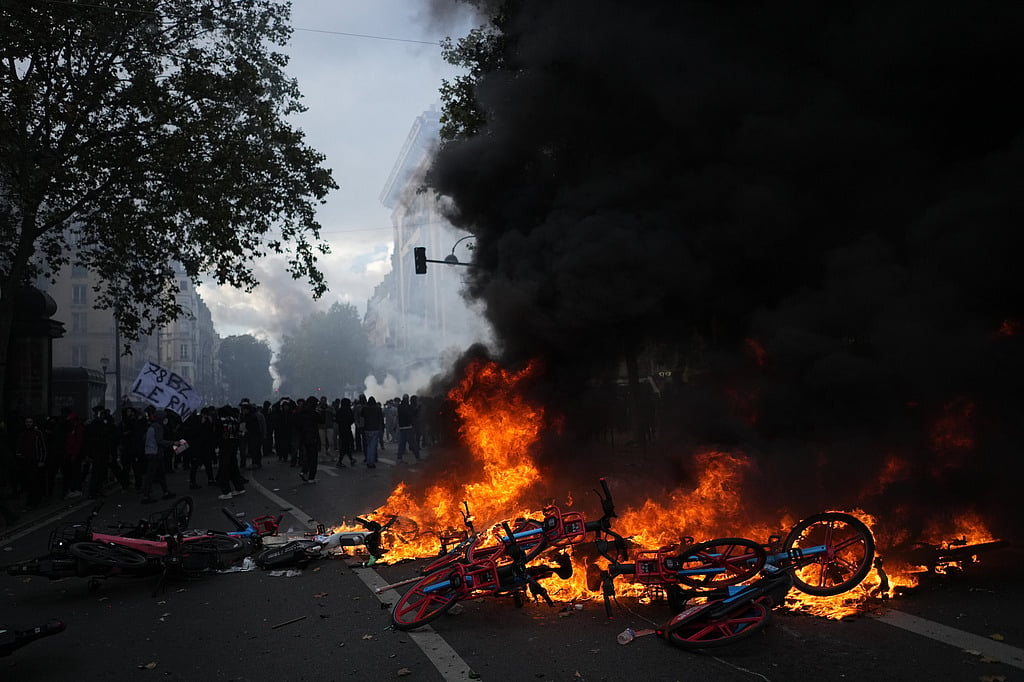
Fires are now raging everywhere along the main streets and historic roads of European countries. Thousands of armed police officers and rapid-response forces have been deployed in large numbers across the continent to protect law and order and control the violence.
Amid a surging crowd of thousands of protesters in Paris, the capital of France, citizens have taken to the streets holding the national flag in their hands and are raising fierce slogans against government actions.
Vehicles parked very close to ancient historical monuments and grand buildings in Milan, Italy, were set on fire by protesters, and the scenes of flames and smoke spreading in all directions have shocked the entire world.
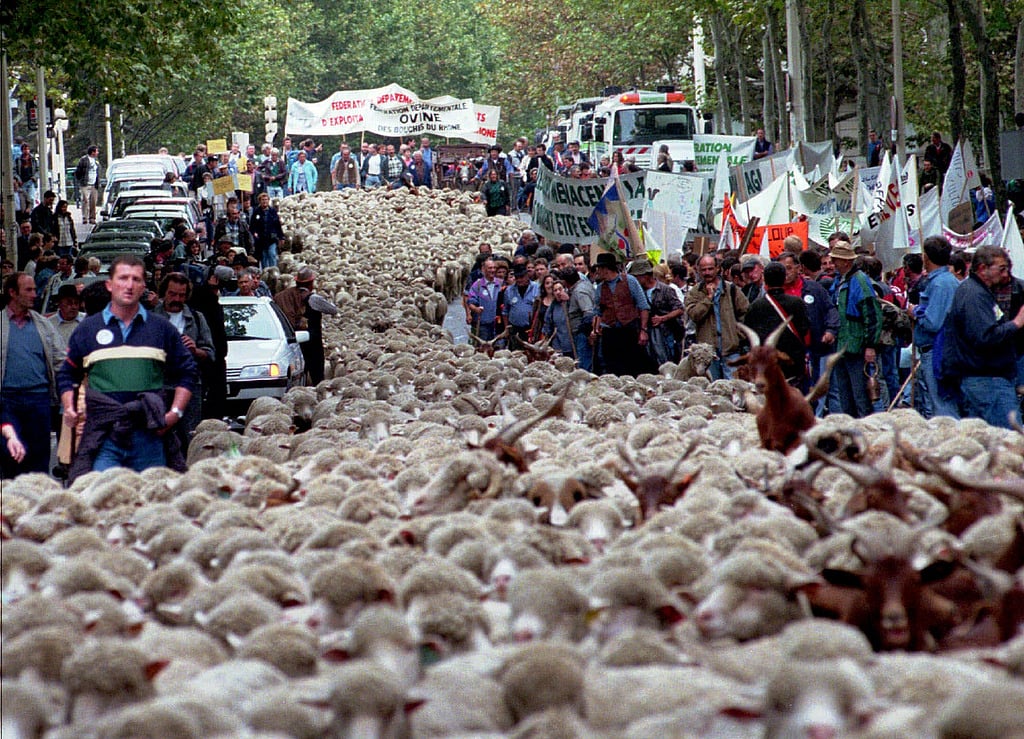
In countries such as Germany, Spain, and Belgium, which are considered the backbone of the European economy, public transport has come to a standstill, public life has been completely paralyzed, and the normal lives of ordinary people have been severely affected, leaving the streets deserted.
9 struggling countries - fears rising among officials!
Generally, if a law-and-order problem or a public uprising breaks out in any one country or in a particular state, it may be very easy for the respective governments to control it and manage the situation with the police. But when nine leading countries from the same continent, and moreover the key pillars of the European Union, erupt in unrest and rise up beyond control at the same time, it is not something that can be brushed aside as ordinary or handled easily.
Prediction by Western media and economists!
In special analyses published by leading Western media outlets such as BBC and Reuters, it has been pointed out that the rising cost of living in Europe, unbearable inflation, and soaring fuel prices are the root causes of this sudden public unrest. According to prominent economists, "The current policies of European countries have broken the backbone of ordinary people; this is not merely a temporary struggle, but rather a manifestation of long-term economic decline," they have warned.
Leaders of European countries and senior politicians have expressed concern that people taking to the streets in multiple countries at the same time has become a major challenge for democratic systems. This massive wave of people, gathered in opposition to the harsh policy decisions taken by governments and against socio-economic crises, is shaking the economic and political stability of Europe to its core.
Is history repeating itself? From the 'Arab Spring' to the 'European Spring'!
If we think about it carefully, that historic uprising in the 2010s, when people in Arab countries rose up against their rulers, became a major turning point in world history, bringing down many governments. The question of whether a similar massive popular uprising or revolutionary fire has now emerged on European soil as well, which is regarded as a coalition of superpower nations, is being intensely debated among global political observers and economic analysts.
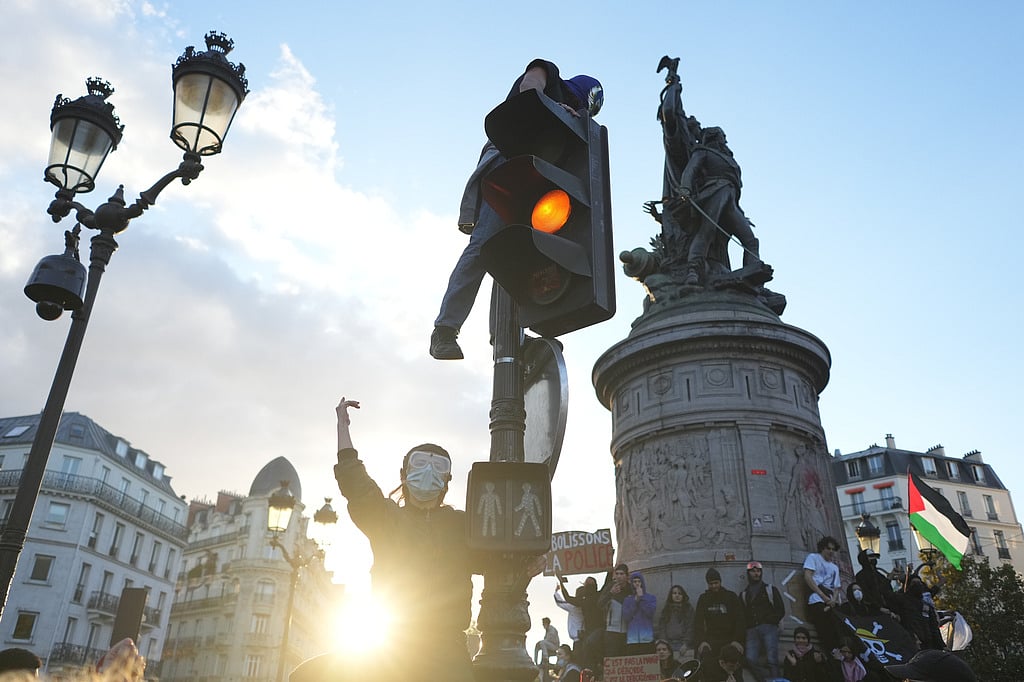
This dangerous and unexpected situation, now being described as a “European Spring,” has caused such a major headache for the rulers of European countries that it has robbed them of sleep, while also raising fears and questions worldwide about the future of the entire European continent.
What is Europe’s next step?
These events taking place in Europe stand as the best evidence of how ignoring people’s basic needs, economic crises, and administrative decay can lead to severe social consequences and public outrage against rulers.
How are European national leaders going to extinguish this blaze of protest, which is raging across nine countries—France, Italy, Germany, Portugal, Belgium, Austria, Albania, Spain, and Greece? Europe’s future itself depends on what alternative measures they are going to take to ease the people’s anger. We will have to wait and see what major historical changes this new political wave called the “Europe Spring” is going to bring about on the international stage.