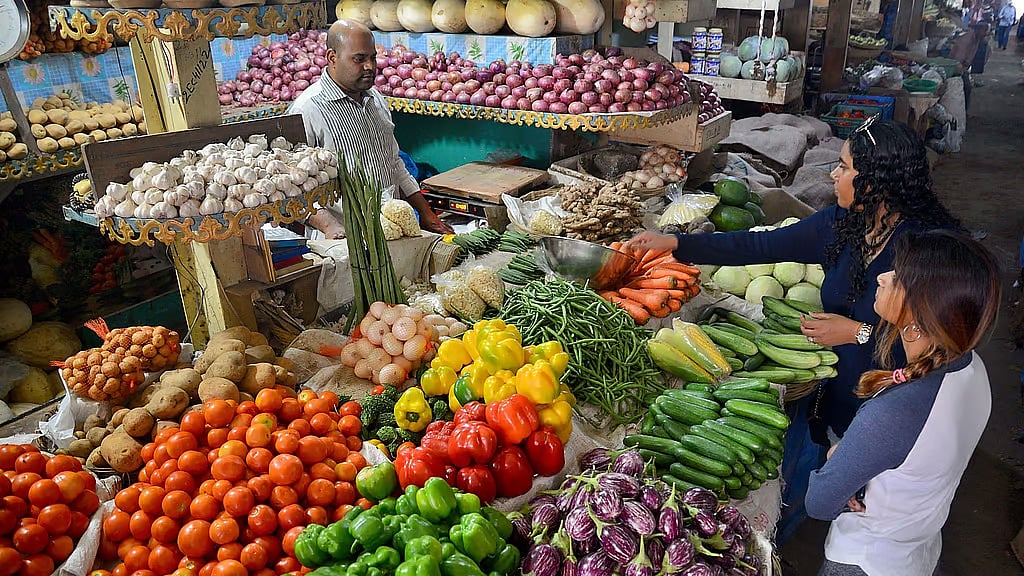
Since a 0.4 percent fee will be charged for UPI transactions above Rs. 2,000, there are concerns that merchants may once again insist that consumers and customers pay in cash.
Although it has been clarified that no fee will be charged from consumers making the payment, it is also being said that merchants may indirectly recover the fee they pay from consumers or customers themselves.
On the other hand, there are already restrictions on withdrawing cash from ATMs. People are expressing dissatisfaction, saying that instead of spending the meager wages earned by poor and ordinary people, they seem to be pushed into a situation where they would have to take on part-time work just to pay the extra charges for withdrawing and spending money.
They also say that first, by presenting UPI money transfers as an alternative to cash and getting everyone to use them, and now charging for them, this will create a situation where people return to handling cash again.
Merchants say they can comment only after receiving proper explanations and clarity on this matter.
Every merchant already pays banks a fee of around 2 percent to buy a UPI machine linked to their bank account. A monthly rental amount is charged for confirming the transaction through voice after the payment is made. If that amount is not paid, voice confirmation is stopped. In addition, GST must be paid.
At present, merchants are asking why they should have to pay again for the same UPI transaction. They say it feels as though they are doing business only to pay these charges, and they insist that the central government should not take such measures without seeking people’s opinions.
Most merchants still do not have much awareness about UPI charges. They say only after it is implemented can its impact be determined.
With large business corporations already multiplying, competition from e-commerce companies, and small traders already affected by various regulations and fees, there is concern that this UPI charge will cause further harm.
The central government has implemented the decision to levy an MDR of 0.4 percent on business transactions above Rs. 2000.
In this explanation, UPI, introduced in 2016, has now grown into the world’s largest real-time digital payment platform.
In August this year alone, 2,450 crore transactions were carried out on UPI. To keep this system self-sustaining, secure, and innovative, a small fee has been imposed on high-value commercial transactions.
It also says this will help fund better infrastructure, cybersecurity, and support measures for small businesses.
MDR is not a tax or fee levied by the government or the National Payments Corporation of India (NPCI). The Ministry of Finance has clarified that it is distributed among all participants in the payment system, including banks and payment app providers.
Furthermore, in a notification issued by the Central Government, there is no charge for transactions between individuals or for business transactions up to Rs. 2,000. For business transactions above Rs. 75,000, a fee cap of Rs. 300 has been set.
As far as essential services such as railways, telecommunications, and fuel are concerned, a flat fee of Rs. 5 will be charged for transactions above Rs. 2,000. Small businesses earning up to Rs. 1 lakh per month through UPI QR code have been exempted from the fee.
It is noteworthy that in the 2025-26 financial year, 24,161 crore transactions worth Rs. 314 lakh crore were carried out through UPI.