
The Tamil Nadu Electricity Board was established by the government in 1957 as a service organization. With the creation of the Electricity Regulatory Commission, the electricity board was transformed from a service department into a business entity. As a result, the Tamil Nadu Electricity Board has been gradually reducing the amount of electricity it generates on its own, and the Electricity Regulatory Commission itself has been encouraging the purchase of electricity from private power generation companies, subject to the conditions they impose, based on privatization and liberalization policies.
In the late 1990s and in the years 2001-2002, private power generation companies were started with the assistance of the Tamil Nadu Electricity Board. In other words, the Electricity Board itself paid private parties, gave them land, and helped establish companies and carry out production.
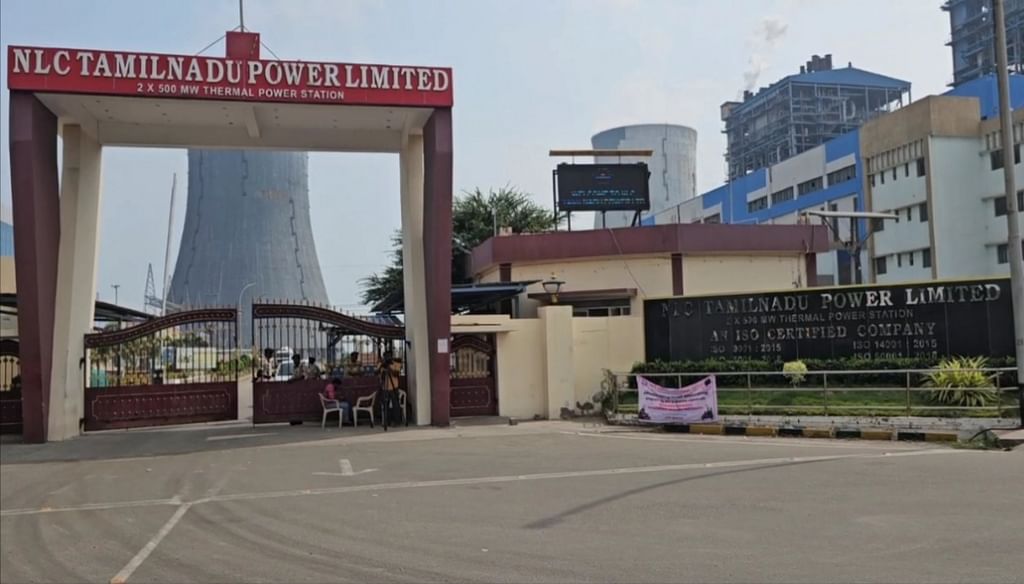
It was in this way that companies such as GMR at Chennai Basin Bridge, Pillai Perumal Nallur, Samalpatti Power, Madurai Power, and Neyveli Power were started.
Although the government’s direct power generation corporations, TNPGCL (Tamil Nadu Power Generation Corporation) and TNGECL (Green Energy Corporation), focus specifically on power generation, even after adding the electricity obtained through the central government’s public distribution, Tamil Nadu still has to depend on private players to meet about 40–50 percent of its power demand.
Therefore, depending on the situation, the government enters into short-term and long-term contracts with private companies. It is the price of those contracts that is now heating up the political arena in Tamil Nadu.
Every year, climate change and seasonal shifts cause electricity demand to rise or fall. Based on that, to address the electricity shortage in October, the Tamil Nadu Electricity Distribution Corporation has entered into an agreement to purchase emergency power at a record-high price of up to Rs. 37 per unit. This is the first time electricity is being bought at such a high price.
The Electricity Board has finalized contracts to receive 1,500 megawatts of power continuously for 24 hours for the period from October 12 to 31. For this, it will pay between Rs. 31.99 and Rs. 34.49 per unit. Similarly, a contract has been signed to purchase an additional 2,000 megawatts of electricity to meet the peak demand from 6 p.m. to midnight. For this evening-time additional power, a very high rate of Rs. 33.37 to Rs. 37 per unit has been fixed.
State electricity boards across India, as well as power-generating companies, use DEEP (Discovery of Efficient Electricity Price), the online electricity auction platform created by the Union Ministry of Power, to buy and sell electricity on a short-term or medium-term basis.
All state electricity boards in India participate in auctions and purchase electricity only through this 'DEEP' website.
There was also demand for electricity from other state electricity boards and private power distribution companies in India. They had requested tender/bid quotations (Tenders/Bids) for electricity on this website. Since the price asked by power generators in the auction was extremely high, above Rs. 30, other states were not willing to buy electricity at that high price and, without finalizing the contracts, had been negotiating for a price reduction.
For example, the Andhra Pradesh Power Coordination Committee finalized the bids on September 9 itself and contracted to purchase only 150 MW of electricity at a price ranging from Rs.16 to Rs.20 per unit. However, in history, no other state has ever contracted on this website to buy electricity by paying between Rs.33 and Rs.37 per unit. But the Tamil Nadu Electricity Board (TNPDCL), needing electricity urgently at the last minute, accepted the maximum price they asked for and signed the contract.
Due to annual maintenance work at central power generation stations, there is a shortage of about 4,000 megawatts in the electricity that should be coming to Tamil Nadu. At the same time, wind power generation has also declined significantly. Last October, peak power demand was 17,000 megawatts, and daily consumption was 365 million units. However, this October, peak demand has touched 20,000 megawatts, and daily usage has increased by up to 70 million units compared with last year.

Moreover, coal-based electricity, which is usually available in the market, is currently not available. As a result, these agreements have been made with gas-powered power plants. But there is also an advantage here. There is no need to pay for the entire amount of electricity contracted. We only have to pay for the amount of electricity we use.
If demand decreases, they can stop purchasing electricity. Officials have clarified that since the fixed charge for this will be less than one rupee per unit, the loss in this method will be lower compared with coal-fired power plants.
In this regard, we spoke with an electricity board engineer. He said, “Not only in Tamil Nadu but across India, the demand for electricity has increased very sharply in the month of October. When the demand for electricity rises across the country, the stock of electricity available for sale in the market decreases. In the power trading market (Power Exchange), any state government can buy electricity only at the price determined on a day-to-day basis; no state government can set the price on its own.
The situation in the past, when a unit was bought for Rs. 20, cannot be compared with the present scenario. The price of coal, maintenance costs, and the intensity of current power demand from 10 years ago are completely different. When power generation is not enough to meet market demand, an increase in procurement prices becomes inevitable for all states. Even though the state government has adequate infrastructure for generating its own power, certain natural and technical constraints affect production.
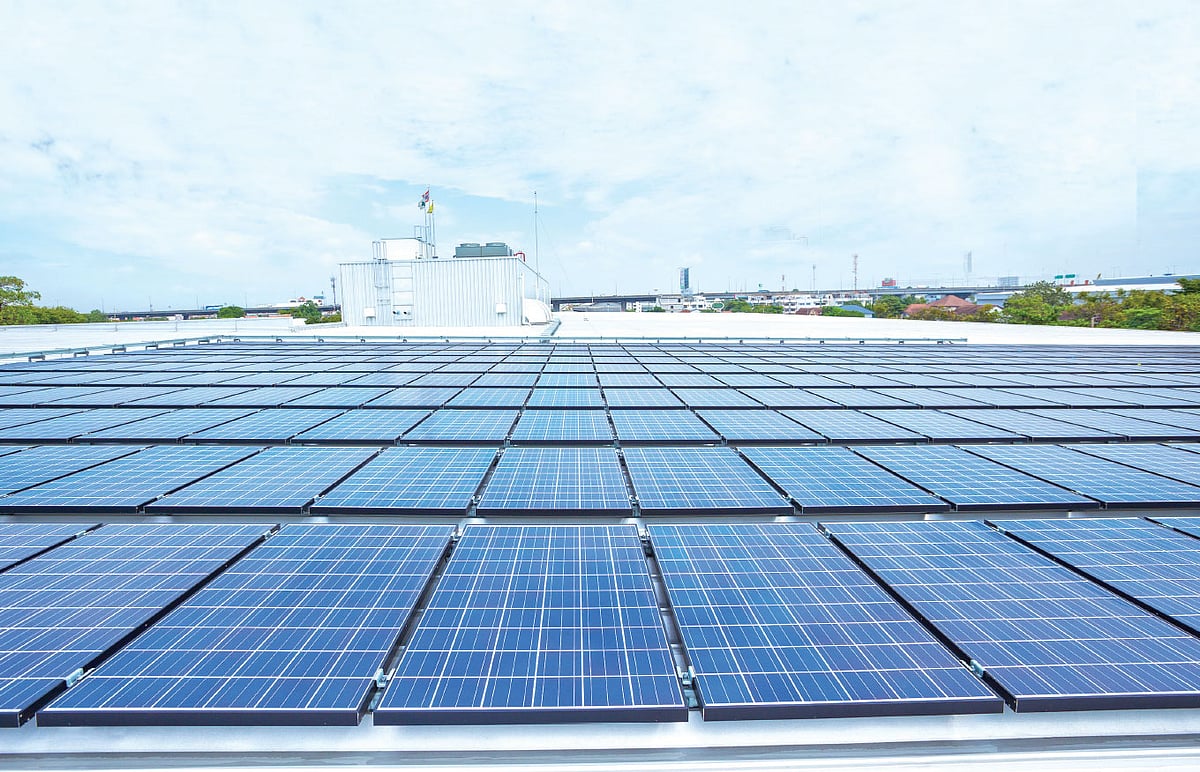
In hydro power stations, production cannot be increased when there is not enough water. As for thermal power stations, electricity is being generated at their full capacity. Renewable energy sources such as solar and wind are not available consistently 24 hours a day. In particular, since solar power is available only during the day, there is a compulsion to rely on the open market or emergency purchases to make up for the shortfall during peak electricity demand at night.
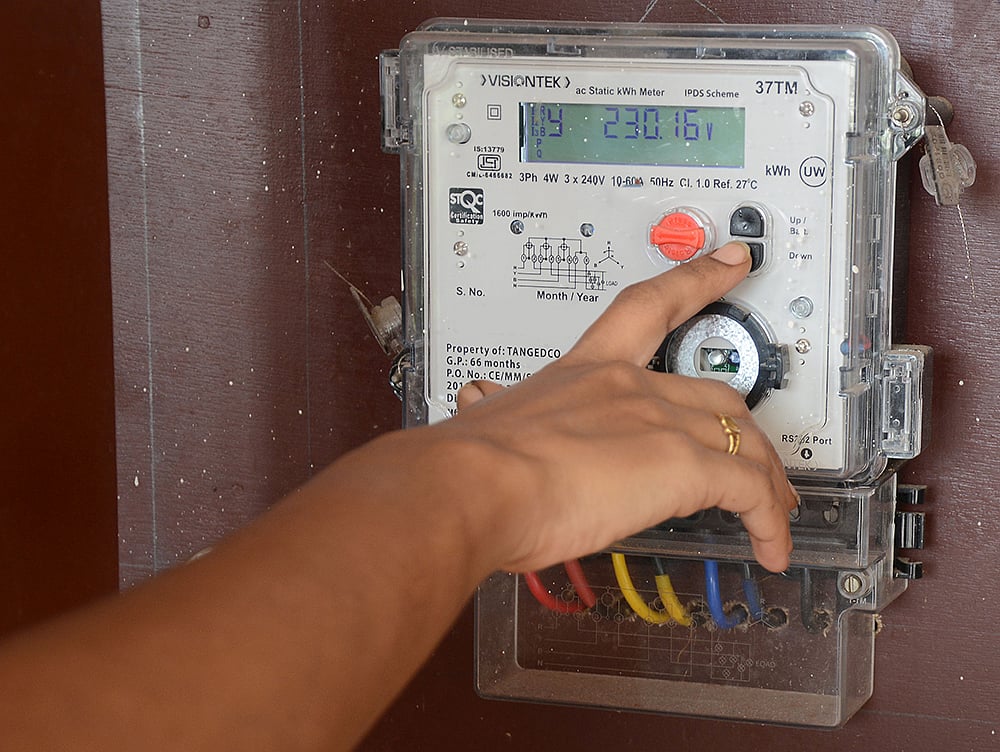
Even though the electricity board buys power from the open market at over Rs. 30, it is distributed to the public at the usual subsidized rate. Private companies engage in the business of selling at higher prices for profit. But the government, instead of looking at profit, operates with a service-minded approach to ensure uninterrupted electricity for the public, and that is why this financial loss and debt burden arise.
On the government side, starting new power generation plants requires a huge investment, and there are also various practical difficulties. Environmental clearance, coal allocation, and contractors not completing construction work on time are among the factors delaying government projects.
At the same time, private companies invest in modern technologies such as battery energy storage (BESS) and then generate power only during peak hours, when electricity demand and prices are at their highest, thereby earning huge profits. They do not operate their power plants during periods of low demand. Although long-term power purchase agreements (Long-term PPAs) by the government can provide electricity at lower prices, there is no alternative but to make emergency purchases to cope with sudden short-term power shortages lasting 10 days or a week," he said.
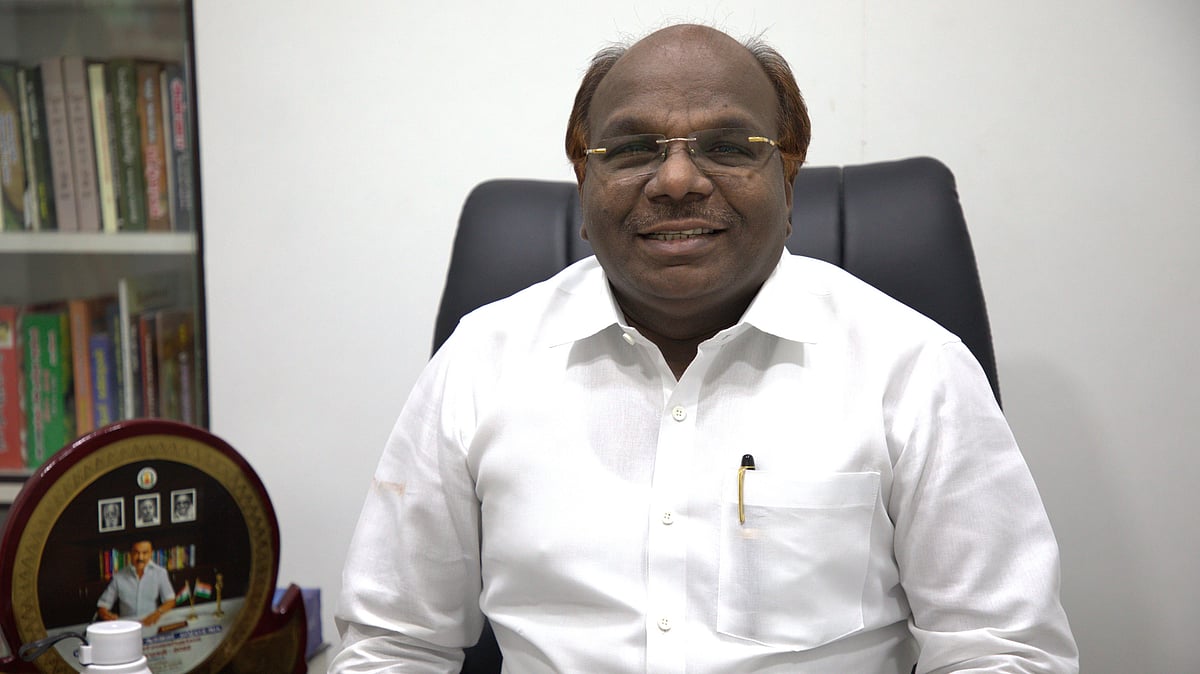
Regarding this issue, we spoke to DMK MP Constantine Ravindran. He said, ``Electricity consumption is at its peak during the summer months of May and June. In the periods after that, consumption usually decreases rather than suddenly increasing. The electricity normally required in our state is only between 20,500 MW and 21,000 MW. In the current situation, if the demand is 22,000 MW, it could have increased by a maximum of only 1,000 MW.
In that case, how can demand suddenly increase by 1,500 MW to 3,000 MW in a short period of time? The question arises: how is such a sudden rise in consumption possible when no new factories have been started on a large scale and many factories are being shut down?
When there are chances of getting one unit of electricity in the market for Rs.18 to Rs.25 through auction/tender, why rush to buy it at a higher price of up to Rs.35? If the demand for electricity is a regular one, why didn’t the government plan ahead?
The administration’s explanation that, no matter how high a price we buy electricity for, we are still supplying it to the public at a subsidized rate is unacceptable. When electricity is bought at a high price (e.g., Rs. 35) and given to the public at a lower price (e.g., Rs. 10), the resulting loss of Rs. 25 is borne by the government treasury. This amount will not come from Chief Minister Vijayo or Minister Nirmal Kumar’s own pockets; in the end, this debt burden will fall on the people through taxes.
In this matter, two major underlying irregularities are evident. They are deliberately reducing the output of our own power plants and issuing new tenders for 2,500 MW. To obtain a fair lowest price, at least 15 days should be allowed. However, completing the tender in just 5 days confirms that they had already planned in advance who should be given this contract and how many megawatts should be purchased.
Reducing domestic power generation and purchasing electricity at a higher price from specific private companies through short-term tenders is an act that wastes the public’s tax money. These administrative lapses and irregularities will ultimately come back as a heavy economic burden on the people,” he said.