
Nationwide protests are intensifying against Chief Election Commissioner Gyanesh Kumar over the Special Intensive Revision (SIR) issue. On one side, the “cockroach party” organization that forced Union Education Minister Dharmendra Pradhan to resign through sustained protests in the NEET exam issue, and on the other, the Congress led by Rahul Gandhi, which has been opposing the SIR exercise ever since it began, are creating pressures for the BJP government.
In this situation, the Congress party declared October 8 as a 'Black Day' and held protests in various parts of the country. During the protests, leaders including Rahul Gandhi and Priyanka Gandhi were arrested by the Delhi Police.
The scuffle that took place then, the sit-in protest on the road, and the events related to Rahul Gandhi's movements became topics of discussion on social media.
Accusing the BJP government of attacking democratic institutions, this protest is intensifying day by day in both the political arena and among the public.
At the same time, assembly elections are due to be held in a few months in states including Punjab and Uttar Pradesh.
Therefore, to discuss Congress politics behind this protest, we contacted senior journalist Ayyanathan.
He said, “This protest is not merely about political gains and losses. Rather, it is an expression of people’s anger against the deprivation of their basic right to vote. This SIR is being seen as the biggest irregularity in the country after the EVM machines.
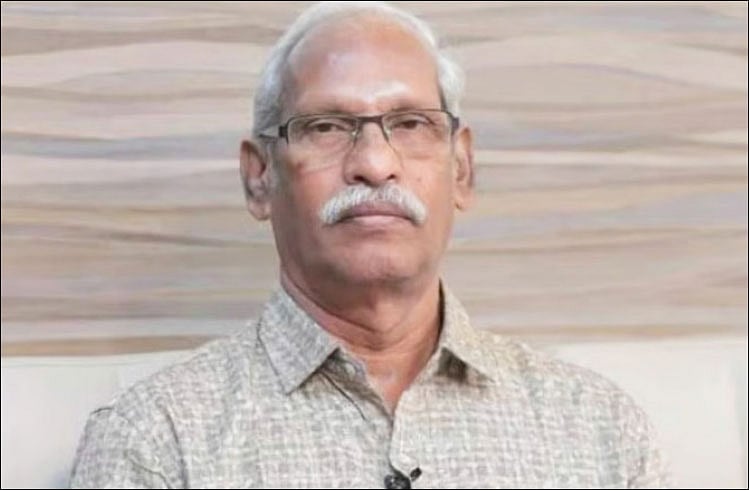
In this, the names of ordinary and simple people are being deliberately removed from the voter list. For example, there is an allegation that about 74 lakh voters in Tamil Nadu alone were prevented from voting. If they had been able to vote, even now there might have been a change in the government.
Therefore, the primary demand is that this situation be changed, that Chief Election Commissioner Gyanesh Kumar, who is responsible for the irregularities, immediately resign, that the SIR measures be canceled, and that the ballot paper system be brought back.
Pointing to states where the BJP has lost and arguing that “no irregularities took place” is not acceptable. In Tamil Nadu, the BJP has only 5% of the votes. If they claim they captured power with that, they would get caught.
In Kerala too, they have received only a maximum of 14% of the votes. If they were to seize power with that, would anyone believe it?
But in Karnataka, the BJP has 20% to 25% of the votes. So there, they can commit about 10% irregularities and come to power. That is why they have made Vijay win here.
As the Election Commission stated in court in 2013, does the Election Commission have an answer to the question of why, during vote counting, the VVPAT slips are not fully counted and matched before announcing the results? Even though the Congress introduced the EVM system, the key issue that has emerged here is that it is being misused today.
The Congress party’s involvement in this struggle goes beyond the question of what political benefit it will bring them.
Various organizations and civil society groups have been continuously fighting for months against such actions by the Election Commission. When the democratic rights of the people are taken away, it is the duty of a principal opposition party to raise its voice against it and take to the field.
“Therefore, without calculating political gains, the primary objective of this struggle will be to restore democracy and the people’s right to vote,” he said.
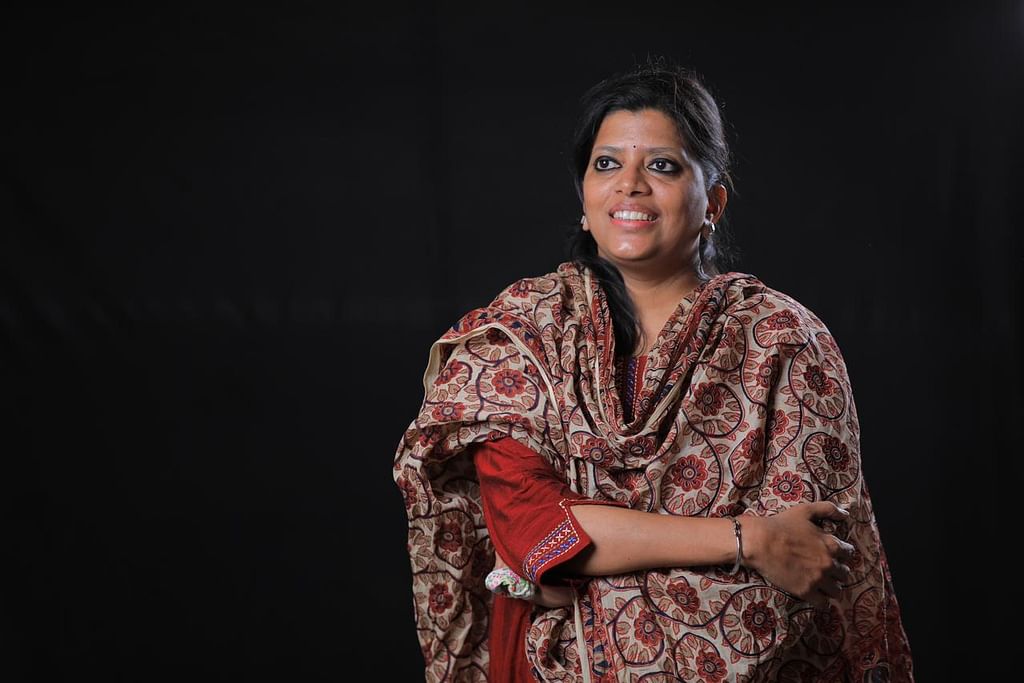
Speaking to us about the way Congress is approaching this struggle, journalist Kavitha Muralidharan said, ``Rahul Gandhi has not suddenly taken up the SIR issue through the 'Vote Chori' campaign. He has long been speaking clearly about electoral malpractice and irregularities in the voter list;
in the current situation, it has gained major political momentum. In the NEET issue, the struggles by the (CJP) organization took place separately in the past. Congress should have entered the field more aggressively then.
But now, Rahul Gandhi and the 'India' alliance taking the lead in fighting this irregularities issue shows the intensity of the field. The Congress party stepping out of its image as a mild opposition and entering an aggressive battleground is an important political move.
Leading such protests ahead of the upcoming state elections in Punjab, Manipur, Uttar Pradesh, and Uttarakhand is something extremely necessary for the opposition parties.
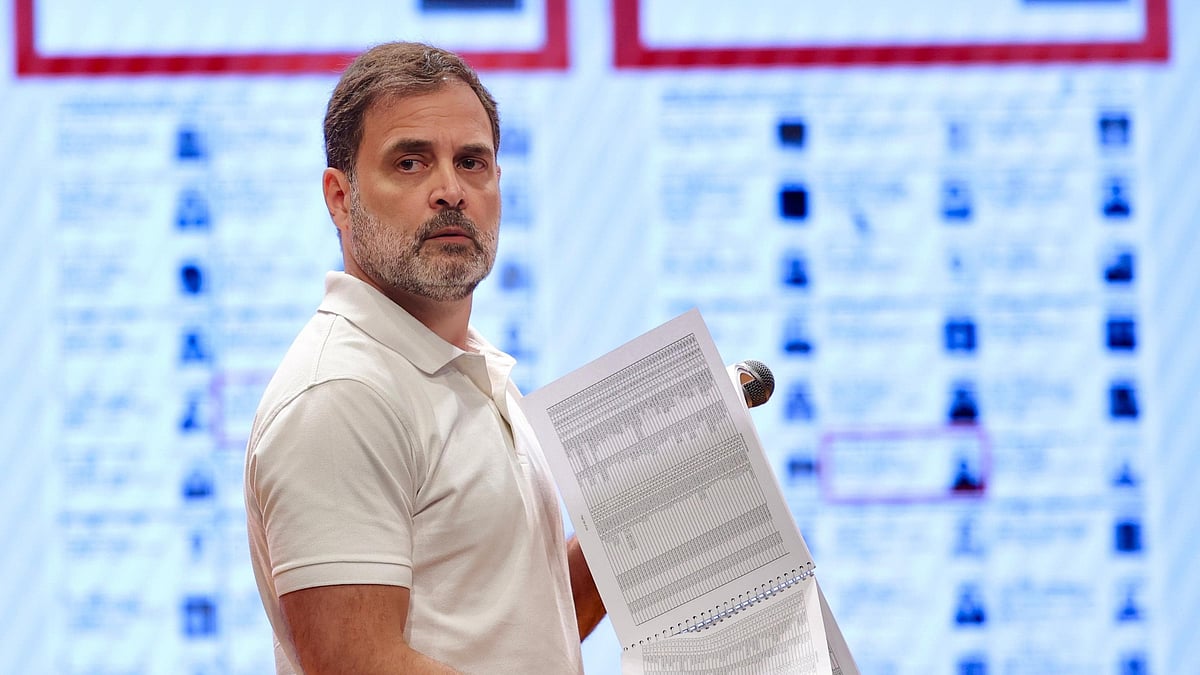
Because the alleged planned irregularities in the election would undermine the very foundation of democracy, it becomes imperative for all forces to unite and oppose them. This cannot be compared to an emotional or personality-driven political event like the 'Bharat Jodo Yatra'.
The Bharat Jodo Yatra helped Rahul Gandhi understand the sentiments of the people and build closeness with them. But the current struggle is directly a fight over the credibility of the electoral system.
This struggle cannot be seen as an attempt to strengthen its own dominance or to make the Congress exert control over regional parties. Rather, it will create political pressure on certain regional parties, such as the TVK, which hesitate or remain silent in opposing the ideology of the BJP, its ideological adversary, after the assembly elections.
Beyond such struggles, Rahul Gandhi must resolve the various ideological contradictions within the Congress. That is what will greatly help the Congress in the elections to come," he said.