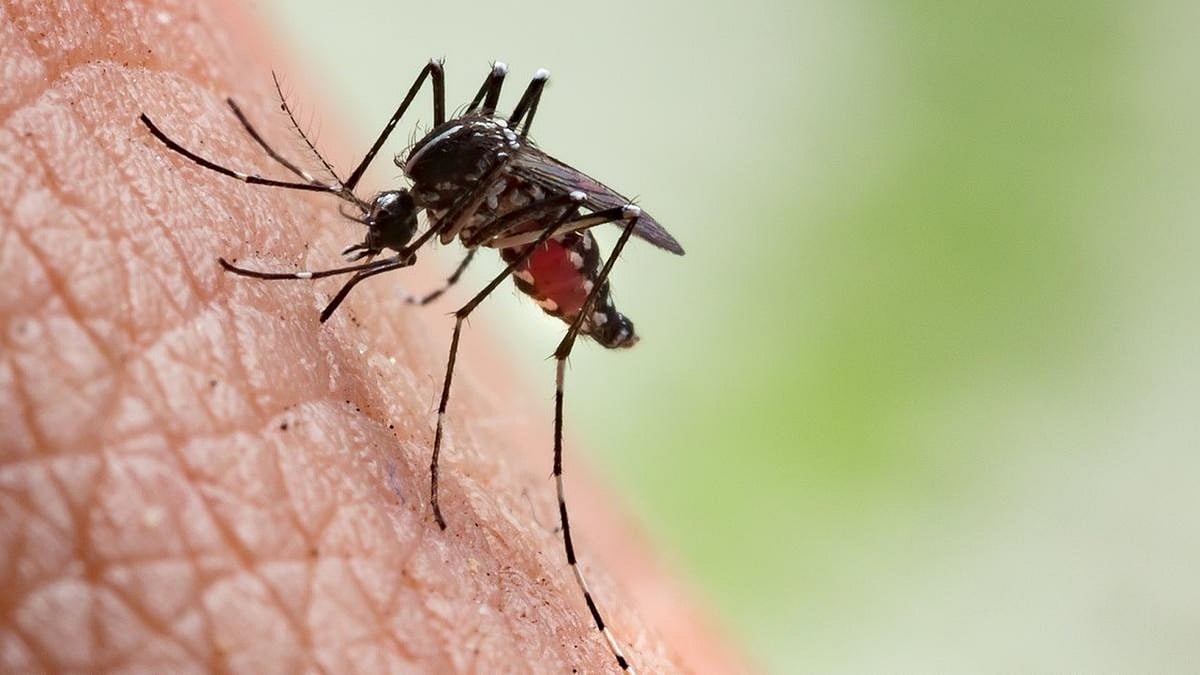
Chengalpattu: Dengue fever cases in Chengalpattu district have increased 4.8 times in just one month.
While 98 people were affected in August, this number has risen to 469 in September. As a result, there is a need to intensify dengue prevention measures during the rainy season. According to health department statistics, cases have increased in all parts of the district.
Highest impact in Tambaram: In Tambaram Municipal Corporation, while 35 people were affected in August, 247 people were affected in September. This is more than a 7-fold increase. In the corporation’s 4th zone, the highest number of 69 people were affected.
In rural areas, the number of affected people has risen from 53 to 172. In the St. Thomas Mount area, 69 people have been affected. In municipalities, the number has increased from 7 to 40, and in town panchayats from 3 to 10. In Guduvanchery municipality alone, 18 people have been affected.
If water stagnates in houses, vacant plots, construction areas, school campuses, and public places due to rain, the chances of mosquito breeding may increase. In response, local bodies have been carrying out mosquito larva eradication and cleaning operations. Rainwater drains have been desilted, and accumulated mud and garbage have been removed. Awareness activities on dengue prevention have also been conducted in schools.
The health department has instructed that in areas with high impact, activities such as going door to door to identify and destroy mosquito breeding sites, carrying out fogging where necessary, and monitoring fever cases should be intensified. Since drinking water sources may become contaminated during the rainy season, it has also been advised to carry out proper chlorination. Measures are also being taken to prevent waterborne diseases such as typhoid, in addition to dengue.
Awareness is essential: Regarding this, social activist Ilango said: During the rainy season, people report that mosquito nuisance increases in some areas because rainwater and sewage stagnate. If a fever develops, one should avoid taking medicines or tablets on one’s own and should consult a doctor. It is necessary to identify the cause of the fever through medical examination and receive treatment accordingly. Awareness about this should be created among the public.
During the rainy season, mosquito larva eradication, cleanliness work, and fever surveillance activities should be carried out continuously, and the public should also cooperate in preventive measures, including ensuring that water does not stagnate in their surroundings. He said that the district administration and local bodies should continue to coordinate and carry out preventive measures.