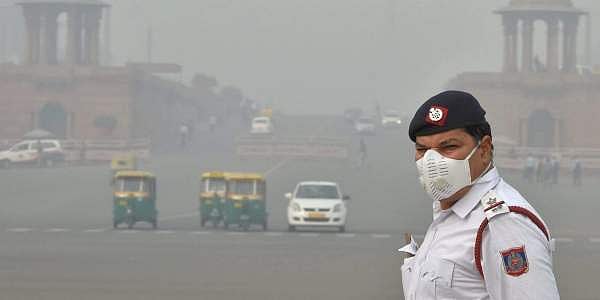
Due to the persistently high pollution in Delhi, doctors have advised people to take precautionary measures such as wearing properly fitting N95 masks when going outside, avoiding walking in the morning and evening, exercising indoors, and installing air purifiers in homes.
Health experts have warned that children, people over 60, and those who already have respiratory, heart, or kidney diseases are especially vulnerable to the harmful effects of polluted air.
Dr. Abhinav Banot, Director of the Respiratory and Sleep Medicine Department at Medanta Hospital, advised people to wear N95 masks that properly cover both the nose and mouth, instead of using other types of face masks.
He also recommended that those who exercise outdoors in the early morning or evening should shift their routine to the morning hours when the sun is shining.
When the air quality index is high, people should avoid outdoor exercise and do indoor workouts at the gym or at home. Once the air quality index drops below 200, they can consider resuming outdoor activities,” he said.
Banot also recommended installing high-quality air purifiers in homes, especially in rooms where children and elderly family members spend most of their time. Staying hydrated and eating green vegetables were among his other suggestions.
Dr. Randeep Guleria, head of the Institute of Internal Medicine, Respiratory and Sleep Medicine at Medanta, said that people over 60, children, and those already suffering from illnesses such as asthma, heart disease, and kidney disease are among those severely affected by high pollution.
“People should try to stay indoors as much as possible. If there is fog, smog, or a high air quality index, they should avoid going outside. If possible, work from home, and avoid outdoor walking and jogging. Exercise indoors where the air quality is good,” Guleria said.
He advised that people with chronic respiratory or heart diseases should take their medicines regularly and consult a doctor if they experience shortness of breath, cough, chest tightness, sleep disturbance, or fatigue.
He said that construction dust, vehicle exhaust, and smoke from burning crop residue, which disperse easily in the summer, tend to accumulate near the ground in winter, thereby increasing people’s exposure to pollutants.
Although firecrackers during Diwali further increase pollution, the resulting spike is generally short-lived and subsides within a day or two. However, he added that several other factors also contribute to the deterioration of air quality in winter.