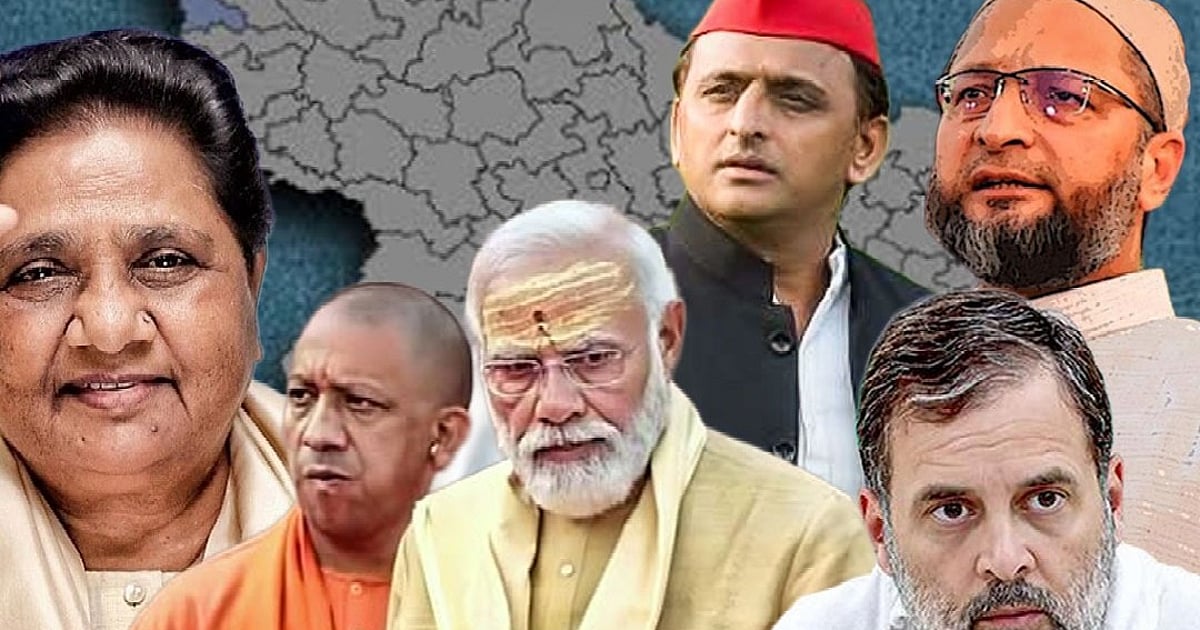
Politics 9 min read•November 16, 2026

Dalit + Muslim = 40% of the votes; how does the BJP win in such a challenging field? | UP Election Explained

Dalit + Muslim = 40% of the votes; how does the BJP win in such a challenging field? | UP Election Explained

👶 Discover Authentic Tamil Baby Names

8,000+ pure Sangam names with audio pronunciation & numerology.

Search Name Finder 🔊

English

Ahead of the 2027 Uttar Pradesh Assembly election, new rifts and rival factions have emerged within the opposition alliance. Rather than focusing on preventing the ruling BJP from returning to power for a third term, the opposition is locked in intense competition over leadership, seat-sharing, and retaining Dalit-Muslim vote banks.

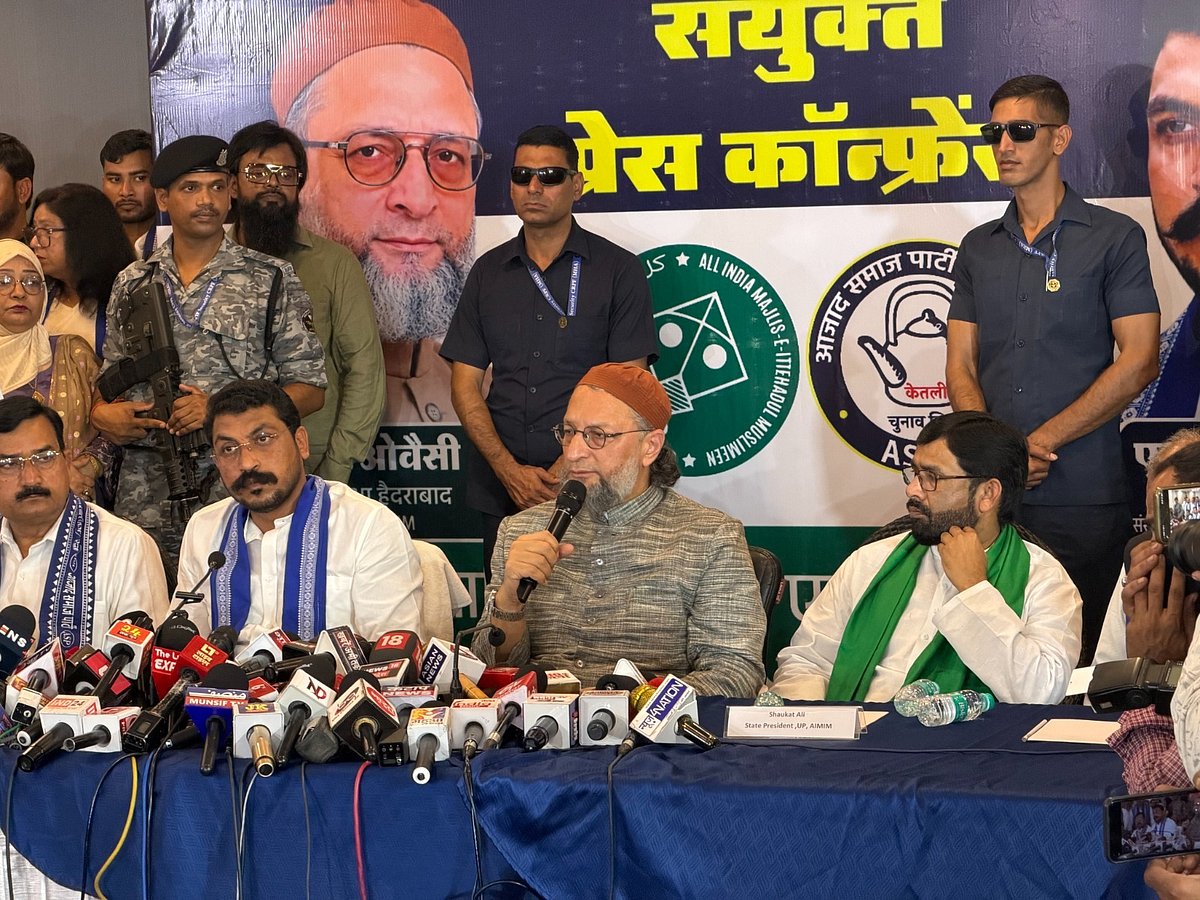
At the peak of this, Asaduddin Owaisi's All India Majlis-e-Ittehadul Muslimeen (AIMIM) and Nagina Lok Sabha MP Chandrashekhar Azad's Azad Samaj Party (Kanshi Ram) have jointly announced a new alliance called the 'Samajik Parivartan Morcha' (Social Change Front) in Lucknow.
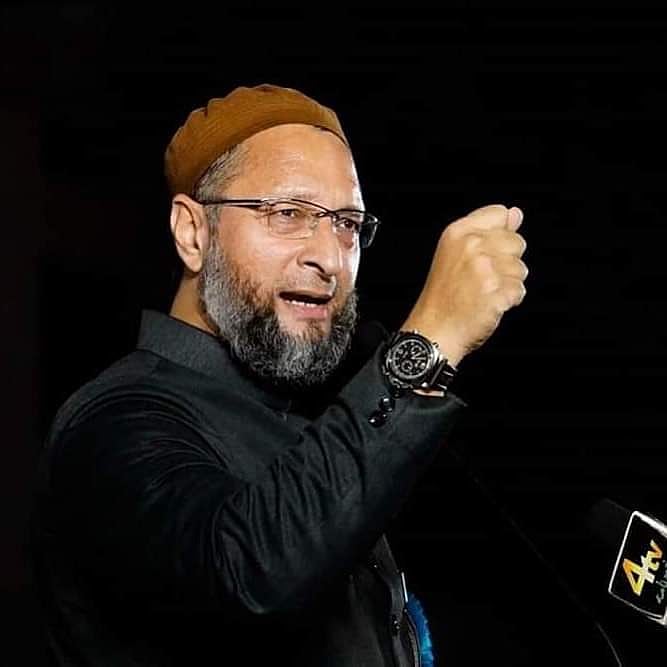
Owaisi

Owaisi’s long-standing demand and the snub

Owaisi’s long-standing demand has been for a place in the anti-BJP 'India' alliance in Uttar Pradesh. After the snub in Bihar and several attempts at reconciliation, he issued this warning four months ago:

"I have said before, and I say it again now, that the Majlis party does not want the BJP to return to power in Uttar Pradesh. I am ready to join hands. I am ready to form an alliance. This is the time to talk. Don’t cry after the election is over. We do not want the BJP to return to power."

However, the Samajwadi Party and the Congress, who have not yet finalized seat-sharing among themselves, did not heed his request. AIMIM’s Uttar Pradesh president, Shaukat Ali, has said that Owaisi’s side joined hands with Chandrashekhar Azad after efforts to form an alliance with the Samajwadi Party, Congress, and Bahujan Samaj Party failed to yield results.

Announcement of the New Alliance

At a joint press conference held in Lucknow last Thursday, Owaisi announced that they would build a strong alternative political force in the state to stop the BJP. He also stated emphatically, "If we have to die for the welfare of the people, that is a good deal for us; Akhilesh Yadav will not become chief minister."

For the 2027 assembly election, Chandrashekhar Azad has been announced as the chief ministerial candidate. This new alliance plans to contest all 403 constituencies in the state.

They say their main aim is to bring Dalits, Muslims, and backward communities together under a common political platform.

The Muslim-Dalit communities at the center of the new alliance together make up about 40% of the state’s voters. But population numbers do not automatically translate into votes. The Uttar Pradesh electoral arena is already crowded with the BJP, the Samajwadi Party, the Bahujan Samaj Party, Congress, and smaller caste-based parties in the National Democratic Alliance. In this context, the question is how much impact this alliance will have.
This effort to bring Dalit-Muslim votes under one umbrella poses a major challenge to the Samajwadi Party and the Bahujan Samaj Party, which have traditionally relied on the votes of these two communities. There is no doubt that if those votes are split, it will greatly benefit the BJP.

Ahead of the 2025 Bihar Assembly election, Owaisi offered to contest just six seats in the 'India' alliance led by the Rashtriya Janata Dal (RJD). The RJD-Congress alliance rejected it.

In the 2020 election, AIMIM proved its strength by winning 5 seats in the Seemanchal region. (What happened later, when four of those five MLAs defected to the RJD, is another story.) In 2025, AIMIM, contesting on its own, once again won those same 5 constituencies and retained its vote bank. This dealt a major setback to the RJD alliance.

A similar neglect has now occurred in Uttar Pradesh as well. Despite Owaisi repeatedly expressing his desire to form an alliance with Akhilesh Yadav, the Samajwadi Party paid no heed. The result is this new front.

A direct challenge to the Samajwadi Party

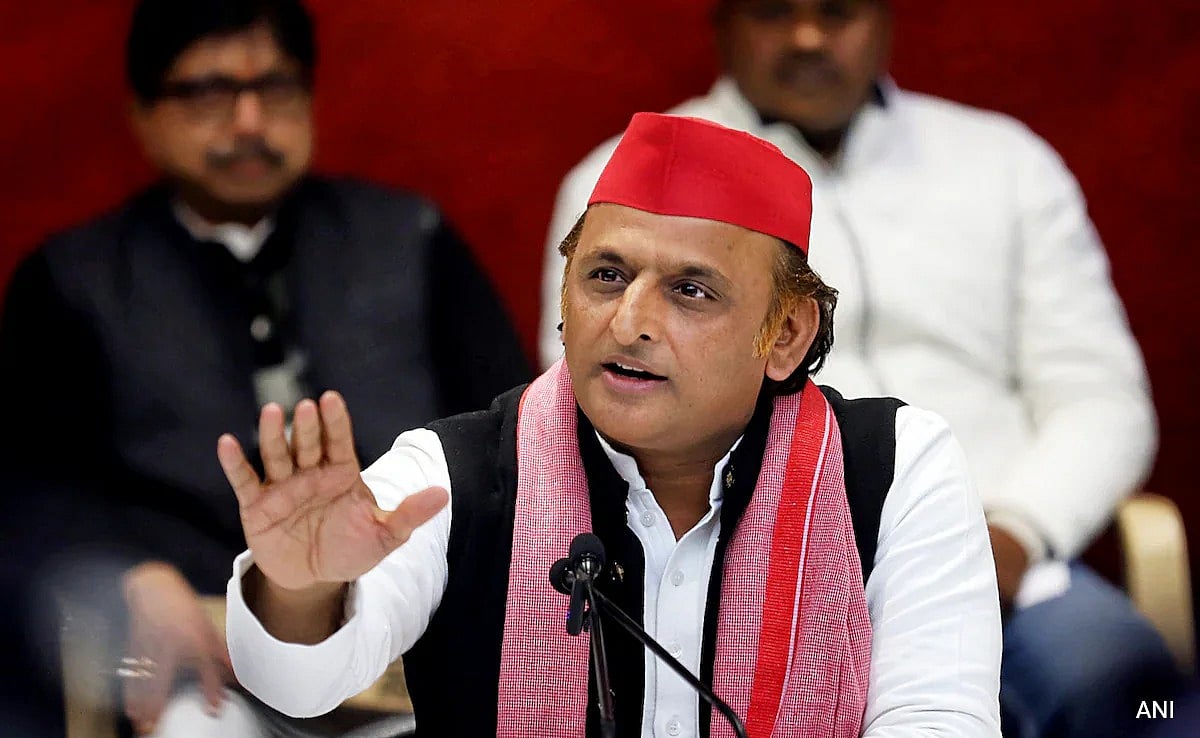
The party that should be immediately concerned about this alliance is the Samajwadi Party led by Akhilesh. The Owaisi-Azad alliance has emerged as a direct challenge to the party’s PDA (Pichda, Dalit, Alpsankhyak - backward classes, Dalits, minorities) social arithmetic.

The Muslim vote bank could become a major weakness for the Samajwadi Party. Muslim voters, who make up about 19%, have largely voted for the Samajwadi Party in past elections as the main party opposing the BJP.

In 143 assembly constituencies in the state, Muslim votes are a decisive force in determining victory.
"Why don’t you provide proper political representation to the Muslims who vote for you?" Owaisi has been repeatedly asking. The alliance with Azad further strengthens this argument. It helps them present themselves not merely as a party that splits Muslim votes, but as a broader coalition of Dalit-Muslim communities.

Pressure on the Bahujan Samaj Party

If Owaisi targets the Samajwadi Party’s Muslim vote bank, Azad’s moves will create significant pressure on the Bahujan Samaj Party and Mayawati.

Although Dalits make up 21% of the state’s population, they are not a single political bloc. The Bahujan Samaj’s traditional vote bank has been the Jatav community. Among non-Jatav Dalits, the BJP is gradually increasing its influence.
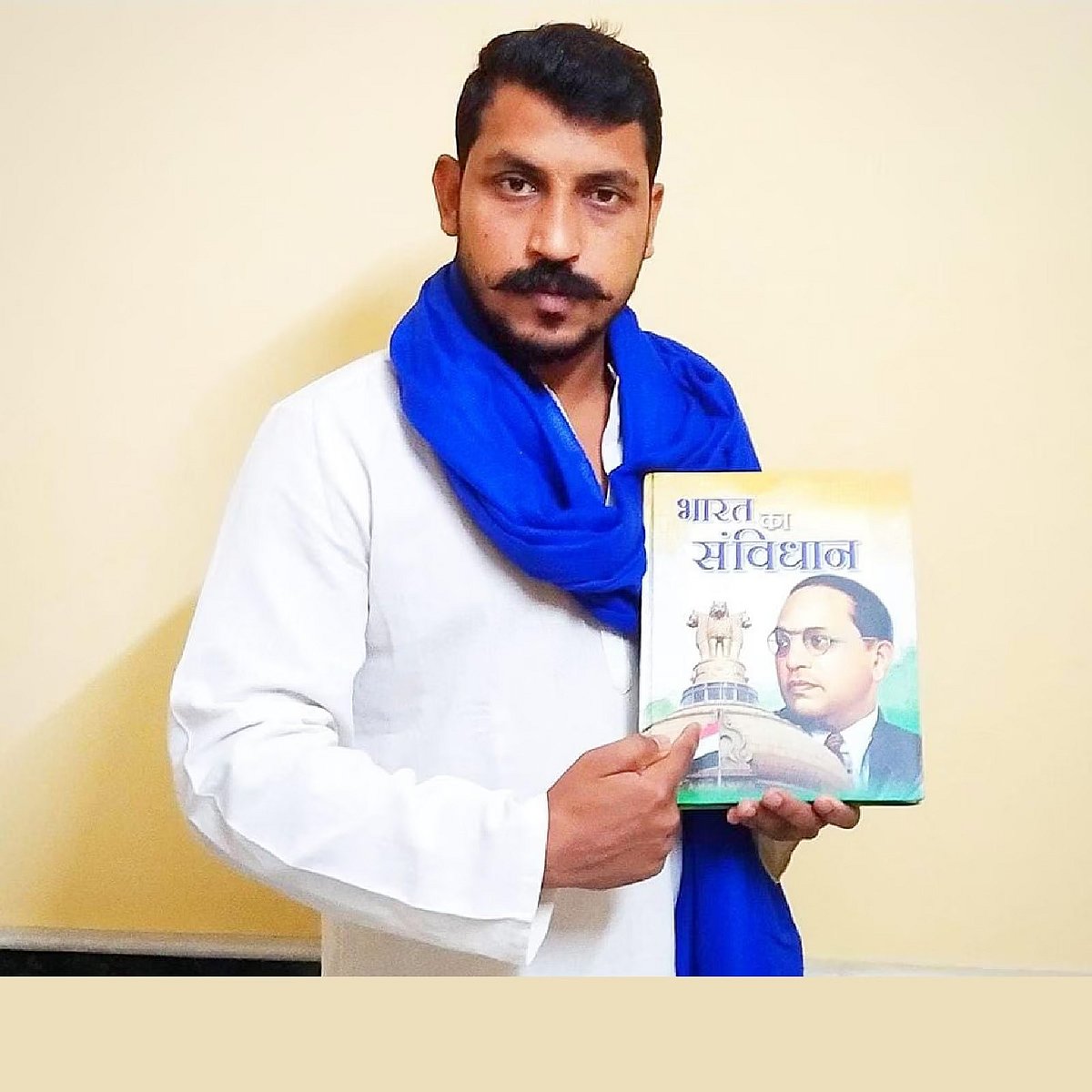
Asad’s rise as a young Dalit leader poses a new challenge for Mayawati. His victory in Nagina in the 2024 Lok Sabha election has established Asad not just as a Dalit rights activist, but as an electoral force.

The Congress’s position

The alliance has also created problems for the Congress, which is trying to regain a foothold in the state by forming an alliance with the Samajwadi Party. Congress’s efforts to attract Dalits and minorities directly clash with the goals of the Owaisi-Azad alliance.

Advantage: If Owaisi splits the Muslim votes and Azad the Dalit votes, the anti-BJP vote will be fragmented. In the 2022 विधानसभा election, the BJP won 255 seats with 41.29% of the vote. The Samajwadi Party secured 111 seats with 32.06% of the vote. If the votes are split, the BJP has a chance to win easily.

However, this new front could pose a challenge to the social coalition the BJP has built by bringing together non-Yadav OBCs and non-Jatav Dalit communities.

That said, if it weakens the main opposition party, the Samajwadi Party, it could ultimately end up being a major advantage for the BJP itself.
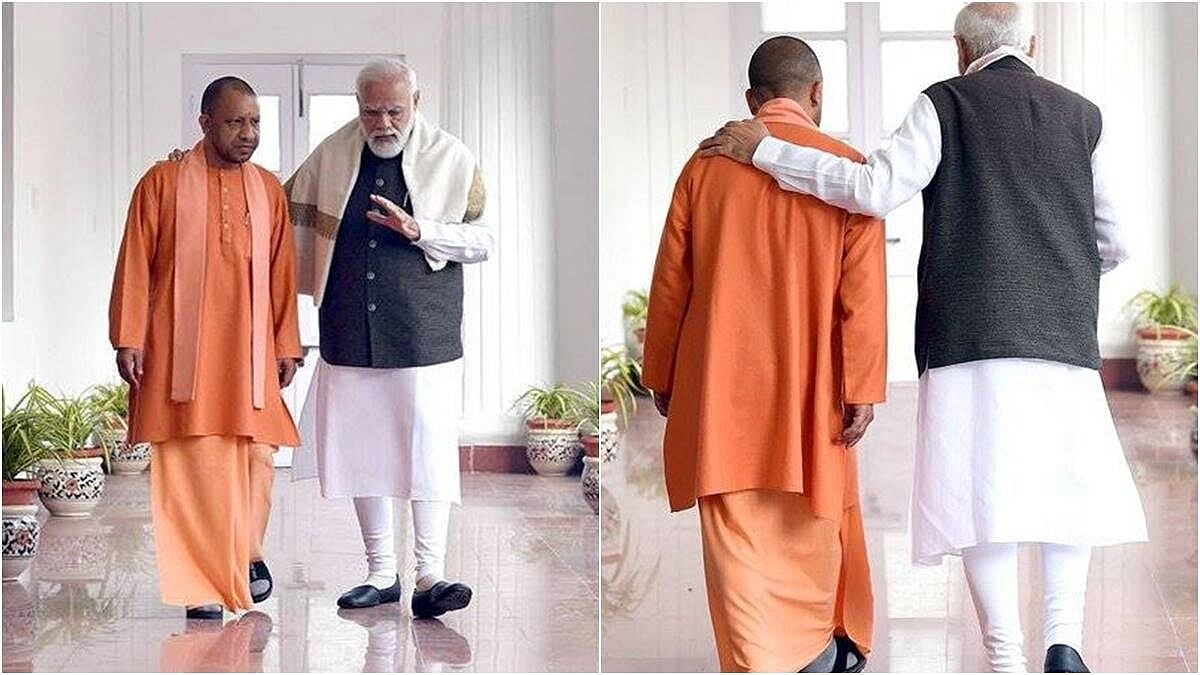
In the 2024 Lok Sabha election, the Samajwadi Party and Congress, contesting as part of the 'India' alliance, dealt a major shock to the BJP by winning 43 of the total 80 seats (Samajwadi 37, Congress 6). However, open differences have now emerged between the two parties over seat-sharing for the 2027 assembly election.

Congress side: Rajendra Pal Gautam, the Uttar Pradesh Congress in-charge, has said that a preliminary list has been submitted to the Samajwadi Party, asking for 175 to 200 constituencies to be allotted. His argument is, "Based on the Lok Sabha election victory and the party's organizational strength, we have the right to ask for constituencies where we have a chance of winning." With Congress currently having only 2 MLAs in the Assembly, the party is keen to convert its Lok Sabha success into Assembly seats.

Samajwadi side: Akhilesh is not ready to give up more seats based solely on the Lok Sabha election results. It is conducting confidential surveys on Congress’s current ground situation and vote bank in constituencies including Rae Bareli and Amethi, which are considered strongholds of the Nehru-Gandhi family.

Both parties are set to form separate committees to carry forward the talks.

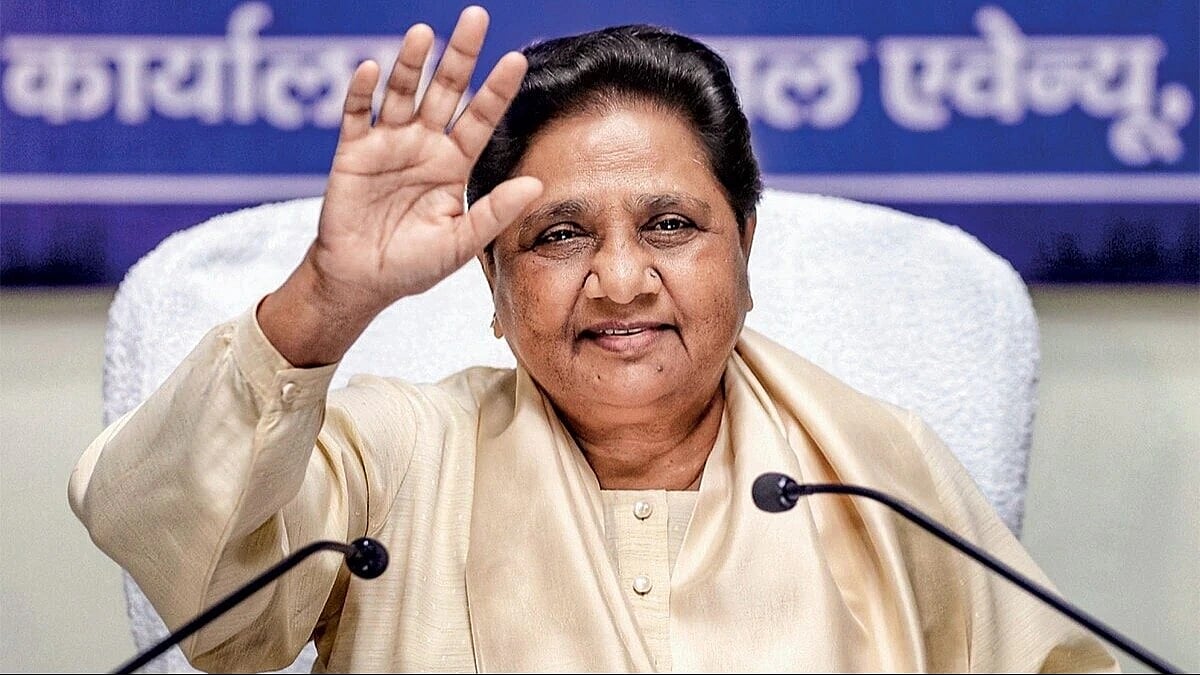
Mayawati’s Bahujan Samaj Party is determined to contest all 403 seats independently without joining any alliance. On November 5, Mayawati, who held consultations with the state’s 75 district heads and senior leaders, has instructed them to strengthen the party at the polling-booth level and select eligible candidates.

The BSP, which won just 1 seat and secured 12.88% of the vote in the 2022 Assembly election, failed to win even a single seat in the 2024 Lok Sabha election. Nevertheless, with its grassroots structure spread across the state and its traditional Dalit vote base, the BSP continues to remain a force capable of determining the opposition’s chances of victory in many constituencies.
The challenge before the opposition parties

In this election, which is being seen as a precursor to the 2029 parliamentary election, the opposition parties’ differences have brought some relief to the BJP. If they want to disturb the BJP’s sleep, the opposition parties must do several things:

The Samajwadi Party and the Congress must smoothly complete seat-sharing without weakening their own strength.

BSP, AIMIM, and the Azad Samaj Party are trying to create separate political bases among the Dalit and Muslim communities. Akhilesh Yadav must take the lead in thwarting that.

The Lok Sabha election centered on national issues. But in the Assembly election, with 403 constituencies, local leadership, candidate selection, and vote transfer among alliance partners will determine victory.

Before defeating the BJP, the biggest challenge for the opposition parties is to prevent their core vote banks from splintering because of the power struggle among themselves. The coming months will determine whether Owaisi and Azad can turn their Dalit-Muslim arithmetic into a strong electoral force, and whether the 'Samajik Parivartan Morcha' can grow to the point of challenging established parties.

What does Prashant Jha’s “How the BJP Wins” (in Tamil: "பாஜக எப்படி வெல்கிறது?") say?

In senior journalist Prashant Jha’s book How the BJP Wins: Inside India’s Greatest Election Machine, it is carefully recorded how Dalit and Other Backward Class (OBC) votes have been the decisive force behind the BJP’s rise and fall in Uttar Pradesh politics.

Amit Shah and Sunil Bansal realized that the BJP, traditionally seen only as a “Brahmin-Bania (trader)” party, would have to broaden its social base if it wanted to capture power in Uttar Pradesh.

1. Vote-bank arithmetic (the 55–60% formula)

Amit Shah’s team analyzed Uttar Pradesh’s social structure with precision:

Muslims (20%): Will not vote for the BJP.

Yadavs (10%): Will remain loyal to the Samajwadi Party.

Jatav Dalits (11–12%): Will remain loyal to Mayawati’s BSP.

After excluding these, the BJP found that the remaining 55% to 60% of voters are the ones who decide victory. This includes the forward castes, as well as non-Jatav Dalits and non-Yadav Other Backward Classes who have not come to power.
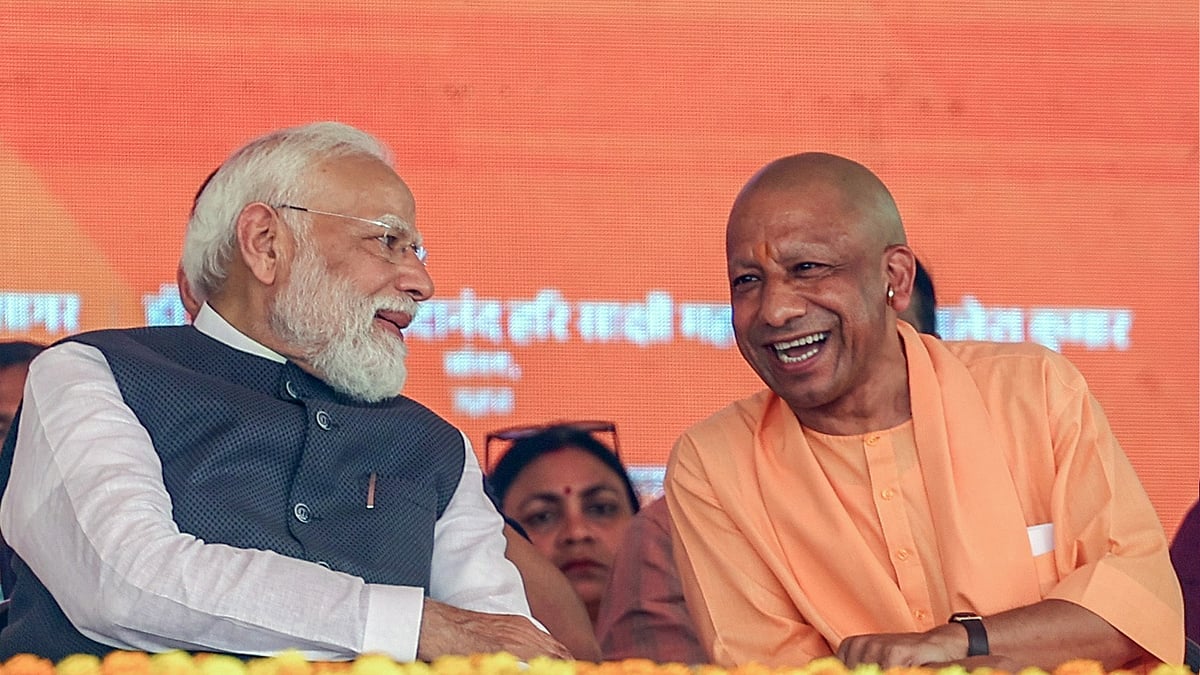
2. How Dalit votes were split (Jatav vs non-Jatav)

During Mayawati’s rule, there was a perception that within the Dalit community, the “Jatav” section had received the most political power and government jobs. The BJP turned this to its advantage:

Attracting other Dalit groups: It targeted non-Jatav Dalit castes such as Valmiki, Pasi, Kori, Dhobi, and Khatik, and capitalized on their dissatisfaction with Mayawati.

Representation for local leaders: It reserved a significant number of party positions and election tickets for local leaders from smaller Dalit and backward communities.

3. Uniting Dalits under the Hindutva umbrella

Adopting Ambedkar: The BJP and the RSS began celebrating Ambedkar. Upgrading five sites associated with him as the “Panch Teerth” and holding a special debate in Parliament, among other things, reduced Dalit hesitation toward the BJP.

Social harmony events (Samajik Samarasata): RSS members visiting Dalit settlements and organizing community feasts, as well as working alongside local Dalit leaders, translated into votes at the grassroots level.

Anti-Muslim politics: In rural areas, the BJP brought its Hindutva politics—especially cow protection and law and order—to Dalit sections who felt they were being affected by Yadav dominance and Muslim influence.

4. "If Dalit votes are secured, victory; if not, defeat"

Why victory? Upper-caste votes alone (about 18-20%) will not be enough to make the BJP win. The reason the BJP achieved historic victories in the 2014 Lok Sabha election and the 2017 Assembly election was that it drew a significant share of Dalit votes that had traditionally gone to the BSP, especially non-Jatav votes, to its side.

When does defeat happen? The social coalition will break when the BJP presents itself as a “dominant caste party” or when it denies power-sharing to Dalits and backward communities. He explains, through the electoral history of Uttar Pradesh from 2004 to 2012, that when Dalit votes return to the BSP or the Samajwadi alliance, the BJP’s vote bank will collapse and it will face defeat.

In short: in Prashant Jha’s view, the BJP’s victory in Uttar Pradesh was not achieved merely because of a “Modi wave.” It was the result of the precise social engineering crafted by Amit Shah, bringing together upper castes + non-Yadav backward classes + non-Jatav Dalits. Whenever Dalit votes drift away from this coalition, the BJP’s victory comes into question.

5. Non-Yadav OBC consolidation: the foundation of the BJP’s formidable strength

OBCs make up about 40% to 45% of the state’s population. Among them, Yadavs (about 9-10%) are the Samajwadi Party’s solid vote bank. The remaining roughly 32% to 35% of voters belong to more than a hundred small and medium OBC castes such as Kurmi, Maurya/Sakya/Saini, Lodh, Nishad/Malla, Rajbhar, and Jat. The BJP brought them together as follows:

> Exploiting the anti-Yadav sentiment. Whenever the Samajwadi Party was in power, there was strong resentment among other backward castes that government jobs, police appointments, and local authority all went to Yadavs. The BJP advanced the campaign that "the Samajwadi Party is not a party for all backward communities; it is a party of one family (the Mulayam family), one caste (Yadav)." As a result, the smaller OBC castes, which had been sidelined without any share in power, began to see the BJP as their savior.

Modi, Amit Shah

> Alliance with smaller caste parties (micro-alliance):

Apna Dal: Alliance with Anupriya Patel’s party for the influential 'Kurmi' votes in eastern U.P. (Purvanchal).

Suheldev Bharatiya Samaj Party (SBSP): Alliance with Om Prakash Rajbhar for the 'Rajbhar' votes in eastern U.P.

Nishad Party: Alliance with Sanjay Nishad for the votes of riverbank fishing and boatman communities.

Highlighting OBC faces:

Modi’s OBC identity: In the 2014 election, Narendra Modi presenting himself as someone from a 'backward community' (Teli/Kanji) had a major impact among grassroots OBC voters.

Keshav Prasad Maurya: Before the 2017 assembly election, Amit Shah appointed him, a non-Yadav OBC (Maurya), as the state president. He later made him deputy chief minister as well. This greatly increased the confidence of OBC communities.

Seat allocation: In the 2017 election, the BJP gave opportunities to non-Yadav OBC candidates in more than 130 constituencies where it contested.

Anti-Muslim sentiment and law and order. In rural areas, Yadavs and other backward castes who felt that Muslim dominance had put their land and security at risk found a sense of protection in the BJP’s hardline “law and order” stance and Hindutva politics. In particular, after the 2013 Muzaffarnagar riots, Prashant Jha points out that the Jat community of western Uttar Pradesh moved away from Muslims and turned fully toward the BJP.

In the 1990s, Kanshi Ram and Mayawati created a "Bahujan" (Dalits + backward classes + minorities) coalition and won using the same social-engineering strategy, which the BJP under Amit Shah reversed. A new "Hindu vote bank" of "forward castes + non-Yadav OBCs + non-Jatav Dalits" was built in that way. This is what made the BJP an unshakable force in Uttar Pradesh.

Tanglish

p2027-l nataiperavulla uththarap pirathaesa sattamanrath thaerthalukku munnathaaka ethirkkatsikalin koottanikkul puthiya pilavukalum poetti anikalum uruvaakiyullana aalum paajakavai moonraavathu muraiyaaka aatsikku varavitaamal thatuppathai vita thalaimaip pathavi thokuthip pangkeetu thalith-muslim vaakku vangkikalaith thakkavaiththal aakiyavarrilthaan ethirkkatsikalukkul katum poetti nilavukirathup pithan ussakattamaaka asaathutheen oevaisiyin akila inthiya majlis-i-iththaehaathul muslimeen AIMIM katsiyum nakeenaa thokuthi makkalavai uruppinar santhirasaekar aasaaththin aasaath samaaj katsiyum kanshairaam inainthu samaajik parivarthan moerssaa samooka maarra munnani enra puthiya koottaniyai laknoevil athikaarappoorvamaaka ariviththullanap

Ovaisi

Ovaisiyin neenda-naal korikkaiyum purakkanippum

Uttarap piradesathil paajagavukku ethirana 'Indiya' koottaniyil or idam vendum enbathu Ovaisiyin neenda-naal korikkai. Pikaril erpatta purakkanippu, palamurai merkkonda samaathana muyarchigal aagiyavatrukkup piragu, naangu maathangalukku munbu avar ivvaru echariththaar:

"Uttar Pradeshil BJP meendum aatchikku varuvathai Majlis katchi virumbavillai endru munbum solliyirukkiren, ippothum solgiren. Naan kai korkkath thayaraaga irukkiren. Koottani amaikkath thayaraaga irukkiren. Ithu pesuvatharkana neram. Therthal mudintha piragu azhadeergal. BJP meendum aatchikku varuvathai naangal virumbavillai."

Aanaal, thangalukkulleye innum thogudhip pangittai iruthi seyyatha Samajwadi katchiyum Congressum avarathu korikkaikkuch sevaisaykkavillai. Samajwadi, Congress, Bahujan Samaj aagiyavatrudan koottani amaikka Owaisi tharappu merkkonda muyarchigal palan alikkatha nilaiyileye Chandrasekhar Aasathudan kaikorththathaaga AIMIM-in Uttar Pradesh thalaivar Saugat Ali theriviththullaar.

puthiya koottaniyin arivippu

kadantha vaara viyaazhakkizhamai lakhnovil nadaiperra koottuch seythiyaalar santhippil, paajgavaith thadukka maanilaththil oru valuvaana maattru arasiyalai uruvaakkappovathaaga ovaisi ariviththaar. avar melum thittavattamaagak kooriyathu, "makkalin nalanukkaaga naangal irakka nerittaal, athu engalukku oru nalla oppantham; akilesh yaathav mudhalvaraaga aaga maattaar."

2027 sattamanra therdalukku santhrasekar aasaath mudhalamaichchar vedpalaaraaga arivikkappattullaar. maanilaththin 403 thoguthigalilum pottiyidath thittamittullathu intha puthiya koottani.

thaliththugal, muslimgal, pinthangiya samoogangalai oru pothu arasiyal thalaththin keezh anithirattuvathe ivargalin mukkiya nokkam enkirargal.

puthiya koottaniyin maiyamaaga ulla muslim-thalith samoogangal inaindhu maanaatta vaakkalargalil sumaar 40% aagindrana. aanaal, makkalthogai kaakkugal mattume thaanaga vaakkugalaaga maarividuvadhillai. uththarap pradesath theerthal kalam erkenave paajaka, samaajvaadhi, bahujan samaaj, kaangiras, deshiya jananaayaga koottaniyil ulla siriya saathik katchigalaal nirambiyulladhu. innilaiyil indha koottaniyin thaakkam eppadi irukkum enbathe kelvi.

Dalit-Muslim vaakkugalai ore kudaiyin keezh thirattum indha muyarchi, paarampariyamaaga ivviru samoogangalin vaakkugalai nambiyirukkum Samajwadi, Bahujan Samaj katchigalukkup perum saavaal. Andha vaakkugal sidarinaal adhu BJPavukkup perum saathagamaagum enbathil maatrukkaruthu illai.

Bihar paadam

2025 Bihar sattamanra therdalukku munnadhaaga, Rashtriya Janata Dhalam (RJD) thalaimaiyilaana 'India' koottaniyil verum aaru idangalil pottiyida Owaisi munvandhaar. RJD-Kongress koottani adhai niragarithadhu.

2020 theerthalil Seemanchal paguthiyil 5 idangalai vendru AIMIM thanathu balathai nirubithirunthathu. (Pinnar antha 5 MLA-kalil naalvar RJD-kuth thaaviyathu veru kadhai.) 2025-l thaniththup pottiyitta AIMIM meendum athe 5 thoguthigalai vendru thanathu vaakku vangiyai thakka vaithathu. Ithu RJD koottanikku perum pinnaadaivai erpaduththiyathu.

Ithe pondra purakkanippu ippothu Uttar Pradesh-ilum nigazhnthullathu. Akhilesh Yadavudan koottani amaikka Owaisi palamurai viruppam theriviththum Samajwadi kandukollavillai. Athan vilaive intha puthiya munnaani.

Yaarukku enna savaal?

Samajwadi katchikku neradich savaal

Indhak koottaniyaal udanadiyaagak kavalappada vendiyadhu Akhilesh thalaimaiyilaana Samajwadithaan. Akkatchiyin PDA (Pichda, Dalit, Alpasaṅgyaak - pinthangiya vaguppinar, dalithugal, sirupaanmaiyinar) samoogak kanakkukku Owaisi-Azaad koottani neradip pottiyaaga uruveduthulladhu.

Muslim vaakku vangi Samajwadikku perum balaveenamaaga maarakkoodum. Sumaar 19% ulla Muslim vaakkaalargal, kadandha therthalkalil BJPvai ethirkkum pradhaana katchiyaaga Samajwadikke perumalavil vaakkaliththullanar.

Maanaattin 143 sattamanra thogudhigalil Muslim vaakkugal vettriyai theermaanikkum sakthiyaaga ullana.

"Ungalukku vaakkalikkum Muslimgalukku uriya arasiyal pirathinithuvathai aen vazhanguvathillai?" endru Owaisi thodarndhu kelvi ezhuppi varugiraar. Aasaathudanaana koottani indha vaadhaththukku melum valu serkkiradhu. Idhu verum Muslim vaakkugalai pirikkum katchiyaaga illamal, Dalit-Muslim samugangalin parandha koottaniyaaga thangalai munniruththa udhavugiradhu.

Bahujan Samaj katchikku nerukkadi

Owaisi Samajwadiyin Muslim vaakku vangiyai kurivaiththaal, Aasaathin nagarvugal Bahujan Samajukkum Maayavathikkum perum azhuththaththai uruvaakkum.

Maanilatthil 21% Dalit makkal irundhaalum avargal ore arasiyal thoguppaaga illai. Bahujan Samajin paarampariya vaakku vangi Jaadhav samookaththinar. Jaadhav allaadha daliththugalidaye BJP padippadiyaaga selvaakkai adhigariththu varugiradhu.

Ilam Dalit thalaivaraaga uruveduththulla Aasaathin valarchi Maayaavathikkup pudhiya savaal. 2024 Makkalavai therdhalil Nageenavil petra vetri, Aasaathai oru Dalit urimai poraali enbathaiyum thaandi, therdhal sakthiyaaga nilai niruththiyulladhu.

Kangirasin nilai

Samajvaathiyudan koottani amaiththu maanilaththil meendum thadam pathikka muyalum Kaangirasukkum inthak koottani sikkalai erpaduththiyullathu. Daliththugal, sirupaanmaiyinarai eerkka Kaangirasu merkollum muyarchigal Ovaisi-Aasaath koottaniyin ilakkugaludan neradiyaaga mothuginrana.

Or irumunaik kaththiBhaajagavukkuch saathakama, paathakama?

Saathakam: Ovaisi Muslimgal vaakkugalaiyum Aasaath dalith vaakkugalaiyum piriththaal Bhaajaga ethirppu vaakkugal sitharum. 2022 sattamanra therdhalil Bhaajaga 41.29% vaakkugaludan 255 idangalai venrathu. Samajvaathi 32.06% vaakkugaludan 111 idangalai pidiththathu. Vaakkugal sitharinaal Bhaajaga elithaaga vella vaaippullathu.

Paathagam: Yaadhav allaadha OBC, Jaadhav allaadha Dalit samoogangalai inaiththu BJP uruvaakkiyulla samoogak koottanikku indhap pudhiya munnani saavalaaga amaiyalaam.

Evvaarayinum, pradhaana ethirkkatchiyaana Samajvaadhiyai idhu balaveenappaduththinaal, irudhiyil adhu BJP-ukke migapperiya nanmaiyaaga mudiyum.

Samajvaadhi-Kaangiras thogudhip pangiittu izhubari

2024 makkalavaith theerthalil 'India' koottaniyaaga pottiyitta Samajvathiyum Kankirasum moththamulla 80 idangalil 43 idangalai (Samajvathi 37, Kankiras 6) kaippatri BJKavukkup perum athirchi aliththana. Aanaal, 2027 sattamanra theerthalukkaana thoguthip pangeettil iru katchigalukkum velippadaiyana karuthu verupaadugal ezhunthullana.

pstrongkaangkiras tharappustrong uththarap pirathaesa kaangkiras poruppaalar raajaenthira paal kautham 175 muthal 200 thokuthikal varai othukka vaentum ena samaajvaathiyitam mutharkattap pattiyalai vazhangkiyullathaakath theriviththullaar makkalavaith thaerthal verri marrum katsiyin kattamaippu palaththin atippataiyil verri vaayppulla thokuthikalaik kaetka engkalukku urimai ullathu enpathu avarathu vaatham tharpoethu sattamanraththil kaangkirasukku verum 2 emelae-kkal mattumae ulla nilaiyil makkalavai verriyais sattamanra itangkalaaka maarra akkatsi theeviram kaattukirathup

Samajvaathi tharappu: makkalavai therdhal mudivugalai mattume adippadaiyaaga kondu adhiga idangalai vittukkodukka Akhilesh thayaraaga illai. Neru-Gandhi kudumbathin kottaihalaaga karudappadum Raebareli, Amethi ullitta thogudhihalil Congress-in tharpodhaiya kala nilavaram, vaakku vangi kurithu ragasiyam aayvugalai merkondu varugiradhu.

Pechuvaarthaigalai munnedukka iru katchigalum thanithani kuzhuvugalai amaikkavullana.

Thaniththu pottiyidum Mayavathiyin Bahujan Samaj

Maayaavathiyin Bahujan Samaaj endhak koottaniyilum inaiyaamal 403 thogudhigalilum thaniththup pottiyiduvadhil urudhiyaga ulladhu. Kadandha Navambar 5-m thedhi, maanilaththin 75 maavatta thalaivargal, mooththa nirvaagigaludan aalochana nadaththiya Maayaavathi, vaakuchchaavadi alavil katchiyai balappaduththavum thagudhiyaana vedpaalargalai thervu seyyavum uththaravittullaar.

2022 sattamandra therdhalil verum 1 idaththai mattume vendru 12.88% vaakkugalai petrha BSP, 2024 makkalavai therdhalil or idaththaikkooda peravillai. Irunthaalum, maanilam muzhuvadhum paraviyulla adimattak kattamaippu, paarampariya dalit vaakkugal moolam pala thogudhigalil ethirkkatchigalin vetri vaaippai theermaanikkum sakthiyaaga BSP needikkiradhu.

figureimg alt srchttpsgumletvikatancomvikatan2026-11-167midvxxcWhatsApp-Image-2026-11-13-at-144328jpeg figure pstrongethirkkatsikalukku munnulla savaalstrongp p2029 naataalumanrath thaerthalukku assaaramaakap paarkkappatum inthath thaerthalil ethirkkatsikalin muranpaatukal paajakavukkus sarru nimmathi aliththullana paajakavin thookkaththaik ketukka vaentumaanaal ethirkkatsikal pala vishaayangkalais seythaaka vaentump psamaajvaathiyum kaangkirasum thangkal palaththais sithaiththukkollaamal thokuthip pangkeettais sumukamaaka mutikka vaentump

BSP, AIMIM, Aazhaad Samaaj Katchi aagiyavai thalith, Muslim samoogangalidaiye thaniththani arasiyal thalangalai uruvaakka muyalkinrana. Athai Akhilesh Yadav mun nindru muriyadikka vendum.

Makkalavai therdhal desiya vivagangalai maiyappaduththiyathu. Aanaal 403 thoguthigalai konda sattamandra therdhalil ooreerth thalaimai, vedpalar thervu, koottani katchigalidaiyaana vaakku parimaatram aagiyavaiye vettriyai theermanikkum.

Bajagavai veezhthuvatharku munbaaga, thangalukkul erpadum adhigara-pottiyaal adippadai vaakku vangigal sitharaamal thaduppathe ethirkkatchigalin migapperiya chavaal. Ovaisiyum Aasaaththum thangal dalit-muslim kanakkai valuvaana therthal sakthiyaaga maatra mudiyuma, niruvappatta katchigalukkuch chavaal vidum alavukku 'Samaajik Parivarthan Morcha' valaruma enbathai varum maathangal theermaanikkum.

Prashanth Jaa-vin “How the BJP Wins” (Tamilil: "Bajagaa eppadi velgirathu?") solvathu enna?

Mootha paththirikaiyaalar Prashanth Jaa ezhuthiya How the BJP Wins: Inside India’s Greatest Election Machine noolil, Uttarap Pradesa arasiyalil BJPvin ezhuchchikkum veezhchchikkum Dalit, pirpaduththappatta (OBC) vaakkugal eppadi theermaanikkum sakthiyaaga ullana enbathu nunukkamaaga padhivu seyyappattullathu.

Paarampariyamaaga "Brahmanar-Baniya (vanigar)" katchiyaaga mattume paarkkappatta BJP, Uttarap Pradesaththil aatchiyai pidikka vendumendraal thanadhu samugath thalaththai virivupaduththiye aaga vendum enbadhai Amit Shaavum Sunil Pansaalum unarndhanar.

1. Vaakku vangi kanakku (55-60% Formula)

Amit Shaa kuzhuvinar Uttarap Pradesaththin samugak kattamaippai thulliyamaaga piriththup paarthanar:

Muslimgal (20%): BJPvukku vaakkalikka maattaargal.

Yaadhavargal (10%): Samajvaadhikku visuvaasamaaga iruppaargal.

Jaadhav dalithugal (11-12%): Maayaavadhiyin BSPkku visuvaasamaaga iruppaargal.

Ivatraik kazhiththaal meedhamulla 55% mudhal 60% vaakkalargale vettriyai theermaanippavargal enbadhai BJP kandarindhadhu. Idhil munneraaya jaathiyinarudan, adhigaaraththukku varaadha Jaadhav allaadha dalithugalum Yaadhav allaadha pirpaduththappattorum adanguvar.

2. Dalith vaakkugalai udaiththa vidham (Jaadhav vs Jaadhav allaadhor)

Maayavathiyin aatchiyil dalith samookaththukkul "Jaadhav" pirivinare adhigappadiyaana arasiyal adhigaaraththaiyum arasup panigalaiyum petradhaaga oru karuththu nilaviyadhu. Baajaka adhai thanakkuch saadhaagamaakkiyadhu:

Pira dalith pirivugalai eerthal: Vaalmeeki, Paasi, Kori, Thobi, Kaththik pondra Jaadhav allaadha dalith saathiyinaraik kurivaiththu, Maayavathi meedhaana avargalin adhirupthiyai aruvadai seydhadhu.

Ulloorth thalaivargalukkup pirathiniththuvam: Siriya dalith, pirpaduththappatta samookangalin ulloorth thalaivargalukkuk katchip padhavigalilum therthal seettugalilum kanisamaana idangalai othukkiyadhu.

3. Indhuththuva kudaiyin keezh daliththugalai orunginaiththal

pampaethkaraith thaththetuththal paajakavum aaresessum ampaethkaraik kontaatath thotangkina avar thotarpaana 5 itangkalai panjsa theerththam ena maempatuththiyathu naataalumanraththil sirappu vivaatham nataththiyathu poenravai thaliththukalitaiyae paajaka meethaana thayakkaththaik kuraiththanap psamooka nallinakka nikazhvukal saamaajik samarasathaa aareses amaippinar thalith kutiyiruppukalukkus senru samapanthi poejanam nataththiyathum ulloor thalith thalaivarkalutan inainthu paniyaarriyathum atimattaththil vaakkukalaaka maarinap pmuslim ethirppu arasiyal kiraamappurangkalil yaathavarkal muslimkalin aathikkaththaal paathikkappatuvathaaka unarntha thalith pirivinaritam paajaka thanathu inthuththuva arasiyalai kurippaakap pasup paathukaappu sattam-ozhungku kontu saerththathup

4. "Dalit vaakkugal kidaithaal vetri; thavarinaal tholvi"

Yen vetri? Uyar saathiyinar vaakkugal (sumaara 18-20%) mattum BJP-vai vella vaikka pothaathu. 2014 makkalavai therdalilum 2017 sattamandrath therdalilum BJP varalatrup vetri petratharku kaaranam, paarampariyamaaga BSP-kku sendrukondirundha Dalit vaakkugalil kanisamaana paguthiyai (kuraippaaga Jatav allaatha vaakkugalai) than pakkam izhuthathuthaan.

Eppothu tholvi? BJP thannai oru "aathikka samuga katchiyaaga" kaattikkollumbotho, dalit, pirpaduththappattorukku athigara pagirvai marukkumbotho inthach samugak koottani udaiyum. Dalit vaakkugal meendum BSPkko Samajvathi koottanikko thirumbumbothu BJPvin vaakku vangi sarinthu tholvi erpadum enbathai 2004 muthal 2012 varaiyana Uttar Pradesh theerthal varalaru moolam avar vilakkugiraar.

psurukkamaaka pirasaanth jaavin paarvaiyil uththarap pirathaesaththil paajakavin verri verum moeti alaiyaal nikazhnthathalla munnaeriya saathiyinar yaathav allaatha pirpatuththappattoer jaathav allaatha thaliththukal aakiyoerai inaiththu amith shaaa uruvaakkiya thulliyamaana samookap poriyiyalin vilaivu athu inthak koottaniyilirunthu thalith vaakkukal vilakumpoethellaam paajakavin verri kaelvikkuriyaakirathup p5 yaathav allaatha OBC orungkinaippu paajakavin asura palaththin atiththalamp

Maanila makkalthogaiyil OBC-kkal sumaar 40% mudhal 45% varai ullanar. Adhil Yaadhavargal (sumaar 9-10%) Samaajvaadhiyin urudhiyaana vaakku vangi. Meedhamulla sumaar 32% mudhal 35% vaakkaalargal Kurmi, Mauriya/Saakya/Saini, Lodh, Nishaath/Malla, Raajbar, Jaad pondra noottrukkum merpatta siriya, naduthara OBC saathigalai serndhavargal. Ivargalai BJP pinvarumaru orunginaithadhu:

> Yaadava aadhikkaththukku ethirana mananilaiyai payanpaduthuthal. Samaajvaathi aatchiyil irunthapothellaam arasu velaivaayppugal, kaavalthurai niyamangal, ulloor adhigaaram anaiththum yaadavargalukke sendrathaaga matra pirpaduththappatta saathiyinaraidaiye kadum athirupthi irunthathu. "Samaajvaathi ottumoththa pirpaduththappattorukkaana katchi alla; athu oru kudumbam (Mulaayam kudumbam), oru saathiyin (Yaadavar) katchi" endra prachaaraththai Baajaka munnetrathu. Ithanaal adhigaarap pagirvu kidaikkaamal orankattappattiruntha siriya OBC saathigal Baajakavaith thangal meetparaga paarkka thodangina.

Modi, Amith Shaa

pgt siriya saathik katsikalutan koottani maikroe-alaiyansp papnaa thalam kizhakku upiyil poorvaanjsal selvaakkulla kurmi vaakkukalukkaaka anupriyaa pataelin katsiyutan koottanip psuhaelthaev paarathiya samaaj katsi SBSP kizhakku upiyil raajpar vaakkukalukkaaka oem pirakaasha raajparutan koottanip pnishaaath katsi nathikkaraiyoera meenava patakoetti samooka vaakkukalukkaaka sanjsay nishaaaththutan koottanip p OBC mukangkalai munniruththuthalp pmoetiyin OBC ataiyaalam 2014 thaerthalil naraenthira moeti thannai oru pirpatuththappatta samookaththais saernthavar thelikanjsi ena munniruththiyathu atiththattu OBC makkalitaiyae perum thaakkaththai aerpatuththiyathup

Keshav Prasad Maurya: 2017 sattamanrath theerthalukku munbu, Yadav allaatha OBC-yaana (Maurya) ivarai maanila thalaivaraaga Amit Shah niyamiththaar. Pinnar thunai mudhalvaraagavum aakkinaar. Idhu OBC samugangalin nambikkaiyai paanmadangu adhigariththathu.

Seet othukkeedu: 2017 theerthalil BJP pottiyitta idangalil 130-kkum melpatta thogudhigalil Yadav allaatha OBC vedpalaargalukku vaaippaliththathu.

Tamil

2027-ல் நடைபெறவுள்ள உத்தரப் பிரதேச சட்டமன்றத் தேர்தலுக்கு முன்னதாக, எதிர்க்கட்சிகளின் கூட்டணிக்குள் புதிய பிளவுகளும் போட்டி அணிகளும் உருவாகியுள்ளன. ஆளும் பாஜகவை மூன்றாவது முறையாக ஆட்சிக்கு வரவிடாமல் தடுப்பதை விட, தலைமைப் பதவி, தொகுதிப் பங்கீடு, தலித்-முஸ்லிம் வாக்கு வங்கிகளைத் தக்கவைத்தல் ஆகியவற்றில்தான் எதிர்க்கட்சிகளுக்குள் கடும் போட்டி நிலவுகிறது.

இதன் உச்சகட்டமாக, அசாதுதீன் ஓவைசியின் அகில இந்திய மஜ்லிஸ்-இ-இத்தேஹாதுல் முஸ்லிமீன் (AIMIM) கட்சியும், நகீனா தொகுதி மக்களவை உறுப்பினர் சந்திரசேகர் ஆசாத்தின் ஆசாத் சமாஜ் கட்சியும் (கன்ஷிராம்) இணைந்து 'சமாஜிக் பரிவர்தன் மோர்ச்சா' (சமூக மாற்ற முன்னணி) என்ற புதிய கூட்டணியை லக்னோவில் அதிகாரப்பூர்வமாக அறிவித்துள்ளன.

ஒவைசி

ஓவைசியின் நீண்டநாள் கோரிக்கையும் புறக்கணிப்பும்

உத்தரப் பிரதேசத்தில் பாஜகவுக்கு எதிரான 'இந்தியா' கூட்டணியில் ஓர் இடம் வேண்டும் என்பது ஓவைசியின் நீண்டநாள் கோரிக்கை. பீகாரில் ஏற்பட்ட புறக்கணிப்பு, பலமுறை மேற்கொண்ட சமாதான முயற்சிகள் ஆகியவற்றுக்குப் பிறகு, நான்கு மாதங்களுக்கு முன்பு அவர் இவ்வாறு எச்சரித்தார்:

"உத்தரப் பிரதேசத்தில் பாஜக மீண்டும் ஆட்சிக்கு வருவதை மஜ்லிஸ் கட்சி விரும்பவில்லை என்று முன்பும் சொல்லியிருக்கிறேன், இப்போதும் சொல்கிறேன். நான் கை கோர்க்கத் தயாராக இருக்கிறேன். கூட்டணி அமைக்கத் தயாராக இருக்கிறேன். இது பேசுவதற்கான நேரம். தேர்தல் முடிந்த பிறகு அழாதீர்கள். பாஜக மீண்டும் ஆட்சிக்கு வருவதை நாங்கள் விரும்பவில்லை."

ஆனால், தங்களுக்குள்ளேயே இன்னும் தொகுதிப் பங்கீட்டை இறுதி செய்யாத சமாஜ்வாதி கட்சியும் காங்கிரஸும் அவரது கோரிக்கைக்குச் செவிசாய்க்கவில்லை. சமாஜ்வாதி, காங்கிரஸ், பகுஜன் சமாஜ் ஆகியவற்றுடன் கூட்டணி அமைக்க ஓவைசி தரப்பு மேற்கொண்ட முயற்சிகள் பலனளிக்காத நிலையிலேயே சந்திரசேகர் ஆசாத்துடன் கைகோர்த்ததாக AIMIM-ன் உத்தரப் பிரதேசத் தலைவர் சௌகத் அலி தெரிவித்துள்ளார்.

புதிய கூட்டணியின் அறிவிப்பு

கடந்த வார வியாழக்கிழமை லக்னோவில் நடைபெற்ற கூட்டுச் செய்தியாளர் சந்திப்பில், பாஜகவைத் தடுக்க மாநிலத்தில் ஒரு வலுவான மாற்று அரசியலை உருவாக்கப்போவதாக ஓவைசி அறிவித்தார். அவர் மேலும் திட்டவட்டமாகக் கூறியது, "மக்களின் நலனுக்காக நாங்கள் இறக்க நேரிட்டால், அது எங்களுக்கு ஒரு நல்ல ஒப்பந்தம்; அகிலேஷ் யாதவ் முதல்வராக ஆக மாட்டார்."

2027 சட்டமன்றத் தேர்தலுக்கு சந்திரசேகர் ஆசாத் முதலமைச்சர் வேட்பாளராக அறிவிக்கப்பட்டுள்ளார். மாநிலத்தின் 403 தொகுதிகளிலும் போட்டியிடத் திட்டமிட்டுள்ளது இந்த புதிய கூட்டணி.

தலித்துகள், முஸ்லிம்கள், பின்தங்கிய சமூகங்களை ஒரு பொது அரசியல் தளத்தின் கீழ் அணிதிரட்டுவதே இவர்களின் முக்கிய நோக்கம் என்கிறார்கள்.

புதிய கூட்டணியின் மையமாக உள்ள முஸ்லிம்-தலித் சமூகங்கள் இணைந்து மாநில வாக்காளர்களில் சுமார் 40% ஆகின்றனர். ஆனால், மக்கள்தொகைக் கணக்குகள் மட்டுமே தானாக வாக்குகளாக மாறிவிடுவதில்லை. உத்தரப் பிரதேசத் தேர்தல் களம் ஏற்கெனவே பாஜக, சமாஜ்வாதி, பகுஜன் சமாஜ், காங்கிரஸ், தேசிய ஜனநாயகக் கூட்டணியில் உள்ள சிறிய சாதிக் கட்சிகளால் நிரம்பியுள்ளது. இந்நிலையில் இந்தக் கூட்டணியின் தாக்கம் எப்படி இருக்கும் என்பதே கேள்வி.

தலித்-முஸ்லிம் வாக்குகளை ஒரே குடையின் கீழ் திரட்டும் இந்த முயற்சி, பாரம்பரியமாக இவ்விரு சமூகங்களின் வாக்குகளை நம்பியிருக்கும் சமாஜ்வாதி, பகுஜன் சமாஜ் கட்சிகளுக்குப் பெரும் சவால். அந்த வாக்குகள் சிதறினால் அது பாஜகவுக்குப் பெரும் சாதகமாகும் என்பதில் மாற்றுக்கருத்து இல்லை.

2025 பீகார் சட்டமன்றத் தேர்தலுக்கு முன்னதாக, ராஷ்ட்ரிய ஜனதா தளம் (ஆர்ஜேடி) தலைமையிலான 'இந்தியா' கூட்டணியில் வெறும் ஆறு இடங்களில் போட்டியிட ஓவைசி முன்வந்தார். ஆர்ஜேடி-காங்கிரஸ் கூட்டணி அதை நிராகரித்தது.

2020 தேர்தலில் சீமாஞ்சல் பகுதியில் 5 இடங்களை வென்று AIMIM தனது பலத்தை நிரூபித்திருந்தது. (பின்னர் அந்த 5 எம்எல்ஏக்களில் நால்வர் ஆர்ஜேடிக்குத் தாவியது வேறு கதை.) 2025-ல் தனித்துப் போட்டியிட்ட AIMIM மீண்டும் அதே 5 தொகுதிகளை வென்று தனது வாக்கு வங்கியைத் தக்கவைத்தது. இது ஆர்ஜேடி கூட்டணிக்குப் பெரும் பின்னடைவை ஏற்படுத்தியது.

இதே போன்ற புறக்கணிப்பு இப்போது உத்தரப் பிரதேசத்திலும் நிகழ்ந்துள்ளது. அகிலேஷ் யாதவுடன் கூட்டணி அமைக்க ஓவைசி பலமுறை விருப்பம் தெரிவித்தும் சமாஜ்வாதி கண்டுகொள்ளவில்லை. அதன் விளைவே இந்தப் புதிய முன்னணி.

சமாஜ்வாதி கட்சிக்கு நேரடிச் சவால்

இந்தக் கூட்டணியால் உடனடியாகக் கவலைப்பட வேண்டியது அகிலேஷ் தலைமையிலான சமாஜ்வாதிதான். அக்கட்சியின் PDA (பிச்ச்டா, தலித், அல்பசங்க்யாக் - பின்தங்கிய வகுப்பினர், தலித்துகள், சிறுபான்மையினர்) சமூகக் கணக்குக்கு ஓவைசி-ஆசாத் கூட்டணி நேரடிப் போட்டியாக உருவெடுத்துள்ளது.

முஸ்லிம் வாக்கு வங்கி சமாஜ்வாதிக்குப் பெரும் பலவீனமாக மாறக்கூடும். சுமார் 19% உள்ள முஸ்லிம் வாக்காளர்கள், கடந்த தேர்தல்களில் பாஜகவை எதிர்க்கும் பிரதான கட்சியாக சமாஜ்வாதிக்கே பெருமளவில் வாக்களித்துள்ளனர்.

மாநிலத்தின் 143 சட்டமன்றத் தொகுதிகளில் முஸ்லிம் வாக்குகள் வெற்றியைத் தீர்மானிக்கும் சக்தியாக உள்ளன.

"உங்களுக்கு வாக்களிக்கும் முஸ்லிம்களுக்கு உரிய அரசியல் பிரதிநிதித்துவத்தை ஏன் வழங்குவதில்லை?" என்று ஓவைசி தொடர்ந்து கேள்வி எழுப்பி வருகிறார். ஆசாத்துடனான கூட்டணி இந்த வாதத்துக்கு மேலும் வலு சேர்க்கிறது. இது வெறும் முஸ்லிம் வாக்குகளைப் பிரிக்கும் கட்சியாக இல்லாமல், தலித்-முஸ்லிம் சமூகங்களின் பரந்த கூட்டணியாகத் தங்களை முன்னிறுத்த உதவுகிறது.

பகுஜன் சமாஜ் கட்சிக்கு நெருக்கடி

ஓவைசி சமாஜ்வாதியின் முஸ்லிம் வாக்கு வங்கியைக் குறிவைத்தால், ஆசாத்தின் நகர்வுகள் பகுஜன் சமாஜுக்கும் மாயாவதிக்கும் பெரும் அழுத்தத்தை உருவாக்கும்.

மாநிலத்தில் 21% தலித் மக்கள் இருந்தாலும் அவர்கள் ஒரே அரசியல் தொகுப்பாக இல்லை. பகுஜன் சமாஜின் பாரம்பரிய வாக்கு வங்கி ஜாதவ் சமூகத்தினர். ஜாதவ் அல்லாத தலித்துகளிடையே பாஜக படிப்படியாகச் செல்வாக்கை அதிகரித்து வருகிறது.

இளம் தலித் தலைவராக உருவெடுத்துள்ள ஆசாத்தின் வளர்ச்சி மாயாவதிக்குப் புதிய சவால். 2024 மக்களவைத் தேர்தலில் நகீனாவில் பெற்ற வெற்றி, ஆசாத்தை ஒரு தலித் உரிமைப் போராளி என்பதையும் தாண்டி, தேர்தல் சக்தியாக நிலைநிறுத்தியுள்ளது.

காங்கிரஸின் நிலை

சமாஜ்வாதியுடன் கூட்டணி அமைத்து மாநிலத்தில் மீண்டும் தடம் பதிக்க முயலும் காங்கிரஸுக்கும் இந்தக் கூட்டணி சிக்கலை ஏற்படுத்தியுள்ளது. தலித்துகள், சிறுபான்மையினரை ஈர்க்க காங்கிரஸ் மேற்கொள்ளும் முயற்சிகள் ஓவைசி-ஆசாத் கூட்டணியின் இலக்குகளுடன் நேரடியாக மோதுகின்றன.

சாதகம்: ஓவைசி முஸ்லிம் வாக்குகளையும் ஆசாத் தலித் வாக்குகளையும் பிரித்தால் பாஜக எதிர்ப்பு வாக்குகள் சிதறும். 2022 சட்டமன்றத் தேர்தலில் பாஜக 41.29% வாக்குகளுடன் 255 இடங்களை வென்றது. சமாஜ்வாதி 32.06% வாக்குகளுடன் 111 இடங்களைப் பிடித்தது. வாக்குகள் சிதறினால் பாஜக எளிதாக வெல்ல வாய்ப்புள்ளது.

பாதகம்: யாதவ் அல்லாத ஓபிசி, ஜாதவ் அல்லாத தலித் சமூகங்களை இணைத்து பாஜக உருவாக்கியுள்ள சமூகக் கூட்டணிக்கு இந்தப் புதிய முன்னணி சவாலாக அமையலாம்.

எவ்வாறாயினும், பிரதான எதிர்க்கட்சியான சமாஜ்வாதியை இது பலவீனப்படுத்தினால், இறுதியில் அது பாஜகவுக்கே மிகப்பெரிய நன்மையாக முடியும்.

2024 மக்களவைத் தேர்தலில் 'இந்தியா' கூட்டணியாகப் போட்டியிட்ட சமாஜ்வாதியும் காங்கிரஸும் மொத்தமுள்ள 80 இடங்களில் 43 இடங்களைக் (சமாஜ்வாதி 37, காங்கிரஸ் 6) கைப்பற்றி பாஜகவுக்குப் பெரும் அதிர்ச்சி அளித்தன. ஆனால், 2027 சட்டமன்றத் தேர்தலுக்கான தொகுதிப் பங்கீட்டில் இரு கட்சிகளுக்கும் வெளிப்படையான கருத்து வேறுபாடுகள் எழுந்துள்ளன.

காங்கிரஸ் தரப்பு: உத்தரப் பிரதேச காங்கிரஸ் பொறுப்பாளர் ராஜேந்திர பால் கௌதம், 175 முதல் 200 தொகுதிகள் வரை ஒதுக்க வேண்டும் என சமாஜ்வாதியிடம் முதற்கட்டப் பட்டியலை வழங்கியுள்ளதாகத் தெரிவித்துள்ளார். "மக்களவைத் தேர்தல் வெற்றி மற்றும் கட்சியின் கட்டமைப்பு பலத்தின் அடிப்படையில், வெற்றி வாய்ப்புள்ள தொகுதிகளைக் கேட்க எங்களுக்கு உரிமை உள்ளது" என்பது அவரது வாதம். தற்போது சட்டமன்றத்தில் காங்கிரஸுக்கு வெறும் 2 எம்எல்ஏ-க்கள் மட்டுமே உள்ள நிலையில், மக்களவை வெற்றியைச் சட்டமன்ற இடங்களாக மாற்ற அக்கட்சி தீவிரம் காட்டுகிறது.

சமாஜ்வாதி தரப்பு: மக்களவைத் தேர்தல் முடிவுகளை மட்டுமே அடிப்படையாகக் கொண்டு அதிக இடங்களை விட்டுக்கொடுக்க அகிலேஷ் தயாராக இல்லை. நேரு-காந்தி குடும்பத்தின் கோட்டைகளாகக் கருதப்படும் ரேபரேலி, அமேதி உள்ளிட்ட தொகுதிகளில் காங்கிரஸின் தற்போதைய கள நிலவரம், வாக்கு வங்கி குறித்து ரகசிய ஆய்வுகளை மேற்கொண்டு வருகிறது.

பேச்சுவார்த்தைகளை முன்னெடுக்க இரு கட்சிகளும் தனித்தனி குழுக்களை அமைக்கவுள்ளன.

மாயாவதியின் பகுஜன் சமாஜ் எந்தக் கூட்டணியிலும் இணையாமல் 403 தொகுதிகளிலும் தனித்துப் போட்டியிடுவதில் உறுதியாக உள்ளது. கடந்த நவம்பர் 5-ம் தேதி, மாநிலத்தின் 75 மாவட்டத் தலைவர்கள், மூத்த நிர்வாகிகளுடன் ஆலோசனை நடத்திய மாயாவதி, வாக்குச்சாவடி அளவில் கட்சியைப் பலப்படுத்தவும் தகுதியான வேட்பாளர்களைத் தேர்வு செய்யவும் உத்தரவிட்டுள்ளார்.

2022 சட்டமன்றத் தேர்தலில் வெறும் 1 இடத்தை மட்டுமே வென்று 12.88% வாக்குகளைப் பெற்ற பிஎஸ்பி, 2024 மக்களவைத் தேர்தலில் ஓர் இடத்தைக்கூடப் பெறவில்லை. இருப்பினும், மாநிலம் முழுவதும் பரவியுள்ள அடிமட்டக் கட்டமைப்பு, பாரம்பரிய தலித் வாக்குகள் மூலம் பல தொகுதிகளில் எதிர்க்கட்சிகளின் வெற்றி வாய்ப்பைத் தீர்மானிக்கும் சக்தியாக பிஎஸ்பி நீடிக்கிறது.

எதிர்க்கட்சிகளுக்கு முன்னுள்ள சவால்

2029 நாடாளுமன்றத் தேர்தலுக்கு அச்சாரமாகப் பார்க்கப்படும் இந்தத் தேர்தலில் எதிர்க்கட்சிகளின் முரண்பாடுகள் பாஜகவுக்குச் சற்று நிம்மதி அளித்துள்ளன. பாஜகவின் தூக்கத்தைக் கெடுக்க வேண்டுமானால் எதிர்க்கட்சிகள் பல விஷயங்களைச் செய்தாக வேண்டும்:

சமாஜ்வாதியும் காங்கிரஸும் தங்கள் பலத்தைச் சிதைத்துக்கொள்ளாமல் தொகுதிப் பங்கீட்டைச் சுமுகமாக முடிக்க வேண்டும்.

பிஎஸ்பி, AIMIM, ஆசாத் சமாஜ் கட்சி ஆகியவை தலித், முஸ்லிம் சமூகங்களிடையே தனித்தனி அரசியல் தளங்களை உருவாக்க முயல்கின்றன. அதை அகிலேஷ் யாதவ் முன்நின்று முறியடிக்க வேண்டும்.

மக்களவைத் தேர்தல் தேசிய விவகாரங்களை மையப்படுத்தியது. ஆனால் 403 தொகுதிகளைக் கொண்ட சட்டமன்றத் தேர்தலில் உள்ளூர்த் தலைமை, வேட்பாளர் தேர்வு, கூட்டணிக் கட்சிகளிடையேயான வாக்குப் பரிமாற்றம் ஆகியவையே வெற்றியைத் தீர்மானிக்கும்.

பாஜகவை வீழ்த்துவதற்கு முன்பாக, தங்களுக்குள் ஏற்படும் அதிகாரப் போட்டியால் அடிப்படை வாக்கு வங்கிகள் சிதறாமல் தடுப்பதே எதிர்க்கட்சிகளின் மிகப்பெரிய சவால். ஓவைசியும் ஆசாத்தும் தங்கள் தலித்-முஸ்லிம் கணக்கை வலுவான தேர்தல் சக்தியாக மாற்ற முடியுமா, நிறுவப்பட்ட கட்சிகளுக்குச் சவால் விடும் அளவுக்கு 'சமாஜிக் பரிவர்தன் மோர்ச்சா' வளருமா என்பதை வரும் மாதங்கள் தீர்மானிக்கும்.

பிரஷாந்த் ஜாவின் “How the BJP Wins” (தமிழில்: "பாஜக எப்படி வெல்கிறது?") சொல்வது என்ன?

மூத்த பத்திரிகையாளர் பிரஷாந்த் ஜா எழுதிய How the BJP Wins: Inside India’s Greatest Election Machine நூலில், உத்தரப் பிரதேச அரசியலில் பாஜகவின் எழுச்சிக்கும் வீழ்ச்சிக்கும் தலித், பிற்படுத்தப்பட்ட (OBC) வாக்குகள் எவ்வாறு தீர்மானிக்கும் சக்தியாக உள்ளன என்பது நுணுக்கமாகப் பதிவு செய்யப்பட்டுள்ளது.

பாரம்பரியமாக "பிராமணர்-பனியா (வணிகர்)" கட்சியாக மட்டுமே பார்க்கப்பட்ட பாஜக, உத்தரப் பிரதேசத்தில் ஆட்சியைப் பிடிக்க வேண்டுமென்றால் தனது சமூகத் தளத்தை விரிவுபடுத்தியே ஆக வேண்டும் என்பதை அமித் ஷாவும் சுனில் பன்சாலும் உணர்ந்தனர்.

1. வாக்கு வங்கிக் கணக்கு (55-60% ஃபார்முலா)

அமித் ஷா குழுவினர் உத்தரப் பிரதேசத்தின் சமூகக் கட்டமைப்பைத் துல்லியமாகப் பிரித்துப் பார்த்தனர்:

முஸ்லிம்கள் (20%): பாஜகவுக்கு வாக்களிக்க மாட்டார்கள்.

யாதவர்கள் (10%): சமாஜ்வாதிக்கு விசுவாசமாக இருப்பார்கள்.

ஜாதவ் தலித்துகள் (11-12%): மாயாவதியின் பிஎஸ்பிக்கு விசுவாசமாக இருப்பார்கள்.

இவற்றைக் கழித்தால் மீதமுள்ள 55% முதல் 60% வாக்காளர்களே வெற்றியைத் தீர்மானிப்பவர்கள் என்பதை பாஜக கண்டறிந்தது. இதில் முன்னேறிய சாதியினருடன், அதிகாரத்துக்கு வராத ஜாதவ் அல்லாத தலித்துகளும் யாதவ் அல்லாத பிற்படுத்தப்பட்டோரும் அடங்குவர்.

2. தலித் வாக்குகளை உடைத்த விதம் (ஜாதவ் vs ஜாதவ் அல்லாதோர்)

மாயாவதியின் ஆட்சியில் தலித் சமூகத்துக்குள் "ஜாதவ்" பிரிவினரே அதிகப்படியான அரசியல் அதிகாரத்தையும் அரசுப் பணிகளையும் பெற்றதாக ஒரு கருத்து நிலவியது. பாஜக அதைத் தனக்குச் சாதகமாக்கியது:

பிற தலித் பிரிவுகளை ஈர்த்தல்: வால்மீகி, பாசி, கோரி, தோபி, கத்திக் போன்ற ஜாதவ் அல்லாத தலித் சாதியினரைக் குறிவைத்து, மாயாவதி மீதான அவர்களின் அதிருப்தியை அறுவடை செய்தது.

உள்ளூர்த் தலைவர்களுக்குப் பிரதிநிதித்துவம்: சிறிய தலித், பிற்படுத்தப்பட்ட சமூகங்களின் உள்ளூர்த் தலைவர்களுக்குக் கட்சிப் பதவிகளிலும் தேர்தல் சீட்டுகளிலும் கணிசமான இடங்களை ஒதுக்கியது.

3. இந்துத்துவக் குடையின் கீழ் தலித்துகளை ஒருங்கிணைத்தல்

அம்பேத்கரைத் தத்தெடுத்தல்: பாஜகவும் ஆர்எஸ்எஸ்ஸும் அம்பேத்கரைக் கொண்டாடத் தொடங்கின. அவர் தொடர்பான 5 இடங்களை 'பஞ்ச தீர்த்தம்' என மேம்படுத்தியது, நாடாளுமன்றத்தில் சிறப்பு விவாதம் நடத்தியது போன்றவை தலித்துகளிடையே பாஜக மீதான தயக்கத்தைக் குறைத்தன.

சமூக நல்லிணக்க நிகழ்வுகள் (சாமாஜிக் சமரசதா): ஆர்எஸ்எஸ் அமைப்பினர் தலித் குடியிருப்புகளுக்குச் சென்று சமபந்தி போஜனம் நடத்தியதும் உள்ளூர் தலித் தலைவர்களுடன் இணைந்து பணியாற்றியதும் அடிமட்டத்தில் வாக்குகளாக மாறின.

முஸ்லிம் எதிர்ப்பு அரசியல்: கிராமப்புறங்களில் யாதவர்கள், முஸ்லிம்களின் ஆதிக்கத்தால் பாதிக்கப்படுவதாக உணர்ந்த தலித் பிரிவினரிடம், பாஜக தனது இந்துத்துவ அரசியலை (குறிப்பாகப் பசுப் பாதுகாப்பு, சட்டம்-ஒழுங்கு) கொண்டு சேர்த்தது.

4. "தலித் வாக்குகள் கிடைத்தால் வெற்றி; தவறினால் தோல்வி"

ஏன் வெற்றி? உயர் சாதியினர் வாக்குகள் (சுமார் 18-20%) மட்டும் பாஜகவை வெல்ல வைக்கப் போதாது. 2014 மக்களவைத் தேர்தலிலும் 2017 சட்டமன்றத் தேர்தலிலும் பாஜக வரலாற்று வெற்றி பெற்றதற்குக் காரணம், பாரம்பரியமாக பிஎஸ்பிக்குச் சென்றுகொண்டிருந்த தலித் வாக்குகளில் கணிசமான பகுதியை (குறிப்பாக ஜாதவ் அல்லாத வாக்குகளை) தன் பக்கம் இழுத்ததுதான்.

எப்போது தோல்வி? பாஜக தன்னை ஒரு "ஆதிக்க சமூக கட்சியாக" காட்டிக்கொள்ளும்போதோ, தலித், பிற்படுத்தப்பட்டோருக்கு அதிகாரப் பகிர்வை மறுக்கும்போதோ இந்தச் சமூகக் கூட்டணி உடையும். தலித் வாக்குகள் மீண்டும் பிஎஸ்பிக்கோ சமாஜ்வாதி கூட்டணிக்கோ திரும்பும்போது பாஜகவின் வாக்கு வங்கி சரிந்து தோல்வி ஏற்படும் என்பதை 2004 முதல் 2012 வரையிலான உத்தரப் பிரதேசத் தேர்தல் வரலாறு மூலம் அவர் விளக்குகிறார்.

சுருக்கமாக: பிரசாந்த் ஜாவின் பார்வையில், உத்தரப் பிரதேசத்தில் பாஜகவின் வெற்றி வெறும் 'மோடி அலை'யால் நிகழ்ந்ததல்ல. முன்னேறிய சாதியினர் + யாதவ் அல்லாத பிற்படுத்தப்பட்டோர் + ஜாதவ் அல்லாத தலித்துகள் ஆகியோரை இணைத்து அமித் ஷா உருவாக்கிய துல்லியமான சமூகப் பொறியியலின் விளைவு அது. இந்தக் கூட்டணியிலிருந்து தலித் வாக்குகள் விலகும்போதெல்லாம் பாஜகவின் வெற்றி கேள்விக்குறியாகிறது.

5. யாதவ் அல்லாத OBC ஒருங்கிணைப்பு: பாஜகவின் அசுர பலத்தின் அடித்தளம்

மாநில மக்கள்தொகையில் OBC-க்கள் சுமார் 40% முதல் 45% வரை உள்ளனர். அதில் யாதவர்கள் (சுமார் 9-10%) சமாஜ்வாதியின் உறுதியான வாக்கு வங்கி. மீதமுள்ள சுமார் 32% முதல் 35% வாக்காளர்கள் குர்மி, மௌரியா/சாக்யா/சைனி, லோத், நிஷாத்/மல்லா, ராஜ்பர், ஜாட் போன்ற நூற்றுக்கும் மேற்பட்ட சிறிய, நடுத்தர OBC சாதிகளைச் சேர்ந்தவர்கள். இவர்களை பாஜக பின்வருமாறு ஒருங்கிணைத்தது:

> யாதவ ஆதிக்கத்துக்கு எதிரான மனநிலையைப் பயன்படுத்துதல். சமாஜ்வாதி ஆட்சியில் இருந்தபோதெல்லாம் அரசு வேலைவாய்ப்புகள், காவல்துறை நியமனங்கள், உள்ளூர் அதிகாரம் அனைத்தும் யாதவர்களுக்கே சென்றதாக மற்ற பிற்படுத்தப்பட்ட சாதியினரிடையே கடும் அதிருப்தி இருந்தது. "சமாஜ்வாதி ஒட்டுமொத்த பிற்படுத்தப்பட்டோருக்கான கட்சி அல்ல; அது ஒரு குடும்பம் (முலாயம் குடும்பம்), ஒரு சாதியின் (யாதவர்) கட்சி" என்ற பிரச்சாரத்தை பாஜக முன்னெடுத்தது. இதனால் அதிகாரப் பகிர்வு கிடைக்காமல் ஓரங்கட்டப்பட்டிருந்த சிறிய OBC சாதிகள் பாஜகவைத் தங்கள் மீட்பராகப் பார்க்கத் தொடங்கின.

மோடி, அமித் ஷா

> சிறிய சாதிக் கட்சிகளுடன் கூட்டணி (மைக்ரோ-அலையன்ஸ்):

அப்னா தளம்: கிழக்கு உ.பி.யில் (பூர்வாஞ்சல்) செல்வாக்குள்ள 'குர்மி' வாக்குகளுக்காக அனுப்ரியா படேலின் கட்சியுடன் கூட்டணி.

சுஹேல்தேவ் பாரதிய சமாஜ் கட்சி (SBSP): கிழக்கு உ.பி.யில் 'ராஜ்பர்' வாக்குகளுக்காக ஓம் பிரகாஷ் ராஜ்பருடன் கூட்டணி.

நிஷாத் கட்சி: நதிக்கரையோர மீனவ, படகோட்டி சமூக வாக்குகளுக்காக சஞ்சய் நிஷாத்துடன் கூட்டணி.

OBC முகங்களை முன்னிறுத்துதல்:

மோடியின் OBC அடையாளம்: 2014 தேர்தலில் நரேந்திர மோடி தன்னை ஒரு 'பிற்படுத்தப்பட்ட சமூகத்தைச் சேர்ந்தவர்' (தெலி/கஞ்சி) என முன்னிறுத்தியது அடித்தட்டு OBC மக்களிடையே பெரும் தாக்கத்தை ஏற்படுத்தியது.

கேசவ் பிரசாத் மௌரியா: 2017 சட்டமன்றத் தேர்தலுக்கு முன்பு, யாதவ் அல்லாத OBC-யான (மௌரியா) இவரை மாநிலத் தலைவராக அமித் ஷா நியமித்தார். பின்னர் துணை முதல்வராகவும் ஆக்கினார். இது OBC சமூகங்களின் நம்பிக்கையைப் பன்மடங்கு அதிகரித்தது.

சீட் ஒதுக்கீடு: 2017 தேர்தலில் பாஜக போட்டியிட்ட இடங்களில் 130-க்கும் மேற்பட்ட தொகுதிகளில் யாதவ் அல்லாத OBC வேட்பாளர்களுக்கு வாய்ப்பளித்தது.

முஸ்லிம் எதிர்ப்பும் சட்டம்-ஒழுங்கும். கிராமப்புறங்களில் யாதவர்கள், முஸ்லிம்களின் ஆதிக்கத்தால் தங்கள் நிலங்களும் பாதுகாப்பும் கேள்விக்குறியாவதாகக் கருதிய பிற்படுத்தப்பட்ட சாதியினருக்கு, பாஜகவின் கடுமையான "சட்டம்-ஒழுங்கு", இந்துத்துவ அரசியல் ஆகியவை பாதுகாப்பு உணர்வைத் தந்தன. குறிப்பாக 2013 முசாபர்நகர் கலவரத்துக்குப் பிறகு, மேற்கு உ.பி.யின் 'ஜாட்' சமூகம் முஸ்லிம்களிடமிருந்து விலகி பாஜக பக்கம் முழுமையாகத் திரும்பியதை பிரஷாந்த் ஜா சுட்டிக்காட்டுகிறார்.

1990-களில் கன்ஷிராமும் மாயாவதியும் "பகுஜன்" (தலித்துகள் + பிற்படுத்தப்பட்டோர் + சிறுபான்மையினர்) கூட்டணியை உருவாக்கி வெற்றி பெற்ற அதே சமூகப் பொறியியல் உத்தியை, அமித் ஷா தலைமையிலான பாஜக தலைகீழாக மாற்றியது. "முன்னேறிய சாதியினர் + யாதவ் அல்லாத OBC + ஜாதவ் அல்லாத தலித்துகள்" என்ற புதிய 'இந்து வாக்கு வங்கி' அப்படிக் கட்டமைக்கப்பட்டது. இதுவே உத்தரப் பிரதேசத்தில் பாஜகவை அசைக்க முடியாத சக்தியாக்கியது.