Culture 4 min read•November 17, 2026

Can a borrower be humiliated? What rights does the lender have? What does the law say? - 16

Can a borrower be humiliated? What rights does the lender have? What does the law say? - 16

👶 Discover Authentic Tamil Baby Names

8,000+ pure Sangam names with audio pronunciation & numerology.

Search Name Finder 🔊

English

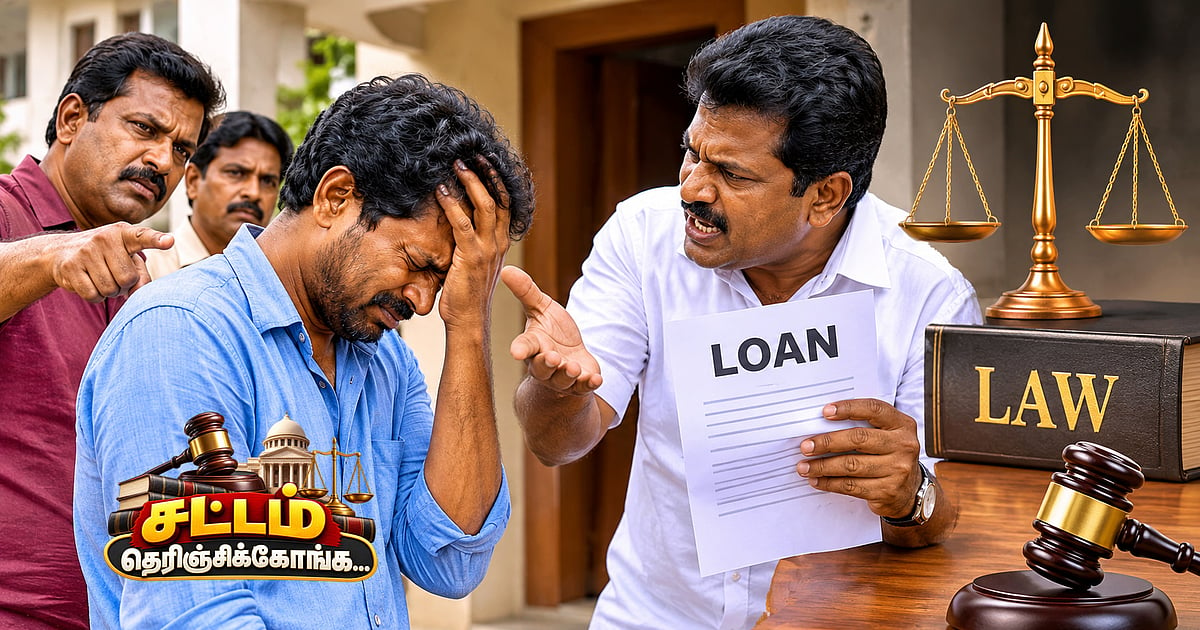
We may have given money to a friend or relative out of trust. But if we ask for it back, there is no response; if we call, they won’t answer. Some people, when asking for their money back, even post the photo of the person who borrowed the money on social media in anger, saying, “Just get my money back for me!”

Can that be done? What rights does the law give to the lender and the borrower?

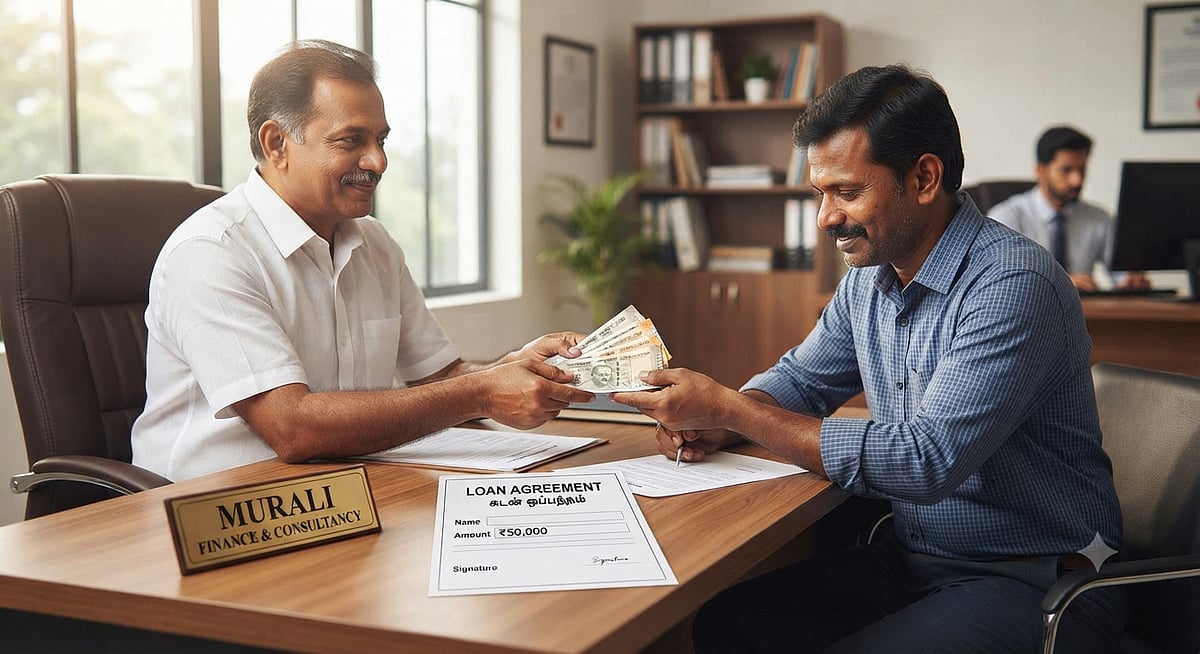
First, you should safely keep the evidence of having lent the money. Bank transfer details, receipts, loan agreements, text messages saying the money would be repaid, WhatsApp conversations, and similar records may be helpful.

Having only proof that a bank transfer took place may not be enough; you may also need to prove that the money was given as a loan and that both parties understood it had to be repaid. Therefore, when giving a loan, it is advisable to obtain a written agreement or at least an acknowledgment message from the borrower.

You can ask the borrower in writing to repay the money. If that does not work either, a legal notice can be sent through a lawyer. If the money is still not received, a suit can also be filed in the appropriate civil court to recover the amount.
What the law says

If there is a loan agreement, promissory note, or other documents, the applicable legal procedure can also be chosen based on them. In some cases, there may also be an opportunity to file a suit through a faster procedure based on certain specific documents.

What does the law say about humiliation?

Threatening someone by saying, “If you don’t give me money, I’ll deal with you!” or humiliating a person by posting their photo on social media is not the right way.

Section 351 of the Bharatiya Nyaya Sanhita, 2023 (BNS), deals with criminal intimidation. This section may apply if a person threatens to cause harm to another’s body, property, or reputation, with the intent to create fear in that person, or with the intent to compel them to do something they are not legally required to do, or to refrain from doing something they are legally entitled to do.

Section 352 refers to acts of insulting and provoking a person with the intent to cause a breach of peace, or knowing that such an effect is likely to occur.

What the law says

Section 356 deals with defamation. Speaking, writing, or publishing defamatory information about a person through images or other visual media, with the intent to harm their reputation or knowing that it is likely to do so, may fall under this section.

However, every harsh word, every demand for repayment, or every statement that a loan is outstanding does not automatically amount to an offense. The nature of the incident, the truthfulness of the information disclosed, the manner in which it was disclosed, the intent, and the exceptions provided in law will all be considered.

Also, lending money once to a friend or relative is not the same as making a business of repeatedly lending money at interest. For those who engage in the business of repeatedly providing loans, the laws applicable in Tamil Nadu relating to moneylending and the laws against charging excessive interest may apply.

Borrowers of bank loans also have rights!

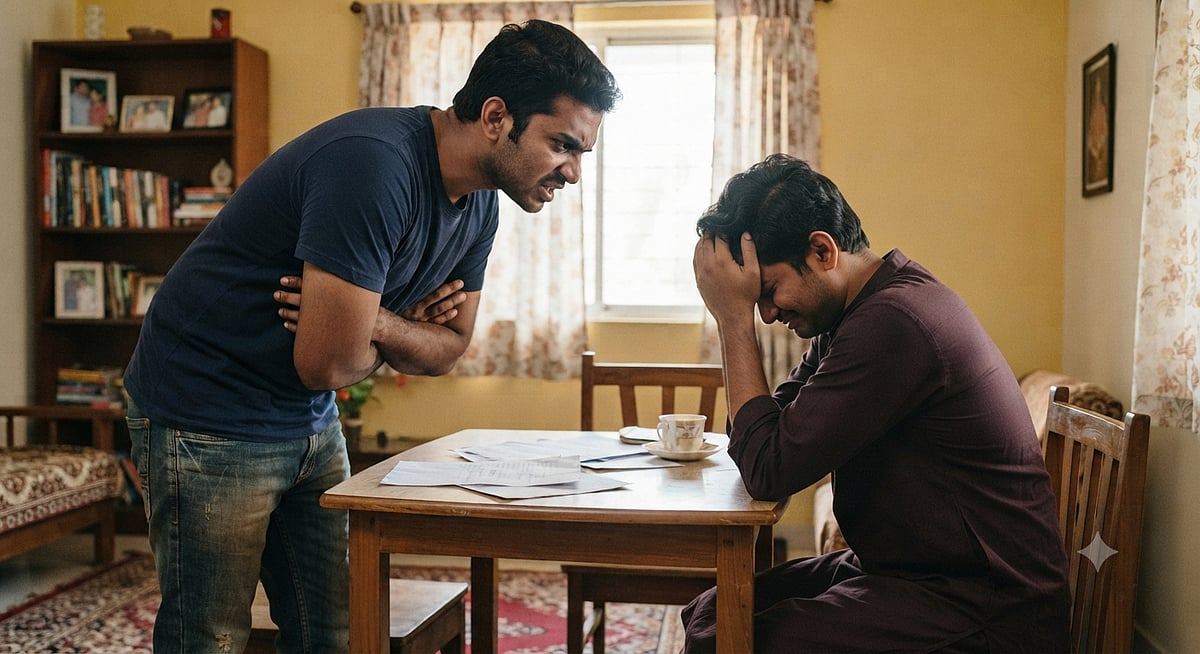
If borrowers who have taken loans from the bank delay paying their installments, debt collection agents cannot threaten, harass, or publicly humiliate them.

According to the guidelines of the Reserve Bank of India (RBI), banks, NBFCs, and other related financial institutions, along with their loan recovery agents, must not engage in activities such as threats, physical or verbal harassment, public humiliation, invading the privacy of the borrower’s family members or friends, or sending intimidating messages for loan recovery. Repeatedly calling to harass them and calling for loan recovery before 8 a.m. and after 7 p.m. are prohibited.

If you face such issues, you can first file a complaint with the grievance redressal department of the concerned bank. If no resolution is found, you can approach the RBI’s applicable grievance redressal mechanism after 30 days have passed without a response from the bank, or if you are not satisfied with the response received.
What the law says

These guidelines apply to financial institutions under RBI’s control and their agents; they cannot be directly applied to personal loan issues between friends or relatives.

Can the court be approached?

Yes. The lender can approach the appropriate civil court with evidence of having lent the money. Order VII Rule 1 of the Code of Civil Procedure, 1908 (CPC), sets out the particulars that must be included in a plaint; Rule 2 specifies the amount claimed in a money recovery suit; and Rule 7 requires the relief sought to be clearly stated.

However, the limitation law is also important in determining when a money recovery suit should be filed. Under Articles 19 and 21 of the Schedule to the Limitation Act, 1963, a money recovery suit must ordinarily be filed within three years from the date the loan was given. It cannot be assumed in all cases that the three-year period begins only after the money is demanded back. The limitation period may vary depending on the nature of the loan agreement, the terms of repayment, and documents such as promissory notes.

Moreover, if the borrower acknowledges the debt in writing before the limitation period expires, a new limitation period may begin under Section 18. Likewise, subject to the legal conditions, if part of the debt has been paid before the limitation period expires, a new limitation period may be computed under Section 19.

Importantly, the lender has the legal right to recover the money; that does not give the right to threaten or humiliate the borrower. Likewise, the borrower cannot escape the obligation to repay the debt. A debt is a financial matter; it is not a license to strip someone of their dignity!

Tanglish

pnanparukkoe uravinarukkoe nampikkaiyin atippataiyil panam kotuththiruppoem aanaal thiruppik kaettaal pathil irukkaathu poen seythaal etukka maattaarkal silar panaththaith thiruppik kaetkumpoethu en panaththai vaangkik kotuththaal poethum enru koepaththil samooka valaithalangkalil katan vaangkiyavarin pukaippataththaip pathivituvathum untu p pappatis seyyalaamaa strongkatan kotuththavarukkum katan vaangkiyavarukkum sattam vazhangkum urimaikal ennennastrongp asidecitecitekatan kotuththavar enna seyyalaamaside

pmuthalil katan kotuththatharkaana aathaarangkalaip paathukaappaaka vaiththirukka vaentum vangkip panap parimaarra vivarangkal raseethukal katan oppantham panaththaith thiruppith tharuvathaakak kooriya kurunjseythikal WhatsApp uraiyaatalkal poenravai uthavakkootump pvangkip parimaarram natanthatharkaana aathaaram mattum irunthaal poethaathu anthap panam katanaakak kotukkappattathu athaith thiruppis seluththa vaentum enra purithal iru tharappukkum irunthathu enpathaiyum niroopikka vaentiyirukkalaam enavae katan kotukkumpoethae ezhuththuppoorva oppantham allathu kurainthapatsam katan perravar alikkum opputhal seythiyaip perrukkolvathu nallathup

pkatan vaangkiyavaritam ezhuththuppoorvamaakap panaththaith thiruppith tharumaaru kaetkalaam atharkum palan illaiyenraal vazhakkarinjar moolam satta noettees anuppalaam thotarnthu panam kitaikkavillai enraal uriya sivil neethimanraththil panam vasoolikka vazhakkuth thotaravum mutiyump figureimg alt srchttpsgumletvikatancomvikatan2026-11-17v44plaucloanpng figcaptionsattam solvathu ennafigcaptionfigure pkatan oppantham uruthimozhis seettu Promissory Note allathu pira aavanangkal irunthaal avarrin atippataiyil porunthakkootiya satta nataimuraiyaiyum thaervu seyyalaam sila kurippitta aavanangkalin atippataiyil viraivaana nataimuraiyil vazhakkuth thotara vaayppum irukkalaamp

h2avamaanappatuththinaal sattam enna solkirathuh2 ppanam kotukkavillai enraal unnaip paarththukkolkiraen enru mirattuvathoe oruvarin pukaippataththais samooka valaithalangkalil pathivittu avamaanappatuththuvathoe sariyaana vazhiyallap ppaarathiya niyaaya sanhithaa 2023 BNS-n pirivu 351 kurraviyal mirattal thotarpaanathu oruvarin utal soththu allathu narpeyarukkus saetham aerpatuththuvathaaka miratti athan moolam avarukkup payaththai aerpatuththum noekkaththutan allathu avar sattappati seyya vaentiya avasiyamillaatha seyalais seyyavoe seyya urimaiyulla seyalais seyyaamal irukkavoe kattaayappatuththum noekkaththutan mirattinaal ippirivu porunthalaamp

Pirivu 352, amaithikkuk kulaivu erpaduthum nokkathudan allathu aththagaiya vilaivu erpadum endru therinthe oruvarai avamathiththu kilarchiyootum seyalgalai kurikkirathu.

Sattam solvathu enna

Pirivu 356, avathooru thodarbanathu. Oruvarin narppeyarukkuk kalangam erpaduthum nokkathudan allathu avvaru erpadum endru therinthe avaraip patriya avathoorana thagavalai pesuvathu, ezhuthuvathu allathu pugaippadam ullitta kaatchigal moolam veliyiduvathu ippirivin keezh varalaam.

Aanaal, ovvoru kadumaiyaana vaarthaiyum, panathai-thiruppik ketpathum allathu kadan niluvaiyil iruppathaaga kooruvathum thaanagave kutramaagividaathu. Sambavathin thanmai, veliyidappatta thagavalin unmai thanmai, veliyidappatta vidham, nokkam matrum sattathil ulla vidivilakkugal aagiyavai gavanikkappadum.

Melum, nanbarkkko uravinarkkko orumurai kadan koduppathum, thodarndhu vattikku kadan koduppathai thozhilaga seivathum ondralla. Thodarndhu kadan vazhanguvathai thozhilaga merkolpavargalukku, Tamilnaattil porundhakkoodiya panakkadan vazhanguthal thodarbaana sattangalum, adhiga vatti vasoolippatharku ethirana sattangalum porundhakkoodum.

Vangik kadan vaangiyavargalukkum urimaigal undu!

pvangkiyil katan vaangkiyavarkal thavanaiyais seluththath thaamathiththuvittaal katan vasoolikkum mukavarkal mirattavoe thunpuruththavoe pothuvil avamaanappatuththavoe mutiyaathu p

Indhiya Reserve Bank-in (RBI) vazhikaattudhalgalinpadi, bankigal, NBFC-gal ullitta sambandhappatta nidhi niruvangalum avatrin kadan vasool mugaivargalum, kadan vasoolippadharkaaga mirattal, udal reethiyaana alladhu vaaymozhiyaana thunburuththal, pothuvil avamaanappaduththal, kadan vaangiyavarin kudumbaththinar alladhu nanbargalin thaniyurimaiyil thalaiyiduthal, achchuruththum seithigal anuppudhal pondra seyalgalil eedupadak koodaadhu. Thodarndhu azhaiththu thontharavu seivadhum, kaalai 8 manikku munbum iravu 7 manikkup piragum kadan vasoolippadharkaaga azhaippadhum thadai seiyappattulladhu.

piththakaiya thontharavukalais santhiththaal muthalil sampanthappatta vangkiyin kuraitheerkkum pirivil pukaar alikkalaam theervu kitaikkavillai enraal vangkiyin pathil kitaikkaamal 30 naatkal katanthaaloe allathu kitaiththa pathilil thirupthi illaiyenraaloe RBI-yin porunthakkootiya kuraitheerppu vazhimuraiyai anukalaamp figureimg alt srchttpsgumletvikatancomvikatan2026-11-178idazzy8loan-2png figcaptionsattam solvathu ennafigcaptionfigure pintha vazhikaattuthalkal RBI-yin kattuppaattukkutpatta nithi niruvanangkalukkum avarrin mukavarkalukkum porunthum nanparkal allathu uravinarkalukku itaiyilaana thanippatta katan pirassinaikalukku ivarrai naeratiyaakap poruththa mutiyaathup

Needimandrathai anuga mudiyuma?

Aam. Kadan koduthavar, panam koduthatharkana aadharangaludan uriya civil needimandrathai anugalaam. Civil nadaimuraich sattam, 1908 (CPC)-n Order VII Rule 1, vazhakku manuvil idampeRa vendiya vivarangalaiyum, Rule 2, panam vasoolikkum vazhakkil korappadum thogaiyaiyum, Rule 7, korum nivaranathai thelivaga kurippiduvathaiyum pattri koorugindrana.

paanaal panam vasoolikkum vazhakkai eppoethu thotara vaentum enpathil kaalavarampus sattamum mukkiyamaanathu varampus sattam 1963-n attavanaiyil ulla 19 marrum 21-vathu katturaikalinpati saathaaranamaakak katan kotuththa naalilirunthu moonru aantukalukkul panam vasoolikkum vazhakkaith thotara vaentum katanaith thiruppik kaetta pirakuthaan moonru aantukal thotangkum enru ellaa vazhakkukalilum karutha mutiyaathu katan oppanthaththin thanmai thiruppis seluththa vaentiya nipanthanaikal uruthimozhis seettu poenra aavanangkal aakiyavarraip poruththu kaalavarampu maaralaamp

pmaelum kaalavarampu mutivataivatharku munpu katan vaangkiyavar ezhuththuppoorvamaakak katan poruppai oppukkontaal pirivu 18-npati puthiya kaalavarampu thotangkalaam athaepoel satta nipanthanaikalukku utpattu kaalavarampu mutivatharku munpu katanil oru pakuthiyais seluththiyirunthaalum pirivu 19-npati puthiya kaalavarampu kanakkitappatalaamp pmukkiyamaaka katan kotuththavarukkup panaththais sattappati thirumpap pera urimai untu atharkaakak katan vaangkiyavarai mirattavoe avamaanappatuththavoe urimai kitaiyaathu athaepoel katan vaangkiyavarum thanathu katanaith thiruppis seluththa vaentiya poruppilirunthu thappikka mutiyaathu katan enpathu panam thotarpaana pirassinai oruvarin kanniyaththaip parippatharkaana urimam allap

'’Petroraip paramaarikka marukkum pillaigal'' uththaravai madhikkaavittaal... | sattam solvathu enna? - 15

Aanaal, panam vasoolikkum vazhakkai eppothu thodara vendum enbathil kaalavaraambuch sattamum mukkiyamaanathu. Varaambuch sattam, 1963-n aattavanaiyil ulla 19 matrum 21-vathu katturaigalinpadi, saathaaranamaaga kadan kodutha naalilirundhu moondru aandugalukkul panam vasoolikkum vazhakkai thodara vendum. Kadanaith thiruppik ketta piraguthaan moondru aandugal thodangum endru ella vazhakkugalilum karutha mudiyaathu. Kadan oppanthathin thanmai, thiruppich selutha vendiya nibandhanaigal, uruthimozhich seettu pondra aavnaangal aagiyavaitrp poruthu kaalavaraambu maaralaam.

Melum, kaala varambu mudivadaivadharku munbu kadan vaangiyavar ezhuththuppoorvamaaga kadan poruppai oppukkondaal, pirivu 18-npadi pudhiya kaala varambu thodangalaam. Adhepol, satta nibandhanaigalukku udpattu, kaala varambu mudivadharku munbu kadanil oru pagudhiyaich seluththiyirundhaalum, pirivu 19-npadi pudhiya kaala varambu kanakkidappadalaam.

Mukkiyamaaga, kadan koduthavarukkup panathaich sattappadi thirumbap pera urimai undu; adharkaagak kadan vaangiyavarai mirattavo, avamaanappaduththavo urimai kidaiyaathu. Adhepol, kadan vaangiyavarum thanadhu kadanaith thiruppich seluththa vendiya poruppilirundhu thappikka mudiyaathu. Kadan enbadhu panam thodarbaana prachchanai; oruvarin kanniyathaip parippadharkaana urimam alla!'’Petroarai paraamarikka marukkum pillaigal'' uththaravai madhikkaavittaal... | sattam solvadhu enna? - 15

Tamil

நண்பருக்கோ, உறவினருக்கோ நம்பிக்கையின் அடிப்படையில் பணம் கொடுத்திருப்போம். ஆனால், திருப்பிக் கேட்டால் பதில் இருக்காது; போன் செய்தால் எடுக்க மாட்டார்கள். சிலர் பணத்தைத் திருப்பிக் கேட்கும்போது, “என் பணத்தை வாங்கிக் கொடுத்தால் போதும்!” என்று கோபத்தில் சமூக வலைதளங்களில் கடன் வாங்கியவரின் புகைப்படத்தைப் பதிவிடுவதும் உண்டு.

அப்படிச் செய்யலாமா? கடன் கொடுத்தவருக்கும், கடன் வாங்கியவருக்கும் சட்டம் வழங்கும் உரிமைகள் என்னென்ன?

முதலில், கடன் கொடுத்ததற்கான ஆதாரங்களைப் பாதுகாப்பாக வைத்திருக்க வேண்டும். வங்கிப் பணப் பரிமாற்ற விவரங்கள், ரசீதுகள், கடன் ஒப்பந்தம், பணத்தைத் திருப்பித் தருவதாகக் கூறிய குறுஞ்செய்திகள், WhatsApp உரையாடல்கள் போன்றவை உதவக்கூடும்.

வங்கிப் பரிமாற்றம் நடந்ததற்கான ஆதாரம் மட்டும் இருந்தால் போதாது; அந்தப் பணம் கடனாகக் கொடுக்கப்பட்டது, அதைத் திருப்பிச் செலுத்த வேண்டும் என்ற புரிதல் இரு தரப்புக்கும் இருந்தது என்பதையும் நிரூபிக்க வேண்டியிருக்கலாம். எனவே, கடன் கொடுக்கும்போதே எழுத்துப்பூர்வ ஒப்பந்தம் அல்லது குறைந்தபட்சம் கடன் பெற்றவர் அளிக்கும் ஒப்புதல் செய்தியைப் பெற்றுக்கொள்வது நல்லது.

கடன் வாங்கியவரிடம் எழுத்துப்பூர்வமாகப் பணத்தைத் திருப்பித் தருமாறு கேட்கலாம். அதற்கும் பலன் இல்லையென்றால், வழக்கறிஞர் மூலம் சட்ட நோட்டீஸ் அனுப்பலாம். தொடர்ந்து பணம் கிடைக்கவில்லை என்றால், உரிய சிவில் நீதிமன்றத்தில் பணம் வசூலிக்க வழக்குத் தொடரவும் முடியும்.

சட்டம் சொல்வது என்ன

கடன் ஒப்பந்தம், உறுதிமொழிச் சீட்டு (Promissory Note) அல்லது பிற ஆவணங்கள் இருந்தால், அவற்றின் அடிப்படையில் பொருந்தக்கூடிய சட்ட நடைமுறையையும் தேர்வு செய்யலாம். சில குறிப்பிட்ட ஆவணங்களின் அடிப்படையில் விரைவான நடைமுறையில் வழக்குத் தொடர வாய்ப்பும் இருக்கலாம்

அவமானப்படுத்தினால் சட்டம் என்ன சொல்கிறது?

“பணம் கொடுக்கவில்லை என்றால் உன்னைப் பார்த்துக்கொள்கிறேன்!” என்று மிரட்டுவதோ, ஒருவரின் புகைப்படத்தைச் சமூக வலைதளங்களில் பதிவிட்டு அவமானப்படுத்துவதோ சரியான வழியல்ல.

பாரதிய நியாய சன்ஹிதா, 2023 (BNS)-ன் பிரிவு 351, குற்றவியல் மிரட்டல் தொடர்பானது. ஒருவரின் உடல், சொத்து அல்லது நற்பெயருக்குச் சேதம் ஏற்படுத்துவதாக மிரட்டி, அதன் மூலம் அவருக்குப் பயத்தை ஏற்படுத்தும் நோக்கத்துடன் அல்லது அவர் சட்டப்படி செய்ய வேண்டிய அவசியமில்லாத செயலைச் செய்யவோ, செய்ய உரிமையுள்ள செயலைச் செய்யாமல் இருக்கவோ கட்டாயப்படுத்தும் நோக்கத்துடன் மிரட்டினால் இப்பிரிவு பொருந்தலாம்.

பிரிவு 352, அமைதிக்குக் குலைவு ஏற்படுத்தும் நோக்கத்துடன் அல்லது அத்தகைய விளைவு ஏற்படும் என்று தெரிந்தே ஒருவரை அவமதித்துக் கிளர்ச்சியூட்டும் செயல்களைக் குறிக்கிறது.

சட்டம் சொல்வது என்ன

பிரிவு 356, அவதூறு தொடர்பானது. ஒருவரின் நற்பெயருக்குக் களங்கம் ஏற்படுத்தும் நோக்கத்துடன் அல்லது அவ்வாறு ஏற்படும் என்று தெரிந்தே அவரைப் பற்றிய அவதூறான தகவலைப் பேசுவது, எழுதுவது அல்லது புகைப்படம் உள்ளிட்ட காட்சிகள் மூலம் வெளியிடுவது இப்பிரிவின் கீழ் வரலாம்.

ஆனால், ஒவ்வொரு கடுமையான வார்த்தையும், பணத்தைத் திருப்பிக் கேட்பதும் அல்லது கடன் நிலுவையில் இருப்பதாகக் கூறுவதும் தானாகவே குற்றமாகிவிடாது. சம்பவத்தின் தன்மை, வெளியிடப்பட்ட தகவலின் உண்மைத் தன்மை, வெளியிடப்பட்ட விதம், நோக்கம் மற்றும் சட்டத்தில் உள்ள விதிவிலக்குகள் ஆகியவை கவனிக்கப்படும்.

மேலும், நண்பருக்கோ உறவினருக்கோ ஒருமுறை கடன் கொடுப்பதும், தொடர்ந்து வட்டிக்குக் கடன் கொடுப்பதைத் தொழிலாகச் செய்வதும் ஒன்றல்ல. தொடர்ந்து கடன் வழங்குவதைத் தொழிலாக மேற்கொள்பவர்களுக்கு, தமிழ்நாட்டில் பொருந்தக்கூடிய பணக்கடன் வழங்குதல் தொடர்பான சட்டங்களும், அதிக வட்டி வசூலிப்பதற்கு எதிரான சட்டங்களும் பொருந்தக்கூடும்.

வங்கிக் கடன் வாங்கியவர்களுக்கும் உரிமைகள் உண்டு!

வங்கியில் கடன் வாங்கியவர்கள் தவணையைச் செலுத்தத் தாமதித்துவிட்டால், கடன் வசூலிக்கும் முகவர்கள் மிரட்டவோ, துன்புறுத்தவோ, பொதுவில் அவமானப்படுத்தவோ முடியாது.

இந்திய ரிசர்வ் வங்கியின் (RBI) வழிகாட்டுதல்களின்படி, வங்கிகள், NBFC-கள் உள்ளிட்ட சம்பந்தப்பட்ட நிதி நிறுவனங்களும் அவற்றின் கடன் வசூல் முகவர்களும், கடன் வசூலிப்பதற்காக மிரட்டல், உடல் ரீதியான அல்லது வாய்மொழியான துன்புறுத்தல், பொதுவில் அவமானப்படுத்துதல், கடன் வாங்கியவரின் குடும்பத்தினர் அல்லது நண்பர்களின் தனியுரிமையில் தலையிடுதல், அச்சுறுத்தும் செய்திகள் அனுப்புதல் போன்ற செயல்களில் ஈடுபடக் கூடாது. தொடர்ந்து அழைத்துத் தொந்தரவு செய்வதும், காலை 8 மணிக்கு முன்பும் இரவு 7 மணிக்குப் பிறகும் கடன் வசூலிப்பதற்காக அழைப்பதும் தடை செய்யப்பட்டுள்ளது.

இத்தகைய தொந்தரவுகளைச் சந்தித்தால், முதலில் சம்பந்தப்பட்ட வங்கியின் குறைதீர்க்கும் பிரிவில் புகார் அளிக்கலாம். தீர்வு கிடைக்கவில்லை என்றால், வங்கியின் பதில் கிடைக்காமல் 30 நாட்கள் கடந்தாலோ அல்லது கிடைத்த பதிலில் திருப்தி இல்லையென்றாலோ, RBI-யின் பொருந்தக்கூடிய குறைதீர்ப்பு வழிமுறையை அணுகலாம்.

சட்டம் சொல்வது என்ன

இந்த வழிகாட்டுதல்கள் RBI-யின் கட்டுப்பாட்டுக்குட்பட்ட நிதி நிறுவனங்களுக்கும் அவற்றின் முகவர்களுக்கும் பொருந்தும்; நண்பர்கள் அல்லது உறவினர்களுக்கு இடையிலான தனிப்பட்ட கடன் பிரச்சினைகளுக்கு இவற்றை நேரடியாகப் பொருத்த முடியாது.

நீதிமன்றத்தை அணுக முடியுமா?

ஆம். கடன் கொடுத்தவர், பணம் கொடுத்ததற்கான ஆதாரங்களுடன் உரிய சிவில் நீதிமன்றத்தை அணுகலாம். சிவில் நடைமுறைச் சட்டம், 1908 (CPC)-ன் Order VII Rule 1, வழக்கு மனுவில் இடம்பெற வேண்டிய விவரங்களையும், Rule 2, பணம் வசூலிக்கும் வழக்கில் கோரப்படும் தொகையைக் குறிப்பிடுவதையும், Rule 7, கோரும் நிவாரணத்தைத் தெளிவாகக் குறிப்பிடுவதையும் பற்றிக் கூறுகின்றன.

ஆனால், பணம் வசூலிக்கும் வழக்கை எப்போது தொடர வேண்டும் என்பதில் காலவரம்புச் சட்டமும் முக்கியமானது. வரம்புச் சட்டம், 1963-ன் அட்டவணையில் உள்ள 19 மற்றும் 21-வது கட்டுரைகளின்படி, சாதாரணமாகக் கடன் கொடுத்த நாளிலிருந்து மூன்று ஆண்டுகளுக்குள் பணம் வசூலிக்கும் வழக்கைத் தொடர வேண்டும். கடனைத் திருப்பிக் கேட்ட பிறகுதான் மூன்று ஆண்டுகள் தொடங்கும் என்று எல்லா வழக்குகளிலும் கருத முடியாது. கடன் ஒப்பந்தத்தின் தன்மை, திருப்பிச் செலுத்த வேண்டிய நிபந்தனைகள், உறுதிமொழிச் சீட்டு போன்ற ஆவணங்கள் ஆகியவற்றைப் பொறுத்து காலவரம்பு மாறலாம்.

மேலும், காலவரம்பு முடிவடைவதற்கு முன்பு கடன் வாங்கியவர் எழுத்துப்பூர்வமாகக் கடன் பொறுப்பை ஒப்புக்கொண்டால், பிரிவு 18-ன்படி புதிய காலவரம்பு தொடங்கலாம். அதேபோல், சட்ட நிபந்தனைகளுக்கு உட்பட்டு, காலவரம்பு முடிவதற்கு முன்பு கடனில் ஒரு பகுதியைச் செலுத்தியிருந்தாலும், பிரிவு 19-ன்படி புதிய காலவரம்பு கணக்கிடப்படலாம்.

முக்கியமாக, கடன் கொடுத்தவருக்குப் பணத்தைச் சட்டப்படி திரும்பப் பெற உரிமை உண்டு; அதற்காகக் கடன் வாங்கியவரை மிரட்டவோ, அவமானப்படுத்தவோ உரிமை கிடையாது. அதேபோல், கடன் வாங்கியவரும் தனது கடனைத் திருப்பிச் செலுத்த வேண்டிய பொறுப்பிலிருந்து தப்பிக்க முடியாது. கடன் என்பது பணம் தொடர்பான பிரச்சினை; ஒருவரின் கண்ணியத்தைப் பறிப்பதற்கான உரிமம் அல்ல!