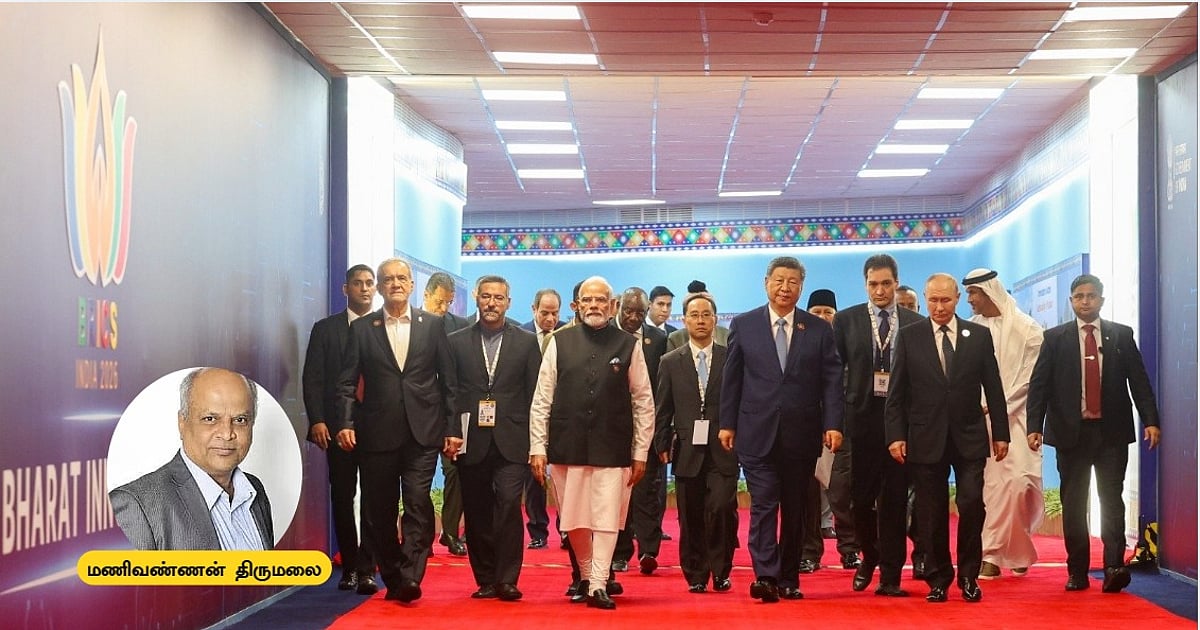
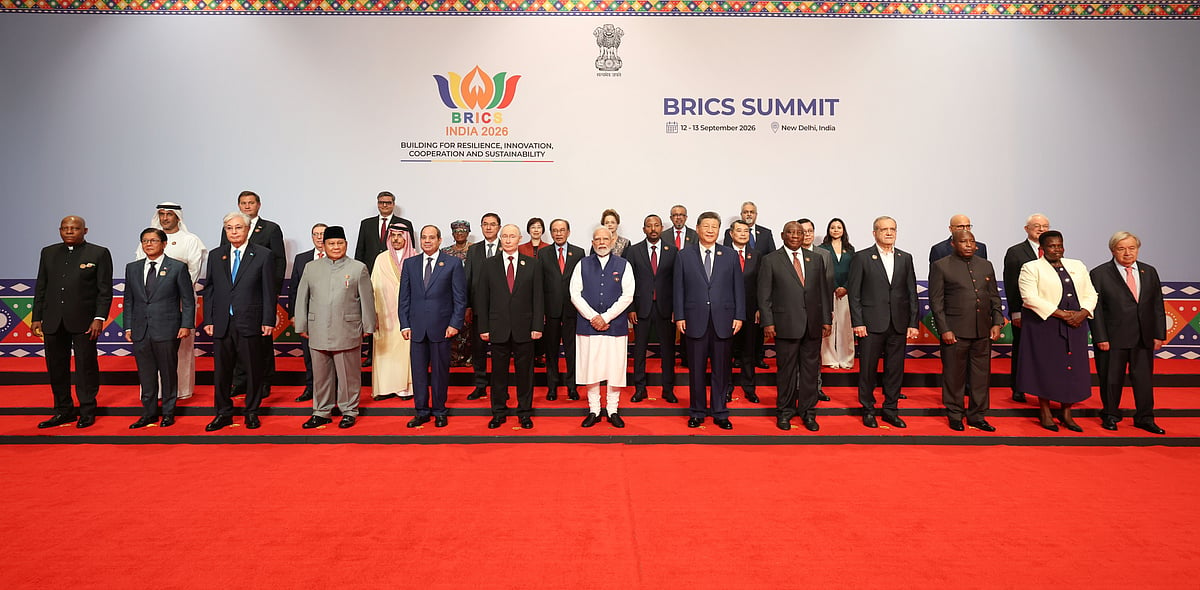
The 18th BRICS summit, which concluded in Delhi, ended with the usual statement and photo opportunities released at the end of such summits, along with news such as the controversy over vegetarian food at the conference.
The conference has discussed many major contemporary issues, including the wars in the Middle East, international trade tariffs that rise and fall like mercury on a thermometer according to the Trump administration’s mood, the shocks caused by the astonishing growth of artificial intelligence, measures to prevent climate change, and terrorism, as well as historically significant demands such as reforming the structure of the U.N. Security Council.
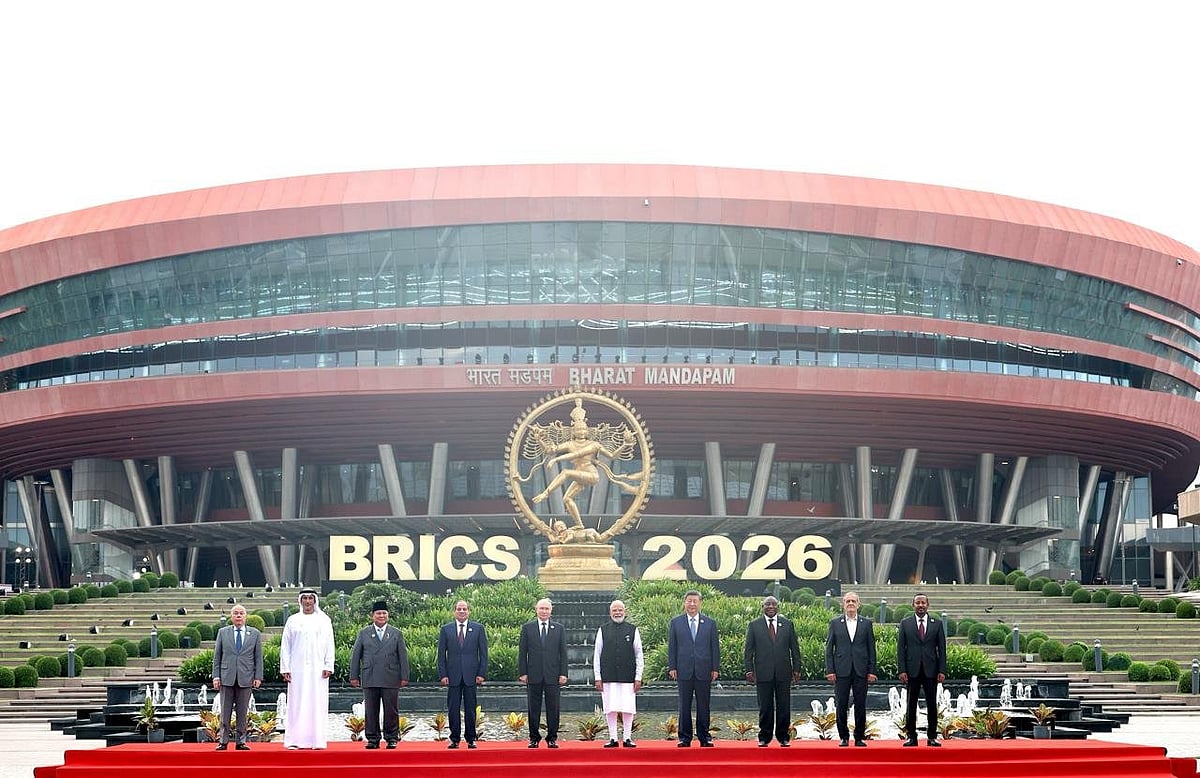
But the 140-point `Delhi Declaration' issued with the approval of all 11 countries that attended the summit, on many of these important issues, especially without taking any clear position, appears to be a set of vague, general statements that reflect the differing views prevailing among the BRICS member countries on these major problems.
“Concern” over the Iran war
Three major Middle Eastern countries—Iran, the United Arab Emirates, and Saudi Arabia—have joined BRICS only two years ago (though there is still some uncertainty about Saudi Arabia’s membership status), and the Delhi Declaration merely calls for peace without blaming either side for the US-Iran war.
Iran, which came under a joint US-Israeli attack, has in recent history carried out drone and missile strikes on US Middle Eastern allies in an effort to escape the pressure of attack.
One of the countries attacked by Iran is the United Arab Emirates, a key ally of the United States. Since both countries are recent entrants to BRICS, the resolution on the US-Iran conflict, so as not to affect either of them, has ended up only expressing “deep concern” over the Middle East war.
The declaration says that both sides should exercise maximum restraint and that a “multilateral approach” that respects the views of the countries concerned is needed.
It is noteworthy that the resolution did not even breathe a word about the Trump administration, which launched a forced attack on Iran and plunged the Middle East into major turmoil, or about Israel, which is said to have prompted Trump to carry out the attack.
Likewise, the BRICS declaration did not say a word about Iran’s action after the war, when it violated UN norms for international freedom of maritime navigation, closed the Strait of Hormuz, and pushed the global economy into a severe crisis.
It is also worth noting that on the first day of the BRICS summit, where this resolution was adopted, the United States and Iran resumed their mutual attacks after the August ceasefire.
However, some positive developments did take place as well. For the first time since the Iran war began, it is noteworthy that the Crown Prince of the United Arab Emirates, Sheikh Khalid bin Mohammed Al Nahyan, who has had differences with Iran, met Iranian President Masoud Pezeshkian during the BRICS summit in Delhi. Although many details have not emerged about what the two sides discussed, there is an understanding that Iran may have shared its views on the compulsion to attack American positions in the United Arab Emirates.
The Ukraine War — BRICS’ Silence
If a resolution like this were passed about the Iran war in the Middle East, like okra curry fried in a lamp oil lamp, the Delhi declaration has not uttered a word about the Ukraine war that has been going on since 2022.
International political observers have questioned how BRICS can pass a resolution condemning Russia when Russia itself, one of the founding member countries of BRICS, has carried out the attack on Ukraine.
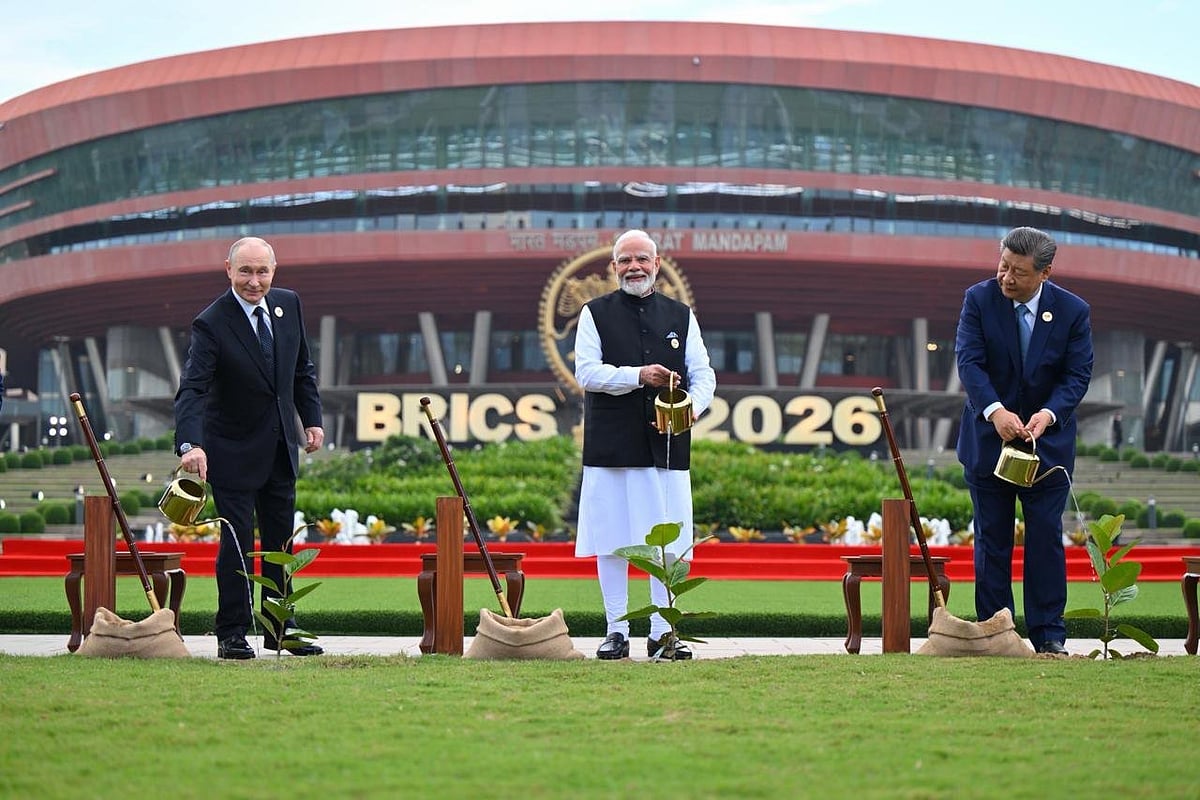
The Delhi Declaration has stated from the outset about national sovereignty. However, with Ukraine’s sovereignty having been violated by its neighboring country, Russia, criticism has arisen that the BRICS organization has not taken any explicit position on the matter, showing that it has not acted neutrally on this issue.
BRICS itself is seen as a framework of the world’s emerging economies formed in opposition to the West’s (especially America’s) international dominance, and critics also say that, given this organization is heavily dominated by Russia and China, America’s principal adversaries, it cannot be expected to take any position other than this on the Ukraine issue.
At least at last year’s BRICS summit in Rio de Janeiro, Brazil, a resolution on Ukraine was passed in name, but this year’s Delhi summit did not even have that, leading analysts to criticize that it calls BRICS’s neutrality into question.
Trump's import tariffs
The BRICS organization’s resolution on U.S. President Trump’s sweeping tariff measures criticized them without directly using the name of the United States or Trump’s name.
This too is surprising. Among the BRICS countries, China was the only one that responded in kind to these U.S. import tariff measures. Its industrial and economic strength put it in a position to take that stance. But Trump imposed a 25 percent import tariff on India, followed by an additional 25 percent tariff. He also imposed similarly severe tariffs against Brazil. Russia has been facing many Western sanctions even before the start of the Ukraine war.
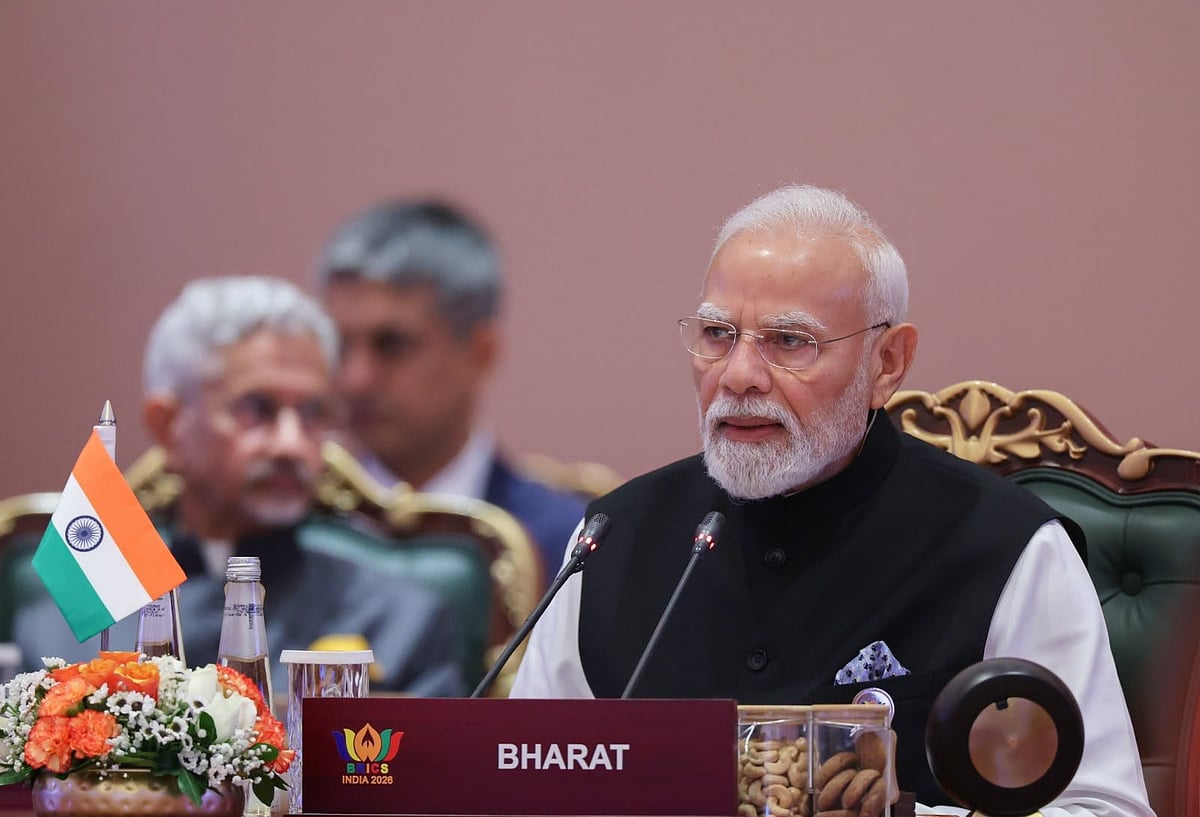
In this context, the BRICS summit resolution, without directly mentioning the United States, only stated in general terms that “unilateral economic sanctions” that are “against international law” and affect human rights are to be condemned, and demanded that such illegal measures be removed. Critics say that BRICS’ reluctance to criticize the United States more directly shows that many countries such as India, Saudi Arabia, and the Emirates have still not fully broken free from America’s dependence and influence.
BRICS criticizes Israel
Although the BRICS statement on the Ukraine issue was controversial, this body has passed resolutions with a somewhat surprisingly critical tone toward Israel regarding the other burning issue in West Asia, the Gaza attacks.
It has insisted that the ceasefire agreement reached in October 2025 must be fully observed following the attacks on Gaza, a territory that has suffered massive destruction due to the hardline military actions of Netanyahu, Prime Minister Modi’s close friend.
At the same time, this declaration’s reiteration that a permanent solution to the Palestinian issue should be based on the 1967 borders, Palestinian independence, East Jerusalem as the capital of an independent Palestine, and a two-state solution is unlikely to have pleased Israel.
It is noteworthy that the BRICS group has passed a resolution through this Delhi Declaration against the forced expulsion of Palestinian civilians from the Gaza Strip or from other occupied Palestinian territories.
Although the resolutions on the Gaza Strip do not directly mention Israel, the overall tone of the resolutions will be concerning to Israel.
However, in the resolution on Israel’s attack on Lebanon, the Delhi Declaration, which says it condemns the ongoing violations of Lebanon’s sovereignty and territorial integrity, directly states that Israel must withdraw its forces occupying parts of Lebanon.
BRICS’s internal structural pressure, reflected in its resolutions on conflicts and wars, is not as evident when discussing other global issues.
In the resolution on climate change, BRICS speaks as the voice of the Global South—countries affected by colonialism and with less influence in international politics, unlike English-speaking countries such as the United States, European nations, and Australia.
The resolution emphasizes that all countries share this planet and that, in addressing the problem of global warming, all nations have common but differentiated responsibilities. This means that the Western countries that underwent major industrial growth in the 19th and 20th centuries bear a greater share of responsibility for the causes of climate change, and consequently for addressing it.
Another historic issue in international politics is reform of the UN and reform of other international institutions. On this issue, India has consistently emphasized at the UN that the current Security Council does not reflect the changing global political and economic realities, and therefore the Security Council should be expanded and new countries should be made permanent members.
This resolution has also been passed. Whether it is feasible in practice is questionable. Because there is a view that China is the main obstacle to making India a permanent member of the Security Council. The fact that China is currently the only Asian country with permanent membership in the UN Security Council gives China enormous influence in Asia. The border dispute between China and India, as well as China’s closeness to Pakistan, are also seen as additional factors.
Even so, it remains doubtful whether the other Security Council members will be willing to push ahead with UN reforms despite China’s position.
The resolution also says that reforms are needed in the management of other international institutions such as the International Monetary Fund (IMF) and the World Bank, and that changes are needed in their leadership positions. Countries of the “Global South” are at the forefront of facing political and economic crises. But the advanced countries are the ones in the decision-making positions. The BRICS declaration also proposes that BRICS will help those countries move into the position of rule-makers.
Similarly, the New Development Bank of the BRICS grouping was created to avoid the financial assistance given by institutions such as the International Monetary Fund and the World Bank to developing countries being tied to conditions requiring reforms in the domestic political and economic situations of those countries. It has now been ten years since it was established with China’s major investment and, to a lesser extent, investments from Russia, India, Brazil, and South Africa. Although the Delhi Declaration takes pride in its functioning, the truth is that it has still not gained enough momentum for its impact to be fully felt.
There is no doubt that the summit’s resolutions will sound like honey to the ears of many countries of the Global South. But whether these declarations will remain mere empty slogans or be put into action depends on whether the major powers in this grouping, China and Russia, will truly help, or whether they will adopt an opportunistic stance using these slogans only for anti-American politics. The extent to which organizations like BRICS will actually be useful to the countries of the Global South depends on that.
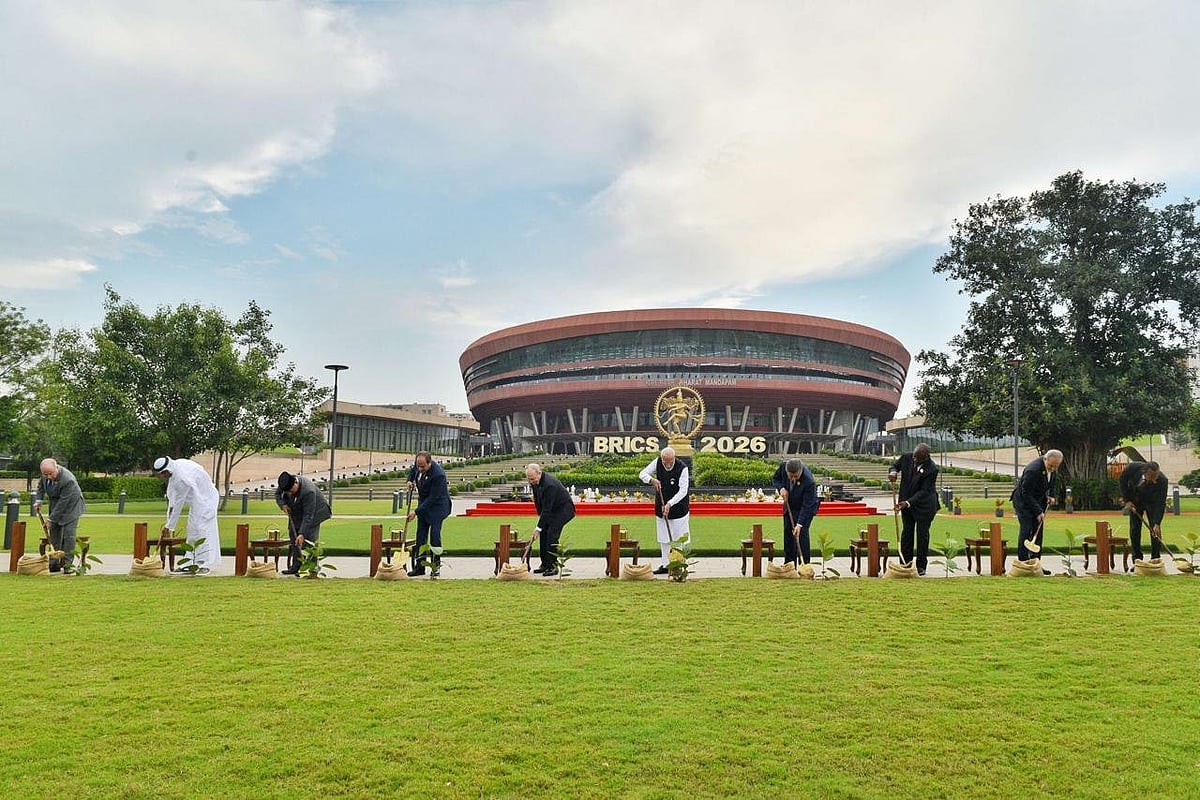
The BRICS grouping, which was launched in 2006 and held its first summit in 2009, has “come of age,” said Indian Prime Minister Narendra Modi, who holds the rotating chairmanship of the bloc this year, at the 18th summit. It can be seen as a phrase indicating the maturation of BRICS’ global stature. But whether BRICS has acquired the influence to shape complex global issues can be measured only by the impact its voice has on international relations.!