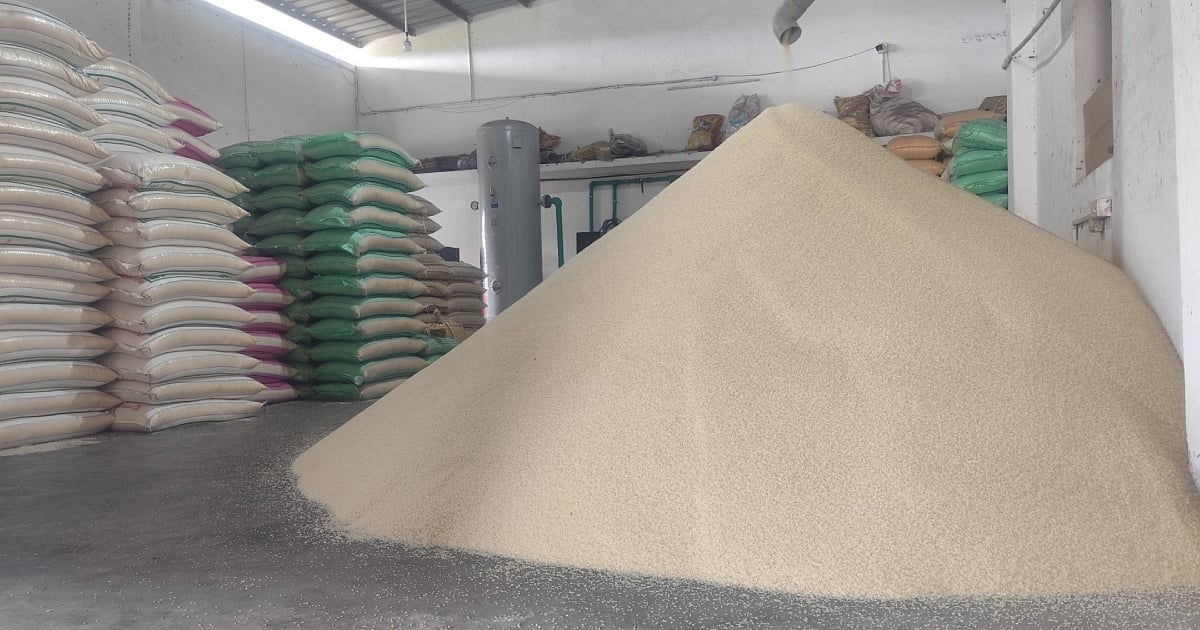
Tenkasi: As the prices of various food items continue to rise, the increase in rice prices has caused concern among the poor and middle class, said C. Anbalagan, president of the Tenkasi district rice mill owners and paddy rice traders association.
In Tenkasi district, more than 100 rice mills are operating in the Keelapavoor and Alangulam areas. With rice prices rising, it is said that some rice mills have suspended operations due to various pressures.
In this situation, when asked about the reasons for the rise in rice prices and the alternative arrangements being made to control the increase, Tenkasi district rice mill owners and paddy rice traders association president C. Anbalagan said: “Tamil Nadu remains a state with a shortage in paddy production. As needed, paddy and rice are being procured from other states.
Since the support price for paddy purchased from farmers has been increased, most farmers are selling mainly through government direct paddy procurement centers.
Due to reduced rainfall in some of Tamil Nadu’s highest paddy-producing districts, paddy production has been low. As a result, private rice mills have been forced to buy paddy from other states at higher prices to meet their needs.
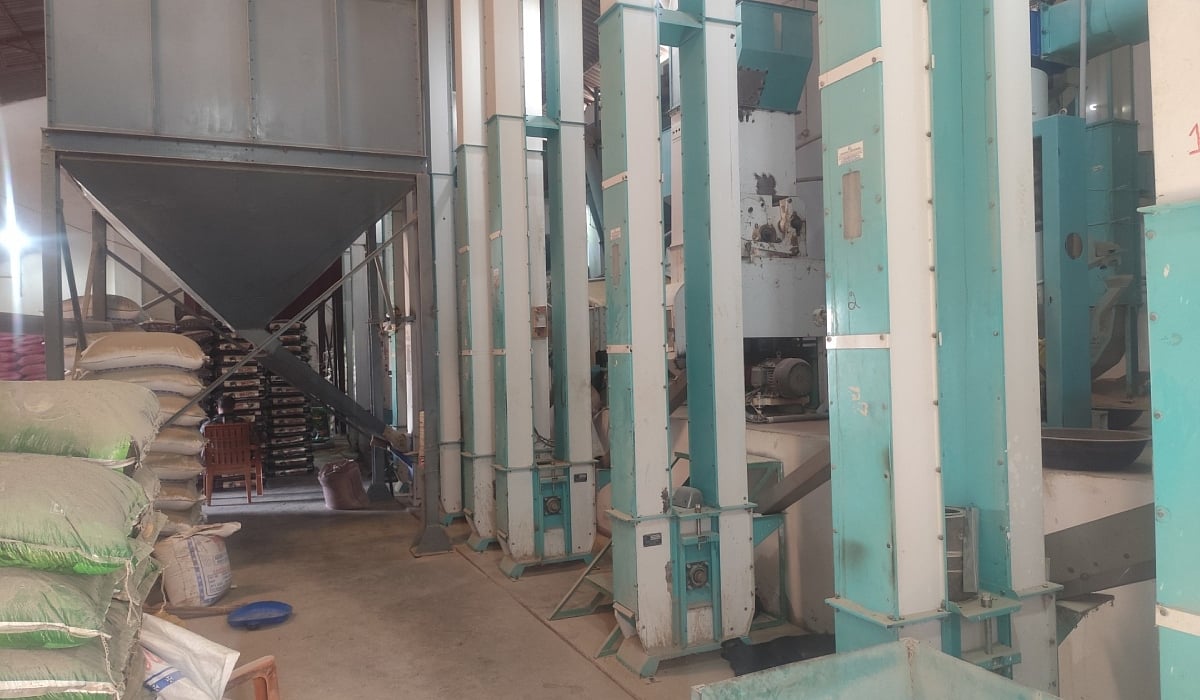
Rice mill owners have been pushed into a situation where they must somehow keep their mills running by taking large loans from banks to install state-of-the-art machinery for improving and producing the highly preferred fine-grade rice, so that they can repay the borrowed loan amount.
Electricity charges have been increased by 6 percent per year. The electricity arrears charge has been raised from Rs. 35 to Rs. 170 per kilowatt for LT connections and from Rs. 300 to Rs. 575 for HT connections. Peak-hour electricity charges have increased by 15 percent.
Workers needed for rice mills have to be brought in from other states, and arrangements must be made to provide them with food and accommodation in order to operate the mills.
The production cost has increased due to several reasons, including the 5 percent GST tax imposed when ordinary working people buy rice in 5 kg and 10 kg bags according to their convenience, the rise in the base price of 5 kg and 10 kg rice bags, the increase in diesel prices for generators during power shortage periods, higher wages for workers, and increased transportation costs. These are the main reasons for the rise in rice prices.
During this difficult period, due to paddy shortages and increased production costs, 20 to 25 percent of modern rice mills have been unable to operate because they cannot pay their loan installments and have been shut down. Among rice varieties, only the fine and very fine varieties (HMT, RNR, Adshaya, Amman) have seen a significant price increase.
The price increase has been relatively low for rice varieties such as ADT 45, Deluxe Ponni, BPT Ponni, and idli rice. As paddy arrivals increase, prices will come down.
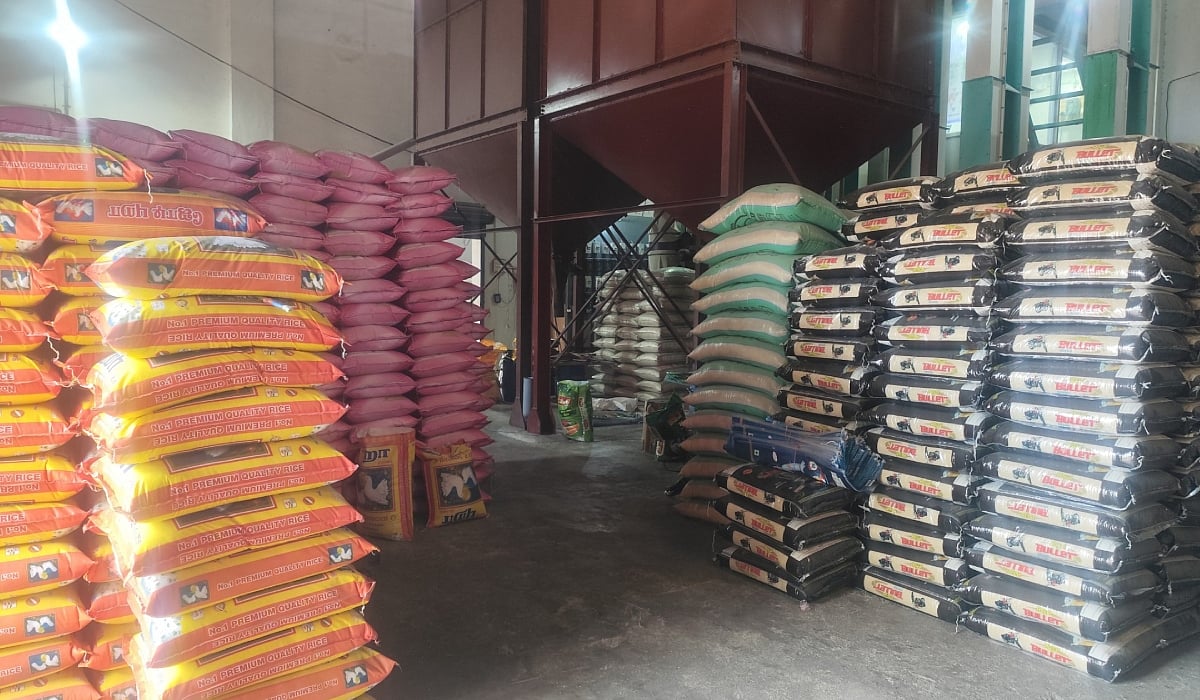
At government direct paddy procurement centers, the paddy received from farmers has moisture content, and because procurement is not carried out at the proper time, the paddy that has deteriorated in quality is stored in the open. Later, when government milling agents take it to their mills, process it, and supply it, the quality declines further. Only those in extreme poverty use the rice distributed at ration shops for their meals.
Because the rice distributed through the ration system is not being properly processed and supplied as quality rice, it is causing rice prices to rise in the open market. If the paddy purchased directly from farmers is cleaned at the respective procurement centers and handed over directly to government milling agents, they can dry it and produce quality rice, and if it is supplied in the required weight quantities, people from all sections will use ration rice.
The government can inspect family ration cards and identify those who are not interested in buying rice, and then provide the rice allotted to them at subsidized rates to those who are interested. In addition, a system will be created to safely preserve the paddy grains produced by farmers without damage. This will save the government time, transportation vehicles, and money,” he said.