Can you explain how the foundation of a dam that is one hundred meters high will withstand an earthquake by using a one-meter model?
What kind of impact will toxic waste buried underground have on groundwater after many years? To find answers to questions like these, one would have to wait many years in the real world.
But would you believe it if it could be observed in a laboratory in just three and a half days? You have to believe it. China is doing exactly that.
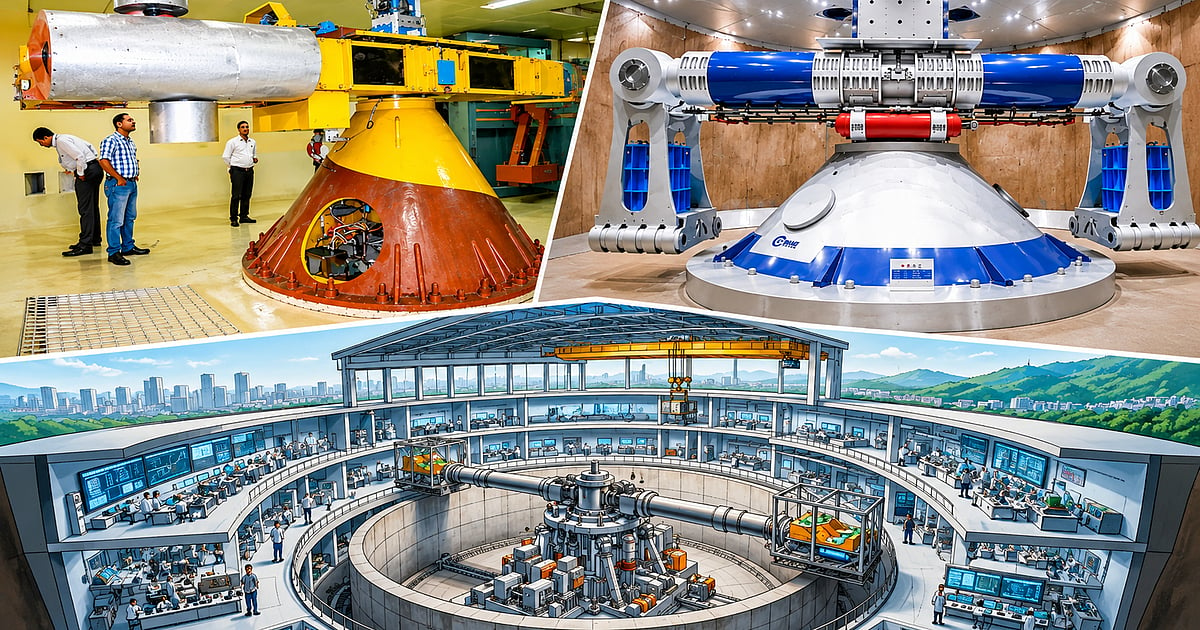
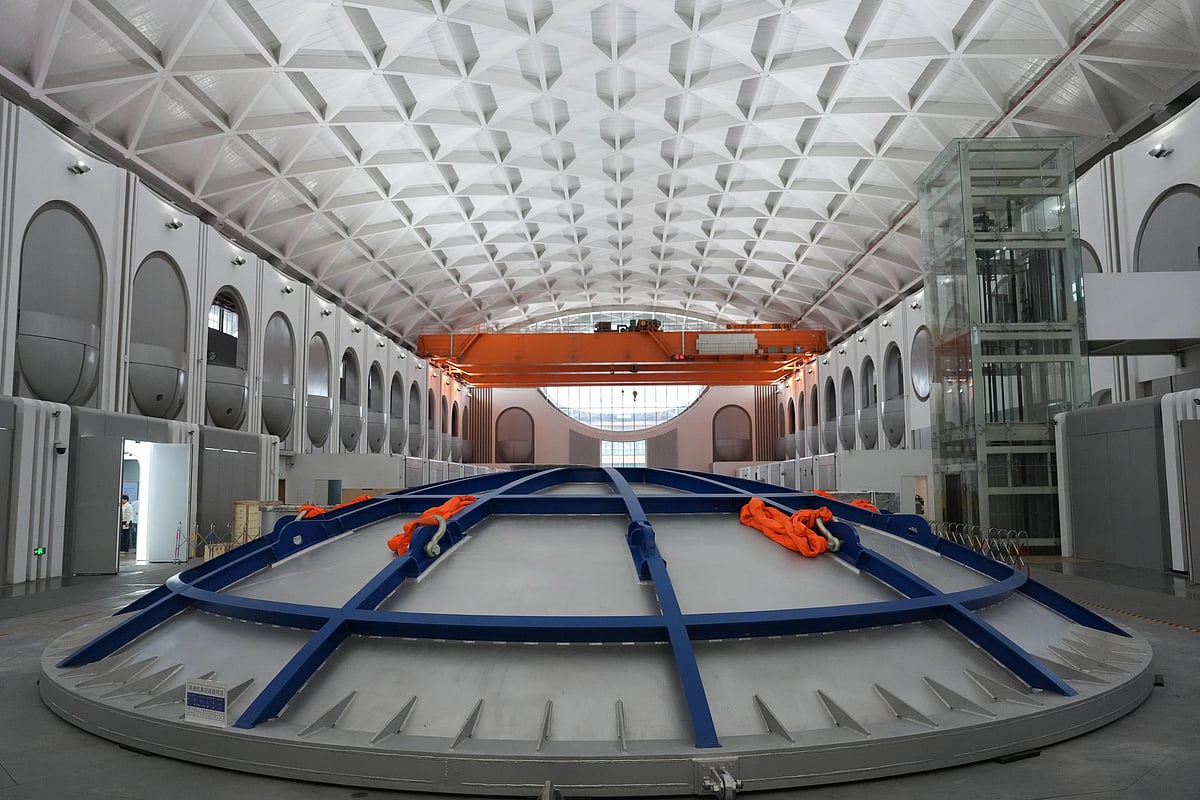
In the city of Hangzhou in eastern China, about 15 meters underground, a massive research center has been built. Its name is “CHIEF” (Centrifugal Hypergravity and Interdisciplinary Experiment Facility). In Tamil, that means a hypergravity research center. This is not an ordinary centrifuge. It is a technological facility that can amplify Earth’s natural gravity by several hundred times, helping researchers study the behavior of soil, rock, dams, landslides, and more. But one thing can be said right away: China did not invent this technology. Its sheer scale is what’s making headlines now.
When an object is spun at high speed, an outward force is created. As a child, did you ever tie a stone to a string and whirl it around? It’s the same thing. A centrifuge uses this force to create, inside a laboratory, a force many times greater than Earth’s gravity. This is called “Hypergravity.”
What is the magic in this?
Soil and rock bear pressure by virtue of their own weight. If a one-meter soil sample is spun at 100 times gravity, it can experience some of the stresses that a 100-meter-tall structure would undergo. A large dam cannot be tested directly. But its miniature model can be spun and tested.
Time is “compressed” in the same way. At the same 100 times gravity, information about this center says that pollution spread that could occur over a hundred years can be studied in a model in about 3.65 days. For that to work, the experiment must follow the correct scaling laws.
So have they compressed time itself?
No.
Time moves along at its own pace. When extreme gravity and carefully measured conditions come together, some slow processes can be seen to speed up. That is all. A machine does not accelerate every natural phenomenon.
What is g·tonne?
When discussing the capability of the CHIEF machine, figures such as 1,300 g·tonne, 1,500 g·tonne, and 1,900 g·tonne are mentioned. It is important to understand these.
g·tonne is a measurement that combines gravitational acceleration and the weight of the load placed in the machine. For example, if a one-ton weight is rotated at a force of 100G, its value is 100 g·tonne. Therefore, 1,900 g·tonne does not mean 1,900 times the force of gravity. It is a measurement that indicates the machine’s total load-bearing capacity and its performance together.
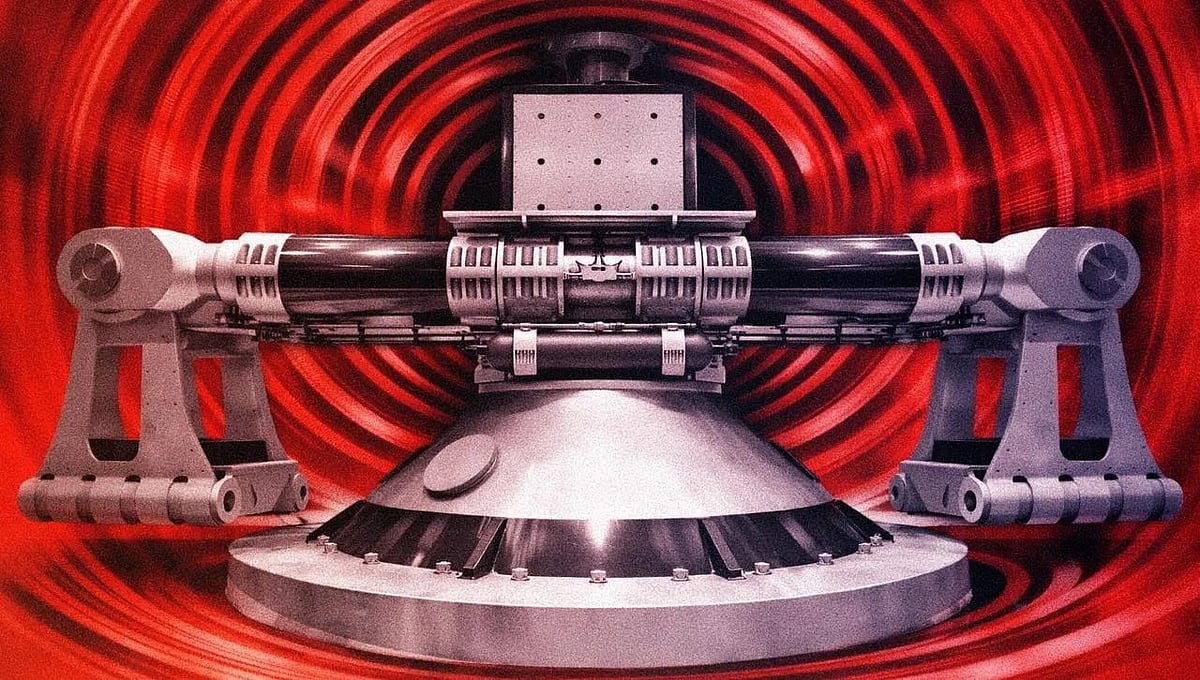
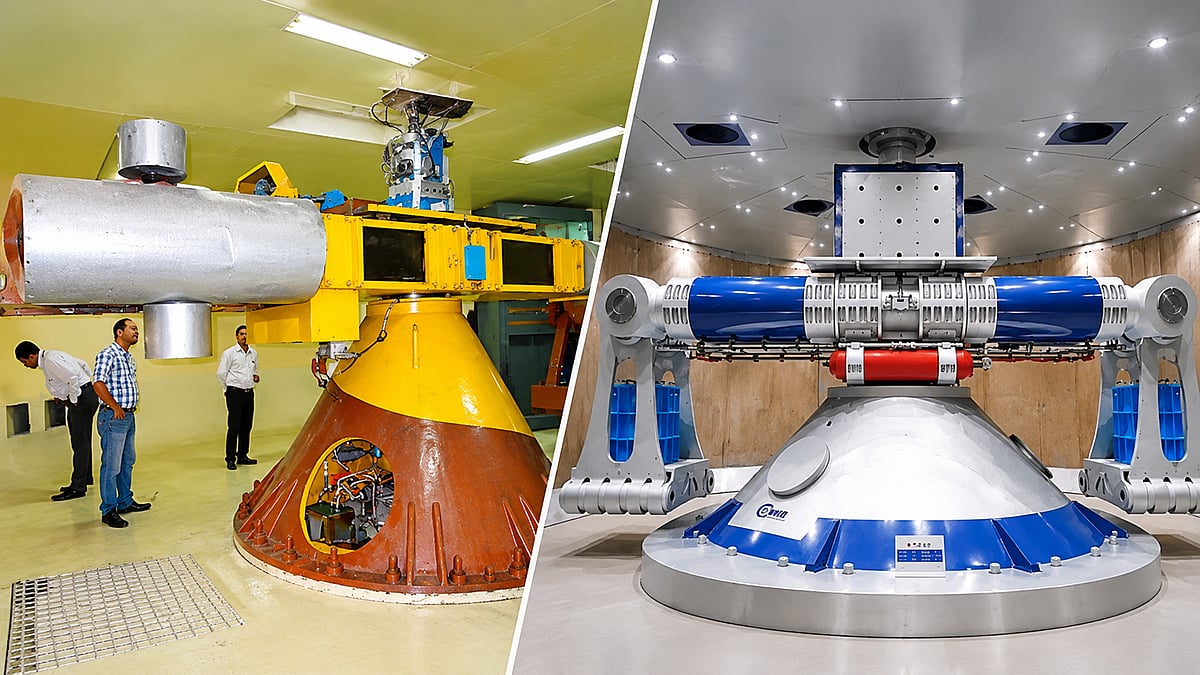
The CHIEF project includes three massive centrifuge machines: CHIEF1300, CHIEF1500, and CHIEF1900. Among them, CHIEF1300 became operational on September 29, 2025.
It has a capacity of 1,300 g·tonne. It has been announced that it can generate a maximum gravitational acceleration of up to 300G. The maximum load is also stated to be 20 tons. This machine can accommodate 18 research instruments, including six experimental chambers.
CHIEF1500 and CHIEF1900 have capacities of 1,500 and 1,900 g·tonne, respectively. In particular, CHIEF1900’s capacity positions it as one of the world’s largest hypergravity research machines. According to the latest information, although CHIEF1900 has been reported as installed, its full operation has not been confirmed to have begun.
One may wonder why such a large machine should be installed underground. A machine spinning at high speed generates very strong vibrations. Those vibrations could affect the surrounding structures and other experiments taking place in the laboratory. By placing it underground, external vibrations can be controlled and the machine’s operation can be kept stable.
Another major challenge is heat. When a giant machine spins at such high speed, a lot of heat can be generated due to air friction and losses in the machine’s internal parts. This heat not only affects the machine’s performance but can also alter the results of the experiment. Therefore, controlling heat becomes an important requirement of this technology.
For this purpose, a vacuum environment is created around the machine. By reducing the density of the air, air friction during rotation can be minimized. In addition, heat is controlled with the help of liquid cooling technology. Such arrangements help the machine operate safely and stably during high-speed rotation.
What exactly will they study here? The list goes on: dam safety, soil behavior during earthquakes, landslides, slope stability, subsea engineering, deep underground environments, and new materials. How pollution moves from underground waste repositories is also part of the research.
A dam faces the pressure of water, the nature of the soil, and seismic activity year after year. Knowing in advance how strong the foundation of a dam in an earthquake-prone area is can be a lifesaving matter. By applying extreme gravity and controlled vibrations to a scaled-down model, many conditions can be recreated and studied in the laboratory itself.
This is not an unfamiliar story for India. A dam here means drinking water, agriculture, and livelihoods for millions of people. Dams like Mettur and Bhavanisagar in Tamil Nadu are the backbone of water management.
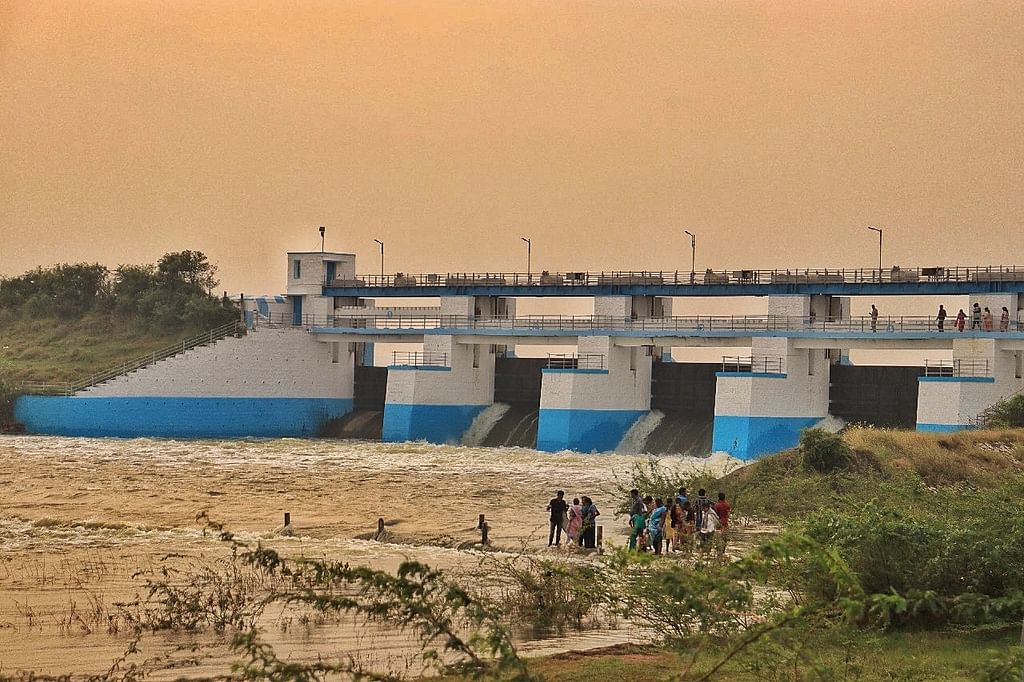
When talking about this technology, we also have to think back to the massive flood that hit Chennai in 2015. At that time, various questions were raised about the way water was released from Chembarambakkam Lake.
The Comptroller and Auditor General of India (CAG), which studied flood management in Tamil Nadu, had pointed out that there was no scientific system to forecast inflow into the Chembarambakkam lake in advance, and that there were shortcomings such as the absence of real-time flood forecasting facilities and an emergency action plan.
One thing must be said honestly here. A rotary machine studies the soil and the foundation. The problem at Chembarambakkam is forecasting and management. So it cannot be said that a machine like CHIEF alone can prevent flood damage. However, it could help in conducting in-depth studies of dam foundation safety, and the nature of soil and rocks.
At the same time, an important question is whether those research results are actually being used in dam management decisions.
What is China’s achievement?
China was not the first to invent hypergravity research technology. Many countries, including the United States, Japan, Britain, Australia, and the Netherlands, have been conducting such research for many years. The Vicksburg center in the United States began operating as early as 1995. Academic and research institutions, including Delft University of Technology in the Netherlands and the University of Western Australia, also use this technology.
But the unique feature of the CHIEF project is its immense capacity and the infrastructure designed to carry out a wide range of studies within a single campus.
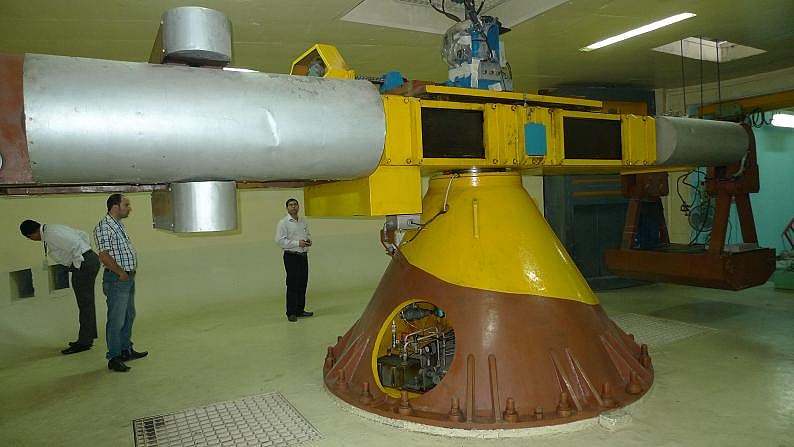
India has not lagged behind in this either. At IIT Bombay, the national geotechnical centrifuge research center called 'SUDARSHAN' is in operation. It was established with the support of the Department of Science and Technology (DST), the Defence Research and Development Organisation (DRDO), and the then Ministry of Human Resource Development. Its machine can generate up to 200 times gravity; at 100g, it can bear a load of 2.5 tons; its total capacity is 250 g·tonne. It helps in research related to soil slope failure, landslides, reinforced soil structures, and underground structures.
It is true that it cannot be compared with CHIEF in terms of numbers. But it is also true that the foundation exists here too.
What next?
Machines like CHIEF are not magical tools that can stop natural disasters. But they are scientific tools that help us understand their impacts in advance and identify weaknesses in structures before disasters strike. When building large projects such as dams, bridges, tunnels, and coastal structures, studies like these are important to ensure their safety.
When extreme gravity, advanced computer models, and artificial intelligence come together, answers to questions that would otherwise take years may be found much sooner.
Shouldn’t India, with its massive dams and densely populated cities, expand the capabilities of centers like SUDARSHAN? Are the results of that research actually being used in dam management decisions? The answer to these questions determines how prepared we will be for the next disaster.
Developing the technology is one thing. The real challenge is using the research results it produces in practical plans and administrative decisions. That is the important lesson China’s initiative teaches us.!