English
The first milestone: PMK's first electoral victory! In 1991, the Pattali Makkal Katchi (PMK) made its debut in the electoral arena. The victory of the party's candidate Panruti Ramachandran in the first election marked a strong beginning for PMK's long political journey. It showed how a small party could exert influence both at the state and central levels. To understand what PMK achieved in the political arena beyond criticisms, one can trace back to the 1980s... The story of the Pattali Makkal Katchi, which united the Vanniyars, does not begin in 1991. We must go back to 1980. In that year, Dr. Ramadas,
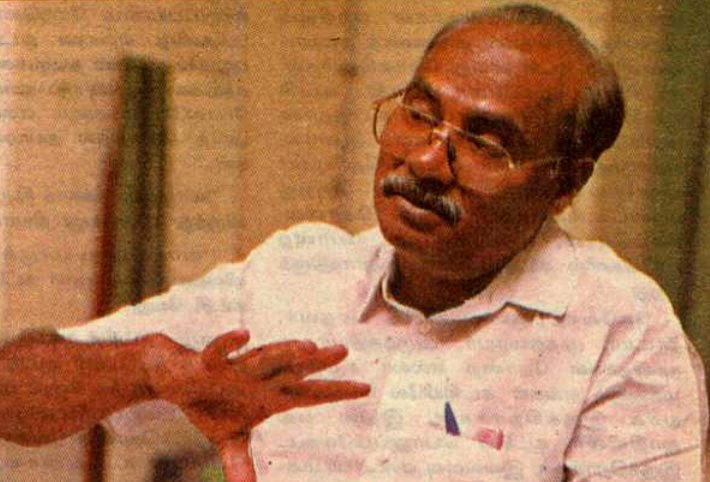
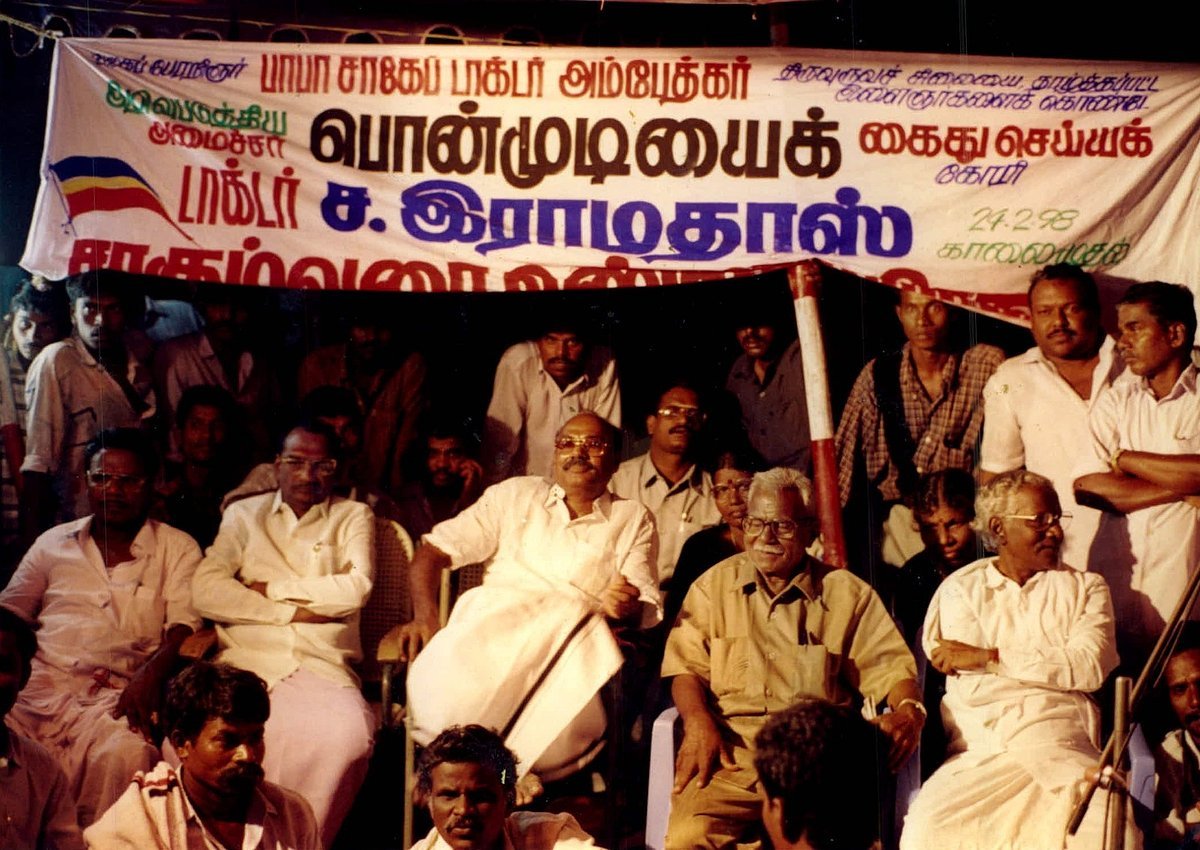
The Vanniyar Sangam was established as a platform to express the long-standing grievances and anger of the Vanniyar community. At that time, the Vanniyars, who were one of the largest marginalized communities in Tamil Nadu, were dissatisfied due to inadequate representation in education, employment, and high government positions. Ramathas, who worked as a doctor, traveled by bicycle to the villages inhabited by Vanniyars, spoke with them, raised awareness about reservation issues, and united them. In 1987, under the then M.G.R.-led AIADMK government, the major reservation agitation led by the Vanniyar Sangam shook the entire northern Tamil Nadu.
National highways were blocked, and protests erupted in many districts. The state government was forced into a situation where it could not ignore this demand. Later, in 1989, the DMK government led by then Chief Minister Karunanidhi created a separate 20 percent reservation within the backward classes reservation specifically for the Most Backward Classes. Through this, a distinct quota was secured for highly backward communities, including the Vanniyars. It was in this context that the Vanniyar Sangam, which had evolved into the Pattali Makkal Katchi, realized that mere protest politics through the Vanniyar Sangam would not create long-term power. Ramadas, in July 1989, ...
He transformed the Vanniyar Sangam into the Pattali Makkal Katchi. With the aim of protecting the rights gained through protests by legislative politics, he made this change. In the early years of the party's formation, Ramadas not only portrayed PMK as a caste-based party but also made efforts to include the working class and marginalized communities within the organization, in line with the name "Pattali Makkal." During that period, some Dalit leaders and leftist activists also joined PMK. These alliances helped present PMK as a social justice movement and a progressive organization with leftist ideology.
A Single Victory and Its Impact
In the 1989 parliamentary elections, when the Pattali Makkal Katchi (PMK) was founded, the party contested in 33 constituencies but did not win in any. Later, in the 1991 legislative assembly elections, although PMK contested in 194 constituencies, it won in only one. The party's candidate in the Panruti constituency, Panruti Ramachandran, secured 39,911 votes and defeated the AIADMK candidate Devasundaram, who received 38,789 votes. The vote difference was just 1,122, but since it was the party's first victory, PMK celebrated it grandly. In that election, because they contested under the elephant symbol,
On the very first day the assembly convened, Ramadas made Panruti Ramachandran, the first winning candidate of PMK, arrive in a grand manner on an elephant. This victory can be said to have paved the way for PMK’s successive wins in subsequent elections and eventually for its inclusion in the central cabinet. It was the moment when a party born out of the Vanniyar movement entered the core of Tamil Nadu politics for the first time. Even though it won only one seat, PMK had secured a significant number of votes in the northern Tamil Nadu districts. On the voting ground of the most marginalized classes, PMK had created a strong impact and had risen as a decisive force determining victories and defeats in various constituencies.
In the post-election analysis articles, political analysts had pointed out that since then, PMK began to emerge as an indispensable party within the Tamil Nadu political alliance, developing itself to the extent that it could demand a significant number of constituencies. In the mid-1990s, with alliances involving Dravidian and national parties, PMK started to demonstrate its influence in coalition politics. In the 1996 parliamentary elections, it won four seats. More importantly, PMK had the ability to consolidate and transfer votes to alliance parties. This is what—
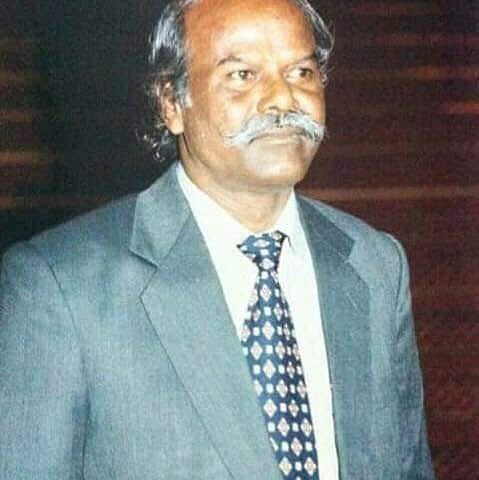
Every election season, the two Dravidian parties, DMK and AIADMK, created a situation where PMK was sought after. The late 1990s and early 2000s marked a turning point for PMK. During this period, PMK emerged as a highly sought-after ally in national coalitions. In 1998 and 1999, PMK joined the National Democratic Alliance led by Vajpayee. It was at this time that the party entered the central cabinet for the first time. This is considered a very important milestone in PMK's history. In the central cabinet under the Vajpayee-led National Democratic Alliance government, PMK representatives like A.K. Moorthy and Dalit Ezhilmalai served as central ministers. This elevation,
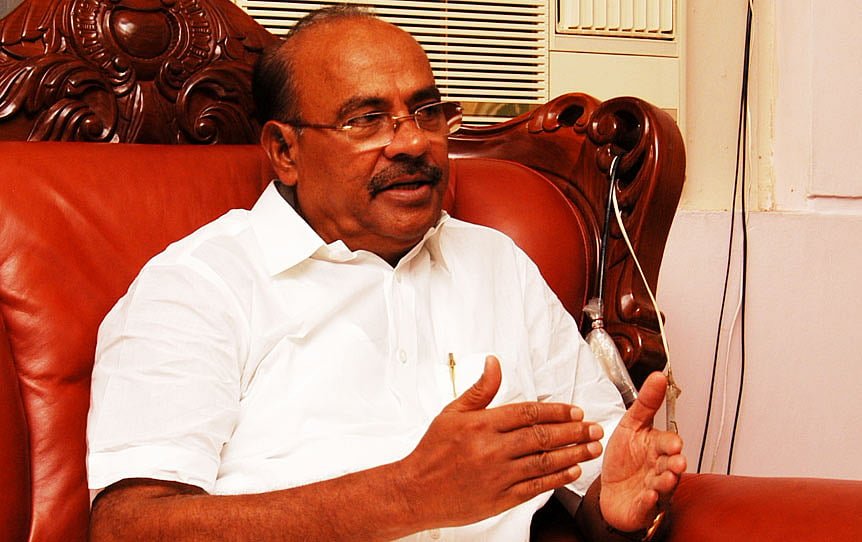
PMK created a new identity in national politics. It proved that it was not just a caste-based regional party, but also a power that could speak at the national level. During that period, due to the coalition politics in the center, the central government needed reliable regional allies. As a result, PMK's influence and ability to speak increased. Subsequently, in the United Progressive Alliance government led by Manmohan Singh from 2004 to 2009, Anbumani served as the Union Minister of Health and Family Welfare. Alongside him, R. Velu served as the Union Minister of State for Railways. By participating in the central government, PMK contributed to rural health, education, and reservation rights.
It had the opportunity to shape policy debates in areas such as social justice. At that time, PMK positioned itself as a disciplined ally that could permanently transfer its vote base to coalition parties while simultaneously obtaining significant ministerial responsibilities. Dalit Ezilmalai 2006–2011: The peak of PMK's political influence. The period from 2006 to 2011 is considered the peak period of PMK's influence in state politics. In the 2006 elections, the DMK led by Karunanidhi won 96 seats and formed the government, and to stabilize that government, the support of coalition parties including the Congress was essential.
In that alliance, the PMK was a very important supporting force. In that election, the party contested in 31 constituencies and won 18 seats, supporting the DMK government from outside. This was a significant advancement in PMK's state political journey. These 18 MLAs were the 'balance of power' determining the stability of the government. To pass bills in the assembly, manage alliance pressures, and face political challenges, the DMK government relied heavily on PMK's support at many stages. As a result, even without being in power, the PMK gained enough influence to achieve what they wanted in various important sectors. This period,
PMK was not only a party with a vote bank but also emerged as a "kingmaker" in state politics. Even after the period when Anbumani and Ramdoss began to decline, the influence of PMK did not last long. Due to various reasons, the party started to decline. Since the party became entirely dependent on the Vanniyar vote bank, it strongly stamped the identity of being a party for a specific caste, which reduced its ability to expand among other communities. Frequent changes in alliances and social stratification issues hindered the party's progress. Especially, the criticisms by Ramdoss against the Scheduled Castes that began in 2012,
Some meetings held to unite intermediate castes also turned into elements against that party. Anbumani, who was a PMK Member of Parliament, either voted in favor of or abstained from voting on some controversial bills introduced by the Modi-led central government that came to power in 2014, which led to severe criticism for not actively participating in those actions. The impact of these was reflected in the subsequent elections. In the 2016 elections, when PMK contested alone, the party did not win a single seat. At the same time,
In that election, the main reason for the DMK's narrow defeat in the northern and northwestern districts was the votes split by PMK. In the 2021 legislative assembly election, PMK, which was part of the AIADMK-led National Democratic Alliance, won 5 seats. In the 2019 and 2024 parliamentary elections, it did not win a single seat. Moreover, the internal party conflict between the party founder Dr. Ramadoss and his son Anbumani has caused a split within PMK, creating confusion among its members. Beyond the criticisms... some allegations against PMK, election defeats,
Although there have been recent setbacks, it cannot be denied that the party brought about some significant changes in Tamil Nadu politics since its first electoral victory in 1991. It gave a political voice to highly marginalized communities, including the Vanniyars, secured reservation through the 1987 agitation, and transformed a fragmented community into a powerful force. In coalition politics, especially, PMK emerged as a new example of how a small party can exert influence both at the state and central levels. Following Anbumani Ramadoss's arrival, opposition to NEET, prohibition, and education reform,
PAMAK spoke emotionally about issues like the environment. In this context, the future of PAMAK lies in its restructuring, its ability to grow widely beyond caste, and its capacity to engage the youth with contemporary new issues. If it does that, the party will revive!
Tanglish
Mudhal kalam 13 Paamagavin mudhal therthal vetri! 1991-l Paataali Makkal Katchi (Paamag) therthal arangil kaaladi eduthu vaithathu. Mudhal therthalil, akkaatchiyin vedpalar Panrutti Raamachandran petra vetri, Paamagavin neenda arasiyal payanathukku eppadi oru valuvana thodakkamaaga amaindhathu, oru siriya katchiyaal eppadi maanilathilum maththiyilum selvakku selutha mudindhathu, vimarsanangalai thaandi arasiyal arangil Paamag saadhithathu enna enbavatraith therindhukollaam... Vanniyargalai ondru thirattiya Raamathaaspataali Makkal Katchiyin kadhai 1991-l thodanguvadhillai. 1980-aam aandukkuch chella vendum. Andha aandil Doctor Raamathaas,
Vanniyar samudhayaththin neendhakaalak kuraigaLaiyum koopaththaiyum veLippaDuthuvaththarkkaana oru thaLamaaga Vanniyar sangaththai uruvaakkinaar. Appodhu, Tamilagaththin migapperiya piRpaduththappatta samoogangalil ondraaga irundha VanniyarkaL, kalvi, velaivaayppu, arasu uyar pathavikaLil pothiya prathinidiththuvam kidaikkavillai endra athirupthiyil irundhanaar. Maruththuvaraaga panipurinthuvandha Raamathaas, VanniyarkaL vasikkum kiraamangkaLukku saikkilil sendru, avargaLidaiye uraiyaattri, ida othukkeedu kuritha vizhippu unarvai erpaduthi, avargaLai ondru thirattinaar. Raamathaas 1987-aam aandu, appodhaiya em.jee.aar thalaimaiyilana AdhimuKa aatchiyil, Vanniyar sangam munneDutha migapperiya othukkeettu poraattam, vada Tamilagaththaiye athira vaiththadhu.
Thesiya nedunchalaigal mudakkappattana, pala maavattangalil porattangal vediththana. Maanila arasu indha koraikkaiyai purakkanikka mudiyadha soozhnilaikku thallappattadhu. Pinnal 1989-aam aandil, appothaiya mudhalamaichar Karunanidhi thalaimaiyilana DMK arasu, pirpaduththappattor idothukkeettirkul thaniya 20 vizhukkaadu mikavum pirpaduththappattor ida othukkeettai uruvaakkiyadhu. Idhan moolam, Vanniyar ulliththa mikavum pirpaduththappatta samugangalukku thani idam urudhi seyyappattadhu. Paattali makkal katchiyaga uruvadutha Vanniyar sangam indha nilaiyilthaan, Vanniyar sangaththin moolamana verum poratta arasiyal neendhakaala adhikaarathai uruvaakiththaraadhu enbadha unarntha Ramathaas, 1989 -aam aandu July maadham,
Vanniyar sangaththai paattaali makkaL katchiyaa maattrinaar. Pooraattaththil kidaitha urimaigaLai sattamanRa arasiyaLaaL paadhugaakka veendum enkiRa nokkaththileye, avar inda maattraththinai maerkondaar. Katchith thodangiya aarambha aandugaLil, paamaka thannai oru saadhi adaiyaLham koNda katchiyaa magum kaattamaal, 'paattaali makkaL’ enkiRa peyarukku eerpa, thozhilaLaar varkkaththinaraiyum, nalintha pirivu makkaLaiyum thanadhu amaippukkul koNduvaruvaththarkkaana muyarchchigaLaiyum maerkondaar Raamathaas. Andha kattaththilthaan, sila thalith thalaivargaLum, idathusaari seyarpaattaargaLum paamakavudan iNainthanaar. Indha iNaippugaL paamakavai oru samuga neethi iyakkamaagavum, idathusaari sindhanai koNda muRpoakku amaippaagavum kaatta udhavina.
Ore oru vetriyum adhan thaakkamum 1991 theerthalpaattaali makkal katchi thodangappatta 1989-aam aandil nadandha naadhaalumandra theerthalisil, paamaka 33 thogudigalil pottiyittaalum, entha oru thogudiyilum vetri peravillai. Adhanpinnar 1991 sattapperavai theerthalisil, paamaka 194 thogudigalil pottiyittapothilum, vetri petradhu ore oru thogudiyil mattume. Panrutti thogudiyil pottiyitta akkachiyin vedpalar Panrutti Ramachandran, 39,911 vaakkugal petru Adimuka vedpalar Devasundarathai veezhthinaar. Devasundarathukku 38,789 vaakkugal kidaiththana. Vaakkugal viththiyaasam 1,122 thaan endraalum, katchikku mudhal vetri enbadhaal, adhai paamaka piramaandamaaga kondaadidhu. Andha theerthalisil Yaanai Chinnaththil pottiyittadhaal,
Paamagavin mudhal vetri vedpaalaraana Panrutti Raamachandranai, sattamanram koodiya mudhal naalanru, yaanaial amara vaiththu azhaiththuvara seydhaar Raamathaas. Indha vetri thaan, aduthadutha therthalgalil Paamagukku thodar vetriyaikkoduthu, pirkaalathil madhthiya amaicharavaiyil idamperuvadharkum viththittadhu enlaam. Vanniyar iyakkathilirundhu pirandha oru katchi, mudhanmuraaga Tamilnaattu arasiya lin maiyap pagudhiil nuzhaindha tharunam adhu. Ore oru idam venrindraalum, vadathamilaga maavatta ngalil Paamaga kavanikkaththakka alavilaana vaakkugalai pettrindhadhu. Migavum pirpaduththappatta vaguppinarin vaakku thalathil, Paamaga valuvaana thaakkaththai erpaduthi iruppadhagavum, palveru thogudigalil vetri tholviya theermaanikku sakthiyaaga uyarndhiruppadhagavum,
Therthalukkup pinnar veliyana therthal mudivugal kuritha pakuppaayvu katturaigalil arasiya thiranaayvaalarhal kurippittirundhanar. Appothirundhe Paamak, Tamilnaattu arasiya kootaniyil oru thavirka mudiyadha, serththukollappada vendaia katchiyaga uruvadukkath thodanggi, ithanai thogudigal vendum enap peram pesakkudiya alavukku thanai valarththukkondadhu. Raamathaastravidha, thesiya katchigaludan kootani 1990-kalin maththiyil, kootani ariyasiyalil Paamak thanadhu selvakkai velippaduththath thodangiyadhu. 1996 sattapperavai therthalil naangu idangalai vendradhu. Adhaivida mukkiyamanadhu — kootani katchigalukku vaakkugalai orunginaiththu maatrum thiran Paamakukku irundhadhu. Iduvae,
Therthal varumpodhellam DMK matrum ADMK agiya irandu thiraivida katchigalum PAMAK-vai naadum nilaiyai uruvaakkiyadhu. 1990-kalin irudiyum 2000-kalin thodakkamum PAMAK-ukku thiruppumunai kaalamaaga amaindhathu. Idhe kaalagattathil, thesiya kootanikalil mikavum thedapadum kootaliyaga PAMAK uruv-eduthadhu. 1998 matrum 1999-l, Vajpayee thalaimayilana thesiya jananayaga kootaniyil PAMAK inaindhathu. Indha samayaththilthaan andhak katchi, mudhanmuraiyaga madhthiya amaicharavayil idamperrathadhu. PAMAK varalatrileyye miga mukkiyamaan kattamaaga idhu karudhapadugiradhu. Madhthiya amaicharavayil PAMAK-Vajpayee thalaimayilana thesiya jananayaga kootani aatchiyil, PAMAK saarbil A.K. Moorthy, Dalith Ezhilmalai pondravar madhthiya amaicharaga paniyaatrinar. Indha uyarvu,
Paamagukku thesiya arasiyalil puthiya adaiyaalathai uruvaakkiyadhu. Adhu oru saathi adipadai yilaana praanthiyak katchiyaaga mattume illai, thesiya alavil pesappadum sakthi endrum niroobithadhu. Appothaiya kaalagattathil, maththiyil koottani arasiyal kolocchiyadhaal, maththiya arasukku nambakamaan praanthiya koottaligal thevaippattana. Idhanaal, Paamaga-vin peram pesum thiranum uyarnthadhu. Adhuthu, 2004 mudhal 2009 varaiyilana Manmohan Singh thalaimaiyilana aikkiya murpookku koottani arasil, Anbumani maththiya sugaathara matrum kudumba nalaththurai amaicharaga irundhaar. Avanudan R. Velu, maththiya rayilve thurai inai amaicharaga paniyaatrinaar. Maththiya aatchiyil pangukondadhaal Paamag, graamappura sugaadhaar, kalvi, idothukkeettu urimaigal,
Samooka neethi pondra thuraigalil kolkai vivathangalai vadivamaikkum vaayppai pettrathu. Than vaakkutthalathai, nilaiyaga koottani katchigalukku maatrrik kodukkakoodiya, adheshamayam kurippidaththakka amaichchagap poruppugalai perakkoodiya ozhungumurai koottali ena thannai andha kaalaththil paamaga nilai niruththik kondadhu. Dalith ezhilmalai 2006–2011: Paamagavin uchcha arasiyal selvakku 2006 muthal 2011 varaiyilana kaalagattam, maanila arasiyalil paamagavukku miga adhigamana selvakkaip petra uchchagatta kaalamaaga paarkkappadugiradhu. 2006 theerththil Karunanidhi thalaimaiyilana DMK 96 idangalil vetri petru aatchiyamaitha nilaiyil, andha aatchiyai nilai niruththa Congress ullitha koottani katchigal in aadharavu avasiyamanadha irundhadhu.
Andha koottaniyil miga mukkiyamaan thunai sakthiyaaga irundhathu Paamak. Andha theerdhalsil katchi 31 thogudigalil pottiyittu 18 idangalai venra Paamak, DMK arasai veliyil irundhu aadhariththathu. Ithu Paamakavin maanila arasiyal payanathil oru periya munnaetramaga amaindhathu. Indha 18 MLA-kale arasiyin nilaiththanmaiyai nirnayikkum `Balance of Power' aaga irundhanar. Sattamanraththil masoththakhalai niraiyaetruvadharkum, koottani azhuththangalai samaalippadharkum, arasiyal savaalgalaik edhirkolvadharkum pala kattangalilum DMK arasu, Paamakavin aadharavai nambiye irundhathu. Idhanaal, aatchiyil idamperraavittalum, palveru mukkiya thuraigalil Paamakavinar ninaiththathai saadhiththuk kollum alavukku selvakkudan valam vandhanar. Indha kaalam,
Paamagavai oru vaakkutthalam konda katchiyaga mattum alladhu, maanila arasiyalil “King Maker” aagavum kaattiyadhu. Anbumani, Raamathaascharivu thodangiya kaalam ithakaiya vettrigalukku piragum, Paamagavin selvakku neenda kaalaththukku needikkavillai. Palveru kaaranangalal, akkatchikku sarivu thodangiyadhu. Katchi muzhuvadhumaga Vanniyar vaakkutthalaththai saarnthuvittadhaal, kuripitta saadhikkaana katchi enra muththirai azhuththamaaga pathindhu, ithara samugangalil virivadayum thiran kuraindhathu. Adikkadi maariya kootanigal, samugappadinilaich chikkalgal aagiyavai katchiyin munnaetraththaik kuraiththana. Kuripaga 2012 l thodangiya, pattiya lina makkalukku ethiraan Raamathaasin vimarsanangal,
Idainilai saathigalai orunginaiththu nadaththiya sila koottangal pondravaiyum akkaṭchikku ethiraan amsangalil onraaga maarippoiyina. Paamagavin maanilangalavai M.P.-yaaga irundha Anbumani, 2014-l aatchikku vandha Modi thalaimaiyilana maththiya arasu konduvantha sila sarchchaikkuriya masoththakkal vetri perum vagaiyil aadharavaaga vaagkaliththadhu alladhu vaagkalikkamal velinadappu seythadhu, avai nadavadikkaigalil adhigam pangekkaadhadhu pondravai kadum vimarsanaththukku ullaggin. Ivatrin thaakkam, aduththaduthu vandha therththalgalil ethiroliththana. 2016 therththalil Paamaga thaniththu pottiyitta nilaiyil, oru idamum akkaṭchikku kidaikkavillai. Adhe samayam,
Andhath therththilil DMK-ukku vadakku matrum vadamaerku maavattangalil miga kuraindha vaakkugal viththiyaasaththil erpatta tholvikku, PAMAKa piritha vaakkugale mukkiya kaaranamaaga amaindhathu. 2021 aam aandu nadandha sattamanra therththilil, ADMK thalaimaiyilana thesiya jananaayaga koottaniyil idamperra PAMAK-ukku 5 idangal kidaiththana. 2019 matrum 2024 naadhaalumanra therththalkalilum oru idam kooda kidaikkavillai. Ivatrukkellaam melaga, katchiyin niruvanar Doctor Ramadas matrum avarin magan Anbumani agiyorkkidayeyana ulkatchi modhalaal PAMAK-il erpatthulla pilavu, akkaatchiyinaridaye kalakkaththai erpaduthi ulladhu. Vimarshanangalukku appaal... PAMAK meedhana sila kutrasaarrugal, therthal tholvikal,
Sameepaththiya pinnadaivugal pondravai orupakkam irundhaalum, 1991 therththalsil petra mudhal therthal vetriyilirundhu akkaatchi Tamilaga arasiya lil sila mukkiya maatrrangalai erpaduththiyadhu enbadha marukka mudiyadhu. Vanniyar ulliththa mikavum pirpaduththappatta samoogangalukkaaga arasiya thalaththil kural koduththadhu, 1987-l nadaththiya poraattam moolam ida oththukkeedu petradhadhu, chitharik kidandha samoogaththai oru sakthiyaaga maattriyadhu pondra migap periya pangalippaiyum seidhu ulladhu. KoottaNi arasiya lil, kuripaga oru siriya katchi eppadi maanilaththilum maththiyilum selvakku selutha mudiyum enbadhrukku Paama ka puthiya thoru udhaaranamaaga thigazhndhadhu. Anbumani Raamathaas varugaikkup pin NEET ethirppu, madhu ozhippu, kalvi seerthiruththam,
Sutrussoozhal ponra prachanaigalai Paamaga urakka pesiyathu. Indha nilaiyil, Paamagavin ethirkaalam, adhan maruseeramaippilum, saathiyai thaandi paravalaaga valarum thiranilum, samakaala puthiya prachanaigalai ilaignargalidam kondu serkkum thiranilume ulladhu. Adhaich seydhaal, akkatchi meendhezhum!
Tamil
1991-ல் பாட்டாளி மக்கள் கட்சி (பாமக) தேர்தல் அரங்கில் காலடி எடுத்து வைத்தது. முதல் தேர்தலில், அக்கட்சியின் வேட்பாளர் பண்ருட்டி ராமச்சந்திரன் பெற்ற வெற்றி, பாமகவின் நீண்ட அரசியல் பயணத்துக்கு எப்படி ஒரு வலுவான தொடக்கமாக அமைந்தது, ஒரு சிறிய கட்சியால் எப்படி மாநிலத்திலும் மத்தியிலும் செல்வாக்கு செலுத்த முடிந்தது, விமர்சனங்களைத் தாண்டி அரசியல் அரங்கில் பாமக சாதித்தது என்ன என்பவற்றைத் தெரிந்துகொள்ள 1980-ஆம் ஆண்டுகளிலிருந்து பயணிக்கலாம்…
வன்னியர்களை ஒன்று திரட்டிய ராமதாஸ்
பட்டாளி மக்கள் கட்சியின் கதை 1991-ல் தொடங்குவதில்லை. 1980-ஆம் ஆண்டுக்குச் செல்ல வேண்டும். அந்த ஆண்டில் டாக்டர் ராமதாஸ், வன்னியர் சமுதாயத்தின் நீண்டகாலக் குறைகளையும் கோபத்தையும் வெளிப்படுத்துவதற்கான ஒரு தளமாக வன்னியர் சங்கத்தை உருவாக்கினார்.
அப்போது, தமிழகத்தின் மிகப்பெரிய பிற்படுத்தப்பட்ட சமூகங்களில் ஒன்றாக இருந்த வன்னியர்கள், கல்வி, வேலைவாய்ப்பு, அரசு உயர் பதவிகளில் போதிய பிரதிநிதித்துவம் கிடைக்கவில்லை என்ற அதிருப்தியில் இருந்தனர். மருத்துவராக பணிபுரிந்துவந்த ராமதாஸ், வன்னியர்கள் வசிக்கும் கிராமங்களுக்கு சைக்கிளில் சென்று, அவர்களிடையே உரையாற்றி, இட ஒதுக்கீடு குறித்த விழிப்பு உணர்வை ஏற்படுத்தி, அவர்களை ஒன்று திரட்டினார்.
1987-ஆம் ஆண்டு, அப்போதைய எம்.ஜி.ஆர் தலைமையிலான அதிமுக ஆட்சியில், வன்னியர் சங்கம் முன்னெடுத்த மிகப்பெரிய ஒதுக்கீட்டு போராட்டம், வட தமிழகத்தையே அதிர வைத்தது. தேசிய நெடுஞ்சாலைகள் முடக்கப்பட்டன, பல மாவட்டங்களில் போராட்டங்கள் வெடித்தன. மாநில அரசு இந்தக் கோரிக்கையை புறக்கணிக்க முடியாத சூழ்நிலைக்கு தள்ளப்பட்டது. பின்னர் 1989-ஆம் ஆண்டில், அப்போதைய முதலமைச்சர் கருணாநிதி தலைமையிலான திமுக அரசு, பிற்படுத்தப்பட்டோர் இடஒதுக்கீட்டிற்குள் தனியாக 20 விழுக்காடு மிகவும் பிற்படுத்தப்பட்டோர் இட ஒதுக்கீட்டை உருவாக்கியது. இதன் மூலம், வன்னியர் உள்ளிட்ட மிகவும் பிற்படுத்தப்பட்ட சமூகங்களுக்கு தனி இடம் உறுதி செய்யப்பட்டது.
இந்த நிலையில்தான், வன்னியர் சங்கத்தின் மூலமான வெறும் போராட்ட அரசியல் நீண்டகால அதிகாரத்தை உருவாக்கித்தராது என்பதை உணர்ந்த ராமதாஸ், 1989 -ஆம் ஆண்டு ஜூலை மாதம், வன்னியர் சங்கத்தை பாட்டாளி மக்கள் கட்சியாக மாற்றினார். போராட்டத்தில் கிடைத்த உரிமைகளை சட்டமன்ற அரசியலால் பாதுகாக்க வேண்டும் என்கிற நோக்கத்திலேயே, அவர் இந்த மாற்றத்தினை மேற்கொண்டார்.
கட்சித் தொடங்கிய ஆரம்ப ஆண்டுகளில், பாமக தன்னை ஒரு சாதி அடையாளம் கொண்ட கட்சியாக மட்டும் காட்டாமல், ‘பாட்டாளி மக்கள்’ என்கிற பெயருக்கு ஏற்ப, தொழிலாளர் வர்க்கத்தினரையும், நலிந்த பிரிவு மக்களையும் தனது அமைப்புக்குள் கொண்டுவருவதற்கான முயற்சிகளையும் மேற்கொண்டார் ராமதாஸ். அந்த கட்டத்தில்தான், சில தலித் தலைவர்களும், இடதுசாரி செயற்பாட்டாளர்களும் பாமகவுடன் இணைந்தனர். இந்த இணைப்புகள் பாமகவை ஒரு சமூக நீதி இயக்கமாகவும், இடதுசாரி சிந்தனை கொண்ட முற்போக்கு அமைப்பாகவும் காட்ட உதவின.
பாட்டாளி மக்கள் கட்சி தொடங்கப்பட்ட 1989-ஆம் ஆண்டில் நடைபெற்ற நாடாளுமன்ற தேர்தலில், பாமக 33 தொகுதிகளில் போட்டியிட்டாலும், எந்த ஒரு தொகுதியிலும் வெற்றிபெறவில்லை. அதன்பின்னர் 1991 சட்டப்பேரவை தேர்தலில், பாமக 194 தொகுதிகளில் போட்டியிட்டபோதிலும், வெற்றி பெற்றது ஒரே ஒரு தொகுதியில் மட்டுமே.
பண்ருட்டி தொகுதியில் போட்டியிட்ட அக்கட்சியின் வேட்பாளர் பண்ருட்டி ராமச்சந்திரன், 39,911 வாக்குகள் பெற்று அதிமுக வேட்பாளர் தேவசுந்தரத்தை வீழ்த்தினார். தேவசுந்தரத்துக்கு 38,789 வாக்குகள் கிடைத்தன. வாக்குகள் வித்தியாசம் 1,122 தான் என்றாலும், கட்சிக்கு முதல் வெற்றி என்பதால், அதை பாமக பிரமாண்டமாக கொண்டாடியது.
அந்தத் தேர்தலில் யானை சின்னத்தில் போட்டியிட்டதால், பாமகவின் முதல் வெற்றி வேட்பாளரான பண்ருட்டி ராமச்சந்திரனை, சட்டமன்றம் கூடிய முதல் நாளன்று, யானையில் அமரவைத்து அழைத்துவரச் செய்தார் ராமதாஸ். இந்த வெற்றிதான், அடுத்தடுத்த தேர்தல்களில் பாமகவுக்கு தொடர் வெற்றியைக்கொடுத்து, பிற்காலத்தில் மத்திய அமைச்சரவையில் இடம்பெறுவதற்கும் வித்திட்டது எனலாம். வன்னியர் இயக்கத்திலிருந்து பிறந்த ஒரு கட்சி, முதன்முறையாக தமிழ்நாட்டு அரசியலின் மையப் பகுதியில் நுழைந்த தருணம் அது.
ஒரே ஒரு இடம் வென்றிருந்தாலும், வடதமிழக மாவட்டங்களில் பாமக கவனிக்கத்தக்க அளவிலான வாக்குகளைப் பெற்றிருந்தது. மிகவும் பிற்படுத்தப்பட்ட வகுப்பினரின் வாக்கு தளத்தில், பாமக வலுவான தாக்கத்தை ஏற்படுத்தி இருப்பதாகவும், பல்வேறு தொகுதிகளில் வெற்றி தோல்வியை தீர்மானிக்கும் சக்தியாக உயர்ந்திருப்பதாகவும், தேர்தலுக்குப் பின்னர் வெளியான தேர்தல் முடிவுகள் குறித்த பகுப்பாய்வு கட்டுரைகளில் அரசியல் திறனாய்வாளர்கள் குறிப்பிட்டிருந்தனர். அப்போதிருந்தே பாமக, தமிழ்நாட்டு அரசியல் கூட்டணியில் ஒரு தவிர்க்க முடியாத, சேர்த்துக்கொள்ளப்பட வேண்டிய கட்சியாக உருவெடுக்கத் தொடங்கி, இத்தனை தொகுதிகள் வேண்டும் எனப் பேரம் பேசக்கூடிய அளவுக்கு தன்னை வளர்த்துக்கொண்டது.
1990-களின் மத்தியில், கூட்டணி அரசியலில் பாமக தனது செல்வாக்கை வெளிப்படுத்தத் தொடங்கியது. 1996 சட்டப்பேரவை தேர்தலில் நான்கு இடங்களை வென்றது. அதைவிட முக்கியமானது — கூட்டணி கட்சிகளுக்கு வாக்குகளை ஒருங்கிணைத்து மாற்றும் திறன் பாமகவுக்கு இருந்தது. இதுவே, தேர்தல் வரும்போதெல்லாம் திமுக மற்றும் அதிமுக ஆகிய இரண்டு திராவிட கட்சிகளும் பாமக-வை நாடும் நிலையை உருவாக்கியது.1990-களின் இறுதியும் 2000-களின் தொடக்கமும் பாமகவுக்கு திருப்புமுனை காலமாக அமைந்தது. இதே காலகட்டத்தில், தேசிய கூட்டணிகளில் மிகவும் தேடப்படும் கூட்டாளியாக பாமக உருவெடுத்தது. 1998 மற்றும் 1999-ல், வாஜ்பாய் தலைமையிலான தேசிய ஜனநாயக கூட்டணியில் பாமக இணைந்தது. இந்த சமயத்தில்தான் அந்தக் கட்சி, முதன்முறையாக மத்திய அமைச்சரவையில் இடம்பெற்றது. பாமக வரலாற்றிலேயே மிக முக்கியமான கட்டமாக இது கருதப்படுகிறது.
வாஜ்பாய் தலைமையிலான தேசிய ஜனநாயக கூட்டணி ஆட்சியில், பாமக சார்பில் ஏ.கே. மூர்த்தி, தலித் எழில்மலை போன்றவர்கள் மத்திய அமைச்சராக பணியாற்றினர். இந்த உயர்வு, பாமகவுக்கு தேசிய அரசியலில் புதிய அடையாளத்தை உருவாக்கியது. அது ஒரு சாதி அடிப்படையிலான பிராந்தியக் கட்சியாக மட்டுமே இல்லை, தேசிய அளவில் பேசப்படும் சக்தி என்றும் நிரூபித்தது. அப்போதைய காலகட்டத்தில், மத்தியில் கூட்டணி அரசியல் கோலோச்சியதால், மத்திய அரசுக்கு நம்பகமான பிராந்திய கூட்டாளிகள் தேவைப்பட்டன. இதனால்,பாமக-வின் பேரம் பேசும் திறனும் உயர்ந்தது.
அடுத்து, 2004 முதல் 2009 வரையிலான மன்மோகன் சிங் தலைமையிலான ஐக்கிய முற்போக்கு கூட்டணி அரசில், அன்புமணி மத்திய சுகாதார மற்றும் குடும்ப நலத்துறை அமைச்சராக இருந்தார். அவருடன் ஆர். வேலு, மத்திய ரயில்வே துறை இணை அமைச்சராக பணியாற்றினார்.
மத்திய ஆட்சியில் பங்குகொண்டதால் பாமக, கிராமப்புற சுகாதாரம், கல்வி, இடஒதுக்கீட்டு உரிமைகள், சமூக நீதி போன்ற துறைகளில் கொள்கை விவாதங்களை வடிவமைக்கும் வாய்ப்பைப் பெற்றது. தன் வாக்குத்தளத்தை, நிலையாக கூட்டணி கட்சிகளுக்கு மாற்றிக் கொடுக்கக்கூடிய, அதேசமயம் குறிப்பிடத்தக்க அமைச்சகப் பொறுப்புகளை பெறக்கூடிய ஒழுங்குமுறை கூட்டாளி என தன்னை அந்த காலத்தில் பாமக நிலைநிறுத்திக் கொண்டது.
2006–2011: பாமகவின் உச்ச அரசியல் செல்வாக்கு
2006 முதல் 2011 வரையிலான காலகட்டம், மாநில அரசியலில் பாமகவுக்கு மிக அதிகமான செல்வாக்கைப் பெற்ற உச்சகட்ட காலமாகப் பார்க்கப்படுகிறது. 2006 தேர்தலில் கருணாநிதி தலைமையிலான திமுக 96 இடங்களில் வெற்றிபெற்று ஆட்சியமைத்த நிலையில், அந்த ஆட்சியை நிலைநிறுத்த காங்கிரஸ் உள்ளிட்ட கூட்டணி கட்சிகளின் ஆதரவு அவசியமானதாக இருந்தது. அந்த கூட்டணியில் மிக முக்கியமான துணை சக்தியாக இருந்தது பாமக. அந்தத் தேர்தலில் கட்சி 31 தொகுதிகளில் போட்டியிட்டு 18 இடங்களை வென்ற பாமக, திமுக அரசை வெளியில் இருந்து ஆதரித்தது. இது பாமகவின் மாநில அரசியல் பயணத்தில் ஒரு பெரிய முன்னேற்றமாக அமைந்தது.
இந்த 18 எம்.எல்.ஏ-க்களே அரசின் நிலைத்தன்மையை நிர்ணயிக்கும் `பேலன்ஸ் ஆஃப் பவர்’ ஆக இருந்தனர். சட்டமன்றத்தில் மசோதாக்களை நிறைவேற்றுவதறகும், கூட்டணி அழுத்தங்களை சமாளிப்பதற்கும், அரசியல் சவால்களை எதிர்கொள்வதற்கும் பல கட்டங்களிலும் திமுக அரசு, பாமகவின் ஆதரவை நம்பியே இருந்தது. இதனால், ஆட்சியில் இடம்பெறாவிட்டாலும், பல்வேறு முக்கிய துறைகளில் பாமகவினர் நினைத்ததை சாதித்துக்கொள்ளும் அளவுக்கு செல்வாக்குடன் வலம் வந்தனர். இந்த காலம், பாமகவை ஒரு வாக்குத்தளம் கொண்ட கட்சியாக மட்டும் அல்லாது, மாநில அரசியலில் “கிங் மேக்கர்” ஆகவும் காட்டியது.
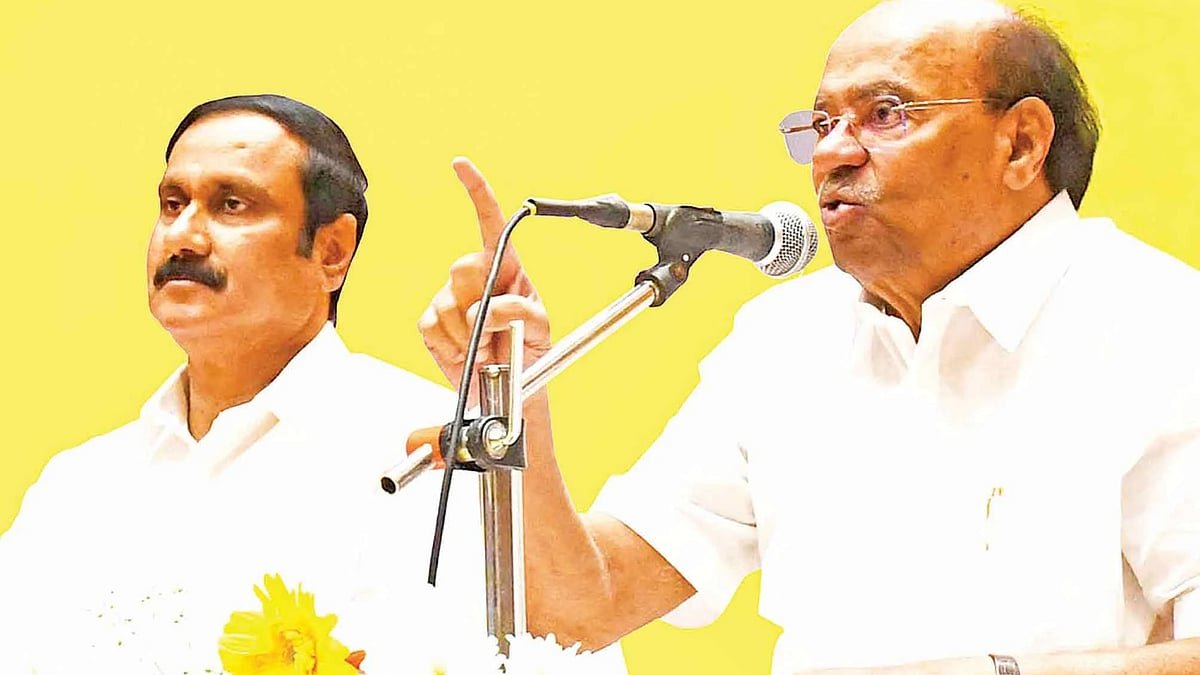
இத்தகைய வெற்றிகளுக்குப் பிறகும், பாமகவின் செல்வாக்கு நீண்ட காலத்துக்கு நீடிக்கவில்லை. பல்வேறு காரணங்களால், அக்கட்சிக்கு சரிவு தொடங்கியது. கட்சி முழுமையாக வன்னியர் வாக்குத்தளத்தைச் சார்ந்துவிட்டதால், குறிப்பிட்ட சாதிக்கான கட்சி என்கிற முத்திரை அழுத்தமாக பதிந்து, இதர சமூகங்களில் விரிவடையும் திறன் குறைந்தது. அடிக்கடி மாறிய கூட்டணிகள், சமூகப்படிநிலைச் சிக்கல்கள் ஆகியவை கட்சியின் முன்னேற்றத்தைக் குறைத்தன. குறிப்பாக 2012 ல் தொடங்கிய, பட்டியலின மக்களுக்கு எதிரான ராமதாஸின் விமர்சனங்கள், இடைநிலை சாதிகளை ஒருங்கிணைத்து நடத்திய சில கூட்டங்கள் போன்றவையும் அக்கட்சிக்கு எதிரான அம்சங்களில் ஒன்றாக மாறிப்போயின.
பாமகவின் மாநிலங்களவை எம்.பி-யாக இருந்த அன்புமணி, 2014-ல் ஆட்சிக்கு வந்த மோடி தலைமையிலான மத்திய அரசு கொண்டுவந்த சில சர்ச்சைக்குரிய மசோதாக்கள் வெற்றி பெறும் வகையில் ஆதரவாக வாக்களித்தது அல்லது வாக்களிக்காமல் வெளிநடப்பு செய்தது, அவை நடவடிக்கைகளில் அதிகம் பங்கேற்காதது போன்றவை கடும் விமர்சனத்துக்கு உள்ளாகின. இவற்றின் தாக்கம், அடுத்தடுத்து வந்த தேர்தல்களில் எதிரொலித்தன.
2016 தேர்தலில் பாமக தனித்துப் போட்டியிட்ட நிலையில், ஒரு இடமும் அகட்சிக்கு கிடைக்கவில்லை. அதே சமயம், அந்தத் தேர்தலில் திமுகவுக்கு வடக்கு மற்றும் வடமேற்கு மாவட்டங்களில் மிக குறைந்த வாக்குகள் வித்தியாசத்தில் ஏற்பட்ட தோல்விக்கு, பாமக பிரித்த வாக்குகளே முக்கிய காரணமாக அமைந்தது. 2021 ஆம் ஆண்டு நடந்த சட்டமன்ற தேர்தலில், அதிமுக தலைமையிலான தேசிய ஜனநாயக கூட்டணியில் இடம்பெற்ற பாமகவுக்கு 5 இடங்கள் கிடைத்தன. 2019 மற்றும் 2024 நாடாளுமன்ற தேர்தல்களிலும் ஒரு இடம் கூட கிடைக்கவில்லை.
இவற்றுக்கெல்லாம் மேலாக, கட்சியின் நிறுவனர் டாக்டர் ராமதாஸ் மற்றும் அவரின் மகன் அன்புமணி ஆகியோருக்கிடையேயான உள்கட்சி மோதலால் பாமகவில் ஏற்பட்டுள்ள பிளவு, அக்கட்சியினரிடையே கலக்கத்தை ஏற்படுத்தி உள்ளது.
விமர்சனங்களுக்கு அப்பால்…
பாமக மீதான சில குற்றச்சாற்றுகள், தேர்தல் தோல்விகள், சமீபத்திய பின்னடைவுகள் போன்றவை ஒருபக்கம் இருந்தாலும், 1991 தேர்தலில் பெற்ற முதல் தேர்தல் வெற்றியிலிருந்து அக்கட்சி தமிழக அரசியலில் சில முக்கிய மாற்றங்களை ஏற்படுத்தியது என்பதை மறுக்க முடியாது. வன்னியர் உள்ளிட்ட மிகவும் பிற்படுத்தப்பட்ட சமூகங்களுக்காக அரசியல் தளத்தில் குரல் கொடுத்தது, 1987-ல் நடத்திய போராட்டம் மூலம் இட ஒதுக்கீடு பெற்றது, சிதறிக் கிடந்த சமூகத்தை ஒரு சக்தியாக மாற்றியது போன்ற மிகப் பெரிய பங்களிப்பையும் செய்துள்ளது. கூட்டணி அரசியலில், குறிப்பாக ஒரு சிறிய கட்சி எப்படி மாநிலத்திலும் மத்தியிலும் செல்வாக்கு செலுத்த முடியும் என்பதற்கு பாமக புதியதொரு உதாரணமாக திகழ்ந்தது. அன்புமணி ராமதாஸ் வருகைக்குப் பின் நீட் எதிர்ப்பு, மது ஒழிப்பு, கல்வி சீர்திருத்தம், சுற்றுச்சூழல் போன்ற பிரச்னைகளை பாமக உரக்க பேசியது.
இந்த நிலையில், பாமகவின் எதிர்காலம், அதன் மறுசீரமைப்பிலும், சாதியைத் தாண்டி பரவலாக வளரும் திறனிலும், சமகால புதிய பிரச்னைகளை இளைஞர்களிடம் கொண்டு சேர்க்கும் திறனிலுமே உள்ளது. அதைச் செய்தால், அக்கட்சி மீண்டெழும்!
மூலதளம்: India News
Click the link above to read the full article on the original website.