English
The legislative assembly election festival has begun in Tamil Nadu. Lengthy negotiations and constituency-sharing disputes among political parties have come to a conclusion, and candidate lists are being released rapidly. We have noticed that when parties refer to a particular constituency, they categorize it as either a 'reserved constituency' or a 'general constituency.' But what exactly does 'reserved constituency' mean? How does it differ from a 'general constituency'? A reserved constituency is one that is set aside exclusively for candidates from Scheduled Castes (SC) and Scheduled Tribes (ST) during legislative assembly, parliamentary, or local body elections.
Only those belonging to this category can contest in these constituencies; others cannot. However, all communities can vote. This system was introduced with the aim of giving importance to Scheduled Castes and Scheduled Tribes. In this, 44 seats are allocated to Scheduled Castes and 2 seats to Scheduled Tribes. Just as 46 seats are reserved in the Tamil Nadu Legislative Assembly elections, similarly, 7 seats are reserved for separate constituencies in the Parliamentary elections. In Tamil Nadu Legislative Assembly elections, a general constituency is one where any eligible Indian citizen, regardless of caste or religion, can contest as a candidate.
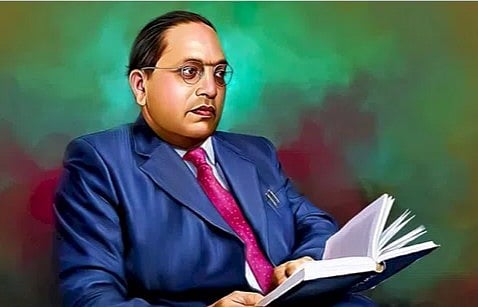
Here, both voters and candidates will include people from all communities. How was the single constituency formed? Before independence, when the British were ruling, the British government gave the opportunity in 1919 for Indians to participate in the administration of India. During that period, voting rights were given only to property owners. Later, Ambedkar protested that the affected Scheduled Castes should be given 'class-based representation.' Accordingly, in 1932, due to Dr. Ambedkar's protest, an order for class-based representation was issued.
Ambedkar's Dual Member System
The first election of independent India was held in 1952. In that election, as well as in the 1957 general election, there was a dual member system. That is, two MLAs were elected from certain constituencies. One of them belonged to the general category, and the other belonged to the Scheduled Castes. Later, in 1962, this dual member system was changed so that certain constituencies were reserved only for Scheduled Castes and Scheduled Tribes. For Scheduled Castes, 44 seats, and for Scheduled Tribes, 2 seats were allocated in each state. The boundaries of these reserved constituencies were determined based on the population of Scheduled Castes and Scheduled Tribes in each state.
Constituencies where Scheduled Castes and Scheduled Tribes are likely to be in the majority are notified on a rotational basis. This rotation system changes every 10 years for the Tamil Nadu Legislative Assembly elections. Accordingly, the Government of India has reserved 44 seats for Scheduled Castes and 2 seats for Scheduled Tribes in Tamil Nadu.
Tanglish
Tamizhagathil sattamanrath therthal thiruvizha kalaikattath thodangivittathu. Arasiyal katchigalukku idaiyilana neenda pechuvarththaigal, thogudhip pangeedu izhuparigal oruvazhiyaga mudivukku vandhu, vedpalaar pattiyalgalum athiradiyaga veliyagik kondirukkindrana. Ithil katchigal oru kuripitta thogudiyai kurippidumpodhu, 'thaniththogudi', 'podhuththogudi' endru vagai paduthappaduvadhai naam kavanithiruppom. Unmaiyil 'thaniththogudi' endraal enna? Adhu 'podhuththogudiyilirundhu' eppadi verupadugiradhu? Thaniththogudi sattamanra, paaralumanra, ullatchi therthal nadakkumpodhu pattiyalin (SC) matrum pazhangudiyin (ST) makkal mattum pottiyiduvadharkaga othukkappadum thogudithaan thaniththogudi.
Iththogudhigalil intha vaguppinarais saarnthavargal mattume pottiyida mudiyum, matravargal pottiyida mudiyadhu. Aanaal anaiththu tharappinarum vaagkalikka mudiyum. Pattiyalina, pazhangudiyina makkalukku mukkiyaththuvam kodukkappadhu vendum endra nokkaththil immurai kondu varappadhu. Ithil 44 idangal pattiyalinaththavarkkum, 2 idangal pazhangudiyinaththavarkkum kodukkappadugiradhu. Thamizhagach chattamanrath theerdhalil eppadi 46 idangaloh adhepol paaralumanrath theerdhalil 7 idangal thaniththogudhikku othukkappattullana. Thamizhnaadu chattamanrath theerdhal poththogudhisaadhi, mathap paagupaadindri thakudiyulla Indiyak kudimakkal yaar vendumaanaalum vedpaalaraga pottiyidakkoodiya thogudhidhaan poththogudhi.
Ingu vaakkaalargalum vedpaalargalum anaiththu pirivinaraaiyum ulladakkiyavargalaaga iruppaargal. Thaniththoguthi eppadi uruvaanadhu? Sudhandhiraththukku mun, Aangileeyargal aatchi seythukkondirundha samayaththil Indhiyaavin aatchi adhikaaraththil Indhiyargalum pangaerkaalam endra vaayppai 1919 aam aandu Aangileeye arasu thandhadhu. Andhak kaalagattaththil soththu iruppavargalukku mattume vaakkurimaiyai thandhaargal. Adhan piragu paathikkappatta pattiyal inaththavarkku, 'vaguppuvaari prathinidhiththuvam' vazhangappadum endra Ambedhkar poraattam nadaththinaar. Adhanpadi 1932 aam aandu Doctor Ambedhkarin poraattam kaaranamaaga vaguppuvaadha prathinidhithuvaththirkaana aanai pirapikkappattadhu.
Ambedkar irattai uruppinargal murai 1952 aam aandu thaan sudhandhira Indhiyaavin mudhal therthal nadandhathu. Andha therthalilum, 1957 aam aandu nadandha pothu therthalilum irattai uruppinargal murai irundhathu. Adhaavadhu kurippitta thoguthigalil irandu M.L.Akkal therndhedukkappaduvargal. Adhil oruvar pothu pirivai serndhavar. Innoruvar pattiyaal inathai serndhavar. Piragu 1962 aam aandu indha irattai uruppinargal endra murai maari kurippitta thoguthigal pattiyaalin matrum pazhangudiyin makkalukku mattume othukkappaduththappattadhu. Pattiyaalinthavarku 44, pazhangudiyinaruku 2 ovvoru maanilaththilum ulla pattiyaal matrum pazhangudiyin makkalin makkal thogaiyai kanakkil eduthu indha thaniththogudiyai varaiyarai seidhu irukkiraargal.
Pattiyalina matrum pazhangudiyina makkaL perumpaanmaiyaaga irukkakkoodya idangkaLai suzharcci muraiyaaga arivikkiRaargaL. Tamilnaadu saTTamanrath theerthal Ovvoru 10 aandugaLukkum inda suzharcci murai maari koNde irukkum. Andha vagaiyilthaan Tamilakaththirku Indhiya arasaangam 44 idangkaLai pattiyalinaththavarkkum 2 idangkaLai pazhangudiyinaththavarkkum othukki irukkiRathu.
Tamil
தமிழகத்தில் சட்டமன்றத் தேர்தல் திருவிழா களைகட்டத் தொடங்கிவிட்டது. அரசியல் கட்சிகளுக்கு இடையிலான நீண்ட பேச்சுவார்த்தைகள், தொகுதிப் பங்கீடு இழுபறிகள் ஒருவழியாக முடிவுக்கு வந்து, வேட்பாளர் பட்டியல்களும் அதிரடியாக வெளியாகிக் கொண்டிருக்கின்றன.
இதில் கட்சிகள் ஒரு குறிப்பிட்ட தொகுதியைக் குறிப்பிடும்போது, ‘தனித்தொகுதி’, ‘பொதுத்தொகுதி’ என்று வகைப்படுத்தப்படுவதை நாம் கவனித்திருப்போம்.
உண்மையில் ‘தனித்தொகுதி’ என்றால் என்ன? அது ‘பொதுத்தொகுதியிலிருந்து’ எப்படி வேறுபடுகிறது?
தனித்தொகுதி
சட்டமன்ற, பாராளுமன்ற, உள்ளாட்சித் தேர்தல் நடக்கும்போது பட்டியலின (SC) மற்றும் பழங்குடியின (ST) மக்கள் மட்டும் போட்டியிடுவதற்காக ஒதுக்கப்படும் தொகுதிதான் தனித்தொகுதி.
இத்தொகுதிகளில் இந்த வகுப்பினரைச் சார்ந்தவர்கள் மட்டுமே போட்டியிட முடியும், மற்றவர்கள் போட்டியிட முடியாது. ஆனால் அனைத்து தரப்பினரும் வாக்களிக்க முடியும்.
பட்டியலின, பழங்குடியின மக்களுக்கு முக்கியத்துவம் கொடுக்கப்பட வேண்டும் என்ற நோக்கத்தில் இம்முறை கொண்டு வரப்பட்டது.
இதில் 44 இடங்கள் பட்டியலினத்தவருக்கும், 2 இடங்கள் பழங்குடியினத்தவருக்கும் கொடுக்கப்படுகிறது.
தமிழகச் சட்டமன்றத் தேர்தலில் எப்படி 46 இடங்களோ அதேபோல பாராளுமன்றத்தேர்தலில் 7 இடங்கள் தனித்தொகுதிக்கு ஒதுக்கப்பட்டுள்ளன.
பொதுத்தொகுதி
சாதி, மதப் பாகுபாடின்றி தகுதியுள்ள இந்தியக் குடிமக்கள் யார் வேண்டுமானாலும் வேட்பாளராகப் போட்டியிடக்கூடிய தொகுதிதான் பொதுத்தொகுதி.
இங்கு வாக்காளர்களும் வேட்பாளர்களும் அனைத்துப் பிரிவினரையும் உள்ளடக்கியவர்களாக இருப்பார்கள்.
தனித்தொகுதி எப்படி உருவானது?
சுதந்திரத்துக்கு முன், ஆங்கிலேயர்கள் ஆட்சி செய்துக்கொண்டிருந்த சமயத்தில் இந்தியாவின் ஆட்சி அதிகாரத்தில் இந்தியர்களும் பங்கேற்கலாம் என்ற வாய்ப்பை 1919 ஆம் ஆண்டு ஆங்கிலேயே அரசு தந்தது.
அந்தக் காலகட்டத்தில் சொத்து இருப்பவர்களுக்கு மட்டுமே வாக்குரிமையைத் தந்தார்கள்.
அதன் பிறகு பாதிக்கப்பட்ட பட்டியல் இனத்தவருக்கு, ‘வகுப்புவாரி பிரதிநிதித்துவம்’ வழங்கப்பட வேண்டும் என்ற அம்பேத்கர் போராட்டம் நடத்தினார்.
அதன்படி 1932 ஆம் ஆண்டு டாக்டர் அம்பேத்கரின் போராட்டம் காரணமாக வகுப்புவாத பிரதிநிதிதுவத்திற்கான ஆணை பிறபிக்கப்பட்டது.
இரட்டை உறுப்பினர்கள் முறை
1952 ஆம் ஆண்டு தான் சுதந்திர இந்தியாவின் முதல் தேர்தல் நடைபெற்றது. அந்தத் தேர்தலிலும், 1957ஆம் ஆண்டு நடந்த பொதுத்தேர்தலிலும் இரட்டை உறுப்பினர்கள் முறை இருந்தது.
அதாவது குறிப்பிட்ட தொகுதிகளில் இரண்டு எம்.எல். ஏக்கள் தேர்ந்தெடுக்கப்படுவார்கள். அதில் ஒருவர் பொதுப்பிரிவை சேர்ந்தவர். இன்னொருவர் பட்டியல் இனத்தைச் சேர்ந்தவர்.
பிறகு 1962 ஆம் ஆண்டு இந்த இரட்டை உறுப்பினர்கள் என்ற முறை மாறி குறிப்பிட்ட தொகுதிகள் பட்டியலின மற்றும் பழங்குடியின மக்களுக்கு மட்டுமே ஒதுக்கப்பட்டது.
பட்டியலினத்தவருக்கு 44, பழங்குடியினருக்கு 2
ஒவ்வொரு மாநிலத்திலும் உள்ள பட்டியல் மற்றும் பழங்குடியின மக்களின் மக்கள் தொகையை கணக்கில் எடுத்து இந்தத் தனித்தொகுதியை வரையறை செய்திருக்கிறார்கள்.
பட்டியலின மற்றும் பழங்குடியின மக்கள் பெரும்பான்மையாக இருக்கக்கூடிய இடங்களை சுழற்சி முறையாக அறிவிக்கிறார்கள்.
ஒவ்வொரு 10 ஆண்டுகளுக்கும் இந்த சுழற்சி முறை மாறிக்கொண்டே இருக்கும். அந்த வகையில்தான் தமிழகத்திற்கு இந்திய அரசாங்கம் 44 இடங்களை பட்டியலினத்தவருக்கும் 2 இடங்களை பழங்குடியினத்தவருக்கும் ஒதுக்கி இருக்கிறது.
மூலதளம்: India News
Click the link above to read the full article on the original website.