English
In our country, we talk a lot about 'bribery.' Bribery is the moral decay of an individual; it is like a dirty note exchanged secretly in the dark. It can be punished by law. However, even more pervasive than bribery, a 'legalized corruption' that is eroding the very roots of democracy is now growing among us. That is—politicians using their power to engage in business and make profits. It is time for us to openly discuss the bitter truths behind this. Why is this worse than bribery? When representatives who are supposed to work for the people start using their authority to make profits,
Public welfare is relegated to a secondary position, and 'profit' becomes the primary focus. Public service shrinks into a business there. The dreams of ordinary entrepreneurs who toil under the scorching sun and sweat are crushed by large corporations thriving in the shadow of the ruling class. Their bending of laws and creation of government orders (G.O) favorable to themselves is an act that gradually kills the livelihoods of the common people. Director Seenu Ramasamy calls this policy corruption: when politicians are also entrepreneurs, the decisions they make are not for the benefit of the public. Instead,
Their only goal is the growth of their companies. Exploiting natural resources and relaxing environmental regulations happen under the name of this 'entrepreneurship.' Here, I see Singapore as an honest example. Singapore today leads the world in business resources because of the unyielding administrative principles created by its 'modern sculptor' Lee Kuan Yew. The four main pillars he introduced to build the nation. A wage equivalent to the market (Peanuts vs Monkeys): His famous saying is, "If you pay peanuts as wages, you will only get monkeys as workers."
The government should provide the best salary to the ministers, and only then should they be prohibited from engaging in any commercial activities. "When we came to power, we wore white clothes. Just as those clothes are pure, our administration must be equally pure," he said. He was firm in his belief that a country cannot be led by a leader without moral authority. Ministers are not allowed to buy shares or engage in land and property trading. If a project benefits their relatives or friends,
That minister must step away from that decision. When Singapore's founding father Lee Kuan Yew faced corruption allegations against his close friend, Minister Teck Seng Wan, in 1986, Lee Kuan Yew showed no leniency. Realizing that one cannot escape the law, the minister committed suicide. "The law must do its duty" is Singapore's guiding principle. Some countries around the world have started to follow this success. When major businessmen assume office, their assets must be entrusted to a third-party organization. While in office, the politician does not even know where their money is invested.
In European countries, immediately after stepping down from office, they cannot join private companies related to the fields they previously oversaw. For 1 to 2 years, they are not allowed to engage in any business. In countries like Norway and Sweden, politicians' tax details and assets are openly available to the public as transparent records. "Power is a tool for service; when it becomes a profit-making machine, democracy loses its soul." To eliminate this 'legalized corruption' that occurs through the misuse of power in our country today, strict laws and asset audit regulations like those in Western countries are a necessity of the times.
Power should be like water that quenches thirst, not a trade that sells that very thirst at a price. This awareness must begin with us, the people. Power is not a place to calculate profits; this is the moment we must passionately declare that it is a place to wipe away the tears of the people. The dreams of ordinary entrepreneurs who toil under the scorching sun and sweat are crushed by large corporations thriving under the shadow of the ruling class—our great poet Bharathiyar’s father himself is a testament to this. In the Ettayapuram principality of Singapore, Bharathi’s father, Chinnasami, who was influential, tried to establish a spinning mill with a patriotic spirit. He imported machines and...
He invested all his wealth and labor into it. However, the colonial dominance of that time and the lack of cooperation from the local authorities shattered his dream. The mental anguish and debt burden caused by the failure of that business pushed him to his deathbed. Later, Bharathi might have had that great pain, lost by his father due to the oppressive authority, behind his song "Let us build railways." Back then, foreign domination destroyed the dreams of people like Bharathi's father; today, our country's "legalized corruption" is slowly killing the livelihoods of modern-day petty landlords.
Author: Seenu Ramasamy
Film director and poet
Tanglish
Nam desaththil naam 'lanjam' (Bribery) patri adhigam pesugirOm. Lanjam enbathu oru thanimanithanin ozhukkach chidaivu; adhu thiruttuththanamaaga iruttil kaimaarum oru azhukku nottaip pondrathu. Adhaich chattathaal thandiththuvidalaam. Aanaal, lanjaththai vidavum visvaroopam eduthu, jananaayagaththin veraie ariththukondirukkum oru 'chattapoorvamaana vanmurai' (Legalized Corruption) ippOthu nammidaiye valarnthu nirkiradhu. Adhuthaan—"adhikaaraththaip payanpaduththi arasiyaalvaadhigal thozhil munaivadhum laabam eettuvadhum". Idhan pinnal irukkum kasappana unmaigaLai naam urakkap pesa vendiya tharunam idhu. Yen idhu lanjaththai vidak kodumaiyanaadhu? Makkalukkaaga uzhaikka vendiya prathinidhigal, thangalin adhikaaraththaip payanpaduththi laabam eettath thodangumbodhu,
Makkal nalan enbathu irandam nilaikkut thallappattu, 'laapam' mattume pradhaana maagividugiradhu. Podhu seivai enbathu ange oru viyaapaaramaaga surungividugiradhu. Veiyilil kaayndhu, viyarvai sindhip poraadum saamaaniyath thozhil munaivoorin kanavugal, adhikaar varkkaththin nizhalil valarum perum niruvanangalal nasukkappadugindrana. Avargal sattangalai valaippadhum, thangalukkuch saadhakamaana arasaanaigalai (G.O) pirappippadhum eliyavargalin vaazhvaatharathais sirugach sirugak kollum seyalagum. Iyakkunar Seenu RaamaSaami kolkai mudivugalil oozhal (Policy Corruption): Arasiyalvaadhigal thozhil munaivooraaga irukkumpodhu, avargal edukkum mudivugal pothumakkal nanmaikkaaga iruppadhillai. Maaraaga,
Thangal niruvanaṅkaḷin vaḷarcciyai maṭṭumē ilakkāgak koṇḍirukkum. Iyaṟkai vaḷaṅkaḷaic curaṇṭuvatum, cuṟṟuccūḻal vitikaḷait taḷarttuvatum intat 'toḻil muṉaivu' eṉṟa peyariltāṉ nihaḻkiṉṟaṉ. Iṅku Ciṅkappūr oru nērmaiyāṉ muṉṉutaṟaṇamāka iṅku pārkkiṟēṉ. Ciṅkappūr iṉṟu toḻil vaḷattil ulaka nāṭukaḷukku muṉṉōṭiyāka iruppataṟku ataṉ 'navīṉ ciṟpi' Lī Kuvān Yū (Lee Kuan Yew) uruvākkia kaṟaipaṭiyāta nirvāgak kōṭpāṭukaḷē kāraṇam. Avaṟ muṉṉeṭutta nāṭṭai kaṭṭum nāṉku mukkiyat tūṇkaḷ. Cantaiyukku nikarāṉ ūtiyam (Peanuts vs Monkeys): "Nīṅkaḷ vēṟkaṭalaiyai ūtiyamāk koṭuttāl, uṅkaḷukkuk kuraṅkukaḷtāṉ vēlaiyāṭkaḷākkiṭaikkum" eṉpatu avaṟatu pukalpeṟṟa vācakam.
Amaicharhalukkuch sirandha oothiyaththai arasangame vazhangivida vendum, adhan piragu avargal evvidha vaniga nadavadikkaigalilum eedupadakoodaathu enath thadai vidiththaar. "Naangal adhikaaraththirku vandhapodhu vennira aadai anindhom. Andha aadai evvalavu thooymaiyanaadho, avvalavu thooymaiyaaga engal nirvaagamum irukka vendum" endru avar koorinaar. Thaarmeega adhikaaram illaadha thalaivanhaal naattai vazhinadatha mudiyadhu enbadil avar urudhiyaaga irundhaar. Amaicharhal evvidha pangugalai vaangavo, nilam matrum soththu vanigaththil eedupadavo anumathi illai. Oru thittaththinaal than uravinarukko nanbarukko laabam varum endraal,
Andha amaichar andha mudivilirundhu vilagik kollavendum. Singappoor thanthai Lee Kuan Yew 1986-l thanadhu nerungiya nanbarana amaichar Tek Sing Wan meedhu oozhal pugaar vandhapodhu, Lee Kuan Yew evvidha salugaiyum kaattavillai. Sattaththin pidiyilirundhu thappa mudiyadhu enbadha unarntha andha amaichar tharkolai seidukondar. "Sattam than kadamaiyai seyyum" enbadhu Singappoorin thaaraga mandhiram. Sila ulaga naadugal pinpatra thodangiyadhu avarukku kidaitha vetri, perum thozhiladhipargal pathavikku varumbodhu, avargalin soththukkalai oru moondram nabar amaippidam opadakka vendum. Pathaviyil irukkum varai, thanadhu panam engge mudhalidu seyyappattulladhu enbadhu andha arasiyalvaadhikke theriyadhu.
Airopiya naadugalil pathaviyilirunthu vilagiya udaneye, thaangal munbu kavanitha thuraiyai saarntha thaniyaar niruvanangalil paniyil sera mudiyadhu. 1 mudhal 2 aandugal varai avargal evvida vanigaththilum eedupadak koodadhu. Naarve, Suviden pondra naadugalil arasiyaalvaadhigalin vari vivarangalum soththukalum pothumakkal paarvaikku miga velippadaiyaga thirandha puththagamaga irukkum. "Adhikaaram enbadhu sevai seyvatharkana karuvi; adhuve laabam eettum iyandhiramaaga maarumpodhu jananaayagam than aanmaavai izhakkiradhu." Inru nam naattil adhikaaraththaip payanpaduthi nadakkum indha 'sattappoorvamaana oozhalai' ozhikka, melainaadugalil ulladhu pondra kadumaiyana sattangalum, soththu thanikkaich sattangalum kaalaththin kattayam.
Adhikaaram enbathu thaagam theerkum neeraga irukka vendume thavira, andha thaagaththaiye vilaikku virkkum vanigamaaga maarak koodaathu. Indha vizhippunarvu makkalagiya nammidamirundhu thodangavendum. Adhikaaram enbathu laabak kanakku paarkkum idamalla, adhu makkalin kanniir thudaikkum idam enbadha naam urakkach solla vendiya tharunam idhu. Veyilil kaayndhu, viyarvai sindhip poraadum saamaaniyath thozhil munaivorin kanavugal, adhikaar varkkaththin nizhalil valarum perum niruvanangalaal nasukkappadugindrana enbatharku nam mahaakavi Bharathiyarin thandhaiye oru saatchi. Singappoor ettayapur samasthaanathil selvakkudan irundha Bharathiyin thandhai Chinnasaami, Sudhesi unarvodu oru paruthi aalaiyai (Spinning Mill) niruva muyandhaar. Iyandhirangalai irakkumathi seithu,
than moththach soththaiyum, uzhaippaiyum adhil mudhalidu seidhaar. aanaal, anraiya kaalania aadhikka adhikaaramum, ulloor adhikaar varkkaththin oththuzhaippinmaiyum avarudaiya kanavaich chithaiththana.andhath thozhil tholviyaal erpadtha mana ulaichchalyum, kadan sumaiyumthaan avarai maranap padukkaiyil thalliyadhu. ithai paarathi pinnalil, 'yanthira saalaigal iyarruvoam' endru paadiyadharkku pinnal, than thandhai adhikaarach soozhalaal izhandha andhap perum valiyum irundhirukkakkooodum.andru anniya aadhikkam paarathiyin thandhai pondhorin kanavugalais chithaiththadhu; indru nam naattu 'sattappoorvamaana oozhal' naveena kaalach chinnasaamikalin vaazhvaathaarathais sirugach sirugak konru kondirukkiradhu.!katturaiyaalar : Seenu RaamaSaami thiraipada iyakkunar matrum kavignar
Tamil
நம் தேசத்தில் நாம் ‘லஞ்சம்’ (Bribery) பற்றி அதிகம் பேசுகிறோம். லஞ்சம் என்பது ஒரு தனிமனிதனின் ஒழுக்கச் சிதைவு; அது திருட்டுத்தனமாக இருட்டில் கைமாறும் ஒரு அழுக்கு நோட்டைப் போன்றது. அதைச் சட்டத்தால் தண்டித்துவிடலாம். ஆனால், லஞ்சத்தை விடவும் விஸ்வரூபம் எடுத்து, ஜனநாயகத்தின் வேரையே அரித்துக்கொண்டிருக்கும் ஒரு ‘சட்டப்பூர்வமான வன்முறை’ (Legalized Corruption) இப்போது நம்மிடையே வளர்ந்து நிற்கிறது.
அதுதான்—”அதிகாரத்தைப் பயன்படுத்தி அரசியல்வாதிகள் தொழில் முனைவதும் லாபம் ஈட்டுவதும்”.
இதன் பின்னால் இருக்கும் கசப்பான உண்மைகளை நாம் உரக்கப் பேச வேண்டிய தருணம் இது.
ஏன் இது லஞ்சத்தை விடக் கொடுமையானது?
மக்களுக்காக உழைக்க வேண்டிய பிரதிநிதிகள், தங்களின் அதிகாரத்தைப் பயன்படுத்தி லாபம் ஈட்டத் தொடங்கும்போது, மக்கள் நலன் என்பது இரண்டாம் நிலைக்குத் தள்ளப்பட்டு, ‘லாபம்’ மட்டுமே பிரதானமாகிவிடுகிறது.
பொதுச் சேவை என்பது அங்கே ஒரு வியாபாரமாகச் சுருங்கிவிடுகிறது.
வெயிலில் காய்ந்து, வியர்வை சிந்திப் போராடும் சாமானியத் தொழில் முனைவோரின் கனவுகள், அதிகார வர்க்கத்தின் நிழலில் வளரும் பெரும் நிறுவனங்களால் நசுக்கப்படுகின்றன. அவர்கள் சட்டங்களை வளைப்பதும், தங்களுக்குச் சாதகமான அரசாணைகளை (G.O) பிறப்பிப்பதும் எளியவர்களின் வாழ்வாதாரத்தைச் சிறுகச் சிறுகக் கொல்லும் செயலாகும்.
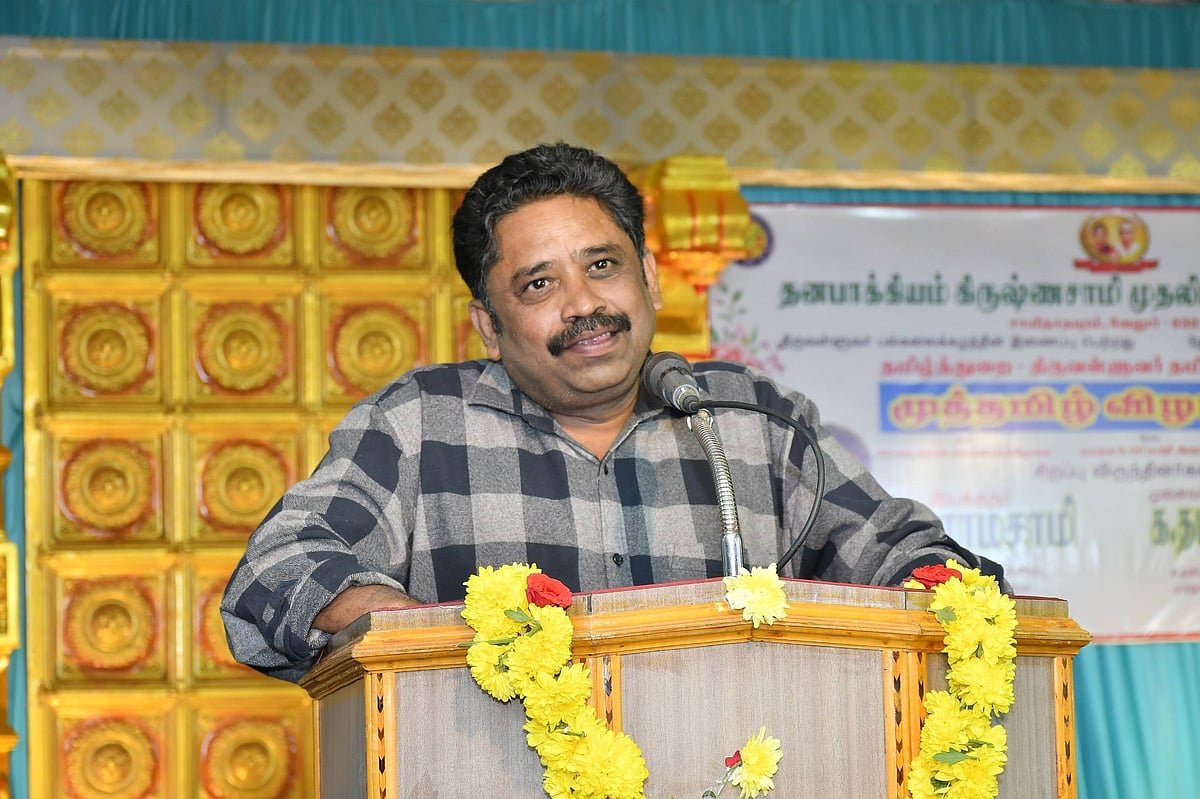
கொள்கை முடிவுகளில் ஊழல் (Policy Corruption): அரசியல்வாதிகள் தொழில் முனைவோராக இருக்கும்போது, அவர்கள் எடுக்கும் முடிவுகள் பொதுமக்கள் நன்மைக்காக இருப்பதில்லை. மாறாக, தங்கள் நிறுவனங்களின் வளர்ச்சியை மட்டுமே இலக்காகக் கொண்டிருக்கும்.
இயற்கை வளங்களைச் சுரண்டுவதும், சுற்றுச்சூழல் விதிகளைத் தளர்த்துவதும் இந்தத் ‘தொழில் முனைவு’ என்ற பெயரில்தான் நிகழ்கின்றன.
இங்கு சிங்கப்பூர் ஒரு நேர்மையான முன்னுதாரணமாக இங்கு பார்க்கிறேன்.
சிங்கப்பூர் இன்று தொழில் வளத்தில் உலக நாடுகளுக்கு முன்னோடியாக இருப்பதற்கு அதன் ‘நவீன சிற்பி’ லீ குவான் யூ (Lee Kuan Yew) உருவாக்கிய கறைபடியாத நிர்வாகக் கோட்பாடுகளே காரணம்.
அவர் முன்னெடுத்த நாட்டை கட்டும் நான்கு முக்கியத் தூண்கள்.
சந்தைக்கு நிகரான ஊதியம் (Peanuts vs Monkeys): “நீங்கள் வேர்க்கடலையை ஊதியமாகக் கொடுத்தால், உங்களுக்குக் குரங்குகள்தான் வேலையாட்களாகக் கிடைக்கும்” என்பது அவரது புகழ்பெற்ற வாசகம். அமைச்சர்களுக்குச் சிறந்த ஊதியத்தை அரசாங்கமே வழங்கிவிட வேண்டும்,
அதன் பிறகு அவர்கள் எவ்வித வணிக நடவடிக்கைகளிலும் ஈடுபடக்கூடாது எனத் தடை விதித்தார்.
“நாங்கள் அதிகாரத்திற்கு வந்தபோது வெண்ணிற ஆடை அணிந்தோம். அந்த ஆடை எவ்வளவு தூய்மையானதோ, அவ்வளவு தூய்மையாக எங்கள் நிர்வாகமும் இருக்க வேண்டும்” என்று அவர் கூறினார்.
தார்மீக அதிகாரம் இல்லாத தலைவனால் நாட்டை வழிநடத்த முடியாது என்பதில் அவர் உறுதியாக இருந்தார்.
அமைச்சர்கள் எவ்விதப் பங்குகளை வாங்கவோ, நிலம் மற்றும் சொத்து வணிகத்தில் ஈடுபடவோ அனுமதி இல்லை. ஒரு திட்டத்தினால் தன் உறவினருக்கோ நண்பருக்கோ லாபம் வரும் என்றால், அந்த அமைச்சர் அந்த முடிவிலிருந்து விலகிக் கொள்ள வேண்டும்.
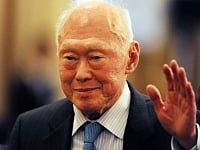
1986-ல் தனது நெருங்கிய நண்பரான அமைச்சர் தெக் சீங் வான் மீது ஊழல் புகார் வந்தபோது, லீ குவான் யூ எவ்விதச் சலுகையும் காட்டவில்லை. சட்டத்தின் பிடியிலிருந்து தப்ப முடியாது என்பதை உணர்ந்த அந்த அமைச்சர் தற்கொலை செய்துகொண்டார்.
“சட்டம் தன் கடமையைச் செய்யும்” என்பதே சிங்கப்பூரின் தாரக மந்திரம்.
சில உலக நாடுகள் பின்பற்ற தொடங்கியது அவருக்கு கிடைத்த வெற்றி,
பெரும் தொழிலதிபர்கள் பதவிக்கு வரும்போது, அவர்களின் சொத்துக்களை ஒரு மூன்றாம் நபர் அமைப்பிடம் ஒப்படைக்க வேண்டும். பதவியில் இருக்கும் வரை, தனது பணம் எங்கே முதலீடு செய்யப்பட்டுள்ளது என்பது அந்த அரசியல்வாதிக்கே தெரியாது.
ஐரோப்பிய நாடுகளில் பதவியிலிருந்து விலகிய உடனேயே, தாங்கள் முன்பு கவனித்த துறையைச் சார்ந்த தனியார் நிறுவனங்களில் பணியில் சேர முடியாது. 1 முதல் 2 ஆண்டுகள் வரை அவர்கள் எவ்வித வணிகத்திலும் ஈடுபடக்கூடாது.
நார்வே, சுவீடன் போன்ற நாடுகளில் அரசியல்வாதிகளின் வரி விவரங்களும் சொத்துகளும் பொதுமக்கள் பார்வைக்கு மிக வெளிப்படையாகத் திறந்த புத்தகமாக இருக்கும்.
”அதிகாரம் என்பது சேவை செய்வதற்கான கருவி; அதுவே லாபம் ஈட்டும் இயந்திரமாக மாறும்போது ஜனநாயகம் தன் ஆன்மாவை இழக்கிறது.”
இன்று நம் நாட்டில் அதிகாரத்தைப் பயன்படுத்தி நடக்கும் இந்தச் ‘சட்டப்பூர்வமான ஊழலை’ ஒழிக்க, மேலைநாடுகளில் உள்ளது போன்ற கடுமையான சட்டங்களும், சொத்துத் தணிக்கைச் சட்டங்களும் காலத்தின் கட்டாயம். அதிகாரம் என்பது தாகம் தீர்க்கும் நீராக இருக்க வேண்டுமே தவிர, அந்தத் தாகத்தையே விலைக்கு விற்கும் வணிகமாக மாறக்கூடாது.
இந்த விழிப்புணர்வு மக்களாகிய நம்மிடமிருந்து தொடங்க வேண்டும். அதிகாரம் என்பது லாபக் கணக்கு பார்க்கும் இடமல்ல, அது மக்களின் கண்ணீர் துடைக்கும் இடம் என்பதை நாம் உரக்கச் சொல்ல வேண்டிய தருணம் இது.
வெயிலில் காய்ந்து, வியர்வை சிந்திப் போராடும் சாமானியத் தொழில் முனைவோரின் கனவுகள், அதிகார வர்க்கத்தின் நிழலில் வளரும் பெரும் நிறுவனங்களால் நசுக்கப்படுகின்றன என்பதற்கு நம் மகாகவி பாரதியாரின் தந்தையே ஒரு சாட்சி.
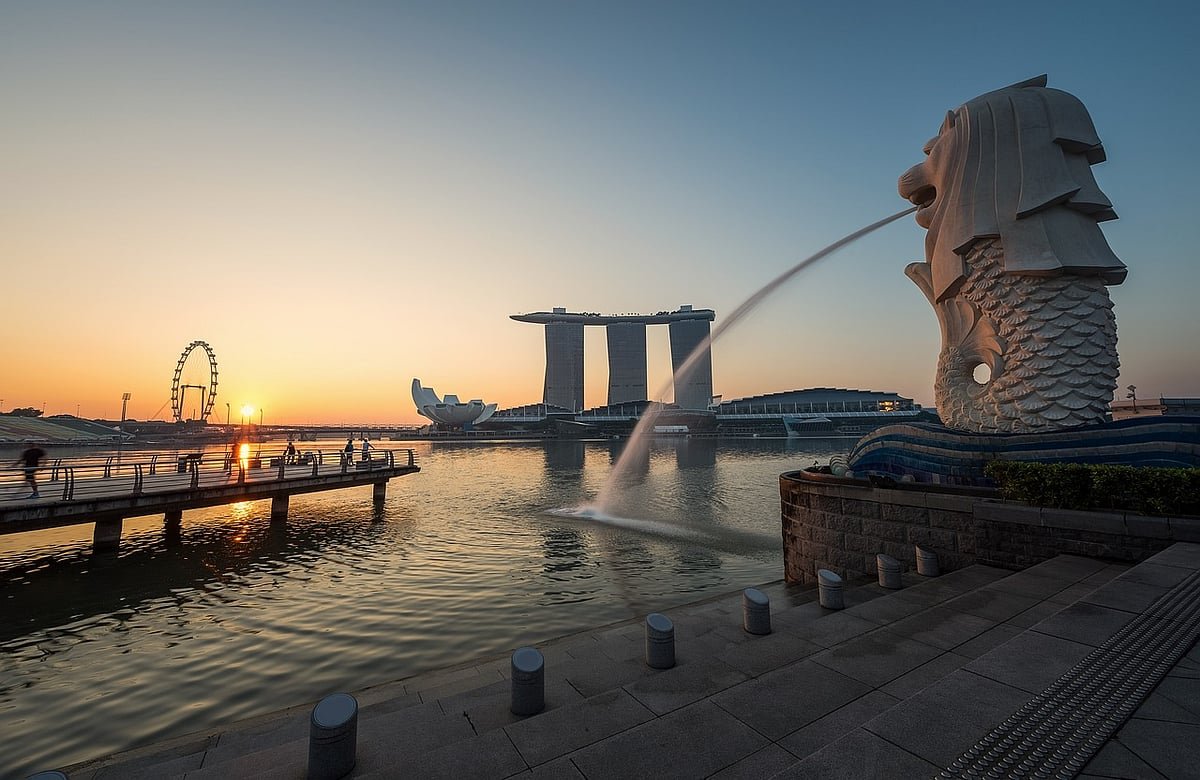
எட்டயபுர சமஸ்தானத்தில் செல்வாக்குடன் இருந்த பாரதியின் தந்தை சின்னசாமி, சுதேசி உணர்வோடு ஒரு பருத்தி ஆலையை (Spinning Mill) நிறுவ முயன்றார். இயந்திரங்களை இறக்குமதி செய்து, தன் மொத்தச் சொத்தையும், உழைப்பையும் அதில் முதலீடு செய்தார். ஆனால், அன்றைய காலனிய ஆதிக்க அதிகாரமும், உள்ளூர் அதிகார வர்க்கத்தின் ஒத்துழைப்பின்மையும் அவரது கனவைச் சிதைத்தன.
அந்தத் தொழில் தோல்வியால் ஏற்பட்ட மன உளைச்சலும், கடன் சுமையும்தான் அவரை மரணப் படுக்கையில் தள்ளியது. இதை பாரதி பின்னாளில், ‘யந்திர சாலைகள் இயற்றுவோம்’ என்று பாடியதற்குக் பின்னால், தன் தந்தை அதிகாரச் சூழலால் இழந்த அந்தப் பெரும் வலியும் இருந்திருக்கக்கூடும்.
அன்று அந்நிய ஆதிக்கம் பாரதியின் தந்தை போன்றோரின் கனவுகளைச் சிதைத்தது; இன்று நம் நாட்டு ‘சட்டப்பூர்வமான ஊழல்’ நவீன காலச் சின்னசாமிகளின் வாழ்வாதாரத்தைச் சிறுகச் சிறுகக் கொன்று கொண்டிருக்கிறது.!
கட்டுரையாளர் : சீனு ராமசாமி
திரைப்பட இயக்குநர் மற்றும் கவிஞர்
மூலதளம்: India News
Click the link above to read the full article on the original website.