English
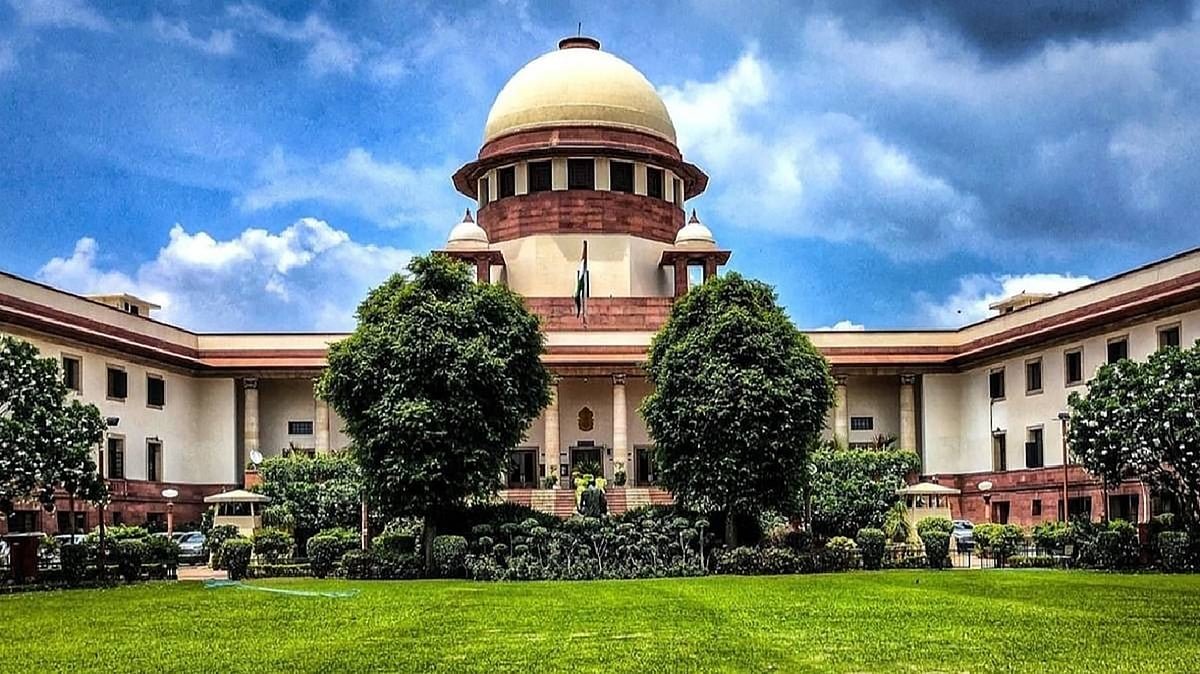
A bench of nine judges is conducting a continuous political constitutional bench hearing against the Supreme Court's previous verdict allowing women of all ages into the Sabarimala Ayyappan temple in Kerala, and to address the constitutional questions arising from it. During the second day of hearings held yesterday, the Chief Justice requested both the petitioners and the respondents not to repeatedly present the same arguments they had already made.
Following the intervention of the courts in the Sabarimala religious practices, Solicitor General Dushyant Mehta, appearing on behalf of the Central Government, continued his arguments. He stated, "If an important worship practice is an essential religious practice, the courts cannot intervene in it. Some religious practices may have even originated from superstitions. Therefore, courts may examine whether a particular practice is a mandatory worship practice of a religion or not. If a religious practice is an essential part of that religion,"
"For that, protection must be provided under Article 26 of the Constitution," he stated.
Is there authority for the court to declare something as superstition?
The judges asked, "If so, do courts not have the authority to determine what constitutes superstition and to prevent it? Then, courts do have the authority to classify whether a religious practice is superstition or not, right? Can courts declare something as superstition and ask governments to enact laws to prevent it?"
The Supreme Court responded through Solicitor General Dushyant Mehta: "Indian courts are secular. Therefore,"
Courts do not have the competence to examine the deep sentiments of a religion. For example, a sacred ritual of the Nagaland people may appear as superstition to others. It is dangerous for courts to express opinions on such emotional matters. It is the law-making bodies (government) that must prevent bad practices, not the courts. Courts cannot raise such questions. Only the legislature can do that. For instance, although practices like 'Black Magic' are followed in some religions, it is the governments that can legislate and prohibit them. Courts do not have a complete understanding of religion.
Therefore, he said, "It could be dangerous for courts to intervene and express opinions in this matter." When the judges questioned again, the judges replied, "If keeping a zero is considered part of a religious practice, what is wrong with courts calling it a superstition? For example, suppose a public interest litigation is filed seeking to ban things like zero; if the law-making bodies remain silent, can't the court use its authority to provide guidelines to prevent that wrongful practice? Hygiene, public order,
They asked, "Isn't this similar to filing public interest litigations seeking protection for morality and ethics?" The Justice Tamil Nadu Archakar issue is an example of this. Responding to this, Dushar Mehta pointed out the Tamil Nadu Archakar appointment issue as an example to show that traditions cannot be destroyed in the name of religious reform. "Governments have already enacted laws against matters that go against political legislation. Each religious community has a hereditary policy for selecting its archakar. The government cannot take away that right in the name of reform," he said. Specifically,
People from backward communities should not be denied entry into temples or be shown untouchability; such provisions have been implemented through laws. We must pay attention to the decisions made regarding the appointment of priests in Tamil Nadu. A government cannot alter the fundamental rules of a religion under the pretext of reforming it. Each religious sect has its own traditional policy for selecting its priests. This cannot be appropriated in the name of reform. Nowhere in the Constitution is it stated that only "essential" religious practices are protected. It only refers to "general religious practices."
Therefore, it is wrong to rank what is essential. The characteristics of deities like Sabarimala Ayyappan, their legal status, or rationality cannot be examined by secular courts. The previous verdict allowing women into the Sabarimala temple did not give adequate attention to the rights of the devotees. Allowing or not allowing certain specific groups depends on the respective spiritual beliefs," he said. Judiciary officials' imprisonment: Supreme Court strongly condemns West Bengal government! Modern thought suppression - a wild argument. Finally, Dushar Mehta presented an example.
The court has recognized consensual sexual relations outside of marriage as an individual right. However, society considers this to be wrong. Society is not ready to accept extramarital affairs as a personal right. But contrary to societal preferences, the Supreme Court issued that ruling. Suppressing new ideas under the name of 'modern thought' without respecting century-old beliefs directly affects religious freedom. Courts do not have permission to examine the ascetic celibate practices of Lord Ayyappa of Sabarimala.
In the Sabarimala issue as well, the concept of 'Constitutional Morality' has been misused," he said. The hearing concluded yesterday, and arguments on behalf of the central government will be presented again tomorrow.
Tanglish
Onpathu neethipathigal konda amarvu visaaranai Keralam maanilam Sabarimalai Aiyappan Kovilil anaitthu vayadhu pengalaiyum anumatikkalaam endra uchcha neethimandharaththin munthaiya theerppukku ethiraagavum, adhu thodarbaaga ezhundhulla arasiyaalamaippu chattam saarntha kelvigalukku vidai alikkum vagaiyilum, onpathu neethipathigal konda arasiya saasana amarvu thodar visaaranaiyai nadathi varugiradhu. Netru nadandha irandaam naal visaaranaiyin podhu, manutharargal matrum ethirmanutharargal aagiya irandu tharappume erkenave munvaitha vaadangalaiye meendum meendum vaikka vendaam enbathai thalaimai neethipathi kettukkondaar.
Sabarimala matha nadaimuraigalil neethimandrangalin thalaiyidu ithanait thodarnthu madhthiya arasin saarbil aajarana solicitor general Dushar Metha thanadhu vaadangalait thodarnthaar. Avar kooriyathavathu, "Oru mukkiyamaan vazhipattu murai enbathu indriyamaiyaadha matha nadaimuraiyaaga (Essential Religious Practice) irundhaal, adhil neethimandrangkal thalaiyida mudiyadhu. Sila matha reethiyilana nadaimuraigal moodanambikkaiyilirundhu kooda thondriyirukkalaam. Enave, oru kuripitta nadaimurai oru mathathin kattaiyaamana vazhipattu nadaimuraiyaa illaiyaa enbathai vendumaanaal neethimandrangkal parisothanai seyyalaam. Oru matha nadaimurai andha mathathin indriyamaiyaadha pagudhiyaaga (Essential Practice) irundhaal,
Adharku arasiyaalamaippu chatta pirivu 26-n keezh paadhukaappu alikkappada vendum," endru kurippittar. Moodanambikkai - neethimandratthirkku adhikaaram unda? Ithai kaetta neethipadhigal, "Appadiyaanall edhu moodanambikkai endru theermaaniththu athaith thadukkum adhikaaram neethimandragalukku illaiyaa? Appadiyenraal oru madhaththin nadaimurai moodanambikkaiyaa illaiyaa enbadha vagai padutha neethimandragalukku adhikaaram irukkiradhaaney? Oru vishayaththai moodanambikkai ena neethimandragal ariviththu, athaith thadukkum vagaiyil chattam iyarrumpadi arasukalaik kaettukolla mudiyumthaaney?" ena vinavinar. Ucha neethimandram adharkup pathilalitha solicitor general Dushar Metha: "Indhiya neethimandragal madhachaarbattravai. Enave,
Oru madaththin aazhamana unarvugalai aayvu seyyum thaguthi neethimandrangalukku kidaiyadhu. Udharanamaaga, Nagalanthu makkalin oru punithamana sadangu matruvarkalukku moodanambikkaiyaagath theriyalaam. Iththagaiya unarvuppoorvamaana vishayangkalil neethimandram karuthu therivippadhu aapathaanadhu. Theeya pazhakkangalai chattam iyarrum amaippugal (arasu) thaan thadukka vendume thavira, neethimandrangkal alla. Neethimandrangalal kelvi ezhupa mudiyadhu. Chattam iyarrum amaippugalal (Legislature) mattume adhu mudiyum. Udharanamaaga, 'Black Magic' (Black Magic) pondra muraihal sila madangalil kadaipidikkappattalum, athai arasukal thaan chattam iyarrith thadukka mudiyum. Madham saarntha muzhuvadhiyana purithal neethimandrangalku irukkadhu.
enave idhil neethimandrangkal thalaiyittu karuththukalaik kooruvathu aapaththaanadhaaga mudiyum" endraar. neethipathigalin pathil kelvimeendum kurukkitta neethipathigal, "sooniyam vaippathu enbathu oru matha nadaimuraiyin pagudhiyaaga karuththappattaal, athai moodanambikkai endru neethimandrangkal solvadhil enna thavaru irukkappogiradhu? udhaaranamaaga, sooniyam pondra vishayangalaith thadai seyyak kori pothunala vazhakkai thaakkal seygiraargal endru vaiththukkolvom; idhil sattam iyarrum amaippugal amaidhiyaga irundhaal, andha thavaraana vishayathai thadakka neethimandram thanadhu adhikaaraththaip payanpaduthi vazhikaattuththalkaLai vazhangha mudiyadhaa? sugaadhaarom, pothu ozhungu,
Ozhukka neri aagiyavatrirkup paadhukaappu kaettu pothunala manukkalai thaakkal seyvathu polaaththaaney ithaiyum paarka vendiyulladhu?" enak kaettanar. Neethi Tamilnaadu archakar vivakaaram oru saanru itharkup pathilalitha Dushar Metha, mathach seerthiruththam endra peyaril paarampariyangalai chidaikka mudiyadhu enbatharkuth Tamilnaatin archakar niyaman vivakaarathai udhaaranamaaga Dushar Metha suttikkaattinaar. "Arasiyal saasanaththirkku ethiraaga irukkum vishayangkalil arasukal eerkenave sattam iyatriyullana. Ovvoru matha pirivirkum adhan archakarai therndheduththap paramparai kolkai ulladhu. Arasu seerthiruththam endra peyaril andha urimaiyai parikka mudiyadhu," endraar. Kurippaga,
Pirpaduththappatta samookaththaich serndhavargal kovilukkul anumathikkappadamal irukkakoodadhu, theendaamai kaattappadakoodadhu pondravai sattangal moolame seyalpaduththappattullana. Tamilnadu archakargalai niyamikkum vivakaarathil edukkappatta mudivugalai naam gavanikka vendum. Oru arasaal oru madhaththaich seerthiruthugiren endra peyaril adhan adipadai vidhimuraigalai maatra mudiyadhu. Ovvoru madhap pirivukkum adhan archakarait therndheduththadharkana paramparai kolkai ulladhu. Seerthirutham endra peyaril athai abakarikka mudiyadhu. Arasiyalamaippin enda idaththilum 'aththiyaavasiyamana' madha nadaimuraigalukku mattume paadhukaappu undu endru koorappadavilai. 'Pothuvaana madha nadaimuraigal' endruthaan kurippidappattulladhu.
enave ethu avasiyamanadhu enath tharam pirippadhe thavaru. sabarimalai ayyappan pondra deivangalin panpugal, avatrin sattapoorva thanmai alladhu pakutharivu pondravatrai madachcharbapatra neethimandrangalal aayvu seiyya mudiyadhu. sabarimalai kovilukkul pengalai anumathitha munthaiya theerppil bakthargalin urimaigal kurithup pothiya kavanam seluthappadavilai. sila kuripitta pirivinrai anumathippadhu alladhu anumathikkamal iruppadhu enbadhu andhanda aanmeega nambikkai saarnthadhu." endraar,. neethithurai adhikaarigal sirai pidippu: maerku vanga arasukku uchcha neethimandram kadum kandanam! naveena sindhanaith thinippu - kaattamana vaadham irudhiyaaga oru udhaaranathai munvaitha dushar metha,
Thirumaṇattiṟku veḷiyē tanniccaiyāṉ pāliyāl uṟavu vaithiruppataith taṉimaṉita urimai eṉa nītimantiram aṅkīkariththullatu. Āṉāl camūkam ithanait tavarākavē karuthugiratu. Thirumaṇa uṟavil kaḷḷattoṭarpu vaithiruppataith thanippaṭṭa urimai eṉa ēṟka camūkam tayārāka illai. Āṉāl camūkatthin viruppangkaḷukku māṟākaththāṉ ucca nītimantiram anta uttaravaip piṟappiththatu. Nūṟṟāṇṭukāla nampikkaiykaḷai madikkāmal, 'Navīṉac cintanai' (Modern Thought) eṉṟa peyaril putiya karuttukaḷait tiṇippatu madha sudhandhiraththai nēraṭiyāka pāthikkum. Sabarimalai Aiyappanin naiṣṭhika pirammaccariya paṇpukaḷai āyvu seiyya nītimantiraṅkaḷukku anumati illai.
Sabarimalai vivakaaraththilum 'Arasiyalamaippu Neri' (Constitutional Morality) endra kottpaadu thavaraagap payanpaduththappattulladhu." endraar. Thodarnthu nettraiya visaaranai niraivadaindhathu aduthu naalaiya dhinam meendum madhthiya arasu saarbil vaadhangal munvaikkappada ulladhu
Tamil
ஒன்பது நீதிபதிகள் கொண்ட அமர்வு விசாரணை
கேரள மாநிலம் சபரிமலை ஐயப்பன் கோவிலில் அனைத்து வயது பெண்களையும் அனுமதிக்கலாம் என்ற உச்ச நீதிமன்றத்தின் முந்தைய தீர்ப்புக்கு எதிராகவும், அது தொடர்பாக எழுந்துள்ள அரசியலமைப்புச் சட்டம் சார்ந்த கேள்விகளுக்கு விடை அளிக்கும் வகையிலும், ஒன்பது நீதிபதிகள் கொண்ட அரசியல் சாசன அமர்வு தொடர் விசாரணையை நடத்தி வருகிறது.
நேற்று நடைபெற்ற இரண்டாம் நாள் விசாரணையின் போது, மனுதாரர்கள் மற்றும் எதிர்மனுதாரர்கள் ஆகிய இரண்டு தரப்புமே ஏற்கெனவே முன்வைத்த வாதங்களையே மீண்டும் மீண்டும் வைக்க வேண்டாம் எனத் தலைமை நீதிபதி கேட்டுக்கொண்டார்.
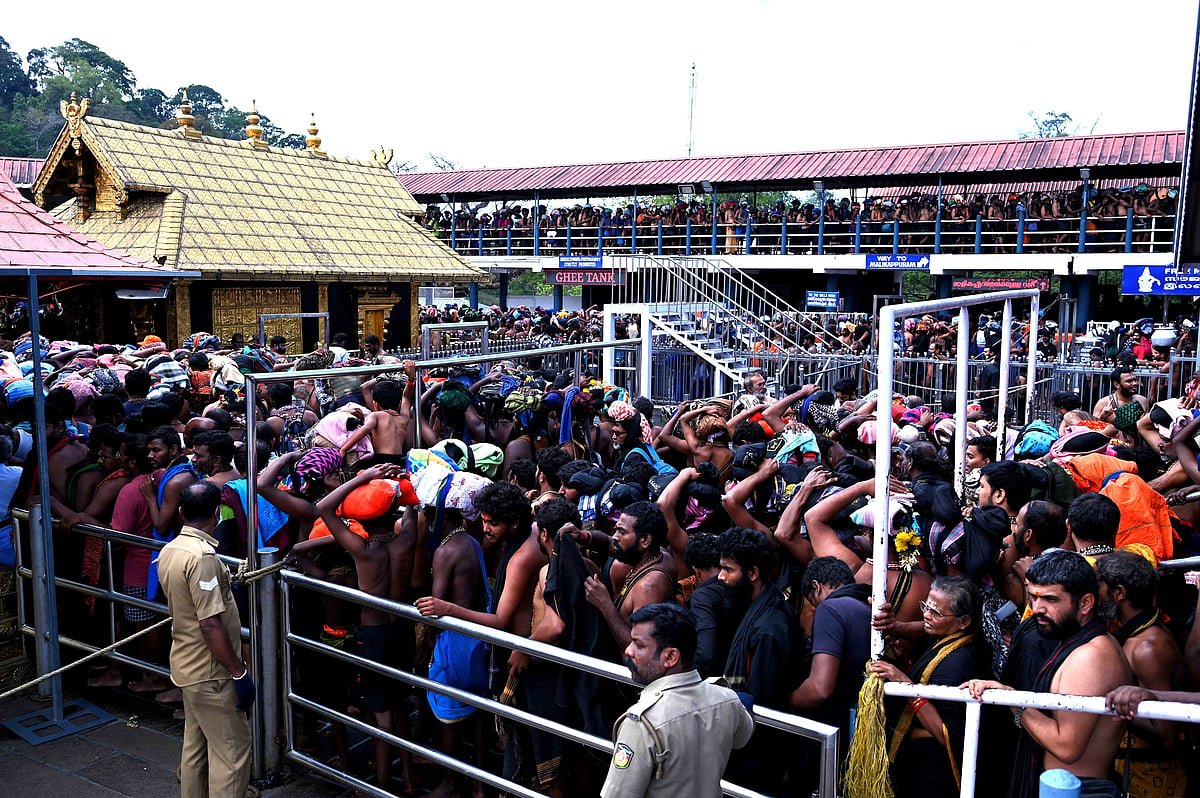
மத நடைமுறைகளில் நீதிமன்றங்களின் தலையீடு
இதனைத் தொடர்ந்து மத்திய அரசின் சார்பில் ஆஜரான சொலிசிட்டர் ஜெனரல் துஷார் மேத்தா தனது வாதங்களைத் தொடர்ந்தார். அவர் கூறியதாவது,
“ஒரு முக்கியமான வழிபாட்டு முறை என்பது இன்றியமையாத மத நடைமுறையாக (Essential Religious Practice) இருந்தால், அதில் நீதிமன்றங்கள் தலையிட முடியாது. சில மத ரீதியிலான நடைமுறைகள் மூடநம்பிக்கையிலிருந்து கூட தோன்றியிருக்கலாம். எனவே, ஒரு குறிப்பிட்ட நடைமுறை ஒரு மதத்தின் கட்டாயமான வழிபாட்டு நடைமுறையா இல்லையா என்பதை வேண்டுமானால் நீதிமன்றங்கள் பரிசோதனை செய்யலாம். ஒரு மத நடைமுறை அந்த மதத்தின் இன்றியமையாத பகுதியாக (Essential Practice) இருந்தால், அதற்கு அரசியலமைப்புச் சட்டப் பிரிவு 26-ன் கீழ் பாதுகாப்பு அளிக்கப்பட வேண்டும்,” என்று குறிப்பிட்டார்.
மூடநம்பிக்கை – நீதிமன்றத்திற்கு அதிகாரம் உண்டா?
இதைக் கேட்ட நீதிபதிகள், “அப்படியானால் எது மூடநம்பிக்கை என்று தீர்மானித்து அதைத் தடுக்கும் அதிகாரம் நீதிமன்றங்களுக்கு இல்லையா?அப்படியென்றால் ஒரு மதத்தின் நடைமுறை மூடநம்பிக்கையா இல்லையா என்பதை வகைப்படுத்த நீதிமன்றங்களுக்கு அதிகாரம் இருக்கிறது தானே? ஒரு விஷயத்தை மூடநம்பிக்கை என நீதிமன்றங்கள் அறிவித்து, அதைத் தடுக்கும் வகையில் சட்டம் இயற்றும்படி அரசுகளைக் கேட்டுக்கொள்ள முடியும்தானே?” என வினவினர்.
அதற்குப் பதிலளித்த சொலிசிட்டர் ஜெனரல் துஷார் மேத்தா:
“இந்திய நீதிமன்றங்கள் மதச்சார்பற்றவை. எனவே, ஒரு மதத்தின் ஆழமான உணர்வுகளை ஆய்வு செய்யும் தகுதி நீதிமன்றங்களுக்குக் கிடையாது. உதாரணமாக, நாகாலாந்து மக்களின் ஒரு புனிதமான சடங்கு மற்றவர்களுக்கு மூடநம்பிக்கையாகத் தெரியலாம். இத்தகைய உணர்வுப்பூர்வமான விஷயங்களில் நீதிமன்றம் கருத்து தெரிவிப்பது ஆபத்தானது.
தீய பழக்கங்களைச் சட்டம் இயற்றும் அமைப்புகள் (அரசு) தான் தடுக்க வேண்டுமே தவிர, நீதிமன்றங்கள் அல்ல. நீதிமன்றங்களால் கேள்வி எழுப்ப முடியாது. சட்டம் இயற்றும் அமைப்புகளால் (Legislature) மட்டுமே அது முடியும்.
உதாரணமாக, ‘பிளாக் மேஜிக்’ (Black Magic) போன்ற முறைகள் சில மதங்களில் கடைபிடிக்கப்பட்டாலும், அதை அரசுகள் தான் சட்டம் இயற்றித் தடுக்க முடியும். மதம் சார்ந்த முழுமையான புரிதல் நீதிமன்றங்களுக்கு இருக்காது. எனவே இதில் நீதிமன்றங்கள் தலையிட்டு கருத்துகளைக் கூறுவது ஆபத்தானதாக முடியும்” என்றார்.
நீதிபதிகளின் பதில் கேள்வி
மீண்டும் குறுக்கிட்ட நீதிபதிகள், “சூனியம் வைப்பது என்பது ஒரு மத நடைமுறையின் பகுதியாகக் கருதப்பட்டால், அதை மூடநம்பிக்கை என்று நீதிமன்றங்கள் சொல்வதில் என்ன தவறு இருக்கப் போகிறது? உதாரணமாக, சூனியம் போன்ற விஷயங்களைத் தடை செய்யக் கோரி பொதுநல வழக்கைத் தாக்கல் செய்கிறார்கள் என்று வைத்துக்கொள்வோம்; இதில் சட்டம் இயற்றும் அமைப்புகள் அமைதியாக இருந்தால், அந்தத் தவறான விஷயத்தைத் தடுக்க நீதிமன்றம் தனது அதிகாரத்தைப் பயன்படுத்தி வழிகாட்டுதல்களை வழங்க முடியாதா? சுகாதாரம், பொது ஒழுங்கு, ஒழுக்க நெறி ஆகியவற்றிற்குப் பாதுகாப்பு கேட்டு பொதுநல மனுக்களைத் தாக்கல் செய்வது போலத்தானே இதையும் பார்க்க வேண்டியுள்ளது?” எனக் கேட்டனர்.
தமிழ்நாடு அர்ச்சகர் விவகாரம் ஒரு சான்று
இதற்குப் பதிலளித்த துஷார் மேத்தா, மதச் சீர்திருத்தம் என்ற பெயரில் பாரம்பரியங்களைச் சிதைக்க முடியாது என்பதற்குத் தமிழ்நாட்டின் அர்ச்சகர் நியமன விவகாரத்தை உதாரணமாகத் துஷார் மேத்தா சுட்டிக்காட்டினார்.
“அரசியல் சாசனத்திற்கு எதிராக இருக்கும் விஷயங்களில் அரசுகள் ஏற்கெனவே சட்டம் இயற்றியுள்ளன. ஒவ்வொரு மதப் பிரிவிற்கும் அதன் அர்ச்சகரைத் தேர்ந்தெடுக்கப் பரம்பரை கொள்கை உள்ளது. அரசு சீர்திருத்தம் என்ற பெயரில் அந்த உரிமையைப் பறிக்க முடியாது,” என்றார்.
குறிப்பாக, பிற்படுத்தப்பட்ட சமூகத்தைச் சேர்ந்தவர்கள் கோவிலுக்குள் அனுமதிக்கப்படாமல் இருக்கக்கூடாது, தீண்டாமை காட்டப்படக்கூடாது போன்றவை சட்டங்கள் மூலமே செயல்படுத்தப்பட்டுள்ளன. தமிழ்நாடு அர்ச்சகர்களை நியமிக்கும் விவகாரத்தில் எடுக்கப்பட்ட முடிவுகளை நாம் கவனிக்க வேண்டும். ஒரு அரசால் ஒரு மதத்தைச் சீர்திருத்துகிறேன் என்ற பெயரில் அதன் அடிப்படை விதிமுறைகளை மாற்ற முடியாது. ஒவ்வொரு மதப் பிரிவுக்கும் அதன் அர்ச்சகரைத் தேர்ந்தெடுப்பதற்கான பரம்பரை கொள்கை உள்ளது. சீர்திருத்தம் என்ற பெயரில் அதை அபகரிக்க முடியாது. அரசியலமைப்பின் எந்த இடத்திலும் ‘அத்தியாவசியமான’ மத நடைமுறைகளுக்கு மட்டுமே பாதுகாப்பு உண்டு என்று கூறப்படவில்லை. ‘பொதுவான மத நடைமுறைகள்’ என்றுதான் குறிப்பிடப்பட்டுள்ளது. எனவே எது அவசியமானது எனத் தரம் பிரிப்பதே தவறு.
சபரிமலை ஐயப்பன் போன்ற தெய்வங்களின் பண்புகள், அவற்றின் சட்டப்பூர்வ தன்மை அல்லது பகுத்தறிவு போன்றவற்றை மதச்சார்பற்ற நீதிமன்றங்களால் ஆய்வு செய்ய முடியாது. சபரிமலை கோவிலுக்குள் பெண்களை அனுமதித்த முந்தைய தீர்ப்பில் பக்தர்களின் உரிமைகள் குறித்துப் போதிய கவனம் செலுத்தப்படவில்லை. சில குறிப்பிட்ட பிரிவினரை அனுமதிப்பது அல்லது அனுமதிக்காமல் இருப்பது என்பது அந்தந்த ஆன்மீக நம்பிக்கை சார்ந்தது.” என்றார்,.
நவீன சிந்தனைத் திணிப்பு – காட்டமான வாதம்
இறுதியாக ஒரு உதாரணத்தை முன்வைத்த துஷார் மேத்தா, “திருமணத்திற்கு வெளியே தன்னிச்சையான பாலியல் உறவு வைத்திருப்பதைத் தனிமனித உரிமை என நீதிமன்றம் அங்கீகரித்துள்ளது. ஆனால் சமூகம் இதனைத் தவறாகவே கருதுகிறது. திருமண உறவில் கள்ளத்தொடர்பு வைத்திருப்பதைத் தனிப்பட்ட உரிமை என ஏற்க சமூகம் தயாராக இல்லை. ஆனால் சமூகத்தின் விருப்பங்களுக்கு மாறாகத்தான் உச்ச நீதிமன்றம் அந்த உத்தரவைப் பிறப்பித்தது.
நூற்றாண்டுகால நம்பிக்கைகளை மதிக்காமல், ‘நவீனச் சிந்தனை’ (Modern Thought) என்ற பெயரில் புதிய கருத்துகளைத் திணிப்பது மத சுதந்திரத்தை நேரடியாகப் பாதிக்கும். சபரிமலை ஐயப்பனின் நைஷ்டிக பிரம்மச்சரிய பண்புகளை ஆய்வு செய்ய நீதிமன்றங்களுக்கு அனுமதி இல்லை. சபரிமலை விவகாரத்திலும் ‘அரசியலமைப்பு நெறி’ (Constitutional Morality) என்ற கோட்பாடு தவறாகப் பயன்படுத்தப்பட்டுள்ளது.” என்றார்.
தொடர்ந்து நேற்றைய விசாரணை நிறைவடைந்தது அடுத்து நாளைய தினம் மீண்டும் மத்திய அரசு சார்பில் வாதங்கள் முன்வைக்கப்பட உள்ளது
மூலதளம்: India News
Click the link above to read the full article on the original website.